
How much furniture do you really need in your living room? It’s a question that can make decorating feel overwhelming.
Too much furniture can crowd your space, making it hard to move around or relax. Too little, and your living room might feel empty or unfinished. Finding the perfect balance is key to creating a comfortable, stylish space that suits your lifestyle.
You’ll discover simple tips to help you choose the right amount of furniture for your living room—so your space feels just right, welcoming, and truly yours. Keep reading to unlock easy ways to transform your living room into the perfect spot for everyday living and special moments.
Living Room Function
The function of a living room guides how much furniture it needs. This room serves many purposes. Knowing its main role helps in choosing the right amount of furniture.
A well-planned living room feels comfortable and practical. It should match daily activities and lifestyle. The furniture should support the room’s key uses without crowding the space.
Identify Primary Uses
First, decide what the living room is mainly for. Is it a place to relax, watch TV, or read? Some rooms serve as a family gathering spot. Others might work as a quiet zone for work or study.
Knowing this helps select essential furniture pieces. A TV stand suits a media room. A large sofa fits a family space. This step ensures the room works well for its main tasks.
Consider Family Needs
Think about who uses the living room daily. Children need safe, easy-to-clean furniture. Adults might want comfortable chairs and a coffee table. Older family members may require supportive seating.
Family size affects how much seating is necessary. More people need more chairs or sofas. Choose furniture that fits the family’s lifestyle and comfort needs.
Plan For Entertaining
Entertaining guests means extra seating and space. Consider flexible furniture like ottomans or stackable chairs. These add seating without clutter.
Leave enough room for easy movement. Avoid overcrowding with too many pieces. A good flow makes guests feel welcome and comfortable.
Furniture Quantity
Choosing the right amount of furniture for a living room shapes its comfort and style. The quantity of pieces affects how spacious and welcoming the room feels. Too much furniture crowds the space, while too little leaves it empty and uninviting. Finding the right balance ensures the room serves its purpose well and looks great.
Avoid Overcrowding
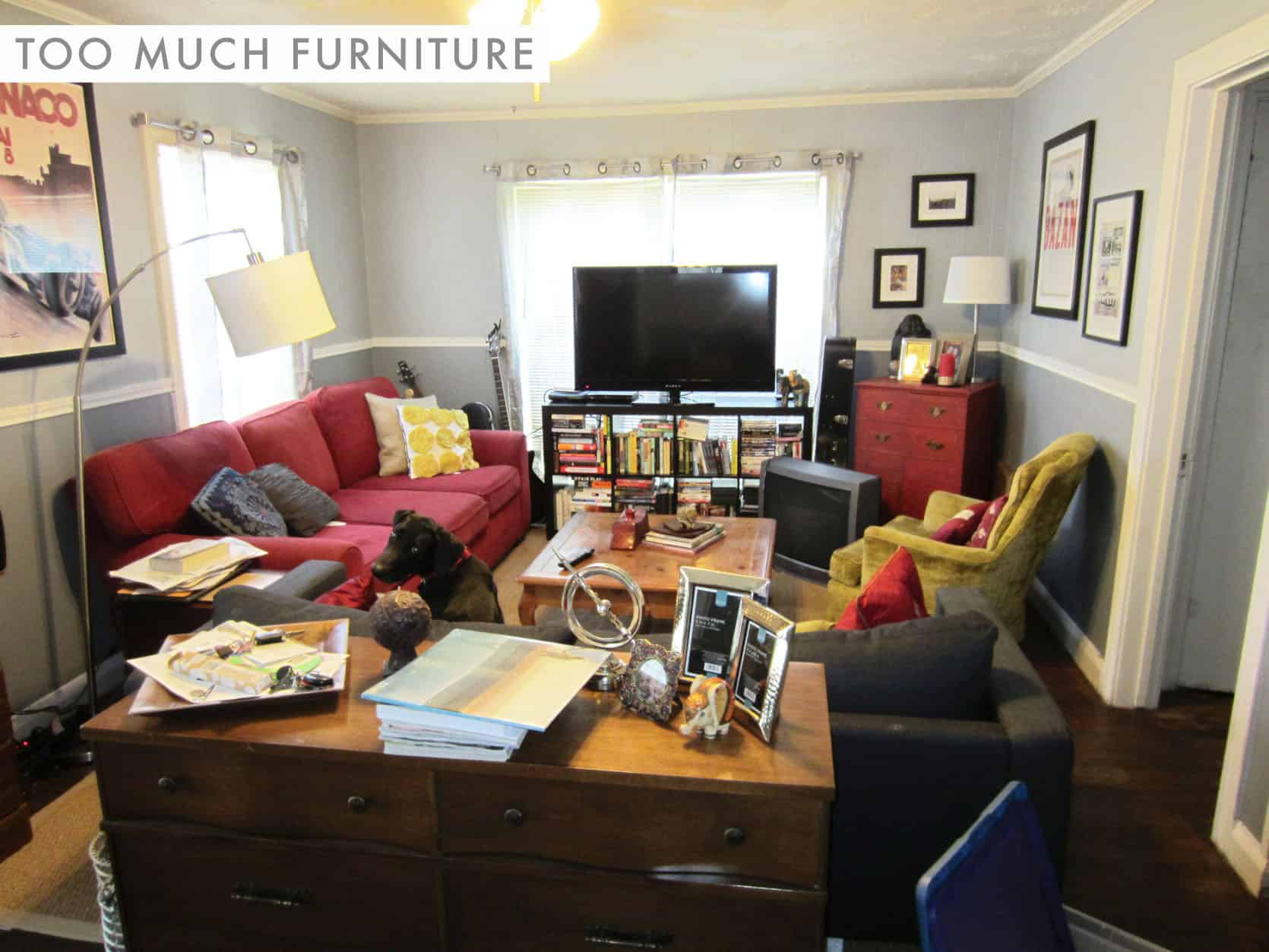
Too many items make the living room feel cramped. Walking paths become narrow and uncomfortable. Leave enough space for easy movement. Avoid filling every corner with furniture. Open areas give the room a fresh, airy feel. Choose pieces that fit the room size well.
Balance Seating Options
Provide enough seats for family and guests. Mix sofas, chairs, and ottomans for variety. Seating should invite conversation and relaxation. Avoid large bulky items that dominate the room. Arrange seats to face each other for easy talking. Think about how many people usually use the room.
Include Essential Pieces
Focus on basic furniture that the living room needs. A sofa or couch is the main seating piece. Add a coffee table for drinks and décor. Side tables next to seating make the room functional. Include storage like shelves or cabinets to keep things tidy. Each piece should have a clear use.
Room Layout Ideas
Choosing the right layout helps balance furniture and open space in your living room. A thoughtful arrangement improves comfort and flow. Different layout ideas suit different room sizes and styles. Consider how you want to use the space before selecting a layout.
Classic Symmetry
Classic symmetry centers furniture around a focal point like a fireplace or TV. Matching sofas face each other to create a balanced look. Side tables and lamps mirror each other on both sides. This layout promotes conversation and feels organized. It works well in square or rectangular rooms.
Open Plan Arrangements
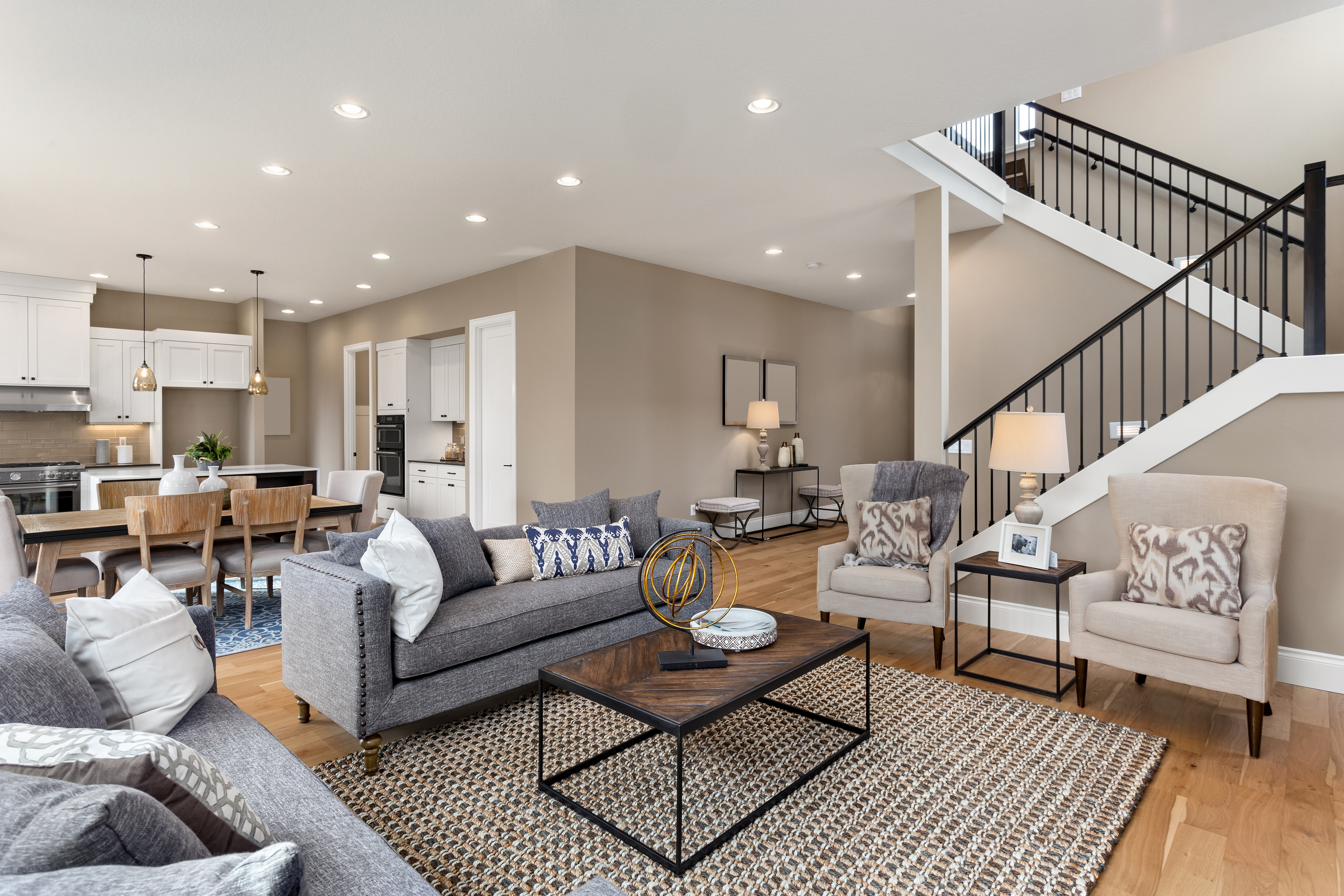
Open plan layouts combine living and dining or kitchen areas. Furniture defines zones without walls, keeping the space airy. Use rugs or sofas to separate areas visually. Choose smaller, flexible pieces to avoid overcrowding. This layout suits modern homes and encourages socializing.
Zoned Spaces
Zoned spaces divide the room into specific function areas. Create a reading nook with a comfortable chair and lamp. Set up a media zone with a TV and sofa. Use shelving or screens to separate zones. This layout fits large rooms and adds purpose to each area.
Credit: blog.urbanwood.in
Flow And Movement
Flow and movement play a key role in deciding how much furniture to place in a living room. A space that allows easy movement feels open and inviting. Crowded rooms slow you down and create frustration. Careful furniture placement helps guide people naturally through the room. This section focuses on how to improve flow and movement while choosing furniture.
Create Clear Pathways
Clear pathways let people move without obstacles. Leave wide spaces between furniture pieces. Avoid blocking doorways or windows with large items. Keep walking routes simple and direct. Clear paths prevent trips and make the room feel larger. Think about how people enter and exit the space. Design paths that flow from one area to another smoothly.
Maintain Comfortable Clearances
Comfortable clearances between furniture allow easy access. A good rule is to keep at least 18 inches between pieces. This space helps people sit down or get up without bumping into other furniture. It also gives room for cleaning and moving small items. Avoid pushing furniture too close together. Enough clearance improves both comfort and function.
Consider Traffic Patterns
Traffic patterns show how people move through the room daily. Study these patterns before placing furniture. Keep main walkways free of heavy or bulky pieces. Arrange seating so it does not block natural paths. Position furniture to encourage social interaction but not hinder movement. Understanding traffic flow helps create a balanced and practical living space.
Scale And Proportion
Scale and proportion are key to a comfortable living room. They affect how furniture fits and feels in your space. Choosing the right size and balance creates harmony. It makes the room look inviting and well-planned. Poor scale leads to crowded or empty spaces. Understanding scale helps you pick furniture that suits your room perfectly.
Match Furniture To Room Size
Start by measuring your living room carefully. Large rooms can hold bigger sofas and multiple chairs. Small rooms need compact furniture to avoid clutter. Choose pieces that fit the floor area without blocking walkways. Avoid tiny furniture in big spaces—it feels lost. Keep enough space around furniture for easy movement.
Use Visual Weight Wisely
Visual weight is how heavy or light furniture looks. Dark colors and thick shapes appear heavier. Light colors and slim legs feel lighter. Balance heavy and light pieces for an even look. Place a heavy sofa with lighter chairs to avoid crowding. This mix keeps the room open and balanced.
Mix Different Furniture Heights
Varying furniture height adds interest and flow. Combine low coffee tables with taller sofas or bookcases. High-backed chairs next to low stools create depth. Avoid all pieces being the same height; it feels flat. Different heights help guide the eye around the room. This makes the space lively and dynamic.
Color And Texture Balance
Balancing color and texture in a living room is key to creating a cozy, inviting space. These elements work together to shape the room’s mood and style. A well-balanced mix makes the space feel harmonious and lively, not dull or overwhelming. Pay attention to both color tones and the feel of materials. This balance impacts how much furniture fits well without crowding.
Select A Dominant Palette
Choose one main color family for your living room. This color sets the tone and connects all furniture pieces. Use soft, neutral shades for calmness or bold colors for energy. Keep this palette consistent across walls, sofas, and large rugs. It helps keep the room unified and spacious.
Add Accent Colors
Introduce one or two accent colors to brighten the space. Use them in smaller furniture items or decorations. Pillows, throws, or side chairs work well for this. Accent colors add interest without cluttering the room. They bring life and personality to the overall design.
Incorporate Varied Textures
Mix different textures to add depth and comfort. Combine smooth leather, soft cotton, rough wood, or shiny metal. Textures create a tactile experience and visual contrast. Use textured cushions, rugs, and curtains to soften hard surfaces. This mix makes the room feel layered and inviting.
Style Blending
Style blending in a living room means mixing different furniture styles to create a unique and inviting space. It allows you to express your personality while keeping the room balanced and comfortable. This approach uses a mix of colors, textures, and eras to build a cohesive look that feels fresh and personal.
Blending styles helps avoid a boring or overly matched appearance. It also makes your living room look thoughtfully designed without being too formal or stiff. Below are some key ways to blend styles effectively in your living room furniture arrangement.
Combine Different Eras
Mix furniture from various time periods for a dynamic look. Pair a vintage armchair with a modern sofa. Add a mid-century coffee table to balance classic and current vibes. This contrast adds interest and tells a story through your decor. Keep the color or material consistent to tie pieces together.
Use Complementary Styles
Choose styles that complement each other well. For example, rustic wood furniture works nicely with sleek metal accents. Soft, curved shapes can balance sharp, angular pieces. Mixing styles like traditional and industrial creates harmony without clashing. Focus on balance to keep the room feeling unified.
Personalize With Unique Pieces
Add special items that reflect your taste and memories. A handmade rug or an antique lamp can be a conversation starter. Personal pieces make the space feel warm and lived-in. Avoid overcrowding by selecting items that add charm without clutter. Let your personality shine through your furniture choices.
Credit: www.bobmillsfurniture.com
Measurement Tips
Measuring your living room before buying furniture saves time and money. Precise measurements help choose pieces that fit well and keep the space comfortable. Use simple tools like a tape measure and paper to note dimensions. This approach prevents overcrowding and improves room flow.
Measure Before Buying
Start by measuring the length and width of your living room. Note doorways, windows, and any fixed elements. Measure the height of walls for tall furniture. Write down these numbers clearly. Compare these with furniture dimensions before purchase. This stops you from buying items that are too big or too small.
Use Floor Plans
Create a simple floor plan on paper or with an app. Draw the room to scale using your measurements. Mark where doors and windows sit. Add furniture pieces as blocks to see how they fit. This visual helps balance space and furniture size. Adjust placement without lifting heavy items.
Test Furniture Placement
Before finalizing, test your layout. Use masking tape to mark furniture edges on the floor. Walk around the taped shapes to check traffic flow. Ensure there is space to open doors and move easily. Rearrange tape if needed. This step avoids surprises after buying furniture.
:strip_icc()/living-room-wooden-coffee-table-white-furniture-8f380de8-e0847853a7314ef3aaf0368bd6e07f16.jpg)
Credit: www.bhg.com
Frequently Asked Questions
What Is The 2 3 Rule For Furniture?
The 2-3 rule for furniture means using at least two to three pieces per seating area. It ensures balance and comfort in room layouts.
What Is The 3 4 5 Rule In Interior Design?
The 3-4-5 rule in interior design means using at least three patterns, four design styles, and five colors or textures to create balance and depth. This method helps blend styles and colors, adding visual interest while maintaining harmony in a space.
What Is The 70/30 Rule In Interior Design?
The 70/30 rule in interior design means 70% of a room uses a dominant color or style. The remaining 30% adds contrast with accents, creating balance and visual interest.
What Is The 3-5-7 Rule In Decorating?
The 3-5-7 rule in decorating means using at least three patterns, five colors or textures, and seven items or accents to create a balanced, layered space. This method adds visual interest and harmony by blending diverse elements without overwhelming the room.
Conclusion
Choosing the right amount of furniture shapes your living room’s comfort. Keep pieces functional and avoid overcrowding the space. Balance size and style to match your room’s layout. Allow enough room for easy movement and natural flow. Mix textures and colors for a warm, inviting feel.
Measure carefully before buying to fit your space well. A well-planned living room feels open, cozy, and stylish. Simple choices make a big difference in your home’s heart.
