Are you planning to add a bunk bed to your room but unsure about how much headroom you really need? Getting this right is more important than you might think.
Too little space can make your top bunk feel cramped and uncomfortable, while too much can waste precious room in your home. You’ll discover the exact amount of headroom needed to keep your bunk bed safe, cozy, and practical. Keep reading, and you’ll avoid common mistakes that could cost you time, money, and peace of mind.
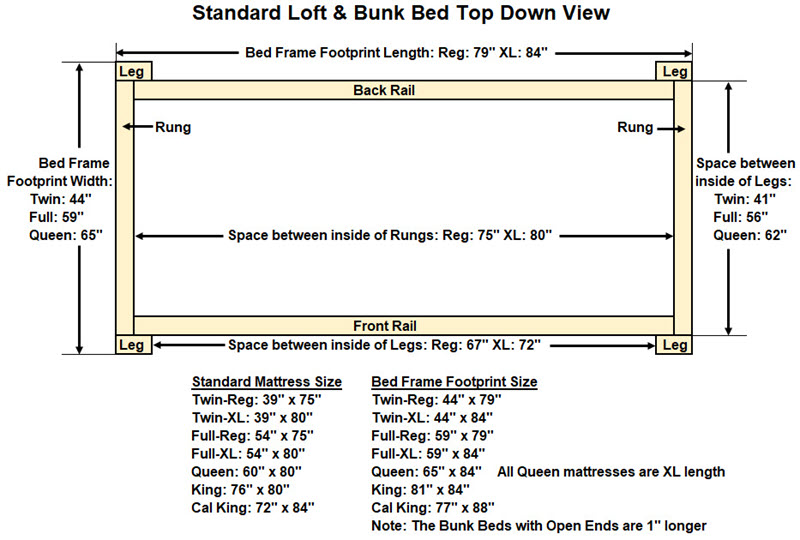
Credit: www.collegebedlofts.com
Ideal Headroom For Bunk Beds
Choosing the right headroom for bunk beds is important for safety and comfort. Too little space can cause bumps and discomfort. Too much space can make the room feel empty or waste space. The ideal headroom balances comfort, safety, and space use.
Minimum Clearance Between Beds
The minimum clearance between the lower and upper bunk should be at least 30 inches. This space helps avoid hitting your head when sitting up on the bottom bunk. Less than 30 inches can feel cramped and unsafe.
Keep in mind, this clearance is measured from the mattress surface to the bottom of the upper bunk frame. Make sure the mattress on the lower bunk is not too thick. Otherwise, the space shrinks.
Recommended Space Above Top Bunk
Above the top bunk, leave at least 33 to 36 inches of headroom. This space prevents bumping your head on the ceiling when sitting up or climbing in bed. Too little space can cause discomfort and accidents.
This clearance depends on your ceiling height. For standard 8-foot ceilings, 36 inches is ideal. Taller ceilings allow more space, which feels more open and comfortable.

Credit: www.mainebunkbeds.com
Factors Affecting Headroom
Headroom is a key factor in bunk bed comfort and safety. It refers to the vertical space between the mattress and the ceiling or the upper bunk. This space affects how easily users can sit up, move, and avoid bumps. Several factors influence the amount of headroom needed. Understanding these factors helps you choose the right bunk bed for your room and users.
Age And Height Of Users
Children need less headroom than adults. Younger kids sit up less and require less vertical space. Taller users need more headroom to sit comfortably. Consider the average height of users before selecting a bunk bed. This ensures enough space for safe and easy movement.
Ceiling Height Variations
Ceiling height differs in every room. Standard ceilings measure about 8 feet high. Rooms with lower ceilings need bunk beds designed for tight spaces. Higher ceilings allow more room for tall bunk beds. Always measure the room height before buying.
Bunk Bed Design Types
Different bunk bed styles offer various headroom amounts. Traditional bunk beds have two stacked beds with limited space. Loft beds raise the top bed higher, creating more headroom below. Some designs include built-in desks or storage, affecting vertical space. Choose a design that fits your space and headroom needs.
Measuring Your Space
Measuring your space is the first step in choosing the right bunk bed. Knowing the exact height and size of your room helps avoid problems later. It also ensures safety and comfort for the person using the bed.
Take your time with measurements. Accurate numbers mean a better fit for your bunk bed and more headroom.
Calculating Room Height
Start by measuring from the floor to the ceiling. Use a tape measure for this task. Note the height in inches or centimeters. This measurement shows how tall your bunk bed can be. Remember to leave extra space above the bed for safety and comfort.
Assessing Floor To Ceiling Distance
Check the distance between the floor and the ceiling in several spots. Ceilings may not be perfectly level. Measure near the walls and in the center of the room. Write down the smallest number you find. This number is the maximum height your bunk bed can have. It helps you plan how much headroom the top bunk needs.
Maximizing Space With Bunk Beds
Bunk beds save floor space by stacking beds vertically. They create more room for other furniture or activities. This is ideal for small bedrooms or shared spaces. Proper headroom is key to comfort and safety. Maximizing space means picking the right bunk bed style and size.
Choosing the right bunk bed can make a room feel larger. The design affects how much space is free above and around the beds. Careful planning helps avoid cramped or awkward sleeping areas. Let’s explore options to maximize space with bunk beds.
Choosing Low Profile Bunk Beds
Low profile bunk beds have a shorter distance between the top and bottom beds. They reduce the total height of the bed unit. This design fits better in rooms with low ceilings. It also makes climbing easier and safer for children. Low profile beds keep a cozy feel without wasting space.
Less headroom is needed with low profile bunk beds. The top bunk sits closer to the bottom bed. This setup works well for rooms under 8 feet tall. It allows more free space above the top bunk. These beds balance space saving and comfort well.
Alternative Bunk Bed Styles
Various bunk bed styles help save space beyond the classic stack. Loft beds lift the top bed higher, freeing space underneath for a desk or storage. This design suits study areas or play zones. It uses vertical space smartly without extra furniture.
Other styles include L-shaped or corner bunk beds. They fit into room corners and open up more floor space. Some bunk beds come with built-in drawers or shelves. These add storage without taking extra room. Choosing the right style depends on room size and needs.
Safety Tips For Bunk Bed Headroom
Safety is very important when setting up bunk beds. Headroom is a key factor to keep users safe. Too little space can cause bumps and injuries. Proper headroom helps prevent accidents and makes the bed comfortable.
Follow these safety tips to ensure enough headroom and avoid common risks.
Preventing Head Injuries
Keep at least 33 inches of space between the top mattress and the ceiling. This space allows enough room to sit up without hitting your head. Use guardrails on all sides of the top bunk. They stop users from rolling out and hitting their heads. Teach children to climb carefully and avoid jumping from the top bunk.
Proper Ladder Placement
Place the ladder where it is easy to reach and climb safely. The ladder should be steady and fixed firmly to the bed frame. Make sure it does not block the headroom space. Check the ladder steps for secure grips to prevent slipping. A well-placed ladder supports safe movement to and from the top bunk.
Customizing Headroom Solutions
Customizing headroom for bunk beds improves safety and comfort. Small changes can make a big difference. Adjusting bed height and adding protective features help fit any room. These solutions ensure enough space above the top bunk for easy movement.
Adjustable Bed Frames
Adjustable bed frames allow you to change the height of the top bunk. This feature helps create more headroom. You can raise or lower the top bed as needed. It suits rooms with low ceilings or different user heights. Adjustable frames also make cleaning and changing sheets easier.
Adding Padding And Guards
Adding padding to the bed’s edges prevents bumps and bruises. Soft guards around the top bunk protect heads during movement. These safety features add comfort without reducing headroom. They are easy to install and remove. Padding also adds a cozy feel to the sleeping area.
Common Mistakes To Avoid
Many people make simple mistakes when planning headroom for bunk beds. These errors cause discomfort and unsafe spaces. Avoiding these common issues helps create a safe, cozy room.
Ignoring Ceiling Height
Ceiling height is a key factor for bunk beds. Too little space above the top bunk can cause bumps or head injuries. Measure your ceiling before buying or building. Aim for at least 33 to 36 inches of space above the top mattress. This allows sitting up and moving safely.
Overcrowding The Space
Fitting too many items in a small room makes bunk beds feel cramped. Avoid placing furniture too close to the bed. Leave enough room for easy movement and access. Crowded spaces increase the risk of accidents and discomfort. Keep the area around bunk beds clear and open for safety.

Credit: www.maxtrixkids.com
Frequently Asked Questions
How Much Headroom Is Safe For Bunk Beds?
A minimum of 33 inches headroom is recommended between the mattress and ceiling. This space prevents bumps and ensures comfort when sitting or climbing.
Why Is Headroom Important In Bunk Beds?
Adequate headroom ensures safety and comfort. It prevents injuries from hitting the ceiling and allows easy movement on the top bunk.
How To Measure Headroom For A Bunk Bed?
Measure from the top mattress surface to the ceiling. Ensure at least 33 inches of clearance for safe use.
Does Headroom Affect Bunk Bed Comfort?
Yes, proper headroom improves comfort by allowing sitting and moving without restriction. It makes the bunk bed more functional and safer.
Conclusion
Choosing the right headroom for a bunk bed keeps safety and comfort in mind. A space of at least 30 inches between beds helps avoid bumps and makes climbing easier. Enough headroom lets air flow and keeps the top bunk cozy.
Always measure carefully before buying or building. Small changes can make a big difference in how the bed feels. This simple step helps create a safe and happy sleeping space for kids. Remember, good headroom means better sleep and less worry.