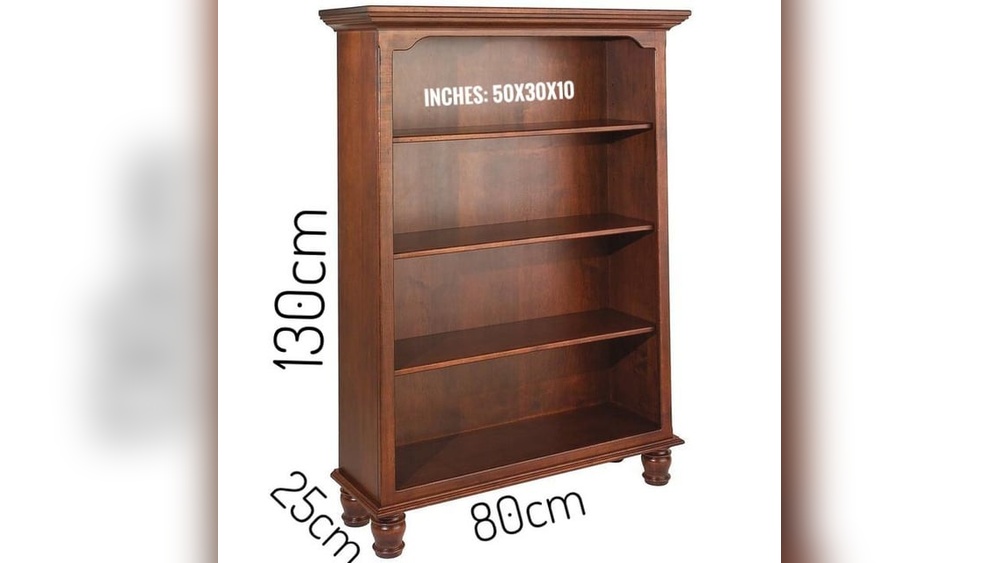
Are you ready to give your bookshelf a fresh new look but unsure how much paint you actually need? You don’t want to buy too little and run out halfway through, or waste money on too much that sits unused.
Getting the right amount of paint can save you time, money, and frustration. You’ll discover simple tips and easy calculations to figure out exactly how much paint will cover your bookshelf perfectly. Keep reading to make your next painting project smooth and stress-free!
Calculating Paint Requirements
Calculating how much paint you need for a bookshelf helps save money and time. It stops you from buying too much or too little paint. You need to know your bookshelf’s size and the paint’s coverage. This section shows simple steps to find the right amount of paint.
Measuring Your Bookshelf
Use a tape measure to find the height, width, and depth of your bookshelf. Write down each number. Measure every side you want to paint. Include shelves, sides, top, and bottom. Measure in feet or inches, but stay consistent. These numbers are the base for your paint calculation.
Surface Area Estimation
Calculate the area of each side by multiplying height by width. For shelves, multiply the length by the width. Add all these areas together. This total is the surface area to paint. Don’t forget to subtract space for open parts or glass if any. This keeps your estimate accurate and realistic.
Considering Paint Coverage
Check the paint can for coverage details. It tells how many square feet one gallon or liter covers. Divide your total surface area by this number. This gives the amount of paint needed for one coat. Double this if you plan two coats. Always buy a little extra for touch-ups and mistakes.
Choosing The Right Paint
Choosing the right paint for your bookshelf is important. The paint affects how your shelf looks and how long it lasts. Picking the correct type, finish, and color makes your project easier and better. Below are some tips to help you make the right choice.
Types Of Paint For Bookshelves
Latex paint is easy to use and cleans up with water. It dries fast and works well on wood. Oil-based paint is stronger and smooth. It takes longer to dry but lasts longer. Chalk paint gives a matte, vintage look. It needs a sealant to protect the surface. Pick paint based on your shelf material and desired look.
Finish Options And Effects
Glossy finishes shine and show details clearly. They are easy to clean but highlight imperfections. Satin finish is soft and smooth. It hides flaws better and cleans well. Matte finish gives a flat, natural look. It feels smooth but can be harder to clean. Choose the finish that fits your style and use.
Color Selection Tips
Light colors make small shelves look bigger. Dark colors add depth and make shelves stand out. Neutral shades match most room styles. Bright colors add fun and energy. Test paint samples on a small area. See how colors look in different light before choosing.
Factors Affecting Paint Quantity
Knowing how much paint you need for a bookshelf depends on several key factors. These affect the total amount of paint required and the final look of your project. Understanding these can help you buy the right amount of paint and avoid waste.
Number Of Coats Needed
The number of coats changes how much paint you use. One coat might not cover the surface well. Two or three coats give better color and protection. More coats mean more paint is needed. Check the paint label for coverage per coat. Plan your project based on how many coats you want.
Surface Texture And Condition
Rough or uneven surfaces need more paint than smooth ones. Old wood with cracks or holes absorbs more paint. Sanded and smooth surfaces use less paint. Make sure to clean and prepare the bookshelf before painting. This helps the paint stick and last longer.
Primer Use And Impact
Primer affects paint quantity too. Applying primer first can reduce the number of paint coats needed. It seals the surface and improves paint adhesion. Using a primer may add one extra step but saves paint in the long run. Always check if your paint requires a primer for best results.
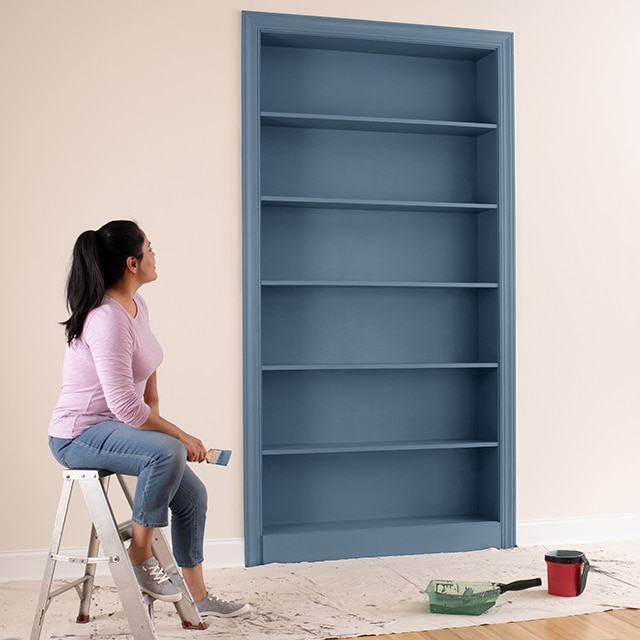
Credit: www.benjaminmoore.com
Tools And Materials Checklist
Gathering the right tools and materials makes painting a bookshelf easier. Having everything ready saves time and avoids frustration. This checklist covers all you need for a smooth painting project.
Essential Painting Supplies
Start with good quality paint. Choose a type made for wood surfaces. Get a paint tray to hold your paint. Use painter’s tape to protect edges and areas you don’t want to paint. Keep a drop cloth or old newspaper to catch drips and spills.
Brushes Vs. Rollers
Brushes give control for corners and small details. Use a small angled brush for edges. Rollers cover flat surfaces faster. Pick a small roller with fine nap for smooth finishes. Some projects work best with a mix of both tools.
Preparation Tools
Sandpaper smooths rough areas and helps paint stick. Use medium grit for sanding the bookshelf. Clean cloths remove dust and dirt before painting. A putty knife fills holes or cracks with wood filler. Gloves protect your hands from paint and chemicals.
Step-by-step Painting Process
Painting a bookshelf can bring new life to old furniture. A clear step-by-step process helps achieve a smooth, lasting finish. Follow these steps to paint your bookshelf like a pro. Each step matters for the best result.
Surface Preparation
Start by cleaning the bookshelf. Remove dust, dirt, and grease with a damp cloth. Sand the surface lightly to create a smooth base. Use fine-grit sandpaper for best results. Wipe away sanding dust with a clean cloth. Cover areas you don’t want painted with tape or paper.
Applying Primer
Primer helps paint stick better and last longer. Choose a primer that matches your paint type. Apply a thin, even coat using a brush or roller. Let the primer dry completely before painting. This step prevents peeling and uneven color.
Painting Techniques
Use a high-quality brush or roller for painting. Apply paint in thin, even layers to avoid drips. Paint in the direction of the wood grain. Let each coat dry before adding the next. Two to three coats usually give full coverage.
Drying And Finishing Touches
Allow the paint to dry fully in a dust-free area. Check for any missed spots or uneven areas. Lightly sand and touch up if needed. Remove painter’s tape carefully after the paint dries. Let the bookshelf cure for a few days before use.
Common Mistakes To Avoid
Painting a bookshelf can be simple. Avoid common mistakes to save time and paint. These errors often cause frustration and waste. Learn what to watch out for to get the best results.
Overestimating Paint Amount
Buying too much paint seems safe. Too much paint can dry out or go to waste. Calculate the shelf’s surface area carefully. Use paint coverage info on the can. This helps buy just the right amount.
Skipping Surface Prep
Painting without prep is a big mistake. Dirt, dust, and old paint stop new paint from sticking. Clean and sand the shelf before painting. This step makes the paint smooth and last longer.
Ignoring Drying Times
Not waiting for paint to dry causes problems. Wet paint can smudge and peel easily. Follow the drying time on the paint label. Patience helps achieve a neat and strong finish.
Saving Paint And Budget Tips
Saving paint and managing your budget wisely can make your bookshelf painting project smooth and cost-effective. Planning well helps avoid waste and extra expenses. Small steps can lead to big savings and a cleaner workspace.
Buying The Right Quantity
Calculate the surface area of your bookshelf first. This helps buy the exact paint amount needed. Avoid purchasing too much paint, which can be costly and wasteful. Choose smaller paint containers if your project is small. This way, you pay only for what you use.
Storing Leftover Paint
Seal paint cans tightly after use. Store them in a cool, dry place. Proper storage keeps paint fresh for future touch-ups. Label containers with the project and date for easy reference. Using leftover paint saves money and reduces waste.
Eco-friendly Practices
Use only the paint you need to reduce waste. Recycle empty paint cans according to local rules. Consider low-VOC or water-based paints for a safer environment. These paints are better for your health and the planet. Eco-friendly choices help protect nature while saving money.
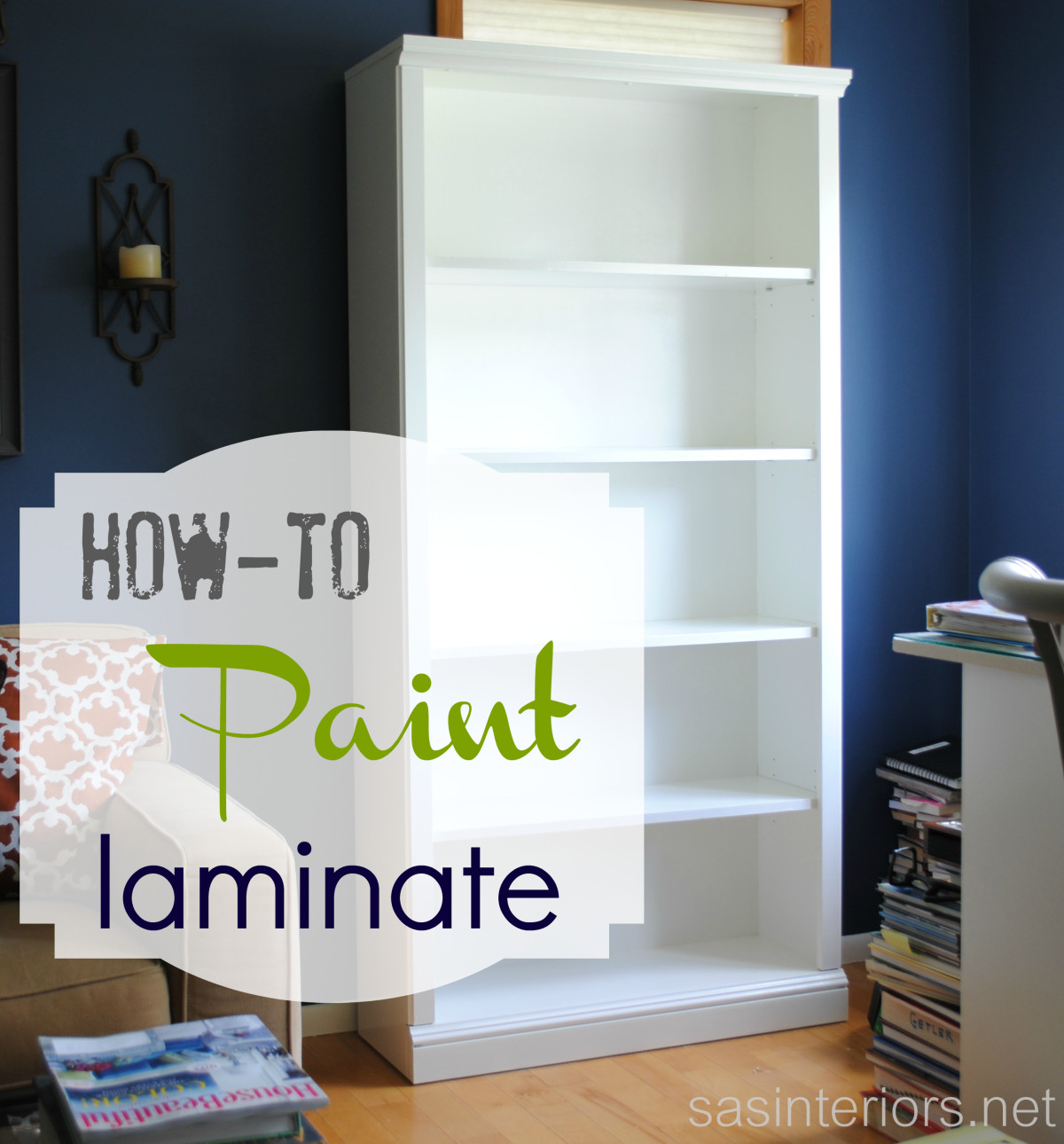
Credit: jennaburger.com

Credit: www.reddit.com
Frequently Asked Questions
How Much Paint Covers A Standard Bookshelf?
A quart of paint typically covers 100 square feet. Measure your bookshelf’s surface area to estimate needed paint. Usually, one quart suffices for a small to medium bookshelf with two coats.
What Type Of Paint Is Best For Bookshelves?
Use a durable, smooth finish like semi-gloss or satin for bookshelves. These finishes resist scuffs and are easy to clean, ideal for furniture surfaces.
Should I Prime The Bookshelf Before Painting?
Priming is recommended, especially on raw wood or dark surfaces. It ensures better paint adhesion and a smoother finish. Use a suitable primer for best results.
How Many Coats Of Paint Are Needed?
Two coats of paint generally provide even coverage and a rich color. Allow the first coat to dry completely before applying the second to avoid streaks.
Conclusion
Estimating paint for a bookshelf is simpler than it seems. Measure your shelf carefully to avoid buying too much or too little paint. Remember to consider the number of coats you plan to apply. Quality paint helps your project last longer and look better.
Taking time to prepare the surface ensures smooth, even paint coverage. A well-painted bookshelf can brighten any room and protect the wood. Now, you can paint your bookshelf with confidence and enjoy the fresh look. Happy painting!
