Furnishing your living room can feel overwhelming, especially when you’re not sure how much to spend. You want a space that’s comfortable, stylish, and fits your lifestyle—but how do you set the right budget without breaking the bank?
In this guide, you’ll discover practical tips and clear cost breakdowns to help you plan your living room furniture budget wisely. Whether you’re aiming for a cozy setup or a full makeover, knowing what to expect will save you time, stress, and money.
Keep reading to find out exactly how much you should budget for living room furniture that feels just right for you.

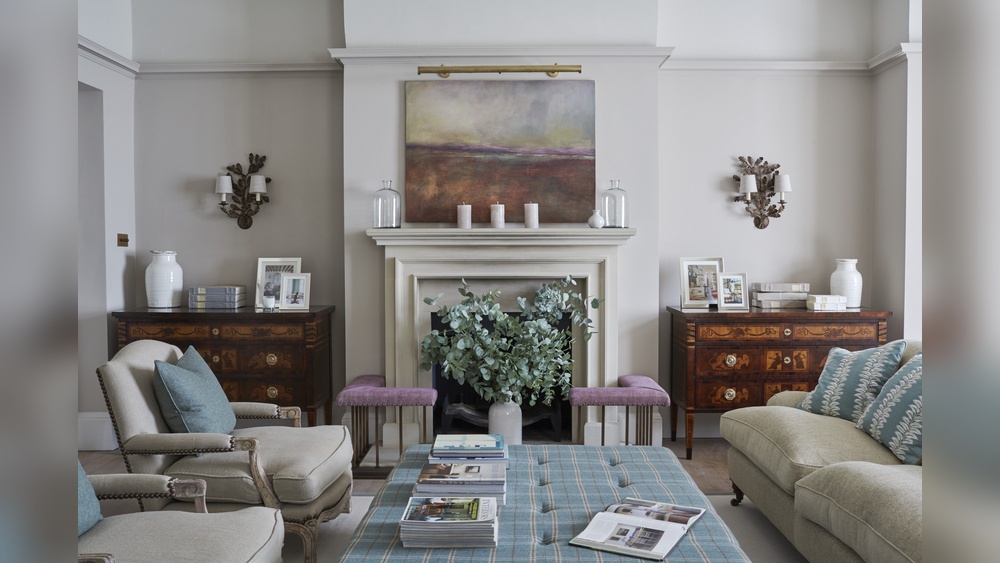
Credit: stylebyemilyhenderson.com
Average Living Room Furniture Costs
Knowing the average cost of living room furniture helps you plan your budget smartly. Prices vary widely based on style, quality, and where you shop. Setting realistic expectations saves time and stress.
Understanding typical price points lets you choose pieces that fit your needs and wallet. This section breaks down common costs so you can make informed decisions.
Price Ranges By Budget Level
Entry-level furniture sets often cost between $500 and $1,500. These include basic sofas, chairs, and coffee tables with simple designs and materials.
Mid-range living room furniture usually runs from $1,500 to $4,000. You get better quality, more style options, and durability at this level.
High-end pieces can cost $4,000 and up. These items feature premium materials, designer brands, and lasting craftsmanship.
Cost Breakdown For Common Items
- Sofa: $300 to $3,000 depending on size and fabric quality.
- Armchair: $150 to $1,000, with leather or special designs costing more.
- Coffee Table: $100 to $800, based on materials like wood or glass.
- TV Stand: $150 to $1,200, varying by style and storage options.
- Bookshelf or Cabinet: $200 to $1,500, depending on size and wood type.

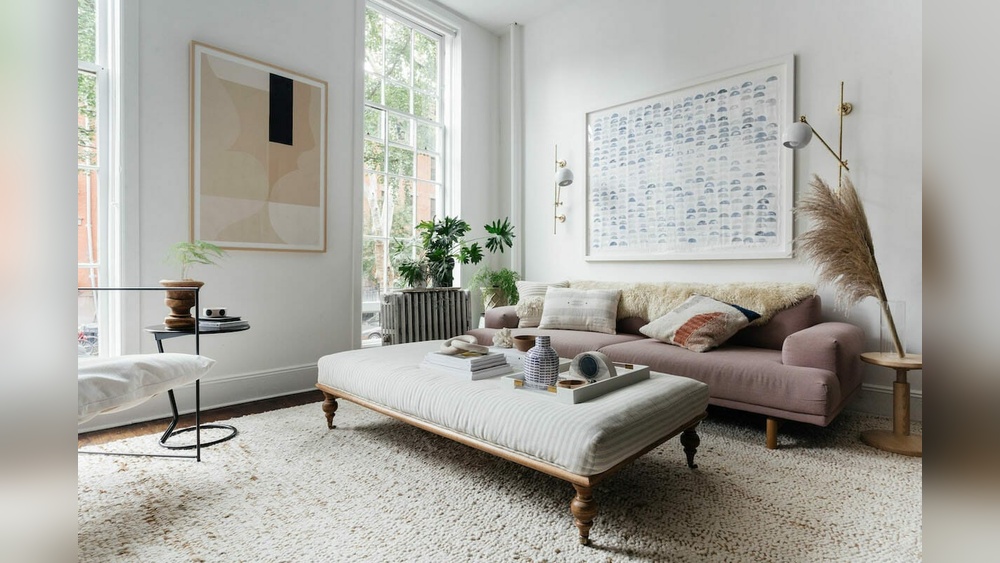
Credit: tribesigns.com
Budgeting Tips For Different Styles
Choosing living room furniture means balancing style and budget. Different styles have different costs. Knowing these helps plan your spending well.
Budgeting for furniture depends on materials, brand, and design. Simple styles often cost less. Luxury pieces can be quite expensive. Here are tips for budgeting by style category.
Budget Options For Basic Furnishing
Basic furniture focuses on function and simplicity. Look for affordable materials like particleboard or laminate. Many stores offer budget-friendly sofas and chairs under $500. Prioritize key pieces like a sofa and coffee table. Mix and match items from discount retailers. This keeps costs low without losing comfort.
Mid-range Furniture Investments
Mid-range furniture balances quality and style. Choose solid wood or metal frames for durability. Sofas and chairs in this range cost between $800 and $2,000. Focus on timeless designs that fit many decors. Add accent pieces like rugs or lamps for a cozy feel. These investments improve comfort and last longer.
High-end And Luxury Choices
Luxury furniture uses premium materials and unique designs. Expect prices starting from $3,000 for sofas or sectionals. Look for handcrafted details and designer brands. These pieces become focal points in your living room. Budget extra for custom options or imported items. High-end furniture blends style with top quality.
Cost Factors Influencing Your Budget
Several cost factors influence your budget for living room furniture. Understanding these factors helps set realistic expectations. It guides smart spending and avoids overspending. Each factor affects the total cost differently.
Considering these details helps tailor your budget to your needs. It also ensures a balanced and comfortable living room setup.
Room Size And Layout Impact
Large rooms require more furniture and bigger pieces. This increases the total cost significantly. Small rooms need compact and fewer items, lowering expenses. Odd layouts may need custom or special furniture. Custom pieces usually cost more than standard ones. Planning the layout helps determine the right furniture size. This avoids buying pieces that do not fit or look crowded.
Material And Brand Considerations
Materials affect durability and price of furniture. Solid wood costs more than particleboard or MDF. Leather sofas often cost more than fabric ones. High-end brands charge for quality and design reputation. Budget-friendly brands offer affordable but less durable options. Choosing materials and brands depends on how long you want furniture to last. Balancing quality and price is key to a good budget.
Additional Decor And Accessories
Decor items add style but increase total costs. Rugs, lamps, cushions, and curtains enhance the room’s look. These accessories can range from low to high prices. Simple accessories keep costs low but may lack impact. Designer or custom decor boosts the room’s appeal but costs more. Including these items in your budget creates a complete and inviting space.
How To Stretch Your Furniture Budget
Stretching your furniture budget helps you create a stylish living room without overspending. Smart planning and wise choices make a big difference. You can get quality pieces and save money at the same time. Follow practical tips to furnish your living room on a budget.
Shopping Strategies And Sales
Watch for sales at furniture stores and online shops. Big discounts often happen during holidays or seasonal clearances. Signing up for newsletters can give early access to deals. Comparing prices at different stores saves money. Look for coupons and promo codes before buying. Buying during sales lets you get better quality for less.
Mixing New And Secondhand Pieces
Combine new furniture with secondhand finds to save cash. Thrift stores, garage sales, and online marketplaces offer great deals. Gently used sofas or tables can look great with a fresh coat of paint or new cushions. Mixing styles adds character and keeps costs down. This approach lets you invest more in key items and spend less on others.
Prioritizing Key Furniture Items
Focus your budget on essential pieces first. The sofa is often the most used item, so invest in comfort and durability. Next, consider a coffee table and storage units. Smaller accessories like lamps and rugs can wait or be cheaper. Prioritizing helps avoid buying unnecessary items early. Spend wisely on pieces that will last and get daily use.
Calculating Your Personal Budget
Calculating your personal budget for living room furniture helps you plan wisely. It ensures you spend within your means. This process lets you balance quality and cost effectively. Understanding your budget avoids overspending and regret later.
Start by knowing what tools and methods can guide your budgeting. Think about the size of your space and your lifestyle. These factors shape the final budget. Let’s explore simple ways to calculate your living room furniture budget.
Using Budget Calculators
Budget calculators make planning easier and more precise. They ask for room size, furniture types, and quality preferences. Then, they estimate a total cost based on your inputs. Many free calculators exist online. Use them to get a quick budget estimate. Adjust numbers to see how changes affect costs. These tools save time and reduce guesswork.
Estimating Costs Per Square Foot
Cost per square foot is a useful rule for budgeting. Measure your living room’s square footage first. Then multiply by an average cost per square foot. This cost varies by furniture style and quality. For example, budget options may cost $20-$30 per square foot. Mid-range choices range from $40-$60 per square foot. Luxury furniture can exceed $100 per square foot. This method gives a clear starting point for your budget.
Adjusting For Lifestyle And Needs
Your lifestyle affects how much to spend on furniture. Families with children might need durable, easy-care pieces. Singles or couples may prefer stylish, delicate items. Consider how often you entertain guests. More seating or storage may be necessary. Also, think about how long you plan to keep the furniture. Longer use justifies higher spending. Tailor your budget to fit your daily life and preferences.
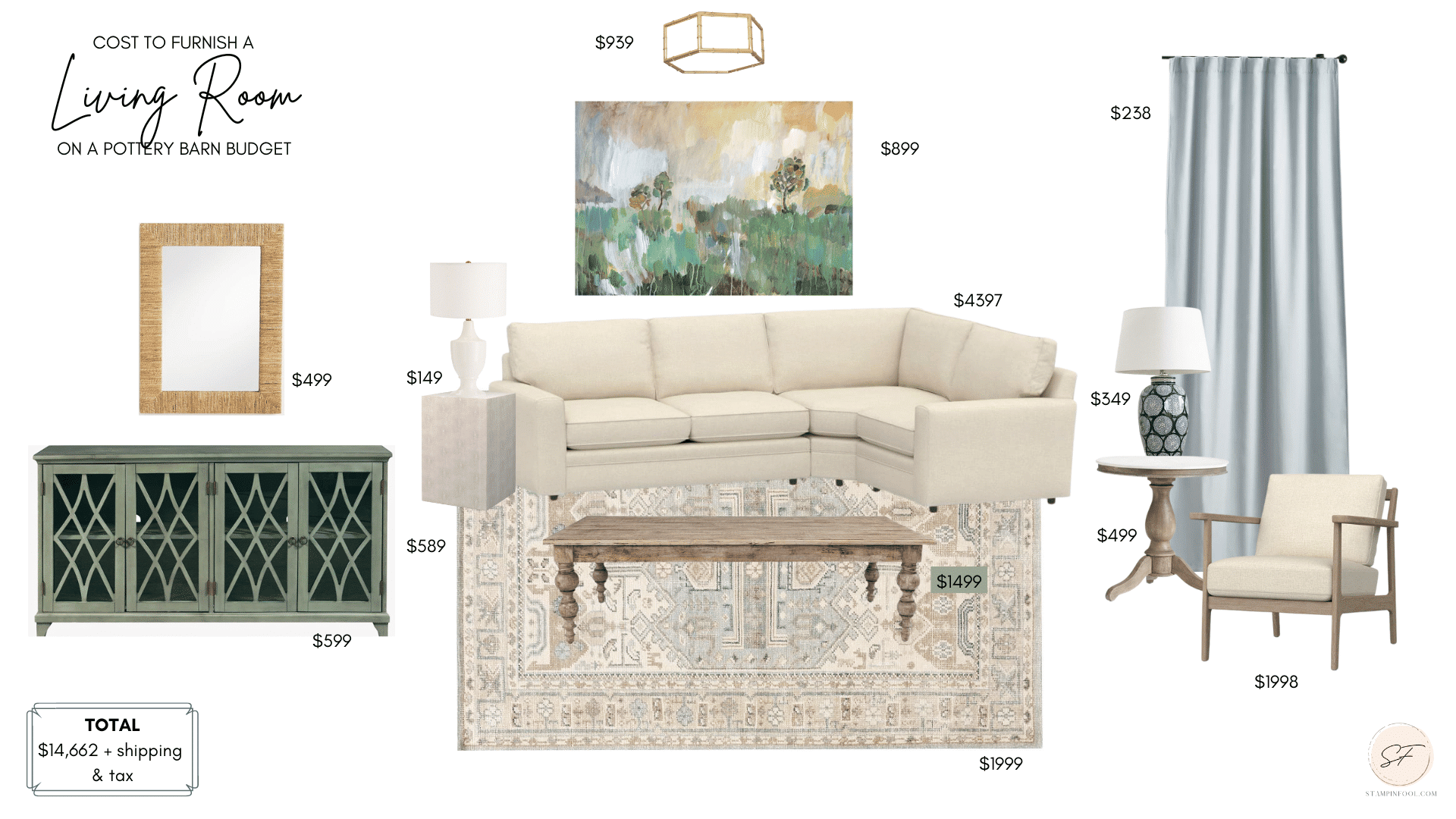
Credit: stampinfool.com
Common Mistakes To Avoid
Setting a budget for living room furniture can be tricky. Many make common mistakes that cause overspending or poor choices. Avoid these errors to stay within budget and get the best value. Here are some pitfalls to watch out for.
Overlooking Delivery And Assembly Fees
Many forget to add delivery and assembly costs to their budget. These fees can add hundreds of dollars. Always ask about these charges before buying. Some stores offer free delivery with a minimum purchase. Assembly costs vary if furniture requires setup. Budget extra money for these services to avoid surprises.
Ignoring Quality For Price
Choosing the cheapest furniture might seem smart. But low-quality items wear out quickly and need replacement. This costs more in the long run. Look for durable materials and good craftsmanship. Investing a bit more now saves money later. Balance price and quality to get furniture that lasts.
Underestimating Decor And Accessories
Furniture is just one part of your living room. Rugs, lamps, pillows, and art add style and comfort. These extras also require a budget. Skipping them makes the room feel empty or incomplete. Plan for these items to create a warm, inviting space. Small decor pieces can fit many budgets.
Frequently Asked Questions
What Is The Average Cost Of Living Room Furniture?
The average cost of living room furniture ranges from $1,000 to $7,000, depending on style and quality. Basic sets cost around $1,000-$2,500. Mid-range options typically fall between $3,000 and $5,000. Luxury furniture can exceed $7,000 or more.
What Is The 2 3 Rule For Furniture?
The 2-3 rule for furniture means placing two to three pieces together to create balanced, functional, and visually appealing arrangements.
What Is A Reasonable Furniture Budget?
A reasonable furniture budget typically ranges from $3,000 to $7,000 for a living room. Prioritize quality over quantity. Adjust based on room size and personal style. Include essentials like sofas, chairs, and tables. Plan extra for decor and accessories.
Is $20,000 Enough To Furnish A House?
Yes, $20,000 can furnish a house comfortably, covering essential rooms with quality furniture and decor. Prioritize needs to maximize your budget.
Conclusion
Setting a clear budget helps you choose furniture wisely. Consider quality, size, and style before buying. Basic pieces cost less, while designer items cost more. Plan for essentials like sofas, chairs, and tables first. Adding decor and accessories can increase the total cost.
Take time to compare prices and look for sales. Remember, your living room should feel comfortable and reflect your taste. Budgeting well avoids overspending and stress later. Start with a plan, then shop smartly to create your perfect space.