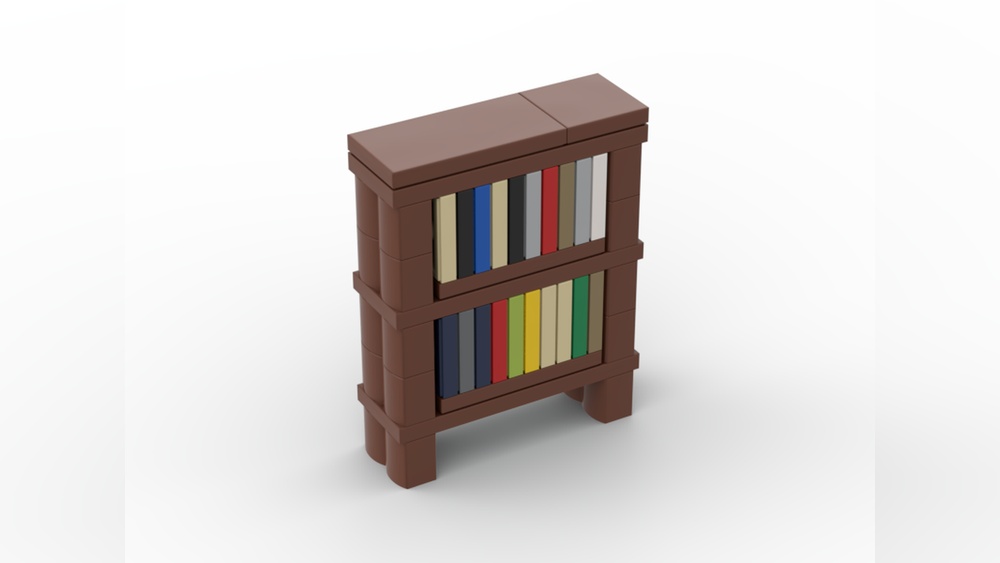
Are you wondering if your PVC bookshelf can handle all those heavy books piling up? You’re not alone.
Knowing how much weight your PVC bookshelf can hold is key to keeping your space safe and organized. If you overload it, you risk damage or even accidents. But don’t worry—this article will help you understand the true strength of your PVC bookshelf.
By the end, you’ll know exactly how to use it without stress or guesswork. Keep reading to protect your books and your home!

Credit: industrial4less.com
Pvc Bookshelf Basics
Understanding the basics of PVC bookshelves helps you know their strength and limits. PVC shelves use a type of plastic that is light yet sturdy. They offer a budget-friendly option for organizing books and small items. Before placing heavy items, it’s important to learn about their material, design, and size.
Material Properties
PVC stands for polyvinyl chloride, a common plastic. It resists water and does not rust. The material is lightweight, making the shelves easy to move. PVC is less strong than wood or metal but works well for light to medium loads. Its durability depends on thickness and quality.
Common Designs
Many PVC bookshelves feature simple, open-frame designs. Some have closed backs or extra supports for stability. Designs vary from single-tier to multiple shelves stacked vertically. Most use interlocking pieces or screws for assembly. The simpler the design, the easier it is to put together.
Typical Dimensions
Standard PVC bookshelves usually stand between 3 to 6 feet tall. Shelf widths range from 12 to 30 inches. Depths tend to be 8 to 12 inches, enough to hold most book sizes. Shelf spacing varies but often measures 10 to 14 inches high. These sizes suit small rooms and light storage needs.

Credit: www.amazon.com
Factors Affecting Load Capacity
The weight a PVC bookshelf can hold depends on many factors. These factors affect how much load the shelves can safely support without bending or breaking. Knowing these details helps you choose or build a stronger bookshelf.
Shelf Thickness
Thicker shelves hold more weight. Thin shelves may bend under heavy items. PVC thickness usually ranges from a few millimeters to over a centimeter. Thicker PVC offers better strength and durability. Choose thicker shelves for heavier books or objects.
Support Structure
The frame and supports play a big role in load capacity. A strong support frame keeps shelves stable. Some shelves have metal brackets or extra beams underneath. These supports reduce stress on the PVC material. More supports mean the shelf can carry heavier loads without sagging.
Weight Distribution
How weight spreads on the shelf matters. Evenly placed items reduce pressure on one spot. Concentrated weight can cause bending or cracks. Arrange books and objects evenly across the shelf. Avoid stacking heavy items only in the middle or edges.
Average Weight Limits
Understanding the average weight limits of PVC bookshelves helps you choose the right one. Weight capacity depends on the shelf type and build quality. This guide breaks down the weight limits for light, medium, and heavy-duty shelves.
Light-duty Shelves
Light-duty PVC shelves hold around 10 to 20 pounds per shelf. These shelves are best for small books and light items. They work well in bedrooms or small offices.
Medium-duty Shelves
Medium-duty shelves support about 20 to 40 pounds per shelf. They are stronger and can carry more books or decor. These shelves suit living rooms or study areas.
Heavy-duty Shelves
Heavy-duty PVC shelves hold 40 pounds or more per shelf. They are made with thicker material and extra support. These shelves fit well in garages or libraries.
Testing Load Capacity
Testing the load capacity of a PVC bookshelf helps understand how much weight it can hold safely. This step is crucial to avoid damage or accidents. It involves both simple home tests and professional methods. Knowing the safety limits keeps your books and items secure.
Diy Weight Tests
Start with small weights like books or canned goods. Place them evenly on the shelf. Increase weight slowly and watch for bending or cracking. Stop if you see any damage. This method helps estimate the shelf’s strength without special tools.
Professional Standards
Experts use specific tools to measure load capacity. They apply pressure gradually until the shelf shows stress signs. Standards vary by material and design. PVC shelves usually follow industry rules for home furniture. These tests give a clear, reliable weight limit.
Safety Margins
Always keep a safety margin below the tested weight. This means using less weight than the shelf’s maximum capacity. It protects the shelf from wear and unexpected damage. A good rule is to use only 70-80% of the tested limit. Safety margins extend the life of your bookshelf.
Tips To Increase Load Capacity
Increasing the weight a PVC bookshelf can hold is simple with the right steps. Strengthening the shelves and proper setup help a lot. Extra support also makes a big difference. These tips help your bookshelf carry more without damage.
Reinforcing Shelves
Use wood or metal strips under each shelf. These strips add strength and stop bending. Attach them firmly with screws or strong glue. Choose strips that match the shelf length for best support.
Proper Installation
Place the bookshelf on a flat, stable surface. Make sure all legs touch the floor evenly. Tighten all screws and joints to avoid wobbling. Check the shelf often to keep it steady.
Using Support Brackets
Add metal brackets under heavy shelves. Fix brackets to the wall for extra stability. Space brackets evenly to spread the load. These brackets help prevent sagging and keep shelves safe.
Common Mistakes To Avoid
Understanding the common mistakes when using a PVC bookshelf helps protect its strength. Avoiding these errors keeps your shelf stable and lasting longer. Here are key mistakes to watch for.
Overloading
Putting too many heavy items on a PVC bookshelf is a big mistake. Every shelf has a weight limit that should not be crossed. Overloading causes bending, warping, or even breaking of the shelf. Always check the weight capacity before placing your books or items.
Uneven Weight Placement
Placing all heavy objects on one side weakens the shelf structure. The weight should be spread out evenly across the shelves. Uneven weight makes the shelf tilt or lean, risking damage. Balance heavy and light items to keep the shelf steady and safe.
Ignoring Material Limits
PVC is strong but has limits in weight and size. Using the shelf for very heavy or sharp objects can cause cracks. Do not treat PVC shelves like wood or metal shelves. Respect the material’s strength and avoid pushing it beyond its limits for longer use.
Alternatives For Heavy Loads
PVC bookshelves work well for light to medium loads. They are affordable and easy to assemble. But they might not hold very heavy books or items. For heavier loads, other materials provide better strength and durability. Here are some good alternatives to consider.
Metal Bookshelves
Metal bookshelves offer strong support for heavy items. They resist bending and breaking under weight. Steel and iron are common metals used for shelves. These shelves last long and require little maintenance. Metal shelves often have adjustable heights for flexibility.
Wooden Shelves
Wooden shelves provide solid support and a classic look. Hardwoods like oak or maple hold heavy loads well. Wood can be thicker and sturdier than PVC. These shelves can carry large collections of books without sagging. They also add warmth to any room.
Hybrid Designs
Hybrid shelves combine materials for strength and style. For example, metal frames with wooden shelves offer durability and beauty. These designs can support heavier loads than PVC alone. They also provide more design options for your space. Hybrid shelves balance function and appearance perfectly.
Maintenance For Longevity
Maintaining a PVC bookshelf helps it hold weight longer and stay sturdy. Small care steps keep shelves strong and safe. Regular upkeep stops damage and extends the shelf’s life.
Regular Inspections
Check your PVC bookshelf often for cracks or bends. Look under shelves and at corners. Early spotting of problems prevents bigger damage. Tighten loose screws or fittings to keep shelves steady. A quick look every month works well.
Cleaning Tips
Use a soft cloth to clean dust from the shelves. Mild soap and water remove dirt without harm. Avoid harsh chemicals that can weaken PVC material. Dry shelves fully after cleaning to stop moisture damage. Clean shelves keep the material strong and fresh.
Repairing Damage
Small cracks can be fixed with PVC glue. Follow glue instructions carefully for best results. Replace any broken parts to keep the shelf safe. Fixing damage early avoids weight problems later. A well-repaired shelf holds items better and lasts longer.

Credit: www.amazon.de
Frequently Asked Questions
How Much Weight Can A Pvc Bookshelf Hold Safely?
A PVC bookshelf can typically hold between 20 to 50 pounds per shelf. Weight capacity depends on PVC thickness, shelf design, and support structure.
Does Shelf Size Affect A Pvc Bookshelf’s Weight Limit?
Yes, larger shelves without proper support can sag or break. Smaller shelves generally hold more weight safely due to better load distribution.
Can Pvc Bookshelves Support Heavy Books Or Decor Items?
PVC bookshelves support light to moderate weight items well. Heavy books or decor may require reinforced shelves or alternative materials for safety.
How To Increase The Weight Capacity Of A Pvc Bookshelf?
Use thicker PVC pipes, add more vertical supports, or reinforce shelves with wood or metal brackets. Proper assembly improves strength significantly.
Conclusion
A PVC bookshelf holds a good amount of weight but has limits. Most shelves support around 20 to 40 pounds per shelf. Avoid placing very heavy items to keep it sturdy and safe. Regularly check for any bending or cracks.
Using PVC shelves for light books and decor works best. Choose the right size and type for your needs. This way, your bookshelf stays strong and lasts longer. Simple care helps keep your space organized and neat.