
Are you wondering how much weight your RV bunk bed can safely hold? Whether you’re planning a family trip or hosting guests, knowing the weight limit is essential for your safety and comfort.
You don’t want to risk damage to your RV or worry about the bunk bed collapsing. You’ll discover the key factors that determine weight capacity and tips to keep your RV bunk beds secure. Keep reading to make sure your next adventure is both fun and safe!

Credit: www.justbunkbeds.com
Rv Bunk Bed Weight Limits
RV bunk beds provide extra sleeping space in a small area. Knowing the weight limits is important for safety. Exceeding these limits can cause damage or accidents. Understanding the weight capacity helps choose the right bunk bed for your RV.
Typical Weight Capacities
Most RV bunk beds support between 200 and 300 pounds. Some models hold up to 400 pounds. Weight capacity depends on the bed design and materials. Manufacturers usually list this information in the product details. Check the limits before using the bunk bed.
Factors Influencing Weight Limits
Frame material plays a big role in weight capacity. Metal frames often hold more weight than wood frames. The thickness and quality of the mattress also matter. How the bed is attached to the RV affects stability. Proper installation increases the bed’s strength. Age and wear can reduce the weight limit over time.
Materials And Construction
The materials and construction of an RV bunk bed play a big role in how much weight it can hold. Strong materials and smart designs keep the bed safe and sturdy. Choosing the right materials helps the bed support more weight. Good construction also makes the bunk bed last longer and stay stable during travel.
Common Frame Materials
RV bunk beds often use wood, metal, or a mix of both. Wood frames are popular because they feel warm and look nice. Pine and plywood are common woods used. Metal frames, like steel or aluminum, are strong and light. Some bunk beds combine wood and metal for better balance.
Impact On Strength And Durability
Metal frames usually hold more weight than wood. Steel frames are very tough and resist bending. Aluminum is lighter but still strong. Wood frames can be strong if made from good quality wood. Thick wood and solid joints improve durability. Well-built frames stop wobbling and keep sleepers safe. Quality materials and tight construction increase weight capacity.
Bed Size And Design
RV bunk beds vary in size and design, impacting how much weight they can hold. Understanding these factors helps choose the right bunk bed for your needs. Size and structure both affect comfort and safety.
Standard Rv Bunk Bed Dimensions
Most RV bunk beds are smaller than regular beds. Typical lengths range from 72 to 75 inches. Widths usually measure between 28 and 34 inches. These sizes fit well in tight spaces.
Smaller beds can support less weight than full-sized beds. The frame and mattress size limit the total weight capacity. Manufacturers design these beds for children or lighter adults.
Space Optimization And Safety
Space inside RVs is limited. Bunk beds maximize sleeping spots without using much floor space. The design must balance space efficiency and strength.
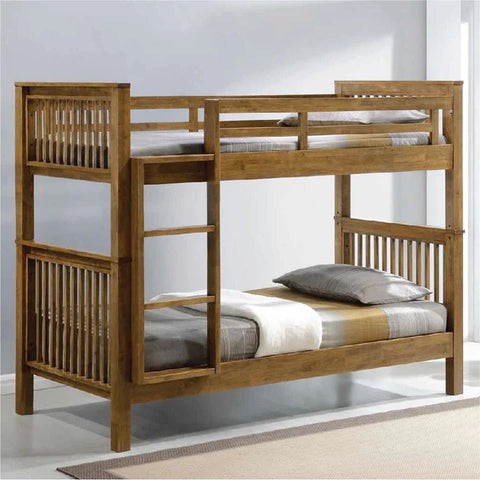
Strong materials like metal or reinforced wood improve weight support. Safety rails and secure ladders prevent accidents. Proper design ensures stability while in motion or at rest.
Credit: picketandrail.com
Safety Features To Consider
Safety is important when using an RV bunk bed. These beds are smaller and lighter than regular beds. They need special features to keep sleepers safe. Knowing which safety features to check helps prevent accidents. It also makes the bunk bed stronger and more reliable.
Many RV bunk beds have unique designs. These designs include extra supports and safety parts. These parts keep the bed steady and stop falls. Good safety features can hold more weight and last longer.
Guardrails And Supports
Guardrails are key safety parts for bunk beds. They stop sleepers from rolling out. Look for high, sturdy guardrails on all sides of the bed. The rails should be firmly attached to the frame.
Supports under the bed add strength. Metal or thick wooden slats work well. They help spread the weight evenly. This lowers the risk of bending or breaking.
Weight Distribution Tips
Spread weight evenly on the bunk bed. Avoid putting heavy items on just one side. This keeps the bed balanced and steady. Tell kids to lie flat and not lean on the rails.
Heavier sleepers should use the bottom bunk. This lowers the bed’s center of gravity. It reduces the chance of tipping or collapsing. Proper weight distribution helps keep everyone safe.
Upgrading Rv Bunk Beds
Upgrading RV bunk beds improves safety and comfort. Many stock bunk beds hold less weight than people expect. Reinforcing these beds helps prevent accidents. Choosing the right mattress supports better sleep and durability. Simple upgrades make a big difference on the road.
Reinforcement Options
Adding extra support beams strengthens bunk beds. Metal brackets or wooden slats work well. Secure all joints tightly with screws, not nails. Install a center support leg for heavy loads. Check weight limits before and after upgrades. Reinforcement keeps beds from bending or breaking.
Choosing Heavy-duty Mattresses
Select mattresses designed for RV use or heavy weight. High-density foam offers firm support and lasts longer. Avoid thin or soft mattresses that sag easily. Measure bunk dimensions to find the right size. A good mattress improves comfort and weight distribution. This reduces stress on bunk frames during sleep.

Credit: www.justbunkbeds.com
Common Issues With Overloading
Overloading an RV bunk bed can cause several problems. These beds have weight limits for safety and durability. Exceeding these limits puts stress on the frame and mattress. This can lead to damage that affects the bed’s use and safety.
Understanding common issues with overloading helps protect your RV bunk bed. It ensures the bed lasts longer and keeps users safe. Watching for early signs of damage is important. Taking steps to prevent overloading saves time and money.
Signs Of Structural Stress
Look for cracks in the wood or metal frame. Loose screws and bolts are warning signs. A sagging mattress or uneven surface shows strain. Creaking noises during use suggest stress. These signs mean the bed may not hold weight safely.
Preventing Damage
Check the weight limit before use. Spread weight evenly across the bed. Avoid jumping or sudden pressure on the bunk. Tighten screws and bolts regularly. Use a mattress that fits well and supports weight. These actions help keep the bed strong and safe.
Manufacturer Guidelines And Warranties
Manufacturer guidelines and warranties play a key role in understanding the weight limits of an RV bunk bed. These guidelines ensure safety and help you avoid damage. Following them protects your investment and keeps your travel comfortable.
Reading Product Specifications
Product specifications list the maximum weight each bunk bed can hold. These details include the frame material and mattress type. Always check these numbers before use. They tell you the safe limit for one or more sleepers. Never guess or assume the strength of the bed.
Specifications also mention the size and design features. These affect how much weight the bed can support. A well-built frame holds more weight. Thin or flexible frames have lower limits. Clear specifications help you pick the right bunk bed for your needs.
Warranty Coverage Details
Warranties cover defects in material and workmanship. They often include weight-related issues. Read the warranty to know what is protected. This helps in case the bed breaks under normal use.
Most warranties do not cover damage from exceeding weight limits. Following the guidelines keeps your warranty valid. Check how long the warranty lasts and what parts it covers. Good warranties offer peace of mind and protect your purchase over time.
Real-life Weight Capacity Examples
Understanding the real-life weight capacity of RV bunk beds helps in making safe choices. Each RV model has different designs and materials, affecting how much weight the bunk can hold. User experiences also provide practical insights beyond manufacturer specs. These examples give a clearer picture of what to expect from various RV bunk beds.
Popular Rv Models
Many popular RV models feature bunk beds with weight limits around 200 to 300 pounds. For instance, the Forest River Rockwood bunk beds usually hold up to 250 pounds. Jayco White Hawk models often support about 225 pounds per bunk. These capacities fit most kids and lightweight adults safely. Larger, heavier-duty RVs like some Keystone Montana models may offer stronger bunks, holding up to 300 pounds.
User Experiences
Users often share real stories about their bunk bed use. Many report that the bunk beds comfortably hold two children or one adult. Some users say the beds feel sturdy for light adults but advise caution with heavier weights. A few mention adding extra support to increase strength. User feedback highlights the importance of checking the bunk’s frame and mattress quality for safety.
Frequently Asked Questions
How Much Weight Can A Typical Rv Bunk Bed Hold?
Most RV bunk beds support between 150 to 300 pounds. Weight limits vary by manufacturer and bed design. Always check your RV manual for exact capacity to ensure safety and avoid damage.
What Factors Affect Rv Bunk Bed Weight Capacity?
The weight capacity depends on materials, frame strength, and mounting quality. Metal frames usually hold more weight than wood. Proper installation also ensures maximum support and durability.
Can Rv Bunk Beds Hold Two Children Safely?
Yes, many RV bunk beds support two children if combined weight stays within limits. Always confirm weight capacity and distribute weight evenly to avoid accidents.
How To Increase The Weight Capacity Of Rv Bunk Beds?
Reinforce the frame with metal brackets or additional supports. Use stronger mounting hardware and secure the bed firmly to walls. Consult a professional if unsure about modifications.
Conclusion
RV bunk beds usually hold between 200 and 400 pounds. Always check the bed’s label for exact weight limits. Keep weight balanced to avoid damage or accidents. Use the bunk bed only as designed. Regularly inspect the bed for wear or loose parts.
Knowing these tips helps keep your RV safe. Enjoy your travels with peace of mind. Safety first, comfort always.