Have you ever noticed how some bookshelf speakers sound clearer and more vibrant than others? The secret often lies in something called sound absorption.
Understanding how much sound absorption is inside your bookshelf speaker can completely change your listening experience. You’ll discover why sound absorption matters, how it works, and how it affects the quality of your music or movies. By the end, you’ll know exactly what to look for to make your speakers sound their best.
Ready to unlock the full potential of your bookshelf speakers? Let’s dive in.

Credit: listenup.com
Basics Of Sound Absorption
Understanding the basics of sound absorption is key to improving bookshelf speaker performance. Sound absorption reduces echo and unwanted noise. It helps create clearer and richer audio. This section explains the core ideas behind sound absorption.
Sound Absorption Defined
Sound absorption means capturing sound waves to stop them from bouncing back. Materials absorb sound by converting sound energy into heat. This reduces sound reflections in a room or speaker enclosure. Less echo means better sound clarity and detail.
Materials That Absorb Sound
Soft, porous materials absorb sound best. Foam, fiberglass, and fabric are common absorbers. These materials trap sound waves inside tiny holes. The trapped waves lose energy, lowering noise levels. Hard surfaces reflect sound and do not absorb well.
Factors Affecting Absorption Efficiency
Thickness and density of materials affect sound absorption. Thicker and denser materials absorb more sound. The frequency of sound waves also matters. Low frequencies need thicker absorbers. Placement inside the speaker or room changes absorption too.
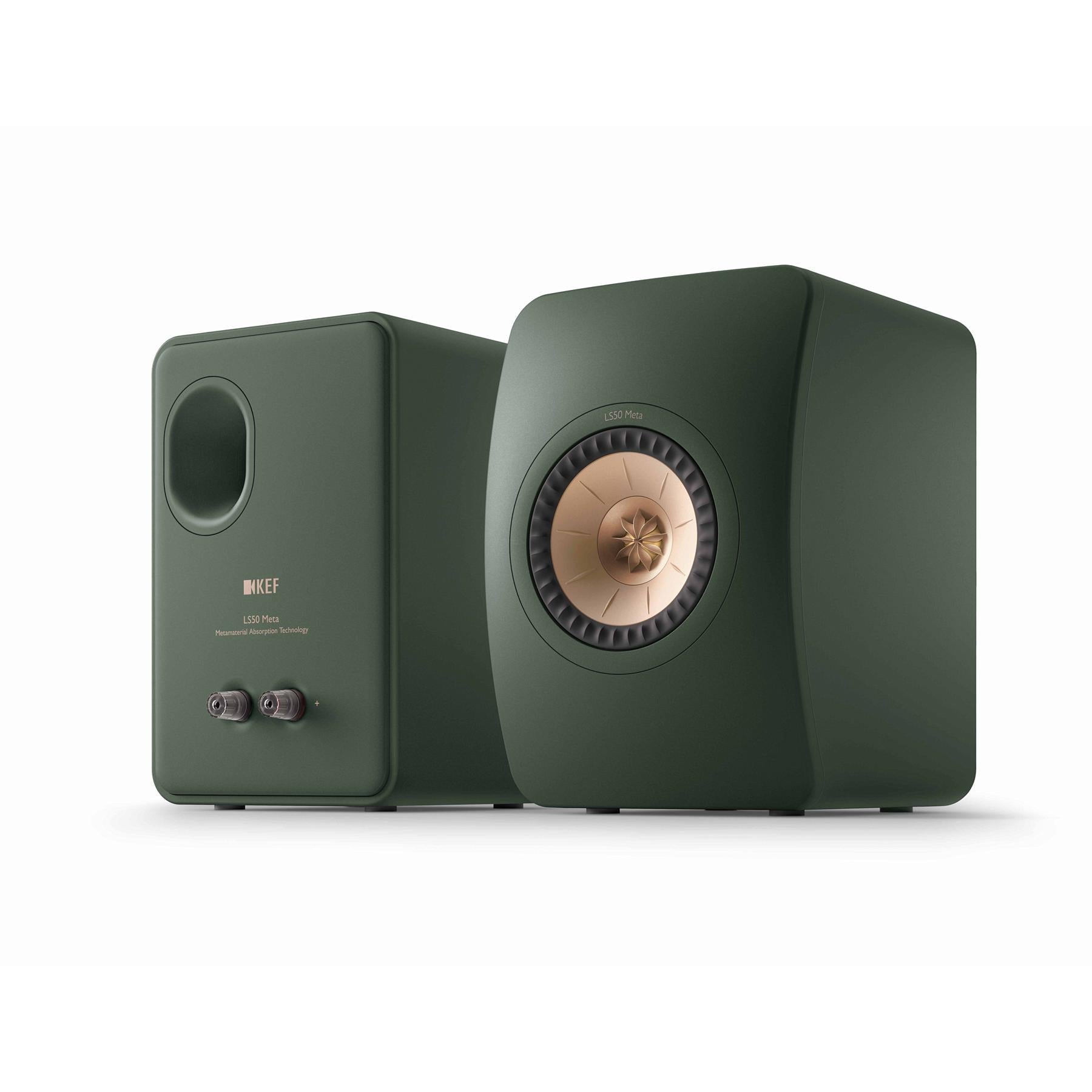
Credit: listenup.com
Bookshelf Speaker Design
Bookshelf speaker design plays a key role in sound quality. It affects how sound waves travel and how much sound is absorbed inside the speaker. Good design balances size, materials, and shape. This balance shapes clear, rich audio in small spaces.
Sound absorption inside a bookshelf speaker controls echoes and reduces distortion. Designers think carefully about materials and internal layout. They also consider the speaker’s place in a room. All these factors combine to improve listening.
Common Materials Used
Wood is popular for bookshelf speaker cabinets. It absorbs sound well and adds warmth. MDF, a type of engineered wood, is also common. It is dense and stops unwanted vibrations. Some speakers use foam or fabric inside. These materials soak up sound reflections. They keep audio clean and smooth.
Internal Structure And Its Role
The inside of a bookshelf speaker has chambers and padding. These parts control how sound bounces inside. Foam or fiberfill softens echoes. Bracing strengthens the cabinet and limits vibration. The shape of the inside space guides sound waves. This design helps produce clear, natural tones.
Speaker Placement And Acoustics
Placement affects sound absorption outside the speaker too. Near walls or corners, bass may be louder or boomy. Leaving space around the speaker helps sound breathe. Positioning at ear level improves clarity. Soft surfaces nearby, like curtains, absorb extra sound reflections. This lowers echo and makes listening better.
Measuring Sound Absorption In Speakers
Measuring sound absorption in bookshelf speakers helps to understand how much sound the speaker material can absorb. This affects sound quality, clarity, and room acoustics. Accurate measurement guides better speaker design and placement.
Techniques And Tools
Sound absorption is measured using special devices and methods. An impedance tube measures absorption at different frequencies. A reverberation room test checks how much sound the material absorbs in a controlled space. Microphones capture sound levels before and after hitting the speaker material. These tools give data on how well the speaker absorbs sound waves.
Interpreting Absorption Ratings
Absorption ratings show how much sound energy is absorbed. Ratings range from 0 (no absorption) to 1 (total absorption). A higher rating means the speaker absorbs more sound and reduces echoes. Absorption varies by frequency, so ratings differ for bass, mid, and treble sounds. Understanding these ratings helps to pick the right speaker for your room.
Challenges In Measurement
Measuring sound absorption is not always simple. Room size and shape affect results. Background noise can interfere with tests. Speaker materials absorb sound differently at various frequencies, making measurement complex. Consistent testing conditions are needed for accurate results. These challenges require careful setup and analysis to get reliable data.

Credit: www.lydspecialisten.com
Impact Of Sound Absorption On Audio Quality
Sound absorption plays a key role in the audio quality of bookshelf speakers. It controls how sound waves behave inside the speaker and in the room. Proper absorption reduces unwanted noise and improves listening experience. It helps produce clear sound with balanced tones. This section explains how sound absorption affects distortion, clarity, bass, and overall balance.
Reducing Distortion And Echo
Sound absorption lowers distortion by minimizing sound reflections. Echoes cause overlapping sounds that confuse the ears. Absorbing materials stop these echoes from bouncing inside the speaker or room. This leads to cleaner audio output. Listeners hear details without muddled sounds. Reduced distortion makes music and speech sharper and easier to understand.
Enhancing Clarity And Bass Response
Absorption improves clarity by removing excess noise. Clear sound means each instrument and voice stands out. It also helps bass tones stay tight and full. Without proper absorption, bass can sound boomy or muddy. The right materials absorb mid and high frequencies, allowing bass to shine. This balance creates a rich, natural sound experience.
Balancing Absorption And Reflection
Too much absorption can deaden sound and reduce liveliness. Reflection is also important to keep music vibrant. A good speaker design balances absorption and reflection. This ensures sound is clear but still feels natural. The goal is a pleasant and accurate sound stage. Proper balance keeps audio engaging without harsh echoes or dullness.
Improving Sound Absorption In Bookshelf Speakers
Improving sound absorption in bookshelf speakers helps create clearer, richer audio. Sound absorption reduces unwanted echoes and vibrations inside the speaker cabinet. This leads to better sound quality and more enjoyable listening. Small changes can make a big difference.
Adding Acoustic Foam Or Panels
Acoustic foam or panels help absorb sound waves inside the speaker. They reduce internal reflections that cause sound distortion. Place foam on the inside walls or back panel of the speaker cabinet. Use materials designed for sound absorption, like open-cell foam. This simple step improves clarity and reduces harsh sounds.
Using Dampening Materials Inside The Cabinet
Adding dampening materials softens vibrations inside the speaker cabinet. Materials like fiberglass, polyester batting, or cotton can work well. Spread these materials evenly inside the cabinet walls. They reduce resonance and prevent sound waves from bouncing around. This helps produce cleaner, more natural sound from your speakers.
Optimal Speaker Positioning
Where you place your bookshelf speakers affects sound absorption too. Avoid placing speakers directly against walls or corners. Keep some space between the speaker and nearby surfaces. Position speakers at ear level for the best sound experience. Proper placement reduces sound reflections and improves absorption naturally.
Comparing Different Speaker Models
Comparing different bookshelf speaker models helps find the best sound absorption. Each speaker brand uses unique methods to reduce unwanted sound reflections. Some focus on materials, while others change design shapes. Understanding these differences can guide you to better sound quality.
Absorption Features In Popular Brands
Popular brands use various materials to absorb sound inside speakers. Foam and fiberglass are common for reducing echoes. Some brands add special fabric layers to improve absorption. The type and thickness of materials change how much sound is absorbed. This affects clarity and bass response.
Design Innovations For Better Absorption
Speaker designs often include angled surfaces to scatter sound waves. Curved edges reduce standing waves inside the box. Some models use internal chambers to trap sound vibrations. These design choices lower distortion and improve overall sound. Small changes in shape can make a big difference.
Price Vs. Absorption Performance
Higher-priced speakers usually have better materials and design. They absorb sound more effectively inside the cabinet. Budget models may use simpler absorption methods. This can cause more unwanted resonance and less clear sound. Spending more can lead to better sound absorption, but not always.
Common Myths About Sound Absorption
Many people believe they know how sound absorption works in bookshelf speakers. Some ideas are not true and can cause mistakes. Understanding common myths helps create better sound systems. Here are some common myths that need clearing up.
Does Bigger Always Mean Better?
Many think bigger speakers absorb sound better. Size alone does not control sound absorption. The design and materials matter more than size. A large speaker with poor materials may perform worse. Small speakers with good absorption materials can work well. So, size is not the only factor to trust.
Is More Material Always Beneficial?
Some believe adding more sound-absorbing material always helps. Too much material can trap sound inside and reduce quality. The type and placement of material are more important. Proper balance gives better sound clarity. Overloading a speaker with material can harm sound performance.
Sound Absorption Vs. Soundproofing
People often confuse sound absorption with soundproofing. Absorption reduces echo and reflections inside the room. Soundproofing stops sound from leaving or entering a space. Bookshelf speakers mainly use absorption, not soundproofing. Knowing the difference helps improve sound setup.
Frequently Asked Questions
How Much Sound Absorption Do Bookshelf Speakers Provide?
Bookshelf speakers offer moderate sound absorption by design. Their compact size limits absorption but helps reduce reflections in small rooms. Proper placement and room treatment can improve overall sound quality.
Does Speaker Material Affect Sound Absorption In Bookshelves?
Yes, materials like wood and MDF impact sound absorption. Denser materials reduce vibrations and unwanted resonance, improving clarity. Acoustic panels inside the cabinet can enhance absorption further.
Can Sound Absorption Improve Bookshelf Speaker Performance?
Effective sound absorption minimizes echo and reverberation, enhancing clarity and detail. Adding absorption materials near speakers can reduce distortion and improve listening experience. It’s key for optimal sound quality.
How To Increase Sound Absorption Around Bookshelf Speakers?
Use acoustic foam panels or bass traps near speakers and walls. Soft furnishings also help absorb sound reflections. Proper room treatment balances absorption and diffusion for better audio performance.
Conclusion
Bookshelf speakers perform better with proper sound absorption inside. Adding soft materials reduces unwanted echoes and improves clarity. This simple step helps your music sound cleaner and fuller. Experiment with different absorption levels to find the best balance. Small changes inside the speaker can make a big difference.
Enjoy richer sound without expensive upgrades or complex setups. Sound absorption matters more than many realize for great audio. Try it yourself and hear the improvement clearly.