Are you ready to help your little one take a big step from a crib to a toddler bed? Making a toddler bed yourself can be a rewarding and cost-effective way to create a cozy, safe space for your child.
Imagine the pride you’ll feel knowing you built a special bed just for your toddler. You’ll discover simple, clear steps to make a toddler bed that fits your needs and style. Whether you’re a beginner or handy with tools, you’ll find tips that make the process easier and even fun.
Keep reading to turn your idea into a real, comfortable bed your child will love!

Credit: kytebaby.com
Choosing The Right Materials
Choosing the right materials is important for making a safe and sturdy toddler bed. The materials affect the bed’s strength, look, and safety. Picking good materials helps the bed last long and keeps your child safe. This section covers the best wood types and the tools you will need.
Selecting Safe Wood Types
Choose wood that is strong and free of harmful chemicals. Pine and oak are great choices because they are strong and easy to work with. Avoid wood with sharp splinters or knots that can break easily. Look for wood labeled as non-toxic or safe for children. Smooth wood helps prevent splinters and injuries. Sand the wood well before building the bed.
Gathering Tools And Supplies
Gather all tools before starting your project. You will need a saw, drill, screwdriver, measuring tape, and sandpaper. Use child-safe wood glue and non-toxic paint or finish. Safety gear like gloves and goggles protects you during work. Having all supplies ready saves time and makes building easier. Check tools for good condition to avoid problems.
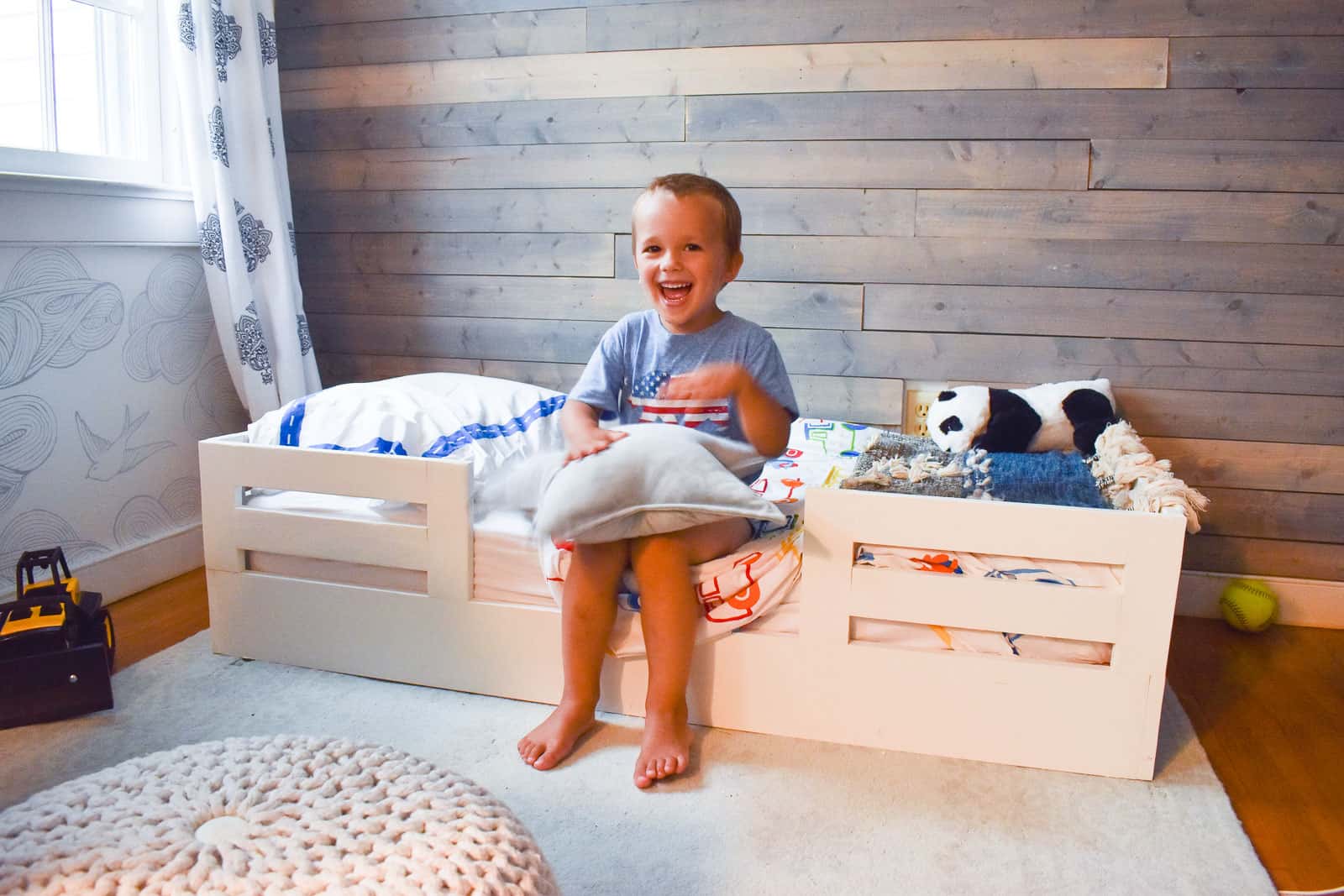
Credit: atcharlotteshouse.com
Planning Your Toddler Bed Design
Building a toddler bed starts with good planning. It helps to avoid mistakes later. Take time to think about the bed’s size and shape. Think about your toddler’s safety and comfort. A well-planned design makes the building easier and faster.
Two main steps in planning are measuring the mattress and drawing the bed frame. These steps guide your work and materials. Precise planning saves money and effort. It also ensures the bed fits your child’s room well.
Measuring Mattress Dimensions
Find the exact size of the mattress you will use. Use a tape measure to check length, width, and thickness. Write down these numbers clearly. These measurements decide the bed frame size.
Remember to leave a little extra space for bedding and movement. The bed should hold the mattress snugly but not tightly. Accurate measurements prevent the mattress from sliding or being too tight.
Sketching The Bed Frame
Draw a simple plan of the bed frame on paper. Use the mattress dimensions as a base. Add the sides, headboard, and footboard in your sketch. Mark where the slats or supports will go.
Keep safety in mind. Avoid sharp corners or gaps where a child’s fingers could get stuck. Your sketch helps visualize the final product. It also guides cutting and assembling the wood pieces.
Cutting And Preparing Wood Pieces
Cutting and preparing wood pieces is the first step in making a toddler bed. It sets the foundation for the entire project. Precise cuts and smooth surfaces ensure safety and a good fit. Take your time to measure and cut carefully. This will make assembly easier and the bed stronger.
Using the right tools and techniques helps avoid mistakes. Proper preparation makes the bed look neat and professional. Safety matters most, especially for a toddler’s bed. Let’s explore how to mark cut lines and sand the wood properly.
Marking Cut Lines Accurately
Start by measuring all wood pieces twice. Use a pencil and ruler to draw clear lines. Mark the lines on the wood surface where you will cut. Keep your marks visible but thin to avoid errors. Straight lines guide your saw and create clean edges. Take your time here to prevent waste and poor fit.
Sanding For Smooth Edges
After cutting, sand all edges and surfaces well. Use medium grit sandpaper to remove splinters and rough spots. Sand along the wood grain, not against it. Smooth edges prevent scratches and injuries to your child. Check every piece carefully before assembly. Proper sanding also helps the paint or finish stick better.
Assembling The Bed Frame
Assembling the bed frame is the key step in making a toddler bed. It sets the base for a safe and sturdy sleeping space. Follow simple steps to put together the main parts with care. The frame must be strong to hold the mattress and the child.
Joining Side Rails And Headboard
Start by placing the headboard upright. Attach the side rails to the headboard using screws or bolts. Ensure the rails fit snugly into the slots or holes. Tighten all connections firmly but avoid over-tightening. Check the alignment to keep the frame square. This step builds the bed’s main shape.
Securing Slats For Support
Lay the slats evenly across the side rails. These slats support the mattress and the child’s weight. Use screws or nails to fix each slat in place. Space the slats evenly to prevent mattress sagging. Double-check that all slats are secure and stable. This adds strength and comfort to the bed frame.
Adding Safety Features
Adding safety features to a toddler bed is very important. Toddlers move a lot in their sleep. They need a bed that keeps them safe and secure. Safety features help prevent falls and injuries. They also give parents peace of mind. Focus on strong guard rails and a stable frame.
Installing Guard Rails
Guard rails stop toddlers from rolling off the bed. Choose rails that are tall enough to block falls. Attach them firmly to the bed frame. Use screws and brackets for a tight fit. Make sure there are no gaps where a child can get stuck. Smooth all edges to avoid scratches or cuts. Test the rails by pushing on them. They should not move or wobble.
Checking Stability And Strength
Check the bed’s stability by applying pressure. Push the frame from different sides. The bed should not wobble or shift. Use strong wood or metal for the frame. Tighten all screws and bolts regularly. Avoid parts that bend or break easily. A strong bed supports a toddler’s weight safely. Stability reduces the risk of accidents during sleep or play.
Finishing Touches
Finishing touches make your toddler bed look complete and inviting. These small details bring style and comfort. Focus on two key areas: the bed’s surface and the bedding.
Painting Or Staining
Choose paint or stain that is safe and non-toxic. Soft colors work well for a calming effect. Bright colors can make the bed fun and lively. Use smooth, even coats for a clean look. Let each layer dry fully before adding the next. Sand lightly between coats for a smooth finish. This step protects the wood and adds charm.
Choosing Comfortable Bedding
Select soft, breathable fabrics for your toddler’s sheets. Cotton is a good choice as it feels gentle on skin. Pick bedding with fun patterns or simple designs. Make sure the mattress fits snugly in the bed frame. Avoid pillows or heavy blankets for toddlers under two years. A cozy blanket adds warmth without bulk. Bedding should make your child feel safe and snug.
Tips For Maintaining The Toddler Bed
Maintaining a toddler bed ensures it stays safe and comfortable for your child. Proper care helps the bed last longer and keeps your toddler happy. Simple steps can make a big difference in the bed’s condition.
Regular Safety Inspections
Check the bed weekly for loose screws or broken parts. Tighten any bolts or screws to keep the bed sturdy. Look for sharp edges or splinters that could hurt your child. Replace any damaged parts quickly to avoid accidents. Make sure the bed rails are secure and firm. Safety should always come first to protect your toddler.
Cleaning And Upkeep
Clean the bed regularly to keep germs away. Use a mild soap and warm water to wipe all surfaces. Avoid harsh chemicals that could harm your toddler’s skin. Wash bedding and mattress covers often to maintain freshness. Vacuum around the bed to remove dust and dirt. Keeping the bed clean helps your child sleep better and stay healthy.
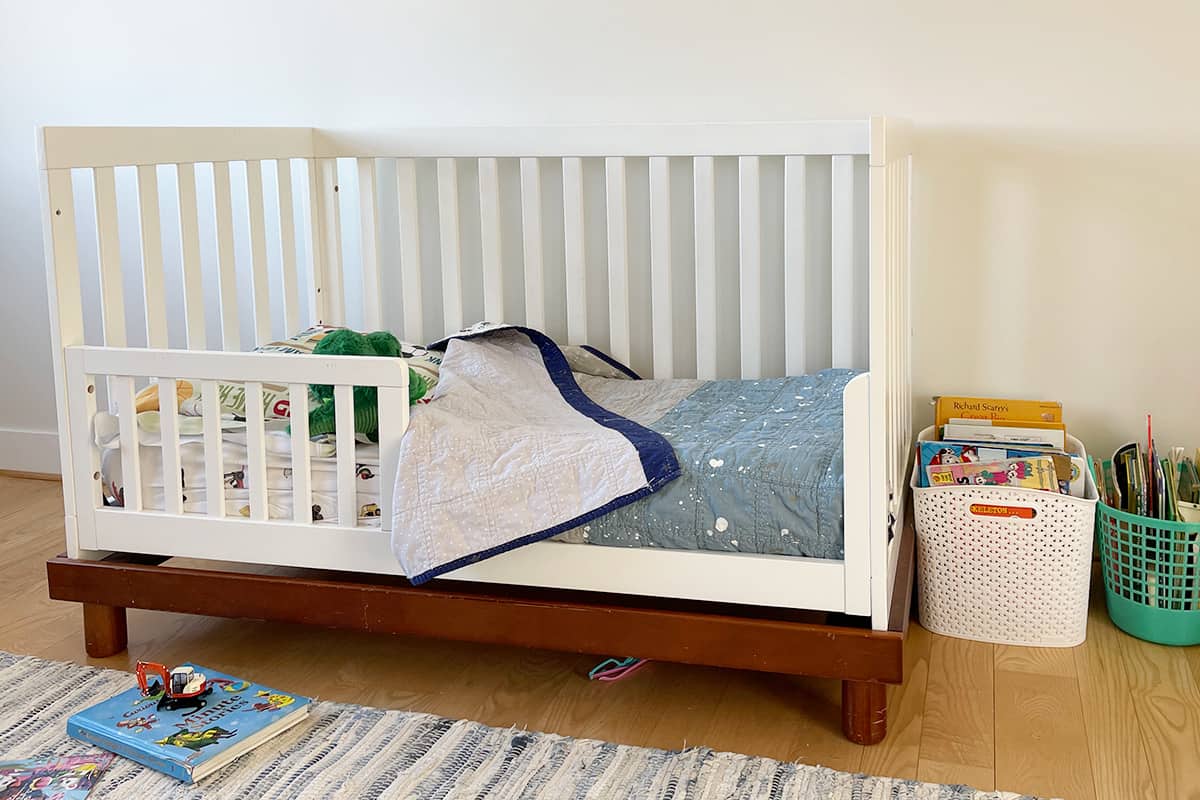
Credit: www.yummytoddlerfood.com
Frequently Asked Questions
What Materials Are Best For Making A Toddler Bed?
Wood is the most popular material for toddler beds. It is sturdy, safe, and easy to customize. Choose non-toxic paint and smooth finishes for safety. Avoid sharp edges and splinters to protect your child from injury.
How Do I Ensure Toddler Bed Safety?
Use guardrails on all sides to prevent falls. Ensure the mattress fits snugly within the frame. Check for no loose parts or sharp edges. Place the bed away from windows and cords to avoid accidents.
When Is The Right Time To Switch To A Toddler Bed?
Most toddlers transition between 18 months and 3 years. Signs include climbing out of the crib or showing interest in a bigger bed. Consider your child’s readiness and safety before switching.
Can I Convert A Crib Into A Toddler Bed?
Yes, many cribs convert into toddler beds with a conversion kit. This option saves money and keeps familiar surroundings. Ensure the converted bed meets safety standards and fits a toddler mattress.
Conclusion
Building a toddler bed can be simple and fun. You only need basic tools and materials. Follow clear steps to ensure safety and comfort. A homemade bed saves money and adds a personal touch. Your child will enjoy a cozy place to sleep.
Try making one and see how easy it can be. Small efforts create big smiles. Keep the process safe and enjoy the results. Making a toddler bed gives pride and joy to parents.