Are you thinking about getting a bunk bed for your child but wonder when it’s actually safe to use? You want to keep your little one safe while giving them a fun and space-saving sleeping spot.
But how do you know the right age to introduce a bunk bed without risking falls or injuries? This guide will help you understand exactly when a bunk bed becomes a safe choice for your child and what precautions you can take to protect them.
Keep reading to make sure your decision is the best one for your family’s safety and comfort.
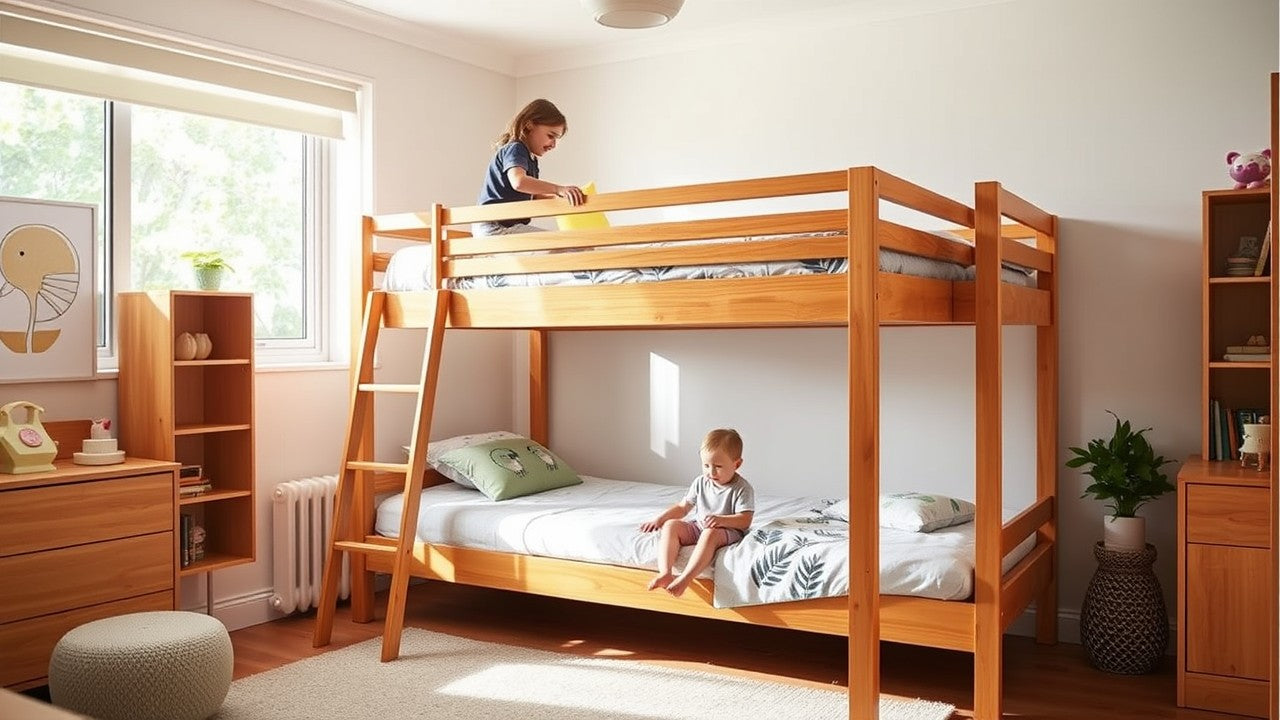
Credit: www.tsbliving.co.nz
Age Recommendations For Bunk Beds
Bunk beds save space and are fun for kids. Safety is important when choosing one. Parents must know the right age for bunk bed use. Age recommendations help prevent accidents and injuries. Understanding these guidelines keeps children safe and happy.
Minimum Age Guidelines
Experts say children under six should not use the top bunk. Younger kids may fall and get hurt. The bottom bunk is safer for toddlers and preschoolers. Many manufacturers suggest the top bunk for ages six and older. Follow these rules to reduce the risk of falls.
Factors Affecting Age Suitability
Each child grows and develops differently. Some kids are more careful and steady on their feet. Bed design also matters. Guardrails and ladder safety impact who can use the top bunk. Room height and ceiling space play a role. Parents should check all these before deciding.

Credit: maxandlily.com
Common Risks With Bunk Beds
Bunk beds save space and look fun. Still, they come with some risks parents must know. Understanding these common risks helps keep kids safe and sound. Safety matters most with bunk beds.
Falls And Injuries
Falls from the top bunk are the most common danger. Kids can roll off while sleeping or climbing. Even a small fall can cause cuts or broken bones. Guardrails reduce this risk but do not stop all falls. Supervision is key, especially for younger children.
Entrapment Hazards
Gaps between the bed frame and mattress can trap a child’s head or limbs. This can cause serious injury or suffocation. Spaces between guardrails and ladder steps also pose risks. Check for openings that are too wide or too narrow. Safe bunk beds have no dangerous gaps.
Structural Concerns
Weak or damaged bunk beds can collapse under weight. Loose screws or broken parts increase the chance of accidents. Some bunk beds may not support heavier kids safely. Always inspect the bed’s frame for stability before use. Follow weight limits and assembly instructions carefully.
Safety Features To Look For
Choosing a safe bunk bed means checking important safety features. These features help prevent falls and injuries. Every parent wants a secure sleep space for their child. Understanding these details helps you pick the best bunk bed.
Guardrails And Barriers
Guardrails stop children from rolling off the bed. They should run along both sides of the top bunk. The rails need to be high enough to block a child’s head and body. Strong guardrails that do not wobble offer better protection. Avoid beds with gaps where a child could get stuck.
Sturdy Ladder Design
The ladder must be stable and easy to climb. Wide steps help children keep their balance. Look for ladders that attach firmly to the bed frame. Slippery or thin rungs increase the risk of falling. A secure ladder makes getting up and down safer and easier.
Mattress Size And Fit
The mattress should fit snugly inside the bed frame. A mattress that is too small creates gaps that can trap a child. Too thick a mattress may reduce guardrail height. Use the mattress size recommended by the bed maker. This keeps the sleeping area safe and comfortable.
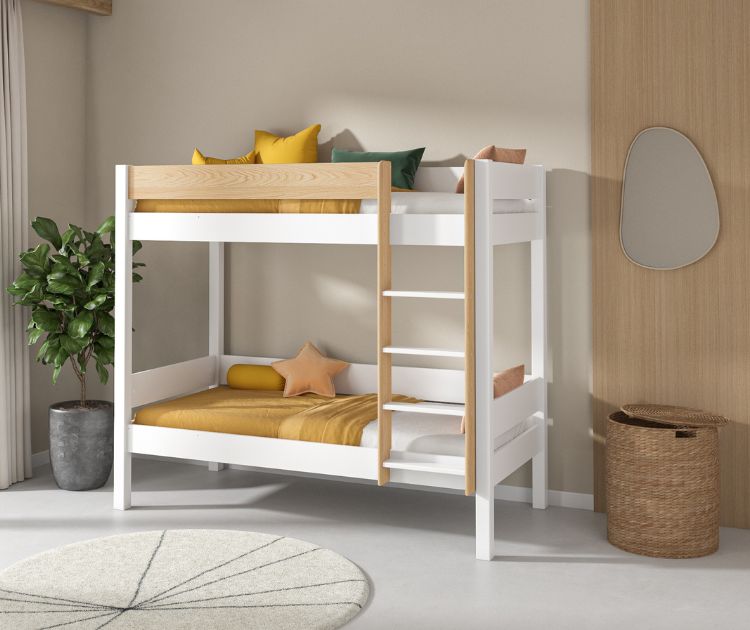
Credit: www.chambrekids.com
Safe Usage Practices
Safe usage practices keep children secure on bunk beds. Knowing how to use, maintain, and supervise bunk beds helps prevent accidents. Parents and guardians must follow clear rules for children using these beds.
Proper Assembly And Maintenance
Follow the manufacturer’s instructions carefully when assembling bunk beds. Tighten all screws and bolts regularly to keep the bed stable. Check for broken or loose parts often. Replace damaged parts immediately to avoid injuries. Use a sturdy ladder and ensure it is secure. Place the bunk bed away from ceiling fans or sharp objects.
Rules For Children Using Bunk Beds
Children under six should not use the top bunk. Teach kids not to jump or play rough on the bed. Only one person should sleep on the top bunk at a time. Use guardrails on both sides of the upper bunk. Remind children to climb the ladder safely and not to lean over the edges.
Supervision Tips
Watch young children closely when they use bunk beds. Check that they follow the safety rules every night. Talk to children about the dangers of unsafe behavior. Encourage them to tell an adult if the bed feels loose or broken. Regular supervision helps prevent accidents and keeps kids safe.
Alternatives To Traditional Bunk Beds
Traditional bunk beds may not suit every child or space. Some kids find climbing ladders tricky or unsafe. Some rooms lack enough height for bunk beds. There are other bed styles that keep kids safe and save space. These options also offer comfort and fun for children.
Loft Beds
Loft beds lift the mattress off the floor. This creates room underneath for play or storage. Kids can enjoy a cozy sleeping space above. Without a bottom bunk, loft beds reduce fall risks. They often have guardrails to keep children safe. These beds suit older kids who can climb safely. Loft beds make small rooms feel larger and brighter.
Floor-level Beds
Floor-level beds sit just a few inches off the ground. They are easy for toddlers and young children to use. No ladder or climbing is needed. This design greatly lowers the chance of injury from falls. Floor-level beds allow kids to get in and out alone. They provide a safe, comfortable sleep space for little ones. These beds fit well in rooms with low ceilings.
Frequently Asked Questions
At What Age Is A Bunk Bed Considered Safe?
Bunk beds are generally safe for children aged 6 and older. Younger kids may risk falls and injuries due to climbing or lack of coordination. Always follow manufacturer guidelines and ensure proper safety features like guardrails.
What Safety Features Should Bunk Beds Have?
Bunk beds should include sturdy guardrails on all sides of the top bunk. A secure ladder and a solid frame are essential. Avoid beds with gaps or sharp edges to reduce injury risk, especially for young children.
Can Toddlers Use Bunk Beds Safely?
Toddlers under 6 years old should avoid using bunk beds. Their motor skills and judgment are still developing, increasing fall risks. Instead, opt for low beds with safety rails designed for toddlers.
How To Ensure Bunk Bed Safety For Kids?
Ensure guardrails are installed and secure. Teach children to climb carefully and avoid horseplay. Check the bed regularly for loose screws or damage. Use a firm mattress that fits snugly to prevent gaps.
Conclusion
Bunk beds can be safe for children over six years old. Always check the bed’s guardrails and ladder before use. Make sure the mattress fits well and does not leave gaps. Teach kids to climb carefully and avoid rough play.
Keep the room well-lit to prevent accidents. Regularly inspect the bunk bed for damage or loose parts. Safety matters most to protect your child’s sleep and play. Choose a bunk bed that fits your family’s needs and space. Safety first, fun always.