Are you wondering how long before bedtime your toddler should eat dinner? Getting this timing right can make a big difference in your child’s sleep quality and mood.
You want to avoid bedtime battles, restless nights, and those frequent wake-ups that leave everyone tired. You’ll discover the best mealtime window to help your little one settle down smoothly and enjoy a peaceful night’s sleep. Keep reading to find simple, effective tips that fit easily into your daily routine.
Credit: health.clevelandclinic.org
Ideal Dinner Timing For Toddlers
Setting the right dinner time for toddlers helps their digestion and sleep. A well-timed meal can make bedtime easier and calmer. Toddlers need time to digest food before lying down. Eating too close to bedtime might cause discomfort or restless sleep.
Choosing the right time also supports healthy eating habits. It sets a routine that toddlers can follow easily. Parents can plan activities and bedtime more smoothly with a clear dinner schedule.
Recommended Time Gap Before Bed
Experts suggest feeding toddlers about 1 to 2 hours before bed. This gap helps the food settle in the stomach. It also reduces the chance of heartburn or upset tummy. A 90-minute gap is a good average for many children.
This timing lets toddlers enjoy dinner without rushing. After eating, they can have quiet play or calm activities. These moments prepare them mentally and physically for sleep.
Factors Influencing Dinner Timing
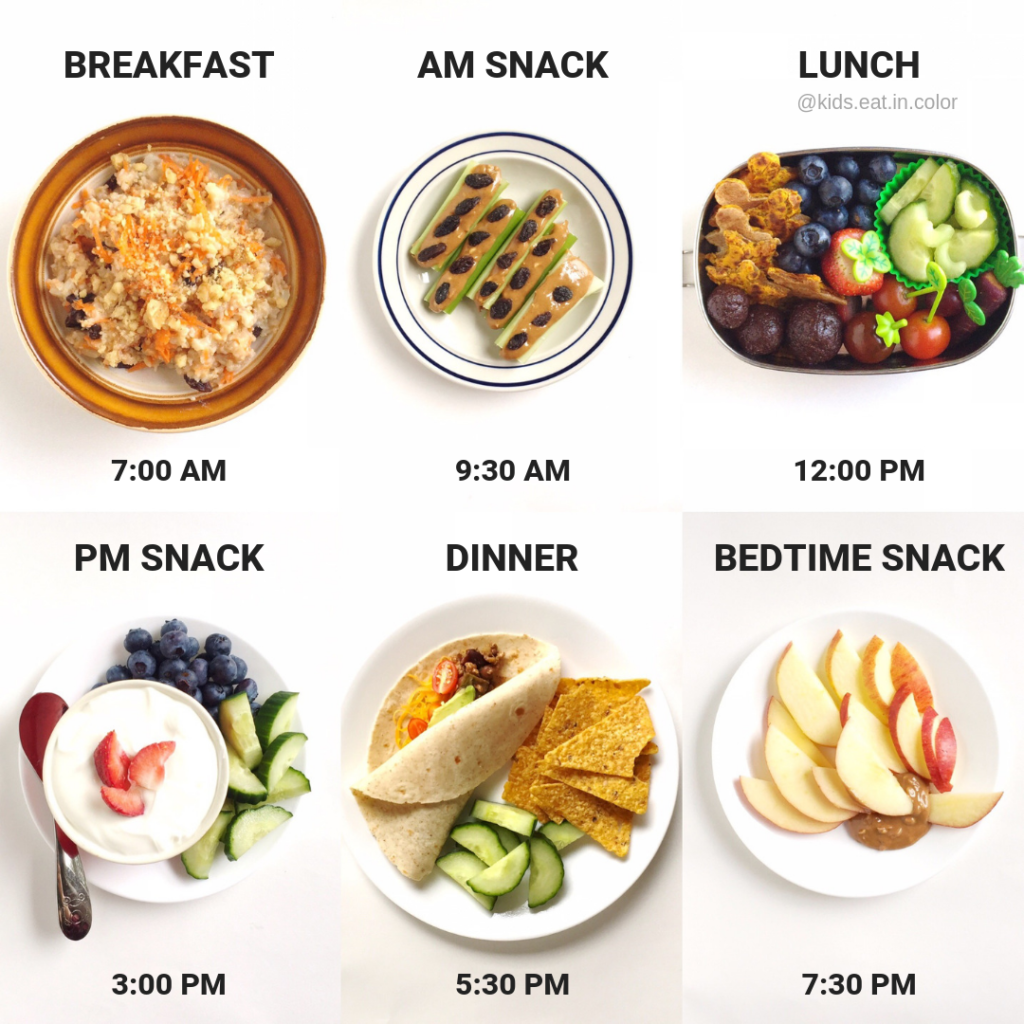
Toddlers’ age and daily schedule affect dinner time. Younger toddlers might need earlier meals. Older toddlers can handle dinner closer to bedtime. Activity levels during the day also play a role.
Family routines and work schedules change dinner timing too. Some toddlers nap late, which may push dinner later. Food choices matter; heavy meals need more digestion time. Light snacks can be closer to bedtime without issues.
Credit: kidseatincolor.com
Effects Of Late Or Early Dinners
The timing of a toddler’s dinner plays a big role in their health and sleep. Eating too late or too early can cause problems. It affects how well they sleep and how their stomach feels. Finding the right time helps toddlers grow strong and rest well.
Impact On Sleep Quality
Eating dinner too close to bedtime can make sleep harder. Toddlers may feel restless or wake often. Their bodies stay busy digesting food instead of resting. Early dinners give time for digestion and calm before sleep. A calm tummy helps toddlers fall asleep faster and stay asleep longer.
Digestive Health Considerations
Late dinners can upset a toddler’s stomach. Food may sit longer in the stomach, causing discomfort or gas. Early dinners allow digestion to finish before lying down. This reduces the risk of tummy aches and reflux. A happy tummy means a happier toddler throughout the night.
Meal Composition For Evening
Meal composition for a toddler’s evening dinner plays a big role in their sleep quality. A well-balanced dinner helps toddlers feel full and calm before bed. It supports their growth and gives them steady energy through the night.
Choosing the right foods is key. Meals rich in protein, fiber, and healthy fats make toddlers more comfortable and less restless. Avoid heavy or sugary foods that can cause discomfort or energy spikes.
Best Foods For Toddler Dinner
Include lean proteins like chicken, turkey, or fish. These help build muscles and keep toddlers full longer. Soft cooked vegetables such as carrots, peas, or sweet potatoes add fiber and vitamins. Whole grains like brown rice or whole wheat pasta provide steady energy. Small servings of healthy fats from avocado or olive oil support brain health. Dairy or dairy alternatives offer calcium and vitamin D for strong bones.
Foods To Avoid Near Bedtime
Skip foods high in sugar like candy, cookies, or sweetened cereals. These cause energy bursts that disturb sleep. Avoid spicy or fried foods that can upset a toddler’s stomach. Limit caffeine-containing drinks such as soda or chocolate milk. Heavy or greasy meals can lead to discomfort and indigestion. Also, large portions make toddlers feel too full and restless at bedtime.
Establishing A Consistent Routine
Establishing a consistent routine helps toddlers feel safe and calm before bedtime. Regular patterns guide their bodies to expect sleep soon after dinner. This can reduce fussiness and make bedtime smoother. A steady routine also supports healthy digestion and better rest.
Parents should plan dinner time and activities carefully. The goal is to create a gentle transition from playtime to sleep. A calm environment helps toddlers relax and prepare for bed.
Setting A Dinner Schedule
Set a fixed time for toddler dinner each evening. Aim to finish eating at least one hour before bedtime. This gap allows food to settle and prevents discomfort. Serve dinner at the same time daily to build habit. A clear dinner schedule gives toddlers a sense of order.
Incorporating Wind-down Activities
After dinner, include quiet activities like reading or soft music. These help lower energy and signal bedtime is near. Avoid screens or rough play during this time. Calm routines ease toddlers into sleep mode. Consistent wind-down habits improve sleep quality and mood.
Tips For Picky Eaters At Dinner
Many toddlers refuse to eat dinner. Picky eating can make mealtime hard. Parents need simple strategies to help their little ones eat well. These tips focus on making dinner time smoother and more enjoyable.
Encouraging Healthy Eating Habits
Offer small portions to avoid overwhelming your toddler. Serve meals at the same time daily. Routine helps children know what to expect. Praise your child for trying new foods. Avoid forcing or pressuring them to eat. Let toddlers explore food with their hands. This builds comfort and interest in eating.
Creative Meal Ideas
Use bright colors on the plate to attract attention. Cut food into fun shapes using cookie cutters. Mix familiar foods with new ones gently. Offer dips like yogurt or hummus to make eating fun. Create mini meals with bite-sized pieces. Let your toddler help with simple meal prep. This builds excitement and curiosity about food.

Credit: www.babycenter.com
Frequently Asked Questions
How Long Before Bed Should Toddlers Eat Dinner?
Toddlers should eat dinner about 1. 5 to 2 hours before bedtime. This allows proper digestion and prevents discomfort. Eating too close to bedtime may disrupt their sleep and cause restlessness.
Why Is Dinner Timing Important For Toddler Sleep?
Dinner timing affects digestion and sleep quality. Eating too late can cause indigestion, making it hard for toddlers to fall asleep. Proper timing helps toddlers feel comfortable and supports a restful night’s sleep.
Can Eating Dinner Too Late Affect Toddlers’ Health?
Yes, late dinners can cause indigestion and disrupt sleep patterns. Poor sleep affects mood and development. Early dinner helps maintain a healthy routine, supporting overall well-being and growth in toddlers.
What Foods Are Best For Toddler Dinner Before Bedtime?
Choose light, easy-to-digest foods like vegetables, lean proteins, and whole grains. Avoid sugary or heavy meals that may cause energy spikes or stomach discomfort. Balanced meals promote good digestion and peaceful sleep.
Conclusion
Feeding your toddler at the right time helps with better sleep. Aim to finish dinner about one to two hours before bedtime. This gap lets their body digest food comfortably. Avoid heavy or sugary meals close to sleep. A calm and full tummy supports peaceful rest.
Consistent mealtime routines also prepare toddlers for bedtime. Watch your child’s cues and adjust as needed. Small changes can make a big difference in sleep quality. Remember, every toddler is unique, so find what works best. Healthy habits now build strong sleep patterns for the future.