Are you wondering how long your child should stay in a toddler bed? You want your little one to sleep safely and comfortably, but when is the right time to switch to a bigger bed?
Knowing the answer can help you avoid restless nights and keep your child happy. You’ll discover exactly how long a kid can sleep in a toddler bed and what signs to look for when it’s time to move on. Keep reading to make bedtime easier for both you and your child.
Toddler Bed Basics
Toddler beds are a key step for young children growing out of their cribs. They offer more freedom while still keeping a safe, cozy space for sleep. Understanding the basics of toddler beds helps parents decide the right time for change. It also ensures the child feels comfortable and secure during this transition.
Choosing the right bed is important for your toddler’s sleep quality. It affects their safety, comfort, and independence. The right knowledge makes this move smooth for both parents and kids.
What Is A Toddler Bed?
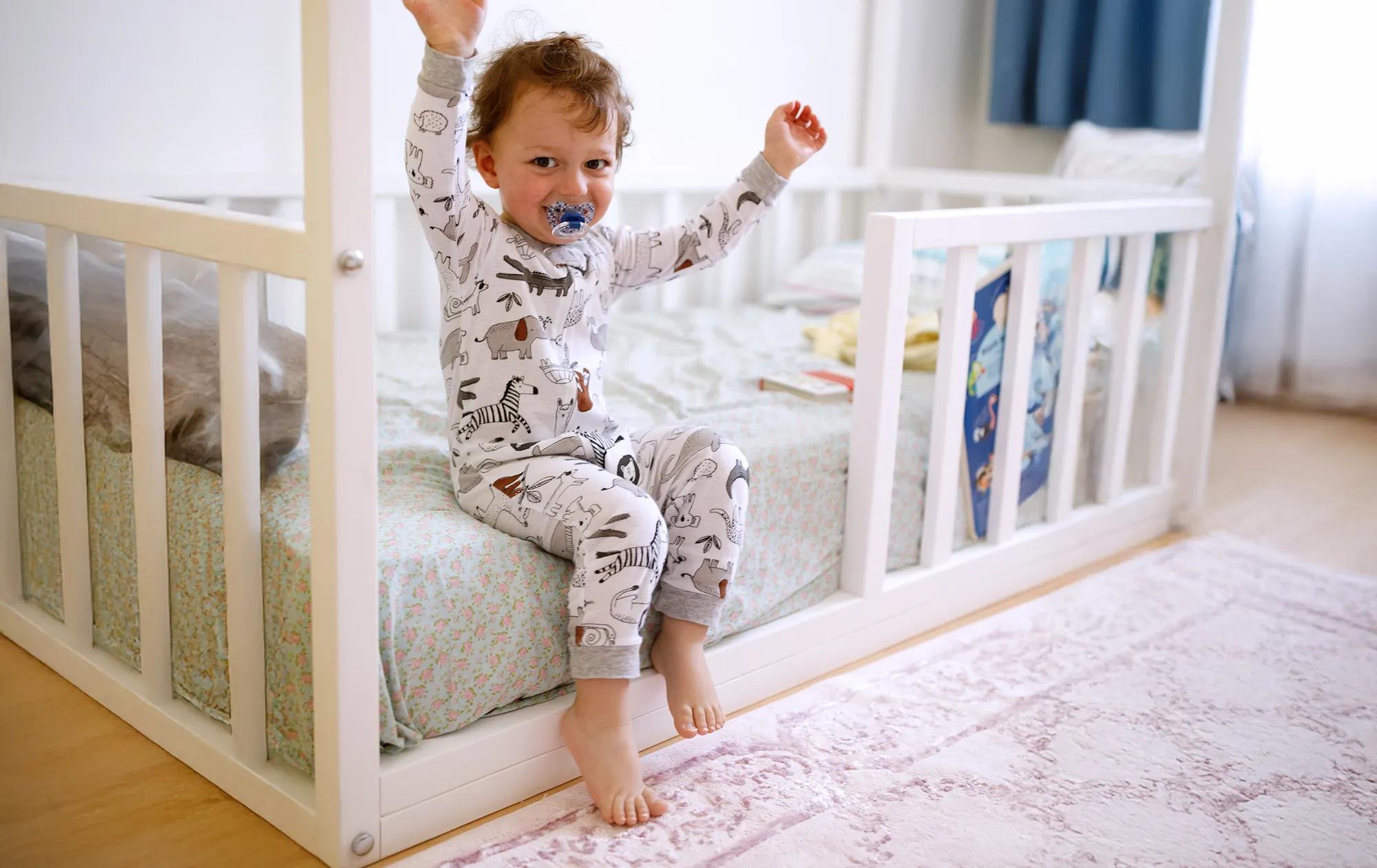
A toddler bed is smaller than a regular bed. It uses the same mattress size as a crib. It sits low to the ground for easy access. Side rails keep children from rolling out during sleep. It helps toddlers feel safe while moving from crib to bed.
These beds usually have fun designs and bright colors. They appeal to kids and encourage excitement about sleeping independently. Toddler beds bridge the gap between a crib and a full-size bed.
When To Transition From Crib
Most toddlers move to a bed between 18 months and 3 years. The change depends on the child’s size and behavior. If your child climbs out of the crib, it may be time to switch.
Look for signs like resistance to the crib or needing more space. Toddlers grow fast and need room to stretch and move. Transitioning too early or late can affect sleep quality and safety.
Watch your child’s cues closely. Their comfort and safety should guide your decision. A smooth change helps build good sleep habits early on.
Ideal Age Range
Choosing the right time for your child to sleep in a toddler bed is important. The ideal age range helps ensure safety and comfort. Toddlers need space to move but also need to feel secure. This balance helps them sleep well and grow healthy. Understanding when to switch to a toddler bed can make bedtime easier for both parents and kids.
Typical Ages For Toddler Bed Use
Most children move to a toddler bed between 18 months and 3 years old. This stage follows their time in a crib. Some kids may start earlier or later, depending on their growth and needs. Parents often choose this age range because toddlers become more active and curious. A toddler bed offers a safe space for them to explore while resting.
Signs Your Child Is Ready
Look for clues that your child needs a toddler bed. If your child climbs out of the crib, it may be time. Growing too tall or big for the crib is another sign. Your child may ask to sleep in a “big kid” bed. They might also show interest in getting up or moving around at night. These signs suggest your child is ready for the switch.
Sleep Duration Needs
Understanding how long a toddler should sleep helps parents make good choices. Sleep duration needs change as children grow. Proper sleep supports their health and development. Toddlers need enough rest to stay happy and active during the day.
Recommended Sleep Hours For Toddlers
Toddlers usually need 11 to 14 hours of sleep each day. This includes naps and night sleep. Most toddlers take one or two naps during the day. Night sleep is often between 10 and 12 hours long. Meeting these hours helps toddlers stay healthy and focused.
How Sleep Needs Change With Age
As toddlers grow, their sleep needs slowly decrease. Around age two, naps may become shorter or stop. Nighttime sleep remains important and may increase slightly. By age three, many children sleep about 10 to 12 hours at night. Adjusting sleep routines helps fit their changing needs.
Credit: health.clevelandclinic.org
Safety Considerations
Safety is the top priority when a child sleeps in a toddler bed. Parents must check the bed and the room for hazards. Small details can make a big difference in keeping toddlers safe.
Sleep environment safety reduces risks of accidents and injuries. A safe space helps children feel secure and sleep better. Careful preparation creates a peaceful sleep area for toddlers.
Bed Safety Tips
Choose a toddler bed with guardrails on both sides. Guardrails stop toddlers from falling during sleep. Check the bed frame for sharp edges or loose parts. Use a firm mattress that fits the bed perfectly. Avoid soft bedding that can cause suffocation. Keep pillows and heavy blankets away from the bed. Place the bed low to the ground to reduce injury risk. Regularly inspect the bed for wear and tear.
Room Safety For Toddlers
Remove small objects that toddlers can swallow. Cover electrical outlets with safety plugs. Keep cords and blinds out of reach to prevent strangling. Use nightlights to help toddlers see at night. Ensure furniture is stable and cannot tip over. Lock windows and doors to keep toddlers inside. Keep floors clear of toys and clutter. Use baby monitors to check on toddlers during sleep.
Common Challenges
Moving a child to a toddler bed is exciting but comes with challenges. Parents often face issues that disrupt sleep routines. These common challenges affect how long a kid stays comfortable in the toddler bed. Understanding these problems helps parents manage them better.
Dealing With Nighttime Wandering
Kids may leave their bed after falling asleep. Nighttime wandering can cause safety concerns. Toddlers explore and may feel curious or scared. They might walk around the room or hallway. Setting up baby gates helps keep them safe. A nightlight can reduce fear of the dark. Consistent bedtime rules remind them to stay in bed. Patience is key during this phase.
Handling Resistance To Bedtime
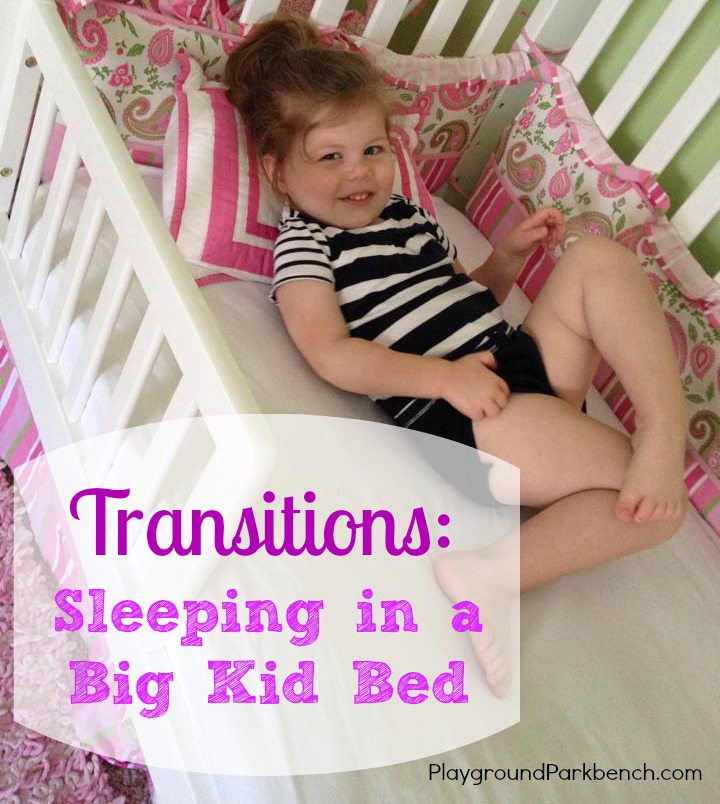
Many toddlers resist going to bed in a new bed. They may cry or refuse to lie down. This resistance comes from change and new feelings. Creating a calm bedtime routine soothes and prepares them. Reading a favorite story or singing helps. Avoid loud noises and bright lights before sleep. Praise your child when they stay in bed. This builds positive bedtime habits.
Credit: playgroundparkbench.com
Expert Tips For Smooth Transition
Moving your child to a toddler bed is a big step. This change can bring many questions about comfort and safety. Experts suggest some simple ways to make this transition easier. These tips help your child feel secure and sleep well in their new bed.
Creating A Comfortable Sleep Environment
Start by making the toddler bed cozy and inviting. Use soft bedding that your child likes. Keep the room at a good temperature, not too hot or cold. A nightlight can help if your child feels scared in the dark. Remove toys that may distract or cause safety issues. A calm and quiet room supports better sleep.
Establishing Consistent Bedtime Routines
Set a regular bedtime and stick to it every night. A simple routine helps your child know what to expect. This can include brushing teeth, reading a short story, and saying goodnight. Avoid screens or loud noises before bed. Consistency makes the new sleeping place feel safe and familiar. Your child will adjust faster with steady habits.
When To Move On
Knowing when to move your child from a toddler bed to a big kid bed is important. This change marks a new stage in your child’s growth and sleep habits. Watching your child closely helps you decide the best time to switch. It ensures safety and comfort during sleep.
Indicators For Upgrading To A Big Kid Bed
One sign is when your child starts climbing out of the toddler bed. This can be unsafe and means the bed no longer fits their needs. Another sign is outgrowing the bed size. If their feet hang over the edge, it is time to upgrade. Also, if your child feels cramped or uncomfortable, a bigger bed is better. Sometimes, children ask for a “big kid bed” as they want to feel more grown-up.
Adjusting Sleep Arrangements Over Time
Changing beds may affect your child’s sleep for a few nights. Be patient and provide extra comfort items like favorite blankets or stuffed toys. Keep the bedtime routine steady to help your child adjust. Watch how your child sleeps in the new bed. Adjust the room setup if needed for safety and comfort. Gradual changes work best to avoid stress for your child.

Credit: www.flyawaydesigns.com
Frequently Asked Questions
How Long Can Toddlers Safely Use A Toddler Bed?
Toddlers can use a toddler bed from ages 1. 5 to 5 years. Transition depends on the child’s size and comfort. Most kids switch to a regular bed around age 5 due to growth and mobility needs.
When Should A Child Transition From Crib To Toddler Bed?
Children typically transition between 18 months and 3 years. The move depends on climbing ability and readiness for freedom. Safety and comfort should guide the timing, ensuring a smooth adjustment.
Can A Toddler Bed Be Used Beyond Toddler Years?
Yes, many toddler beds accommodate kids up to 5 years old. Some models convert into twin beds, extending usability. Choosing an adjustable bed offers long-term value and comfort.
What Signs Show A Toddler Is Ready For A Bed Switch?
Signs include climbing out of the crib and increased mobility. Expressing a desire for independence or discomfort in the crib also help. Safety concerns often prompt the transition to a toddler bed.
Conclusion
Toddlers usually sleep in toddler beds until about age five. Every child grows and changes at their own pace. Watch for signs your child is ready to move on. Safety and comfort come first for good sleep habits. A toddler bed suits many years of rest and play.
Choose the right time to help your child feel secure. Sleep routines matter for happy, healthy kids. Keep checking what works best for your little one.