Choosing the right toddler bed can feel overwhelming, especially when you want to keep your little one safe and comfortable. One question you might be asking is, “How firm should a toddler bed be?”
The answer matters because the firmness affects your child’s sleep quality and overall safety. If the bed is too soft, it could increase the risk of suffocation or discomfort. Too hard, and it might cause aches or restless nights. You’ll discover exactly what level of firmness is best for your toddler’s bed—helping you make the smartest choice for your child’s restful and safe sleep.
Keep reading to find out how to create the perfect sleeping environment your toddler deserves.
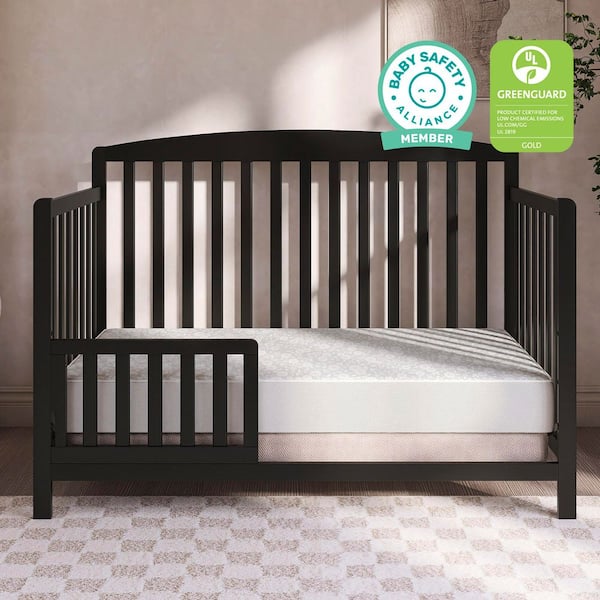
Credit: www.homedepot.com
Importance Of Mattress Firmness
Choosing the right mattress firmness is key for toddler beds. It affects your child’s safety and comfort during sleep. A mattress that is too soft can be unsafe. Too firm might not offer enough comfort. Understanding mattress firmness helps create the best sleep space for toddlers.
Impact On Toddler Safety
A firm mattress lowers the risk of suffocation. Toddlers can roll and move a lot during sleep. A mattress that supports their body well keeps airways clear. Soft mattresses can trap a child’s face. This can lead to breathing problems. Firmness also stops the mattress from sagging. A flat surface reduces the chance of falls and injuries.
Role In Sleep Quality
Mattress firmness affects how well toddlers rest. A firm mattress supports growing bones and muscles. It helps maintain good posture during sleep. Comfort also plays a big part. Too hard can cause pressure points and discomfort. The right balance keeps toddlers calm and asleep longer. Good sleep improves mood, learning, and growth.

Credit: dreamonme.com
Recommended Firmness Levels
Choosing the right firmness for a toddler bed mattress is key to your child’s comfort and safety. A mattress that is too soft may cause sinking, which can be unsafe. Too firm, and it might feel uncomfortable. The recommended firmness strikes a balance. It supports your toddler’s growing body while allowing restful sleep. Understanding the correct firmness levels helps you pick the best mattress.
Ideal Mattress Density
The mattress density affects how firm it feels. For toddlers, a medium-firm mattress with a density between 18 to 22 pounds per cubic foot works well. This range offers enough support without being too hard. Foam mattresses in this density provide a stable surface for little bodies. Avoid mattresses that are too soft or too dense, as they can cause discomfort or safety issues.
Signs Of Appropriate Firmness
Check if your toddler’s mattress shows these signs. The mattress should hold its shape when your child lies down. It should not sag or create deep indentations. Your toddler should wake up without aches or stiffness. The mattress surface should feel firm but still a bit cushioned. These signs show the mattress supports your toddler properly.
Materials Affecting Firmness
The firmness of a toddler bed depends a lot on the mattress material. Different materials feel softer or firmer. This affects how well the toddler sleeps and how safe they are. Choosing the right mattress type helps provide good support for growing bodies. It also helps avoid discomfort or risk of suffocation. Understanding each material helps parents pick the best mattress for their child.
Foam Mattresses
Foam mattresses are soft and lightweight. They offer gentle support and conform to a child’s body shape. Some foam mattresses are firm, while others are softer. High-density foam tends to be firmer and lasts longer. Low-density foam feels softer but may wear out fast. Foam mattresses also absorb movement well, which can help toddlers sleep without disturbance.
Innerspring Mattresses
Innerspring mattresses contain metal coils inside. These coils provide strong and firm support. The firmness depends on the number and thickness of the coils. More coils usually mean firmer support. Innerspring mattresses allow good air flow, keeping the mattress cool. They tend to be heavier than foam mattresses. Toddlers often benefit from their steady support and durability.
Hybrid Options
Hybrid mattresses combine foam and innerspring layers. This mix offers balanced firmness and comfort. The foam top layer adds softness and pressure relief. The coil base layer gives strong support and breathability. Hybrids can suit toddlers who need both comfort and firmness. They also tend to last longer than pure foam or innerspring mattresses.
Risks Of Too Soft Or Too Hard Mattresses
Choosing the right mattress firmness for a toddler bed is very important. Mattresses that are too soft or too hard can cause problems. These risks affect both safety and development. Understanding these risks helps parents make better choices for their child’s sleep.
Potential Safety Hazards
A mattress that is too soft can cause a toddler to sink in. This may block their breathing and increase the risk of suffocation. Soft mattresses can also make it hard for toddlers to move or turn over in bed. This limits their ability to get comfortable or avoid danger.
On the other hand, a mattress that is too hard can cause discomfort. It may create pressure points on a toddler’s body. This can lead to pain or poor sleep. Hard mattresses do not absorb movement well, which can wake toddlers easily. Both extremes can increase the chance of accidents or injuries during sleep.
Effects On Toddler Development
Sleep quality is vital for toddler growth and brain development. A mattress that is too soft may cause restless sleep. Toddlers may wake often or have trouble falling asleep. Poor sleep can affect mood, learning, and physical growth.
Too firm a mattress can also disturb sleep. It may not support the natural curves of a toddler’s body. This can lead to poor posture and muscle discomfort. Proper support helps toddlers develop strong muscles and bones. A balanced mattress firmness promotes healthy growth and better sleep habits.
Choosing The Right Toddler Bed Mattress
Choosing the right mattress for a toddler bed is very important. It affects your child’s comfort and safety. A mattress that is too soft can cause sinking. A mattress that is too hard may feel uncomfortable. The right firmness supports healthy sleep and growth. Let’s explore the key points to consider when picking a mattress.
Size And Fit Considerations
The mattress should fit the bed frame exactly. Gaps between the mattress and bed can trap small bodies. It is safest to choose a mattress with standard toddler bed dimensions. Typically, this means 28 inches by 52 inches. The mattress must lie flat and not move around. Measure the bed frame before buying the mattress. Always check the mattress thickness, usually 4 to 6 inches. Too thick can make climbing difficult for toddlers. Too thin may not provide enough support.
Durability And Maintenance
Toddlers can be messy during sleep time. Choose a mattress that is easy to clean. Waterproof covers or removable, washable covers are best. The mattress should resist stains and spills. Look for durable materials that keep shape over time. Foam and innerspring mattresses often offer good durability. Avoid mattresses that sag or lose firmness quickly. A mattress with good air flow helps prevent mold and odors. This keeps the mattress fresh and healthy for your child.
Tips For Ensuring Safe Sleep Environment
Creating a safe sleep environment for your toddler is very important. It helps your child rest well and stay healthy. Several simple steps can make the bed area safer and more comfortable. These tips focus on bedding and room conditions that protect your toddler during sleep.
Proper Bedding Choices
Choose firm mattresses that support your toddler’s body well. Avoid soft mattresses that may cause sinking or suffocation risks. Use fitted sheets made of breathable materials like cotton. Keep pillows, blankets, and toys out of the bed to prevent choking hazards. A sleep sack can be a safe alternative to loose blankets.
Room Temperature And Ventilation
Keep the room cool, around 68 to 72 degrees Fahrenheit. This temperature range helps prevent overheating during sleep. Ensure the room has good airflow by opening a window or using a fan. Avoid placing the crib near heaters or direct sunlight. Proper ventilation reduces the chance of breathing problems and promotes better sleep.

Credit: www.amazon.com
Frequently Asked Questions
How Firm Should A Toddler Bed Mattress Be?
A toddler bed mattress should be medium-firm. It provides enough support for growing bones. Too soft mattresses may cause poor posture and discomfort. Medium firmness ensures safety and comfort during sleep.
Why Is Mattress Firmness Important For Toddlers?
Mattress firmness affects toddlers’ spinal alignment and sleep quality. Proper firmness prevents suffocation risks and supports healthy growth. It balances comfort and safety, reducing the chance of developing sleep-related issues.
Can A Firm Mattress Cause Discomfort For Toddlers?
A mattress too firm can cause pressure points and discomfort. However, medium firmness prevents excessive hardness while offering support. It’s important to choose a mattress that suits your toddler’s needs for restful sleep.
When Should You Replace A Toddler Bed Mattress?
Replace the mattress if it’s sagging or damaged. Typically, toddler mattresses last 3-5 years. Regular checks ensure continued support and hygiene, promoting your toddler’s health and safety.
Conclusion
Choosing the right firmness for a toddler bed matters a lot. A bed too soft can cause discomfort or safety issues. Too hard might make your child restless at night. Aim for a mattress that supports the body well and feels cozy.
This helps your toddler sleep soundly and grow healthy. Remember, comfort and safety go hand in hand. A balanced firmness keeps your little one safe and happy during sleep. Trust your child’s comfort and check regularly as they grow. Sweet dreams start with the right bed firmness.