Choosing the right bed for your toddler can feel tricky. You want your child to be comfortable and safe, but how do you know when it’s time to move on from that toddler-sized bed?
If you’re wondering how long to keep your child in a toddler bed, you’re not alone. Making this decision affects your child’s sleep quality and safety—and it can even impact your peace of mind. Keep reading to discover clear signs and expert tips that will help you decide the perfect time to make the switch.
Your child’s comfort and safety are worth getting right.
Signs Your Toddler Is Ready To Transition
Knowing when to move your toddler from a toddler bed to a bigger bed is important. Watching for certain signs helps you decide the right time. These signs show your child is ready to handle the change comfortably and safely.
Physical Growth Indicators
Your toddler may outgrow the toddler bed as they grow taller and heavier. If their feet hang off the edge or the bed feels cramped, it is a clear sign. Larger beds provide more space for growing bodies and better sleep comfort.
Behavioral Changes
Toddlers who try to climb out of their bed may want a bigger bed. Some express interest in sleeping on a “big kid” bed. Watching your child’s reactions helps understand their readiness for the new bed.
Safety Concerns
Climbing out of a toddler bed can cause injuries. A toddler bed that no longer supports your child’s size can be unsafe. Moving to a bigger bed can reduce risks and provide better support during sleep.
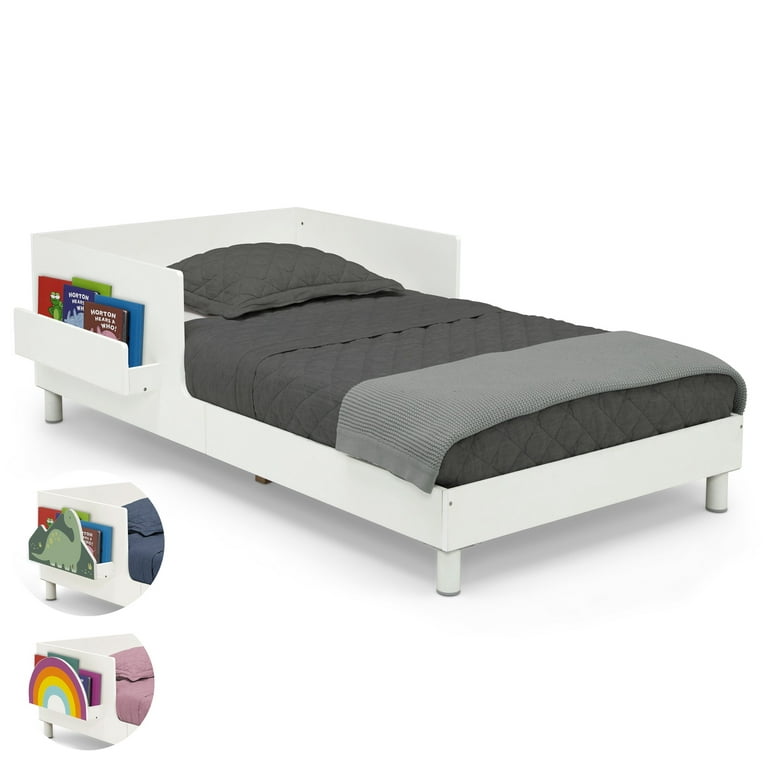
Credit: www.walmart.com
Average Age Range For Toddler Beds
The average age range for toddler beds varies depending on the child’s growth and development. Toddler beds offer a safe, comfortable transition from a crib. They help children gain independence while sleeping in a bigger space. Knowing the right age to start and how long to keep your child in a toddler bed is important. This helps ensure safety and comfort during sleep.
Typical Starting Age
Most children start using a toddler bed between 18 months and 3 years. This depends on when they begin to climb out of the crib. Parents often move their child to a toddler bed for safety reasons. Some children feel ready to sleep in a bigger bed earlier. Others may need more time in a crib. Watch your child’s behavior and comfort level to decide the best time.
Common Duration In Toddler Bed
Children usually stay in a toddler bed for about 2 to 3 years. This period suits their size and sleeping habits. The toddler bed fits children until they grow too big for it. Most kids move to a twin or full-size bed by age 5 or 6. Some may switch sooner if they outgrow the bed. Always check your child’s comfort and safety while sleeping.
Benefits Of Staying In A Toddler Bed Longer
Keeping your child in a toddler bed for a longer time can bring many benefits. It helps your child feel secure and relaxed during sleep. A familiar bed creates a sense of comfort that is hard to replace. This can lead to better sleep quality and fewer night wakings.
Staying in a toddler bed also supports safety. The smaller size and low height reduce the risk of falls. It gives parents peace of mind while their child learns to sleep alone. This stage allows your child to grow at their own pace.
Comfort And Familiarity
Toddler beds are cozy and just the right size for small children. Your child knows their bed well, which helps them feel calm. This familiarity can reduce bedtime anxiety and fussiness. A smooth transition to bigger beds becomes easier with time.
Safety Advantages
Toddler beds have guardrails to stop your child from falling out. They sit low to the ground, so falls cause less harm. These features protect your child during restless sleep. Parents can relax, knowing the bed is built for safety.
When To Move To A Twin Or Full Bed
Deciding when to move your child from a toddler bed to a twin or full bed depends on many factors. These changes affect your child’s comfort and safety. Watching for signs helps you make the best choice. Here are some key points to consider.
Height And Weight Considerations
Check your child’s height and weight regularly. Most toddler beds fit children up to 50 inches tall. If your child grows taller, the bed may become too small. A twin or full bed offers more space for growing bodies. Weight also matters. Heavier children may need stronger, bigger beds. This prevents damage and keeps your child safe during sleep.
Child’s Sleep Habits
Observe how your child sleeps each night. Moving around a lot can mean they need more room. Some children climb out of their toddler beds. This can be unsafe. A twin or full bed with guardrails might help. Also, if your child feels cramped or complains about the bed, it’s time to upgrade. Better sleep means better growth and mood.
Room Safety Adjustments
Changing to a bigger bed means changing the room setup. Place the bed away from windows and heaters. Use guardrails to prevent falls. Remove sharp or hard objects near the bed. Check the floor for toys or clutter to avoid tripping. Make the room cozy and safe for your child’s new sleeping space.
Tips For A Smooth Bed Transition
Transitioning your child to a toddler-sized bed can be a big step. It may bring mixed feelings for both of you. A smooth change helps your child feel safe and ready for this new stage. Simple tips can ease this process and make bedtime more peaceful.
Focus on your child’s comfort and involve them in decisions. This builds excitement and reduces fear. Small steps work better than rushing the change.
Involving Your Child In The Process
Let your child help pick the new bed or bedding. This gives them a sense of control. Talk about why the new bed is special and fun. Share stories about big kids sleeping in big beds. Listen to their feelings and answer questions kindly.
Creating A Comfortable Sleep Environment
Make the bedroom cozy and inviting. Use soft lighting and familiar toys. Keep the room quiet and calm before bedtime. A consistent bedtime routine helps your child know what to expect. This creates a safe, restful space for sleep.
Gradual Transition Strategies
Start by letting your child nap in the toddler bed. Stay nearby during the first nights. Praise small successes to boost their confidence. Use a night light to reduce fear of the dark. Move slowly from crib to bed, step by step.
Common Challenges And Solutions
Moving a child to a toddler bed brings many challenges. Parents often face fears, resistance, and safety worries. Understanding these issues helps create smooth bedtime routines. Here are common problems and simple solutions.
Fear Of The New Bed
Children may feel scared of the new bed. It looks different and feels unfamiliar. Nighttime can seem lonely or strange.
Talk gently about the bed. Let the child touch and explore it during the day. Use favorite blankets or toys for comfort. Stay close for the first few nights. Praise courage and stay calm.
Bedtime Resistance
Some children refuse to stay in the toddler bed. They might get up or cry often. This can make bedtime stressful.
Set clear, simple rules before bed. Use a consistent bedtime routine. Offer small rewards for staying in bed. Be patient but firm. Avoid long arguments or giving in to demands.
Safety Risks
Toddler beds are low but risks remain. Kids may fall or wander at night. Parents worry about injuries or accidents.
Use guardrails to prevent falls. Place the bed away from windows or sharp furniture. Consider a nightlight to ease dark fears. Lock doors or use baby gates if needed. Check the room for hazards regularly.
Expert Recommendations And Guidelines
Choosing the right time to keep your child in a toddler-sized bed is important. Experts give clear advice and guidelines. These help parents decide when to move their child safely and comfortably.
Experts base their recommendations on health, safety, and child growth. Understanding these expert views helps parents make the best choice.
Pediatrician Advice
Pediatricians suggest switching from a crib to a toddler bed between ages 18 months and 3 years. They watch for signs like climbing out of the crib or feeling cramped. Safety is the top concern. A toddler bed with guardrails can prevent falls. Pediatricians also advise checking the child’s sleep habits and comfort. They stress that each child grows at their own pace. No fixed age fits all kids perfectly.
Child Development Perspectives
Experts in child development focus on physical and emotional growth. Moving to a toddler bed supports independence and confidence. Many children adapt well between ages 2 and 3 years. They can get in and out of bed safely. Development specialists note that too early a change might cause fear or restlessness. Too late, and the child might feel restricted. Watching your child’s readiness cues is key. These include curiosity about their bed and ability to sleep alone.

Credit: www.ebay.com

Credit: www.walmart.com
Frequently Asked Questions
How Long Does A Toddler Typically Stay In A Toddler Bed?
Most toddlers stay in a toddler bed from ages 2 to 5. Transition timing depends on the child’s growth, comfort, and safety needs.
When Should You Move A Child From Toddler To Twin Bed?
Children usually switch to a twin bed between ages 4 to 6. Signs include outgrowing the toddler bed or needing more space.
Is It Safe To Keep A Child In A Toddler Bed Too Long?
Yes, as long as the bed fits and the child is comfortable. Safety and size are the main considerations for extending use.
What Signs Indicate It’s Time To Change Toddler Bed?
Look for the child climbing out, feeling cramped, or reaching weight limits. These signs suggest it’s time to upgrade the bed.
Conclusion
Choosing how long to keep your child in a toddler bed depends on their needs. Watch for signs they are ready for a bigger bed. Safety and comfort matter most during this change. Every child grows at their own pace.
Trust your instincts and observe their behavior closely. Switching beds too soon can cause stress. Waiting too long may limit their space and comfort. Make the move when your child feels secure and happy. This helps create a smooth and positive bedtime routine.