
Your living room furniture is more than just a place to sit—it shapes the comfort and style of your home. But how do you know when it’s time to replace that worn-out sofa or tired armchair?
Are you holding on too long, or could you get more life out of your pieces? You’ll discover practical signs that tell you when your living room furniture needs an upgrade. Plus, you’ll learn simple tips to extend its lifespan, saving you money and hassle.
Keep reading to find out exactly how often you should replace your furniture to keep your living space fresh, comfortable, and inviting.
:max_bytes(150000):strip_icc()/signs-to-replace-your-couch-4165258-hero-5266fa7b788c41f6a02f24224a5de29b.jpg)
Credit: www.thespruce.com
Furniture Lifespan
Understanding the lifespan of living room furniture helps in planning replacements smartly. Furniture lifespan varies based on material, build quality, and usage. Knowing how long different pieces last saves money and keeps your space comfortable and stylish.
Replace furniture before it becomes unsafe or uncomfortable. Regular checks can spot wear and tear early. Different materials and furniture types have their own durability timelines.
Average Durability Of Sofas
Sofas usually last between 7 to 15 years. High-quality sofas with strong frames can last longer. Cheap or poorly made sofas tend to wear out faster. Cushions and upholstery often show signs of aging before the frame fails.
Longevity Of Different Materials
Wood frames last longer than particleboard or metal frames. Leather sofas often age better than fabric ones but need proper care. Fabric durability depends on weave and fiber type. Synthetic materials may resist stains but can fade quicker under sunlight.
Impact Of Usage Frequency
Furniture used daily wears out faster than items used occasionally. Heavy use leads to sagging cushions and weakened joints. Families with children or pets may need to replace furniture more often. Light use can extend furniture life by several years.
Signs To Replace
Knowing when to replace your living room furniture can save you money and improve your home’s comfort. Certain signs clearly show that your furniture needs an update. Watch for these signals to keep your space safe and inviting.
Structural Damage
Check the frame of your furniture for cracks or breaks. Squeaking sounds or wobbling parts mean the structure is weak. A broken frame can be unsafe for use. Replace furniture with serious structural damage to avoid accidents.
Loss Of Comfort
Furniture should support you well and feel comfortable. Flat cushions or sinking seats show the padding is worn out. When sitting no longer feels good, it’s time to replace. Comfort matters for relaxation and daily use.
Visible Wear And Tear
Look closely at the fabric or leather for stains and tears. Faded colors or worn spots make furniture look old and tired. Small rips can grow bigger and damage the material further. Replace furniture that shows clear signs of wear.
Persistent Odors
Furniture can absorb smells from pets, smoke, or food. If odors stay after cleaning, they may be trapped inside. Lingering bad smells affect your room’s freshness and comfort. Replace furniture with smells that won’t go away.
Extending Furniture Life
Extending the life of your living room furniture saves money and keeps your space looking fresh. Good care helps furniture stay strong and comfortable for years. Simple habits protect your investment and delay the need for replacement.
Regular Cleaning Habits
Dust and dirt wear down furniture surfaces over time. Clean your pieces often using a soft cloth or vacuum with a brush attachment. Follow care instructions for each material to avoid damage. Removing spills quickly prevents stains and odors from setting in.
Sunlight Protection
Direct sunlight fades colors and weakens fabric and wood. Position furniture away from windows or use curtains to block harsh rays. UV protection film on windows also helps. This keeps your furniture looking vibrant and strong longer.
Avoiding Excessive Wear
Heavy use causes cushions to flatten and frames to loosen. Rotate cushions regularly to maintain shape. Use armrest covers or throws in high-use areas. Avoid standing or jumping on furniture to prevent damage.
Prompt Small Repairs
Fixing minor issues early stops bigger problems. Tighten loose screws and legs as soon as you notice them. Patch small tears or scratches quickly with repair kits. This keeps furniture stable and attractive without costly replacements.
Replacement Frequency
Knowing how often to replace living room furniture helps keep your space fresh and comfortable. Furniture does not last forever. Over time, wear and tear show up. Replacing furniture at the right time prevents discomfort and safety risks. It also improves the look of your living room. This section explains how frequently you should replace your living room furniture.
Typical Replacement Timelines
Most living room furniture lasts between 7 and 15 years. Sofas and couches usually need replacement every 7 to 10 years. Chairs and recliners may last a bit longer, around 10 to 15 years. Tables and cabinets can stay usable for 15 years or more. These timelines depend on usage and quality. Regular use can shorten the lifespan of your furniture.
Factors Influencing Replacement
Several factors affect when furniture should be replaced. The material quality plays a big role. Higher quality furniture lasts longer. Daily use and how many people use it also matter. Pets and children can cause faster wear. Exposure to sunlight can fade fabric and weaken materials. Cleaning habits influence furniture life too. Poor care can shorten the time before replacement is needed.
Differences By Furniture Type
Sofas and couches wear out faster due to constant use. Cushion stuffing and springs lose support over time. Chairs used less often last longer. Coffee tables and side tables tend to stay in good shape for many years. Upholstered furniture shows damage sooner than wooden pieces. Leather furniture can last long if cared for properly. Every furniture type has its own replacement schedule.
Refurbishment Vs Replacement
Deciding whether to refurbish or replace living room furniture depends on several factors. Furniture can last many years, but wear and tear will eventually show. Sometimes, a simple repair or upgrade breathes new life into old pieces. Other times, replacement offers better value and comfort. Understanding when to repair or upgrade helps make smart choices for your home and budget.
When To Repair
Repair furniture if damage is minor and fixable. Loose legs, small tears, or worn cushions can often be restored. Repair keeps your favorite pieces usable and saves money. Choose repair when the frame is strong and the style still fits your room.
When To Upgrade
Upgrade if furniture feels uncomfortable or outdated. Replace cushions or reupholster to improve comfort and look. Upgrading works well when the structure is solid but the fabric or padding is old. It refreshes your space without the full cost of new furniture.
Cost Considerations
Compare repair and replacement costs before deciding. Repairs usually cost less but may need repeating soon. New furniture costs more but offers longer use and new design. Balance price with how much longer you want to use the piece. Think about quality, comfort, and style too.
Furniture Care Tips
Taking care of your living room furniture helps it last longer and look better. Regular care stops early damage and keeps comfort intact. Simple habits can protect your investment and delay the need to replace pieces.
Focus on the material, upholstery, and frame to maintain furniture quality. Each part needs different attention to stay strong and fresh.
Material-specific Advice
Wood furniture needs dusting with a soft cloth. Use furniture polish a few times a year. Avoid placing wood near heat or sunlight to prevent cracking and fading.
Leather furniture benefits from cleaning with a damp cloth. Apply leather conditioner twice a year to keep it soft. Avoid harsh cleaners that dry out leather.
Fabric furniture requires regular vacuuming to remove dust and dirt. Treat spills quickly with mild soap and water. Check the care label for special cleaning instructions.
Protecting Upholstery
Use slipcovers or throws to protect upholstery from stains and wear. Rotate cushions often to keep them even and prevent sagging. Keep pets off furniture to avoid scratches and hair buildup.
Place furniture away from direct sunlight to prevent fading. Use curtains or blinds during peak sun hours. Avoid eating or drinking on upholstered pieces to reduce stains.
Maintaining Frame Stability
Check furniture legs and joints regularly for looseness or wobbling. Tighten screws and bolts to keep the frame secure. Avoid standing or jumping on furniture to prevent damage.
Use furniture pads under legs to protect floors and reduce movement. Repair small cracks or chips in wooden frames early. A stable frame supports comfort and extends furniture life.
Making Replacement Decisions
Deciding when to replace living room furniture involves many factors. It is not only about style or wear. Safety, comfort, and budget also play key roles. Recognizing these points helps make smart choices. Here is a guide to help you with replacement decisions.
Safety Concerns
Furniture that is broken or unstable can cause accidents. Frames that squeak or wobble show signs of damage. Cushions that sink deeply may lack proper support. Torn upholstery or sharp edges may hurt family members. Unpleasant, lasting odors can signal mold or mildew. These issues mean it’s time to replace furniture for safety.
Aesthetic Updates
Living room style changes over time. Old furniture may not match new décor. Faded fabric or outdated designs can make your room look tired. Updating furniture can refresh the space and improve comfort. Choose pieces that fit your current taste and lifestyle. This keeps your living room inviting and modern.
Budget Planning
Replacement furniture costs vary widely. Set a clear budget before shopping. Save money by repairing minor damages when possible. Plan for quality pieces that last longer. Avoid frequent replacements by choosing durable materials. Budgeting helps balance needs and expenses effectively.

Credit: parachutehome.com
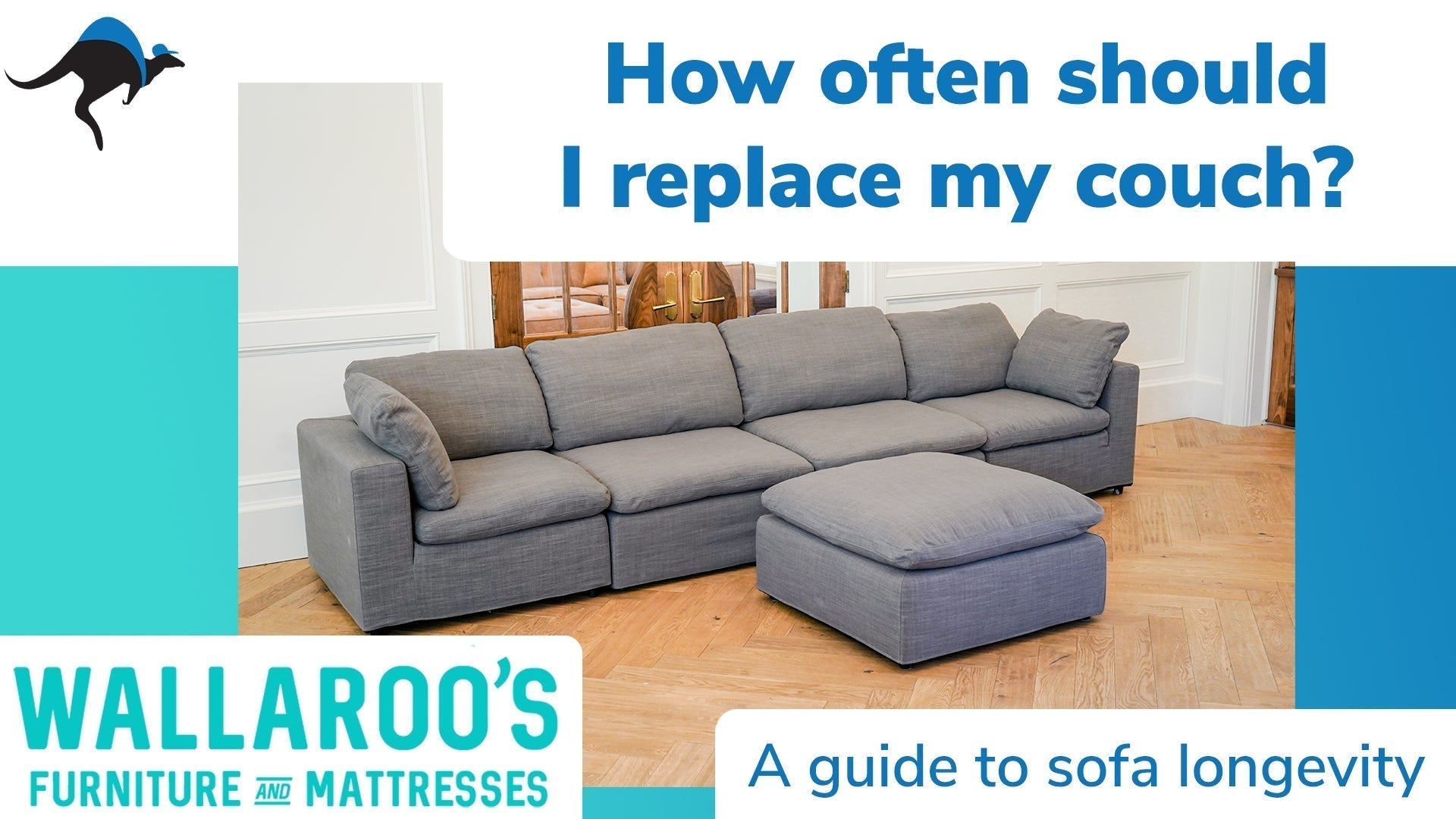
Credit: wallaroosfurnitureandmattresses.com
Frequently Asked Questions
How Often Do People Replace Living Room Furniture?
People typically replace living room furniture every 7 to 15 years, depending on wear, comfort, and style preferences.
What Is The 2/3 Rule Furniture?
The 2/3 rule in furniture means two-thirds of a wall’s length should be covered by furniture. It balances space and comfort.
What Is The Average Lifespan Of Living Room Furniture?
The average lifespan of living room furniture ranges from 7 to 15 years. Quality, usage, and maintenance affect durability. Regular care extends furniture life significantly. Replace items showing structural damage, persistent stains, or loss of comfort. Proper cleaning and protection from sunlight help maintain appearance and function longer.
How Long Should You Keep A Couch Before Replacing It?
Keep a couch for 7 to 15 years, depending on quality and usage. Replace it if cushions sag, frame breaks, or fabric tears. Regular cleaning and minor repairs extend its life.
Conclusion
Replacing living room furniture depends on its condition and comfort. Watch for broken frames, worn cushions, or stains. Clean and protect your pieces to extend their life. Small repairs now prevent bigger problems later. Trust your feelings—if the furniture feels old or uncomfortable, it may be time.
A fresh look can brighten your space and mood. Regular care helps you enjoy your furniture longer. Choose quality pieces that fit your lifestyle and needs. Your living room deserves furniture that feels right every day.