Are you wondering when the right time is to move your little one from a crib to a toddler bed? It’s a big step for both you and your child, filled with excitement and a few worries.
You want to make sure your child is ready, safe, and comfortable during this change. But how do you know when that moment has truly arrived? Keep reading, and you’ll discover clear signs to watch for, helpful tips to make the switch smooth, and expert advice to ease your mind.
This guide will help you feel confident about making this important transition at just the right time for your family.
Signs Your Child Is Ready
Knowing when to move your child to a toddler bed is important. Some kids are ready earlier than others. Watch for signs that show your child is ready. These signs help make the transition smooth and safe. Pay attention to how your child behaves around their crib and bed.
Climbing Out Of Crib
One common sign is when your child starts climbing out of their crib. This can be dangerous and shows they need more space. Climbing means your child wants freedom and more room to move. It is a clear signal to think about a toddler bed.
Showing Interest In Big Bed
Your child may show curiosity about your bed or other big beds. They might ask to sleep there or touch the mattress. This interest means they are ready for a change. It shows they want to be more grown-up and try new things.
Sleeping Through The Night
Sleeping through the night is a good sign your child is ready. It means they can stay in bed without needing help. When your child sleeps well, they can handle a bigger bed. It makes the move easier and less scary for them.
Typical Age Range For Transition
Choosing the right time to move your child from a crib to a toddler bed is important. This change helps your child feel safe and comfortable. Most children make this transition during a typical age range. Understanding this range can help you plan the move smoothly.
Common Ages For Moving To Toddler Bed
Many children switch to a toddler bed between 18 months and 3 years old. This period is common because toddlers grow fast. They start to show interest in climbing out of the crib. Parents often move children before they try climbing out to keep them safe.
Some toddlers stay in their crib longer. Others may be ready earlier. The key is to watch your child’s behavior and comfort level. Moving too early or too late can cause sleep problems.
Variations Based On Child Development
Every child grows at their own pace. Some may be ready to transition at 16 months. Others might not be ready until 3 years old or later. Physical skills, like climbing, affect when to move. Emotional readiness also matters.
Your child’s confidence in using a new bed is important. Some children feel scared or unsure at first. Others enjoy the independence of a toddler bed right away. Pay attention to your child’s cues and needs during this change.
Factors Influencing Transition Timing
Choosing the right time to move your child to a toddler bed depends on several key factors. These factors help ensure the transition is smooth and safe. Each child grows and develops at their own pace. Understanding these signs can guide parents in making the best decision.
Physical Growth And Mobility
Physical development plays a big role in the timing. Your child should be able to climb in and out of bed safely. Strong muscles and good balance reduce the risk of falls. Toddlers who can walk and move around with ease usually adapt better. Watch for signs like standing on their own and climbing stairs.
Emotional Readiness
Emotional comfort matters just as much as physical ability. Some children feel excited about a new bed. Others may feel anxious or scared. Your child should show curiosity or interest in the bigger bed. Being able to stay calm and sleep alone helps the adjustment. Notice if your toddler talks about the new bed or shows independence.
Safety Considerations
Safety is the top priority during this change. The toddler bed should have guardrails to prevent falls. Check the room for hazards like sharp corners or loose cords. The bed should be low to the ground for easy access. Make sure the sleep environment remains cozy and secure. This reduces accidents and helps your child feel safe.

Credit: www.whattoexpect.com
Preparing Your Child For The Change
Preparing your child for the change to a toddler bed is important for a smooth transition. This step helps your child feel safe and excited about the new bed. It also reduces fears and confusion during bedtime. Taking time to prepare makes the move easier for both you and your child.
Involving Your Child In Bed Selection
Let your child help choose the new bed. This involvement gives them a sense of control and pride. Take them shopping or show pictures of different beds. Ask which one they like best. A bed with their favorite color or character makes bedtime more fun.
Establishing A New Bedtime Routine
Create a simple, calming routine for bedtime. Keep it similar to the old routine but add new steps for the toddler bed. For example, read a favorite story or sing a lullaby. A clear routine helps your child know what to expect each night.
Using Comfort Items
Comfort items make the new bed feel safe. Let your child bring a favorite blanket, stuffed animal, or pillow. These items give a sense of security and calm. They help your child relax and settle into the new bed more easily.
Making The Transition Smooth
Changing from a crib to a toddler bed is a big step for your child. This change can feel strange or scary for them. Making the move smooth helps your child feel safe and happy. Small actions can make a big difference in how your child adjusts.
Creating A Safe Sleep Environment
Make sure the room feels cozy and secure. Use a toddler bed with guardrails to prevent falls. Remove sharp or hard objects near the bed. Keep the room at a comfortable temperature. Soft night lights can help your child see at night. Familiar toys or blankets add comfort. A quiet room helps your child relax and sleep well.
Handling Nighttime Fears
Night fears are common during this stage. Listen carefully if your child talks about scary dreams. Use calm and gentle words to comfort them. Offer a night light to chase away shadows. A bedtime story can make your child feel safe. Avoid showing fear yourself. Your calmness reassures your child that all is well.
Consistency And Patience
Stick to a regular bedtime routine every night. This routine signals it is time to sleep. Be patient if your child wakes up or feels unsure. Calmly guide them back to bed without anger. Praise small steps and progress. Changes take time, so keep encouraging your child. Your steady support builds confidence and trust.

Credit: busytoddler.com
Common Challenges And Solutions
Moving your child to a toddler bed can bring some challenges. Many parents face similar issues during this transition. Knowing common problems helps you prepare and respond better. Here are some frequent challenges and easy solutions to try.
Resistance To The New Bed
Children often feel unsure about a new bed. They may want to stay in their crib longer. Let your child explore the new bed during the day. Use favorite blankets or toys to make it feel safe. Praise them for trying the new bed. Patience is key as they adjust.
Nighttime Wandering
Some toddlers get out of bed at night. They may walk around or come to your room. Use a baby gate or door alarm for safety. Teach your child to stay in bed with simple rules. A night light can also help comfort them. Consistency helps reduce wandering over time.
Regression And Setbacks
Occasional setbacks are normal. Your child might want to go back to the crib. Stress or changes can cause this behavior. Stay calm and gently guide them back to the toddler bed. Keep the bedtime routine the same every night. Reassure your child with love and patience.
When To Wait Longer
Knowing when to wait longer before moving your child to a toddler bed is very important. Each child grows and learns at their own pace. Some kids may not be ready even if they are the right age. Watching your child closely helps you decide the best time to make the change.
Signs To Delay Transition
Some signs show your child needs more time in their crib. If your child often climbs out of bed, it may be unsafe to switch. Night waking or fear of the new bed can mean they are not ready. Also, if your child is going through big changes, like starting daycare, wait longer. These signs suggest a longer stay in the crib helps your child feel safe and secure.
Consulting Pediatric Advice
Talking with your child’s doctor can give clear guidance. Pediatricians know how kids develop and can spot readiness signs. They can help if your child has special needs or health concerns. Doctors can suggest the best timing to avoid stress or accidents. Always ask for advice if you feel unsure about moving your child to a toddler bed.
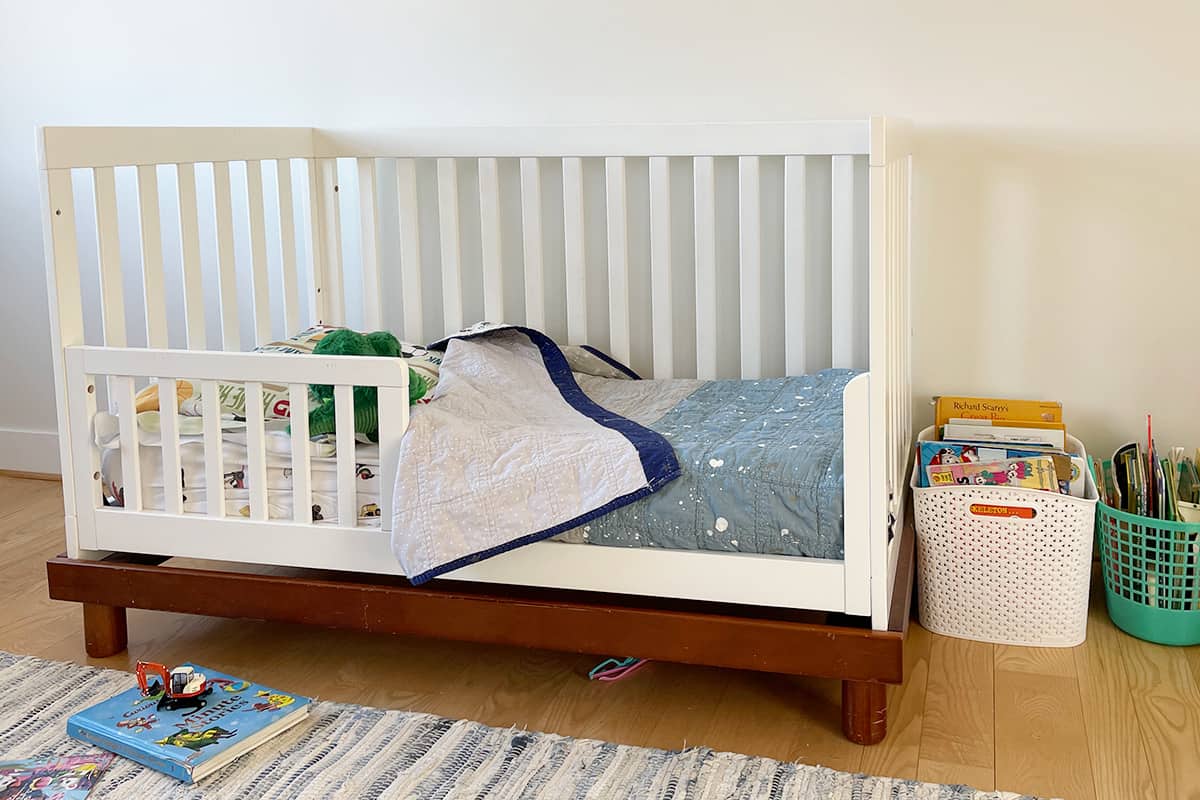
Credit: www.yummytoddlerfood.com
Frequently Asked Questions
When Is The Right Age To Switch To A Toddler Bed?
Most children transition to a toddler bed between 18 months and 3 years. This change depends on the child’s size, mobility, and readiness for a bigger bed.
What Signs Show A Child Is Ready For A Toddler Bed?
Climbing out of the crib, showing interest in a bed, and needing more space are key readiness signs for toddler beds.
How To Make The Toddler Bed Transition Smooth?
Introduce the bed gently, keep a consistent bedtime routine, and use comfort items like favorite toys or blankets.
Is It Safe To Switch To A Toddler Bed Too Early?
Switching too early can cause safety risks and sleep disruptions. Wait until your child shows readiness signs.
Conclusion
Every child grows at their own pace. Transition to a toddler bed usually happens between 18 months and 3 years. Watch for signs like climbing out of the crib or showing interest in a big bed. Safety is important—make sure the room is child-friendly.
Trust your instincts and your child’s comfort. This step helps them feel more independent and secure. Keep routines steady for better sleep. Remember, patience makes the process easier for both of you. Moving to a toddler bed is a small but big change.
It marks a new chapter in your child’s growth.