Are you wondering how long your child can safely use a toddler bed? Choosing the right bed size is more than just a simple decision—it affects your child’s comfort, safety, and sleep quality.
If you want to know when it’s time to move on from the toddler bed and what signs to watch for, you’ve come to the right place. Keep reading to discover practical advice that will help you make the best choice for your little one’s growing needs.
When To Start Toddler Bed
Choosing the right time to start using a toddler bed is important for your child’s comfort and safety. This transition marks a big step from the crib to a more grown-up sleeping space. Knowing when to make this change helps your child sleep better and feel more secure.
Signs Your Child Is Ready
Your child shows clear signs before moving to a toddler bed. They try to climb out of the crib. This can be dangerous and means the crib is no longer safe. Your child may also ask to sleep in a “big kid” bed. They might show interest in choosing their bedding or the bed itself. Sleeping habits can change too, like waking up more often or wanting more freedom at night.
Age Considerations
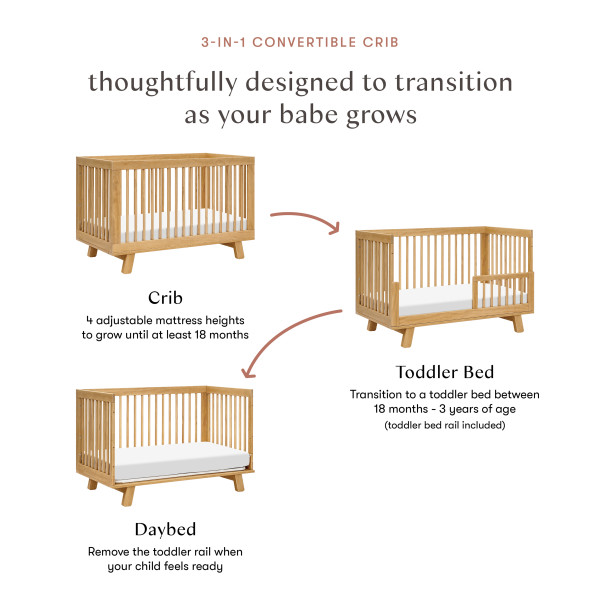
Most children start using a toddler bed between 18 months and 3 years old. This range fits many children’s growth and development stages. Some kids may be ready sooner, while others take longer. Age is just one factor. Physical ability and emotional readiness matter more. A toddler bed suits children who can get in and out safely on their own. Watch your child’s behavior and readiness more than the calendar.
Credit: babyletto.com
Duration Of Toddler Bed Use
The duration a child uses a toddler bed varies widely. It depends on the child’s growth, comfort, and readiness for a bigger bed. Parents often wonder how long their little one should stay in a toddler bed. Understanding the average time frame and key factors can help make this transition smoother.
Average Time Frame
Most children start using a toddler bed around 18 months to 3 years old. They typically stay in it for about 2 to 3 years. Many kids move to a twin or full-sized bed by ages 4 to 6. This range allows room for growth and safety. Every child’s timeline will differ based on their needs.
Factors Affecting Duration
Child’s size and development play a big role. Some children outgrow toddler beds quickly. Others may feel more secure and stay longer. Safety is important. If a child climbs out or feels cramped, it might be time to switch. Family routines and space at home also matter. Some parents delay the change for convenience. Watching your child’s behavior helps decide the right moment.
Safety Tips For Toddler Beds
Safety is the top priority when choosing a toddler bed. Toddlers are active and curious, so a safe bed helps prevent accidents. Following safety tips creates a secure sleeping space for your child. These tips help keep your toddler comfortable and protected during sleep.
Choosing The Right Bed
Select a bed that fits your toddler’s size and age. Look for beds with guardrails on both sides to stop falls. Check that the mattress fits snugly inside the frame. Avoid beds with sharp edges or small parts that can break off. Choose a sturdy bed made from non-toxic materials for extra safety.
Preventing Falls And Injuries
Place the bed away from windows and furniture your child can climb. Use guardrails to keep your toddler from rolling off. Keep the floor clear of toys and clutter to avoid tripping hazards. Use a soft rug beside the bed to cushion any falls. Teach your toddler to stay in bed during sleep time for safer rest.
Signs To Move Beyond Toddler Bed
Knowing when to move your child from a toddler bed is important. It helps keep them safe and comfortable. Some clear signs show your child is ready for a bigger bed. Watch for changes in size, comfort, and behavior. These clues help you decide the right time to switch beds.
Pay close attention to how your child uses their bed. Their needs change as they grow. Recognizing these signs early makes the transition easier for everyone.
Outgrowing Size And Comfort
Your child may outgrow the toddler bed in height or weight. Legs might hang over the edge. They might find it hard to stretch out. This can make sleep uncomfortable. If your child wakes up often or seems cramped, it’s time to consider a bigger bed. Comfort is key for good rest and growth.
Behavioral Indicators
Watch your child’s behavior around bedtime and sleeping. Climbing out of the toddler bed often shows they need more space. Fear of falling or trouble settling can also mean the bed feels too small. Some kids ask for a “big kid” bed or show interest in a regular bed. These signs suggest they are ready for the next step.
Making The Transition To Big Kid Bed
Moving from a toddler bed to a big kid bed marks a big step for your child. It is a time full of excitement and new experiences. This change can feel scary for some kids. Careful planning helps make this transition smooth and safe. Creating a positive bedtime routine supports your child’s confidence and comfort. Here are ways to prepare your child and set up a cozy space for them.
Preparing Your Child
Talk to your child about the new bed before the switch. Use simple words and explain why the change is good. Let them touch and explore the big kid bed first. Encourage questions and listen to their feelings. Use stories or books about moving to a big bed. These can make the idea less scary. Keep the bedtime routine familiar to reduce anxiety. Praise your child for trying the new bed. Small rewards can motivate them to sleep in it.
Creating A Comfortable Space
Make the bedroom inviting and safe. Choose soft, cozy bedding that your child likes. Add favorite blankets or stuffed animals for comfort. Ensure the room is tidy and free of hazards. Use a nightlight to ease fear of the dark. Keep the room temperature just right, not too hot or cold. Arrange furniture so your child can get in and out easily. A welcoming space helps your child enjoy the new bed more.
Handling Challenges During Transition
Transitioning a child to a toddler bed brings new challenges. This change can be exciting yet difficult for your little one. Patience and clear steps help ease this process. Handling resistance and keeping a steady routine make the shift smoother.
Dealing With Resistance
Children may feel scared or unsure about the new bed. They might want to stay in their crib instead. Stay calm and listen to their fears. Offer comfort and explain the new bed is safe. Use praise when they try to sleep in the toddler bed. Small rewards can encourage positive behavior. Avoid forcing them to stay in the bed. Gentle guidance helps build trust and confidence.
Maintaining Sleep Routine
A consistent sleep routine is key during this change. Keep bedtime rituals like reading a story or singing a song. Stick to the same sleep time each night. This creates a sense of security for your child. Avoid big changes in the evening schedule. Calm and quiet activities help signal bedtime. A steady routine helps your child adjust faster to their toddler bed.
Expert Recommendations
Experts offer clear advice about how long a child should use a toddler bed. Their recommendations focus on safety and comfort. These guidelines help parents make smart choices for their child’s sleep environment.
Experts stress the need to watch each child closely. Every child grows and develops at a different pace. A one-size-fits-all rule does not work well for toddler beds.
Tailoring To Individual Needs
Every child is unique. Some may outgrow a toddler bed by age three. Others may need it longer, even up to age five. Experts suggest checking for signs like climbing out or discomfort.
Changing too early can make the child feel unsafe. Changing too late might limit their space and freedom. The key is to balance safety and comfort based on the child’s behavior.
Consulting Pediatricians
Pediatricians provide valuable advice about the right time to move on. They consider the child’s physical growth and development. Parents can discuss sleep habits and safety concerns during visits.
Doctors also help identify risks like restless sleep or frequent falls. They guide parents on when to switch to a bigger bed. Consulting a pediatrician ensures decisions support healthy growth and safety.

Credit: www.whattoexpect.com

Credit: www.flyawaydesigns.com
Frequently Asked Questions
How Long Do Toddlers Typically Use A Toddler Bed?
Toddlers usually use a toddler bed from ages 2 to 5. This depends on their size and comfort. Many kids transition to a regular bed around age 5.
When Should A Child Move From Toddler Bed To Regular Bed?
Children often switch to a regular bed between ages 4 and 6. Signs include outgrowing the bed or needing more space. Safety and comfort are key factors for the transition.
Can Toddler Beds Fit Children Older Than Five Years?
Toddler beds can fit some children older than five if they are small. However, most kids outgrow toddler beds by age 5. Moving to a bigger bed usually improves sleep quality.
Are Toddler Beds Safe For Older Toddlers And Preschoolers?
Yes, toddler beds are designed for safety with low frames and guardrails. They suit toddlers and preschoolers up to about 5 years old. Always check weight limits and stability.
Conclusion
Choosing the right time to switch from a toddler bed is important. Most kids use toddler beds until they are about five years old. This depends on their size and comfort. Watch your child’s growth and sleeping habits closely. Safety and ease of use should guide your decision.
Every child is different. Trust your instincts and your child’s needs. A smooth transition helps kids feel secure and happy. Keep these points in mind for a good bedtime routine.