Are you wondering how long after your toddler’s nap you should put them to bed? Finding the perfect gap between nap time and bedtime can feel like a tricky balancing act.
Too soon, and your little one might not be tired enough to fall asleep easily. Wait too long, and they could become overtired, making bedtime a struggle for both of you. You’ll discover simple, practical tips to help you create the best sleep schedule for your toddler.
Keep reading to learn how to make bedtime smoother and get your child the rest they need — and deserve.

Credit: raisingchildren.net.au
Nap Timing And Bedtime
Nap timing plays a key role in a toddler’s bedtime routine. It affects how easily your child falls asleep at night. A well-timed nap helps your toddler rest well and sleep better later. Too close or too far from bedtime can cause problems. Understanding the right gap between nap and bedtime is important for a smooth sleep schedule.
Ideal Gap Between Nap And Bed
The best gap between nap and bedtime is usually two to three hours. This gives your toddler time to feel tired again. It helps them fall asleep faster at night. Too short a gap can make your child too awake. Too long a gap may cause overtiredness, making sleep harder.
Effects Of Short And Long Gaps
A short gap between nap and bedtime may cause restlessness. Toddlers may not feel sleepy enough to fall asleep fast. This can lead to delayed bedtime and less night sleep. A long gap can make toddlers overtired and cranky. Overtiredness may cause difficulty in falling asleep or frequent waking.
Finding the right nap-to-bedtime gap helps keep your toddler calm. It supports better sleep quality and mood the next day.

Credit: www.childrenscolorado.org
Toddler Sleep Needs
Toddlers need a good amount of sleep to grow and stay healthy. Sleep helps their brain develop and keeps their mood steady. Parents often wonder how long after a nap their toddler should go to bed at night. Understanding toddler sleep needs can help set the right schedule.
Each toddler is different, but there are general guidelines. Knowing these can make bedtime easier and help your child feel rested.
Recommended Sleep Duration
Toddlers usually need between 11 to 14 hours of sleep in 24 hours. This total includes both nighttime sleep and naps. Most toddlers take one or two naps during the day. The right amount of sleep helps them stay active and learn better.
Age-specific Sleep Patterns
At 1 to 2 years old, toddlers often nap twice a day. Each nap lasts about 1 to 2 hours. By age 3, many toddlers switch to one nap per day. This nap usually lasts 1 to 3 hours. Nighttime sleep grows longer as naps get shorter. Understanding these patterns helps choose the best time for bedtime after naps.
Signs Your Toddler Is Ready For Bed
Knowing when your toddler is ready for bed helps create a smooth bedtime routine. Toddlers show clear signs that tell you it is time to sleep. These signs are easy to spot if you watch closely. Recognizing them can help avoid bedtime battles and fussiness.
Behavioral Cues
Toddlers often become quieter and less active before bed. They may rub their eyes or yawn repeatedly. Some start to lose interest in toys or games. Clinginess or wanting to be held more than usual can also show tiredness. Watch for fussiness or mood swings as well. These behaviors signal your child is ready to rest.
Physical Indicators
Physical signs include heavy eyelids and slowed movements. Your toddler might stretch or yawn often. Their breathing may become slower and deeper. Some toddlers show pale skin or droopy posture. These signs mean their body is winding down for sleep. Paying attention helps set the right bedtime after naps.
Adjusting Naps For Better Night Sleep
Adjusting naps can help improve your toddler’s night sleep. Toddlers need good rest both day and night. Sometimes naps can make bedtime harder. Changing nap length or timing can help your child sleep better at night.
Watch your toddler’s behavior to find the best nap routine. Small changes can make a big difference. A good balance between daytime and nighttime sleep keeps your toddler happy and rested.
Shortening Or Eliminating Naps
Short naps can leave toddlers tired at bedtime. Too long naps might make falling asleep at night tough. Try reducing nap time by 15 to 30 minutes. Some toddlers may stop needing naps after age three. If your child resists naps often, consider skipping one. Skipping naps occasionally can help them sleep better at night.
Balancing Daytime And Nighttime Sleep
Toddlers usually need 11 to 14 hours of sleep daily. Divide this between naps and night sleep. A long nap might reduce night sleep hours. Aim for 1 to 2 hours of nap time. Ensure your toddler gets enough sleep at night too. Watch for signs of tiredness to adjust nap length. Consistent sleep routines help balance daytime and nighttime rest.
Common Mistakes And Solutions
Many parents face challenges with toddler sleep schedules. Common mistakes can cause bedtime struggles. Understanding these errors helps create better routines. Simple changes bring calm evenings and happy toddlers.
Late Naps And Delayed Bedtime
Giving a toddler a nap too late can push bedtime later. This delay makes it hard for toddlers to fall asleep. Their bodies do not feel tired enough yet. A nap close to dinner or evening confuses their internal clock. To fix this, try ending naps at least three hours before bedtime. This gap helps toddlers feel sleepy on time. Consistent nap times improve overall sleep quality and mood.
Overtiredness And Sleep Resistance
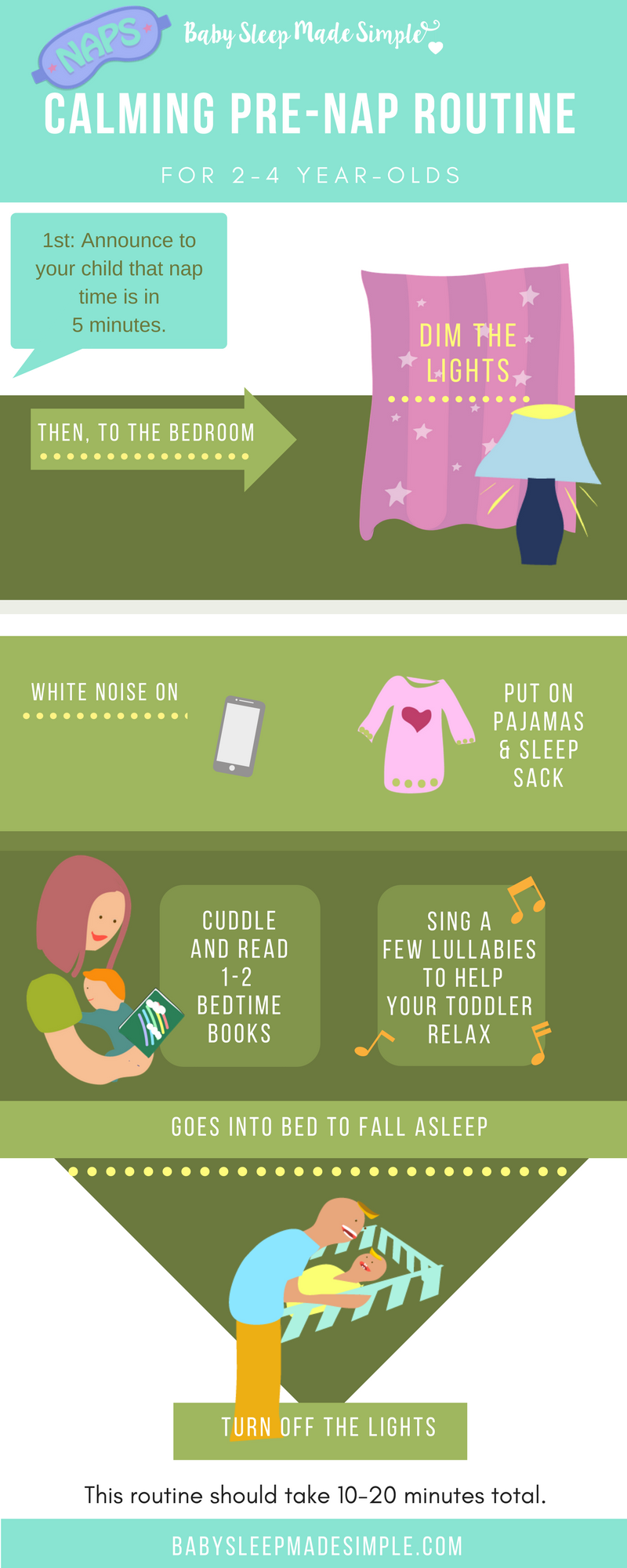
Missing nap times or shortening naps causes overtiredness. When toddlers get too tired, they often fight sleep. Their bodies produce stress hormones that block sleep signals. This leads to crying and difficulty settling down. Prevent overtiredness by watching for early signs of sleepiness. Create a calm, quiet environment before bedtime. A soothing routine helps toddlers relax and accept sleep easily.
Credit: www.babysleepmadesimple.com
Expert Tips For Smooth Transitions
Helping toddlers move from nap time to bedtime can be tricky. Smooth transitions make a big difference in how well your child sleeps at night. Experts suggest simple steps to make this change easier. These tips help your toddler feel calm and ready for bed after napping.
Consistent Sleep Routines
Keep the sleep schedule steady every day. Toddlers feel safe with the same routine. A regular nap and bedtime help their body clock. Start winding down activities at the same time each evening. This signals the brain that sleep is coming soon. Bath time, storytime, and quiet play work well. Avoid screen time before bed to keep the mind calm.
Creating A Sleep-friendly Environment
Make the bedroom cozy and quiet. Dim the lights to help your toddler relax. Use a soft blanket or favorite toy for comfort. Keep the room cool and free from noise. Limit bright colors or busy patterns in the sleep area. A calm space helps children feel safe and ready to sleep. White noise machines or soft music may also soothe them.
Frequently Asked Questions
How Long After A Nap Should Toddlers Sleep?
Toddlers should ideally go to bed 3 to 4 hours after their last nap. This timing helps ensure they are tired enough for nighttime sleep without being overtired.
Can A Nap Too Close To Bedtime Affect Toddlers?
Yes, napping too close to bedtime can delay sleep onset and reduce sleep quality. It’s best to avoid naps within 2 hours of bedtime.
What Is The Ideal Nap Duration For Toddlers?
A toddler’s nap should last about 1 to 2 hours. This duration helps maintain a healthy sleep schedule and prevents bedtime resistance.
How Do Naps Influence Toddler’s Nighttime Sleep Quality?
Properly timed naps improve nighttime sleep quality by preventing overtiredness. Too long or late naps can disrupt the sleep cycle, causing restless nights.
Conclusion
Finding the right time between a toddler’s nap and bedtime helps their sleep. Too little time can make falling asleep hard. Too long can cause tiredness and fussiness. Aim for a gap that suits your child’s needs and daily routine.
Watch how your toddler behaves to adjust this timing. Good sleep habits create happy, rested children. Keep it simple and consistent for the best results. Your toddler will thank you with peaceful nights and bright days.