Are you wondering how long your little one can safely use a toddler bed? It’s a common question for many parents trying to make the best choices for their child’s comfort and safety.
Knowing when to move your child from a toddler bed to a bigger bed can save you from restless nights and unexpected tumbles. You’ll discover the key signs to watch for and expert tips to help you decide the perfect time to make the switch.
Keep reading to ensure your child’s sleep space grows just right with them.
Credit: www.yummytoddlerfood.com
When Toddlers Transition To Beds
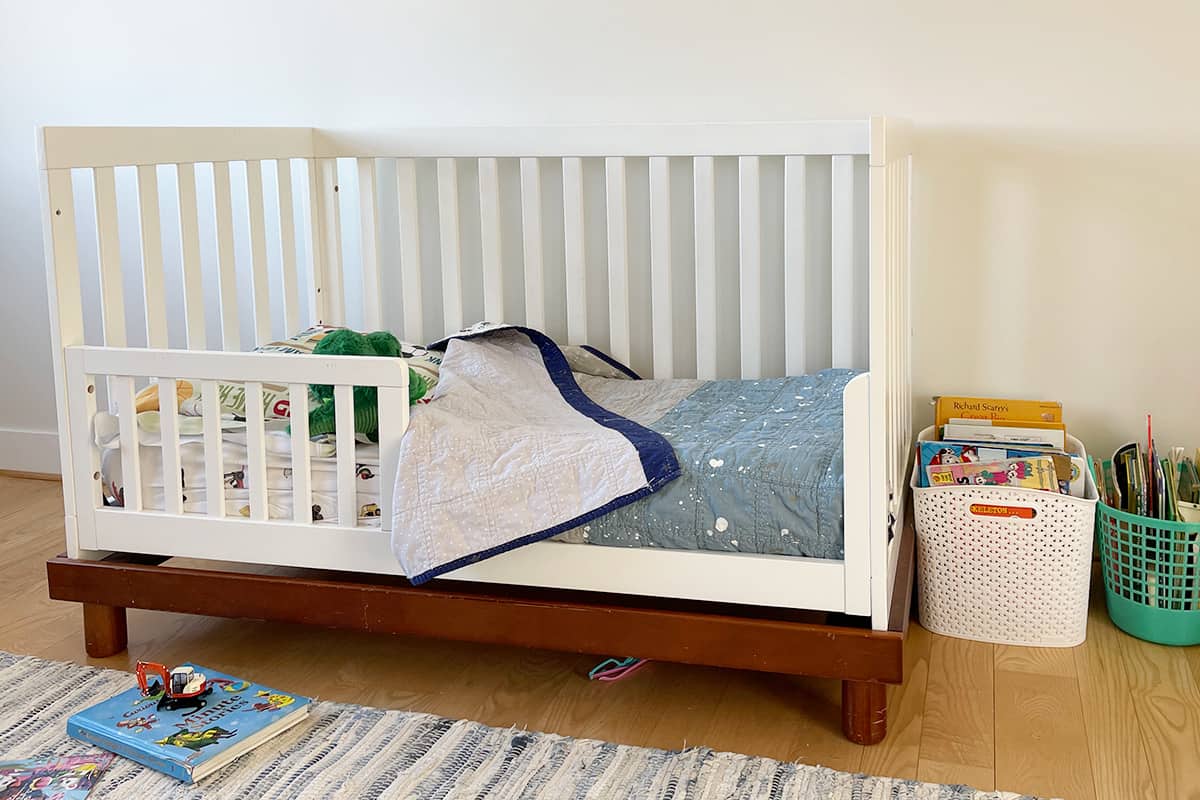
Moving from a crib to a toddler bed is a big step for both parents and children. This transition helps toddlers gain independence and sleep more comfortably. It also supports their growing need for space and freedom during bedtime. Knowing the right time to switch can make the process smooth and less stressful.
Every child is different, so watch for key signs that show readiness. Understanding the typical age range helps set realistic expectations. This knowledge helps parents prepare and choose the best bed for their child.
Signs Your Child Is Ready
Your toddler might start climbing out of the crib. This can be dangerous and signals the need for a bed. Showing curiosity about a “big kid” bed is another sign. If your child asks to sleep in a regular bed, that is a strong hint. Nighttime fears or resistance to the crib also indicate it’s time to switch.
Sometimes, toddlers resist naps or bedtime in a crib. A toddler bed offers more freedom and comfort. It helps them feel more grown-up and secure.
Typical Age Range For Switching
Most children move to a toddler bed between 18 months and 3 years old. This range varies based on the child’s development and family needs. Some children switch earlier if they climb out of the crib. Others stay longer if they feel safe in their crib.
Choose a toddler bed with safety rails to prevent falls. The bed should fit the child’s size comfortably. Comfort and safety help your toddler enjoy the transition and sleep well.
Safety Considerations For Toddler Beds
Choosing the right toddler bed involves more than just size and style. Safety is the top priority for parents and caregivers. Toddler beds must protect your child during sleep and play. Understanding key safety factors helps keep your toddler secure and comfortable every night.
Weight And Size Limits
Each toddler bed has a weight and size limit. These limits prevent the bed from breaking or becoming unsafe. Check the manufacturer’s guidelines before buying or using a bed. A bed too small or weak can cause accidents. Make sure your child fits comfortably without squeezing or hanging off the edges.
Measure your child’s height and weight regularly. As toddlers grow fast, they may outgrow their bed sooner than expected. Switching to a bigger bed at the right time reduces risks and improves sleep quality.
Bed Rail Importance
Bed rails stop toddlers from rolling off the bed during sleep. Rails provide a safe boundary on the bed’s sides. Choose beds with sturdy rails that are the right height for your child.
Rails should have no sharp edges or gaps where fingers can get stuck. Some beds have removable rails, useful when your toddler is ready to move to a bigger bed. Safety-tested rails reduce falls and injuries at night.
Comparing Toddler Beds To Cribs And Twin Beds
Choosing the right bed for your child is important for their comfort and safety. Toddler beds, cribs, and twin beds each serve different age groups and needs. Understanding how they compare helps parents decide the best time for a change. Toddler beds offer a middle ground between cribs and twin beds.
Benefits Of Toddler Beds
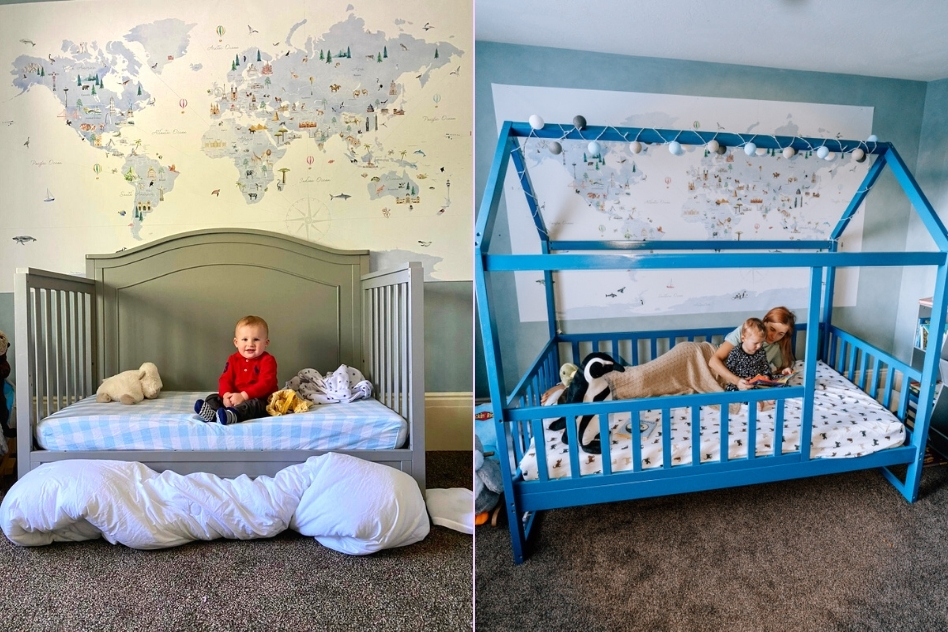
Toddler beds are smaller than twin beds, making the space feel cozy. They have low frames, so children can get in and out easily. Most toddler beds come with guardrails to prevent falls. These beds help kids feel more independent while keeping them safe. Using a toddler bed can reduce the risk of injury compared to moving directly to a twin bed.
When To Move To A Twin Bed
Children usually switch to twin beds between ages 4 and 6. When a child outgrows the toddler bed in size, it’s time to upgrade. If your child climbs out of the toddler bed often, a twin bed might be safer. Twin beds give more room for growing children and last longer. Choosing the right time depends on your child’s size and behavior.
Credit: annainthehouse.com
Common Challenges During The Transition
Moving a toddler to a bed is a big change. It can bring some challenges for both kids and parents. Toddlers may feel unsure or scared about the new bed. They may resist bedtime or wake often during the night. Parents might need patience and some new strategies. Understanding common problems helps make the switch easier.
Dealing With Nighttime Resistance
Toddlers often resist bedtime after moving to a bed. They might want to stay up longer or leave their room. Setting clear bedtime rules helps. Use calm, firm words to explain the new routine. Consistency is key. Bedtime stories or a favorite toy can comfort them. Praise good sleep habits to encourage cooperation.
Ensuring A Comfortable Sleep Environment
A cozy sleep space helps toddlers feel safe. Soft bedding and familiar blankets provide comfort. Keep the room dark but use a night light if needed. Avoid loud noises and distractions near the bed. A cool, quiet room promotes better sleep. Check the bed’s size and safety to prevent falls.
Expert Tips For A Smooth Bed Transition
Knowing when to stop using a toddler bed helps keep your child safe and comfortable. Toddler beds suit young children who have outgrown cribs but still need a small bed. Over time, your child will need a bigger bed to support their growth and changing needs.
Watching your child’s behavior and physical changes can guide you on when to move on. This transition should feel natural and suit your child’s comfort and safety. Moving too early or too late can cause sleep problems or safety risks.
Signs It’s Time To Upgrade
Your child climbs out of the toddler bed often. This shows they might be ready for a bigger bed. If your child’s feet hang over the bed’s edge, it means the bed is too small. Complaints about feeling cramped or uncomfortable also suggest a change is needed.
Growing taller and heavier can make the toddler bed unsafe. Check if your child tries to sleep on the floor or moves to your bed. These signs show they need a new sleeping space. Safety is key when deciding to upgrade.
Choosing The Next Bed Type
Consider a twin bed as the next step. It offers more space and lasts longer. Many kids enjoy the freedom of a larger bed. Another option is a full-size bed for bigger kids, providing extra room to grow.
Look for beds with guardrails for safety. These prevent falls while your child adjusts. Pick a bed with a comfortable mattress suitable for your child’s size. A good bed supports healthy sleep and growth.

Credit: www.kidkraft.com
Frequently Asked Questions
How Long Is A Toddler Bed Suitable For Use?
A toddler bed is typically suitable for children aged 1. 5 to 5 years. Transition depends on the child’s size and comfort. Once a child outgrows the bed or shows signs of climbing out, it’s time to consider a bigger bed.
When Should You Switch From Toddler To Regular Bed?
Switching usually happens when your child reaches 40-50 pounds or 42-48 inches tall. Safety and comfort are key factors. If your child starts climbing out, it’s a clear sign to move to a regular bed.
Can Toddlers Safely Use A Bed Without Rails?
Toddler beds often have rails for safety, but some kids adapt well without them. If your child is a restless sleeper, rails prevent falls. Always assess your child’s sleeping habits and needs before removing rails.
What Are The Signs To Stop Using A Toddler Bed?
Signs include frequent climbing out, increased height or weight, and discomfort. If your child feels cramped or the bed no longer fits their needs, it’s time to upgrade. Safety concerns should always guide this decision.
Conclusion
Toddler beds suit children until about age five or six. Watch your child’s size and comfort closely. Safety matters most—choose a bed with guardrails. Transition when your child feels ready and secure. Each child grows at their own pace. A smooth switch helps with better sleep habits.
Keep the room safe and cozy for rest. Toddler beds offer a good bridge from cribs. Trust your instincts and your child’s needs. This helps ensure happy, safe nights for everyone.