Are you wondering when it’s the right time to move your little one from a crib to a toddler bed? Choosing the perfect moment can feel tricky, and you want to make sure your child is safe, comfortable, and ready for this big step.
You’ll discover clear signs to watch for and expert advice to help you decide exactly how old your child should be for a toddler bed. Keep reading to find out how to make this transition smooth and stress-free for both you and your child.

Credit: casakids.com
Signs Your Child Is Ready
Knowing when to switch your child to a toddler bed can be tricky. Look for clear signs your child is ready. These signs show your child’s growth and new skills. They help ensure the move is smooth and safe.
Physical Growth Milestones
Your child may outgrow the crib in height or weight. If your child climbs out of the crib, it’s a strong sign. Toddlers who can sit, stand, and walk steadily handle a toddler bed better. Check if your child can get in and out alone.
Behavioral Indicators
Notice if your child shows interest in a big bed. Curiosity about sleeping in a “grown-up” bed is common. Some toddlers ask to sleep outside the crib. If your child resists naps or bedtime in the crib, it may be time.
Potty Training Progress
Many parents wait until potty training starts. A toddler bed helps with easy bathroom access at night. If your child wakes up needing the toilet, a toddler bed is practical. This step supports independence and comfort during potty training.

Credit: www.candokiddo.com
Benefits Of A Toddler Bed
Toddler beds offer many benefits for young children and their parents. They help children grow by giving them more space and freedom. These beds also make the transition from a crib easier. A toddler bed supports a child’s growing needs and helps build good sleep habits.
Increased Independence
A toddler bed lets children get in and out on their own. This freedom boosts their confidence. They learn to follow bedtime routines by themselves. It also helps them feel more grown-up and responsible.
Safety Features Compared To Cribs
Toddler beds have low sides to prevent falls. They are designed to be close to the floor. This design reduces injury risks if a child rolls out. These beds also use safe materials without sharp edges.
Encouraging Better Sleep Habits
Toddler beds help children feel comfortable and secure. They can stretch out and find a good sleeping position. This comfort supports longer, better sleep. A consistent sleep space teaches children to sleep alone.
Choosing The Right Toddler Bed
Choosing the right toddler bed is an important step for your child’s comfort and safety. The bed should fit your child’s size and needs. It should also match the room’s style and fit your budget. Picking the right bed helps your child sleep better and feel secure.
Focus on comfort, safety, and ease of use. These factors make the transition from crib to bed smoother. Let’s explore what to consider when choosing a toddler bed.
Size And Comfort Considerations
Choose a bed that fits your child’s height and weight. A bed too big may feel scary. A bed too small will limit comfort. Look for beds with guardrails to prevent falls. Check the mattress size to ensure a snug fit. Soft mattresses help with better sleep. A cozy bed helps your child feel safe and sleep well.
Material And Design Options
Wooden beds offer durability and classic style. Plastic beds are lightweight and easy to clean. Metal beds may last long but can be cold. Choose smooth finishes to avoid splinters or scratches. Simple designs fit most room styles. Bright colors and fun shapes can excite your toddler. Select a bed that matches your child’s personality and room decor.
Budget-friendly Choices
Toddler beds come in many price ranges. Affordable options can still be safe and comfortable. Look for sales or second-hand beds in good condition. Avoid very cheap beds that lack safety features. Investing in a sturdy bed saves money over time. Compare prices and features before buying. A good bed does not have to cost a lot.
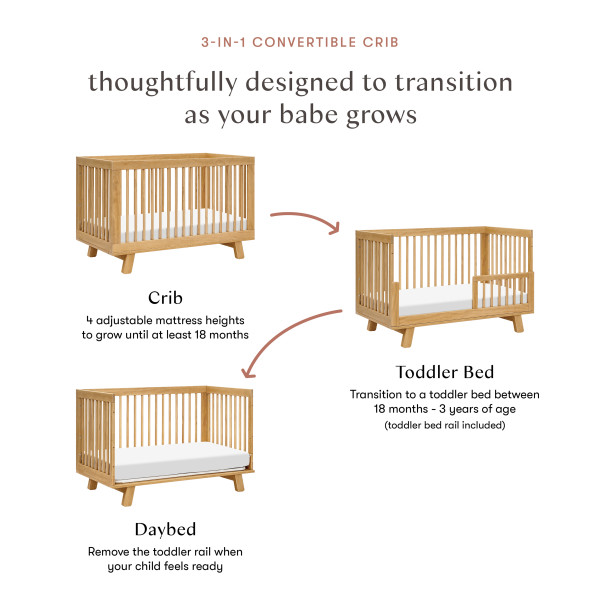
Credit: babyletto.com
Making The Transition Smooth
Moving your child to a toddler bed brings many changes. Parents often face challenges during this transition. Understanding common problems helps parents find practical solutions. These tips ease the change and make bedtime smooth.
Dealing With Bedtime Resistance
Children may feel unsure about a new bed. They might refuse to sleep or cry. Keep a calm and firm routine. Use soothing words and comfort items like a favorite blanket. Consistency helps your child feel safe and ready to sleep.
Ensuring Safety In The New Setup
Safety is a top priority with a toddler bed. Remove sharp objects and secure furniture nearby. Use bed rails to prevent falls. Check the room for hazards like cords or small toys. A safe space helps your child rest well.
Handling Nighttime Wandering
Some toddlers leave their bed at night. This can worry parents. Set gentle limits and guide your child back to bed. Use a night light to keep the room cozy. Explain that staying in bed helps them grow strong and healthy.
Frequently Asked Questions
When Is The Right Age For A Toddler Bed?
Most children transition to a toddler bed between 18 months and 3 years. This depends on their size and readiness to leave a crib. Watch for signs like climbing out of the crib or showing interest in a bigger bed.
How Do I Know If My Child Is Ready?
If your child climbs out of the crib or expresses a desire for a “big kid” bed, it’s a sign. Also, if they can follow simple instructions and stay in bed, they’re likely ready for a toddler bed.
What Safety Features Should A Toddler Bed Have?
Look for beds with low height, sturdy guardrails, and non-toxic materials. These features prevent falls and ensure your child’s safety. Avoid beds with sharp edges or unstable parts.
Can A Toddler Bed Prevent My Child From Falling?
Yes, toddler beds often have guardrails designed to keep children from rolling out. Their low height also minimizes injury risk if they do fall. This makes them safer than regular beds for young kids.
Conclusion
Choosing the right time for a toddler bed depends on your child’s needs. Most kids switch between 18 months and 3 years old. Watch for signs like climbing out of the crib or needing more space. Safety matters, so pick a bed with guardrails.
Remember, each child grows at their own pace. Trust your instincts and make the change when your child feels ready. This helps them sleep better and feel more comfortable. A smooth transition sets the stage for healthy sleep habits. Keep your child’s comfort and safety as top priorities.