Do you have a growing collection of Beanie Boos and want to give them a cozy, fun place to rest? Making a bunk bed for your Beanie Boos is easier than you think—and it adds a charming touch to your room.
Imagine your favorite plush friends stacked neatly, each with their own little nook. In this guide, you’ll discover simple steps and clever tips to create a sturdy, adorable bunk bed that fits your style and space. Ready to bring extra comfort and creativity to your Beanie Boo collection?
Let’s get started!
Materials Needed
Before starting your bunk bed project for Beanie Boos, gather all necessary materials. This step ensures a smooth building process. Knowing what you need saves time and effort.
Focus on quality materials to make the bed sturdy and safe. Choose the right wood, tools, and safety gear. Each item plays a key role in your project.
Wood Types And Sizes
Use solid pine or plywood for this project. Pine is easy to cut and strong enough for small toys. Plywood should be at least 3/4 inch thick for durability.
Cut wood into these sizes: two 24-inch long boards for the sides, two 12-inch boards for the ends, and slats about 1 inch wide for the mattress support.
Tools Required
You need a saw to cut wood pieces accurately. A drill helps make clean holes for screws. Use a screwdriver or drill bit for fastening screws securely.
Measure twice with a tape measure or ruler. Sandpaper smooths rough edges for safety and better finish.
Safety Gear
Wear safety goggles to protect your eyes from wood chips. Use gloves to avoid splinters and cuts. A dust mask prevents inhaling sawdust.
Keep your workspace clean and well-lit to avoid accidents. Safety is important for every step you take.
Design Planning
Design planning is the first step to build a bunk bed for Beanie Boos. This phase helps you create a bed that fits well and looks great. Careful planning saves time and materials. It also ensures the bed is safe and cozy for your toys.
Start by understanding the size of your Beanie Boos. Then choose the right bed dimensions. Finally, sketch the layout to visualize the final product. Let’s break down these steps.
Measuring Beanie Boos
Measure the height, length, and width of your Beanie Boos. Use a ruler or tape measure for accuracy. Note the largest Beanie Boo size. This helps make sure the bed is spacious enough. Add extra space for comfort and easy placement.
Choosing Bed Dimensions
Decide on the bed’s length, width, and height. Use your Beanie Boos’ sizes as a guide. Keep the bed small but comfortable. Make sure the top bunk has enough headroom. Think about the total height for safety.
Sketching The Layout
Draw a simple sketch of the bunk bed design. Include all parts like ladders and guardrails. Mark the dimensions clearly on the sketch. This helps avoid mistakes while building. Use the sketch to plan where each piece will go.
Cutting The Wood
Cutting the wood is a key step in making a bunk bed for Beanie Boos. Precise cuts ensure the bed fits together well and stays strong. Taking time here saves effort later. Safety is just as important as accuracy. Prepare your workspace and tools before starting to cut.
Marking Measurements
Start by measuring each piece of wood carefully. Use a tape measure and a pencil for clear marks. Double-check measurements before marking. Mark all cuts clearly on the wood surface. Use a square tool to keep lines straight. Clear, exact marks guide your cutting and reduce mistakes.
Safe Cutting Techniques
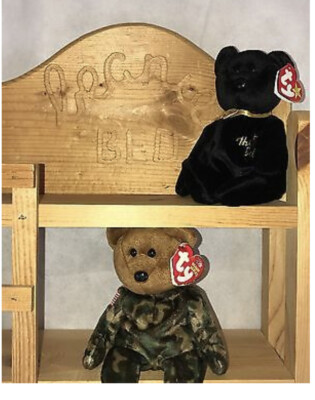
Always wear safety glasses and gloves before cutting. Use a stable workbench or sawhorse to hold wood steady. Keep fingers away from the blade path. Cut slowly and follow the marked lines closely. Use clamps to secure the wood if needed. Turn off tools and unplug when changing blades. Safety prevents accidents and keeps the project smooth.
Credit: www.ebay.com
Assembling The Frame
Assembling the frame is the first step to making a sturdy bunk bed for your Beanie Boos. A strong frame keeps the bed safe and stable. It needs to be done carefully and in parts. Start by creating a solid base, then build the bunk structure on top. Finally, add support beams to hold everything together. Follow each step with care to ensure a perfect fit and steady bed.
Building The Bed Base
Begin by cutting wooden boards to fit the size of the bed. Arrange the boards in a rectangle shape. Use screws or nails to join the boards at the corners. The base must be flat and strong. Check that it does not wobble or shake. This base will hold the mattress and your Beanie Boos safely.
Constructing The Bunk Structure
Next, build the vertical frame for the top bunk. Use four strong wooden posts for the corners. Attach these posts to the base securely. Then, add horizontal boards to create the upper bed frame. Make sure the top frame matches the size of the base. This structure should be sturdy to hold the weight above.
Attaching Support Beams
Support beams make the bunk bed stable and safe. Fix beams between the posts on all sides. Place extra beams under the bed base for more strength. Use screws to secure each beam tightly. Test the frame by pressing gently on different parts. The bed should not move or creak under pressure.
Sanding And Finishing
Sanding and finishing are key steps in making a bunk bed for Beanie Boos. These steps help make the bed safe and nice to look at. Sanding smooths out rough wood, while finishing protects the wood from damage. Taking time here makes the final product strong and pretty.
Smoothing Rough Edges
Start by sanding all wood surfaces with medium-grit sandpaper. This removes splinters and sharp spots. Pay close attention to corners and edges. Use fine-grit sandpaper for a smooth finish. Check with your hand to feel for any rough parts. Smooth edges keep Beanie Boos safe and prevent damage to the bed.
Applying Paint Or Stain
Choose paint or stain that suits the style you want. Paint adds bright colors and fun designs. Stain shows the natural wood grain. Use a brush to apply thin, even coats. Let each coat dry before applying the next. Thin layers avoid drips and uneven spots. This step makes the bunk bed more attractive and personalized.
Sealing For Durability
Seal the wood with a clear finish to protect it. Use a water-based sealant for easy cleanup and less smell. Apply two or three thin coats for best results. Sealing stops moisture from causing damage. It also keeps paint or stain from fading. This ensures the bunk bed lasts longer and stays beautiful.
Adding Bedding And Accessories
Adding bedding and accessories brings life to your Beanie Boos’ bunk bed. It makes the bed cozy and fun. Small details can make a big difference in playtime.
Choosing Mini Mattresses
Pick soft mini mattresses that fit the bunk bed perfectly. Foam or cotton materials work well. Avoid thick mattresses to keep the bed stable. Choose colors that match your theme or Beanie Boos’ favorite shades.
Decorative Pillows And Blankets
Use tiny pillows to add comfort and style. Look for bright colors or fun patterns. Small blankets can make the bed look warm and inviting. You can sew simple blankets using soft fabric or buy ready-made ones.
Personalizing The Bunk Bed
Add stickers or small toys to decorate the bed. Paint the bed in your child’s favorite colors. Personal touches make the bed special and unique. This helps your child feel proud of their creation.
Safety Tips
Safety is the top priority when making a bunk bed for Beanie Boos. A secure bed keeps your toys safe and prevents damage. Follow these simple tips to build a sturdy and safe bunk bed.
Ensuring Stability
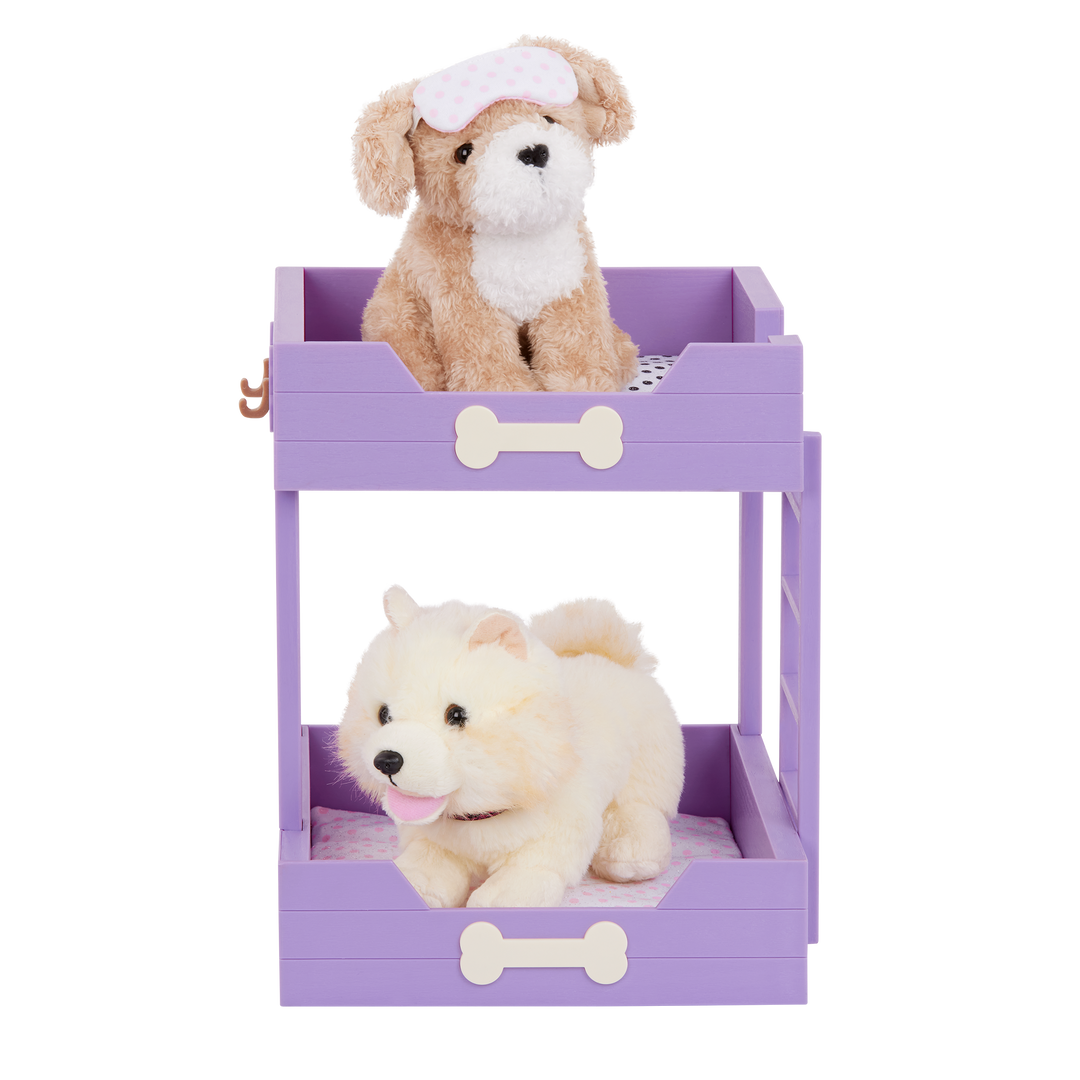
Use strong wood or plastic to build the frame. Check that all screws and nails are tight. Test the bed by gently shaking it. Add extra support if it moves too much. A stable bed stops your Beanie Boos from falling.
Avoiding Sharp Corners
Sand all edges until they are smooth. Cover corners with soft tape or foam. Sharp corners can tear the fabric or hurt your hands. Rounded edges make the bed safer and look nicer.
Regular Maintenance
Check the bed every week for loose parts. Tighten screws and replace broken pieces quickly. Clean the bed to keep it fresh and dust-free. Regular care helps the bed last longer and stay safe.
Credit: ourgenerationdolls.ca
Troubleshooting Common Issues
Building a bunk bed for Beanie Boos can be fun but may cause some common problems. These issues might slow you down or make the bed less safe. Knowing how to fix them helps keep your project smooth and your bed strong.
Below are some easy ways to solve frequent problems during the build.
Fixing Wobbly Frames
A wobbly frame makes the bed unsafe for toys. Tighten all screws and bolts first. Check if any part is loose or missing. Use wood glue on joints for extra strength. Add corner braces to support weak areas. Make sure the frame sits flat on the surface. Test stability before placing Beanie Boos on it.
Dealing With Paint Problems
Poor paint can peel or look uneven. Sand the wood smoothly before painting. Use a primer to help paint stick better. Choose non-toxic paint safe for children’s toys. Apply thin, even coats and let each dry well. Avoid painting in humid or dusty places. Fix drips or bubbles by lightly sanding and repainting.
Adjusting Bed Size
Sometimes the bed might be too big or small for Beanie Boos. Measure your toys before cutting wood. Cut pieces carefully to fit the size needed. Add or remove slats to adjust the mattress area. Ensure the height allows stacking two beds safely. Test the fit with your Beanie Boos before final assembly.
Credit: luksusbaby.com
Frequently Asked Questions
What Materials Are Needed To Make A Beanie Boo Bunk Bed?
To make a Beanie Boo bunk bed, you need wood, screws, paint, sandpaper, and a saw. Choose lightweight wood for easy handling and smooth edges for safety.
How Do I Ensure The Bunk Bed Is Safe For Beanie Boos?
Ensure safety by sanding all edges smooth and using non-toxic paint. Secure all joints tightly to prevent wobbling or collapse during play.
What Are The Best Dimensions For A Beanie Boo Bunk Bed?
Ideal dimensions are around 12 inches long, 8 inches wide, and 10 inches tall. Adjust size based on your Beanie Boos for a snug fit.
Can I Customize The Bunk Bed Design For Different Beanie Boos?
Yes, customize by adding stairs, railings, or different colors. Personalize the bed to match your Beanie Boos’ sizes and your style.
Conclusion
Building a bunk bed for Beanie Boos can be fun and simple. Follow the steps carefully and take your time. Use safe materials and check measurements twice. Your stuffed animals will love their new cozy space. This project adds charm to any room.
Enjoy creating a special spot for your collection. Keep practicing, and you will get better. Making things by hand feels great and rewarding. Now, start building and bring your ideas to life.