Are you wondering how old your child should be before sleeping in a Kura bed bunk? Choosing the right age is important for your child’s safety and comfort.
You want to make sure they’re ready to climb up and down without risk. You’ll discover the best age to start using a Kura bunk bed and tips to keep your little one safe and happy. Keep reading to learn everything you need to know before making this exciting switch!

Credit: ikeahackers.net
Age Guidelines For Kura Beds
Kura beds are popular choices for children’s rooms. They save space and offer a fun, elevated sleeping area. Understanding the right age to use a Kura bed is important. Safety and comfort depend on choosing the correct age range. This section explains the age guidelines for Kura beds.
Recommended Minimum Age
Experts suggest children should be at least six years old. At this age, kids have better balance and coordination. They can climb up and down the bed ladder safely. Younger children may find it hard to use the bunk without help. The risk of falling is higher for younger kids. Using a Kura bed before age six is not advised.
Considerations For Younger Children
For children under six, a low bed is safer. Parents can use guardrails and soft flooring near the bed. Always supervise younger children during bedtime. Some Kura beds can convert to a low bed. This option suits toddlers and preschoolers well. Safety should be the top priority for young sleepers.

Credit: ca.style.yahoo.com
Safety Risks With Kura Beds
Kura beds are fun and save space in a room. But safety is very important with these beds. Parents need to know the risks before letting children sleep in a Kura bed. The bed’s height and design can cause accidents. Understanding these risks helps keep kids safe.
Fall Hazards
Kura beds are raised off the floor. This height can cause serious falls. Young children may roll out of bed during sleep. Falls can cause bruises, cuts, or worse injuries. Guardrails help but do not stop all falls. Nighttime trips can be risky without good lighting. Always check the bed’s guardrails for sturdiness.
Climbing And Access Challenges
Kids must climb up to the top bunk. This can be hard for small children. Ladders and steps may be slippery or unstable. Climbing mistakes can cause falls or injuries. Some children may find climbing scary or difficult. Parents should supervise children climbing up and down. Teach safe climbing habits to reduce risks.
Choosing The Right Mattress
Choosing the right mattress for a Kura bed bunk is important for comfort and safety. A mattress that fits well keeps your child secure while sleeping. It also helps make the bunk bed more cozy and inviting. There are two main factors to think about: size and thickness, and firmness.
Size And Thickness
The mattress must fit the Kura bed perfectly. Too big or too small can cause safety problems. Most Kura beds fit a twin size mattress. Check the bed’s measurements before buying. Thickness matters too. A mattress that is too thick can make the bed unsafe. It may raise the sleeping surface too high. A mattress between 6 to 8 inches thick works best. This keeps the guardrails effective and your child safe.
Firmness For Safety
Firm mattresses give good support for children. A soft mattress might cause your child to sink too deep. This can lead to discomfort or unsafe sleeping positions. Firmness helps keep the body aligned and supported. Look for mattresses labeled medium-firm or firm. Avoid very soft or plush mattresses. They do not provide enough support for young kids. Safety and comfort go hand in hand with the right firmness.
Installing Guardrails
Installing guardrails on a Kura bed bunk is key for safety. They help prevent falls and give peace of mind. Proper guardrails make the bed secure for kids of different ages. Choosing the right type and placing them correctly ensures the best protection. Let’s explore the types of guardrails and how to place them properly.
Guardrail Types
There are several guardrail types for Kura beds. The most common are full-length rails that run along the bed’s side. They offer the most protection. Half-length rails cover only part of the bed’s length. These work well for older kids who need some protection but also want easy access.
Some guardrails come with vertical slats, while others have solid panels. Slats allow airflow and visibility. Solid panels give a sturdy feel and block more space. Choose based on your child’s needs and bedroom style.
Proper Placement
Place guardrails on all open sides of the bed. This stops your child from rolling off during sleep. For a Kura bed, guardrails should cover the top bunk’s edges fully. Make sure they attach tightly to the bed frame.
Check the height of the guardrails. They must be tall enough to prevent falls but not block your child’s view. The recommended height is at least 5 inches above the mattress top.
Ensure no gaps exist between the guardrails and mattress. Gaps can trap small fingers or limbs. Tight fitting rails keep your child safe and comfortable.
Room Setup For Kura Beds
Setting up a room for a Kura bed needs careful planning. This bunk bed style is fun and space-saving. It fits well in small rooms. Kids love the cozy space below the top bunk. Safety is key when arranging the room. The setup must allow easy movement around the bed. Enough space is needed for play and study areas too.
Clearance Space
Clearance space is important around a Kura bed. Leave at least two feet of space on all sides. This helps avoid bumps and accidents. Make sure the ceiling is high enough. Kids need headroom when climbing or sitting up. Avoid placing the bed near windows or ceiling fans. This reduces the risk of injury.
Soft Landing Zones
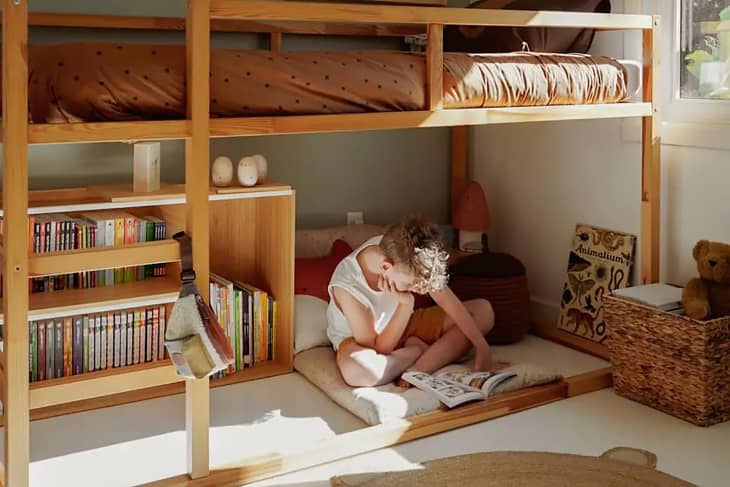
Soft landing zones add safety to a Kura bed room. Place rugs or foam mats around the bed. These cushions protect against falls from the top bunk. Soft zones also make the play area comfortable. Check that mats cover the space near the ladder. This helps prevent hard impacts during climbing.
Supervision And Habits
Supervision and habits play a key role in using a Kura bed bunk safely. Kids need guidance and clear rules to prevent accidents. Parents should watch how children use the bed. Good habits help kids feel safe and enjoy their space.
Encouraging Safe Use
Teach children to climb up and down carefully. Explain the importance of not jumping or playing rough on the bed. Set rules about bedtime and using the ladder. Show them how to use guardrails properly. Praise safe behavior to build good habits.
Nighttime Monitoring
Check on your child regularly after bedtime. Make sure the room is safe and the bed is secure. Use a nightlight to help children see the ladder. Watch for signs of restlessness or trouble climbing down. Being nearby helps prevent falls and gives peace of mind.
Credit: www.apartmenttherapy.com
Frequently Asked Questions
How Old Should A Child Be For A Kura Bed?
Children aged 6 and older are ideal for Kura beds. This age ensures better climbing skills and safety awareness. Younger kids may find the height risky. Always consider your child’s physical ability and comfort before using a bunk bed.
Is The Kura Bed Safe For Toddlers?
Kura beds are generally not safe for toddlers. The elevated height poses fall risks for very young children. It’s best to wait until your child is at least 6 years old before introducing a Kura bed to ensure safety.
Can Teenagers Use Kura Beds Comfortably?
Yes, many teenagers can comfortably use Kura beds. The bed’s dimensions suit older kids and teens well. However, ensure the bed supports the teen’s weight and size for long-term use and comfort.
What Safety Features Does The Kura Bed Have?
Kura beds include guardrails and sturdy ladders for safety. The low-to-mid height design reduces fall risks compared to taller bunk beds. Always secure the bed properly and check weight limits to maintain safety standards.
Conclusion
Kura beds suit kids aged six and older best. Younger children may find the height unsafe. Always check your child’s comfort and confidence. Use guardrails and secure ladders for safety. Keep an eye on your child while they adjust. A Kura bed can save space and be fun.
Choose the right age to ensure safe, happy sleep. Safety and comfort matter most for peaceful nights.