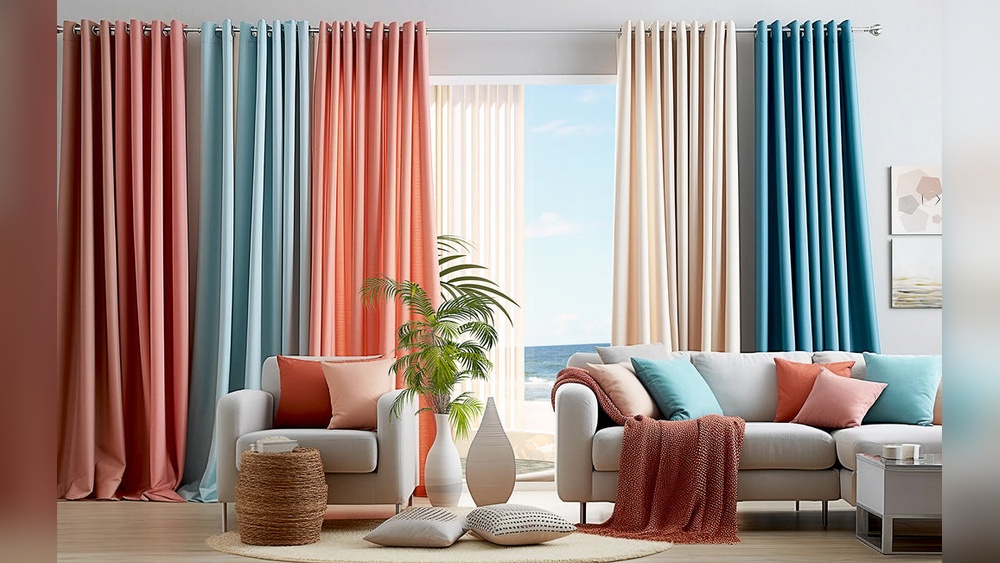
Choosing the right color for your living room furniture can feel overwhelming. You want a space that looks great, feels comfortable, and reflects your personality.
But with so many colors and styles to pick from, where do you start? This guide will help you cut through the confusion. You’ll learn simple tips to match your furniture color with your room’s mood, lighting, and existing decor.
By the end, you’ll know exactly how to pick colors that make your living room inviting and stylish—so keep reading and discover how easy it can be to transform your space with the perfect furniture color.

Credit: deconovo.com
Room Function And Mood
Creating a focal point in your living room helps guide the eye and adds style. Choosing the right furniture color can make this focal point stand out beautifully. A well-chosen color draws attention and creates a sense of balance in the room. It can make your living space inviting and visually interesting.
Using Bold Colors
Bold colors bring energy and personality to your living room. A vibrant sofa or chair in red, blue, or green instantly becomes the center of attention. These colors work best in rooms with neutral walls and simple decor. They add a splash of life without overwhelming the space. Bold furniture colors can reflect your style and make the room unique.
Contrast With Neutral Tones
Neutral tones like beige, gray, and white create a calm and timeless backdrop. Pairing bold furniture with neutral walls creates strong contrast. This contrast highlights the furniture and makes it the room’s focal point. Neutrals also help balance bright colors, keeping the room from feeling too busy. This combination suits many styles and allows for easy future changes.

Credit: valyouhawaii.com
Creating A Focal Point
Choosing the right color for your living room furniture is key to creating a balanced space. Colors can affect the mood and feel of the room. Following simple color rules helps you find harmony between furniture and surroundings. Balance makes your living room inviting and visually pleasing.
Establishing A Neutral Base
Start with neutral colors like beige, gray, or white. These shades work well as a base for any living room. Neutral tones allow you to add other colors without overwhelming the space. They create calmness and make the room feel spacious. Neutral furniture also fits with many decorating styles and themes.
Walls in soft neutral shades help highlight furniture colors. They prevent the room from looking too busy or cluttered. This approach gives you freedom to change accessories or accents later without repainting.
Balancing Bold And Soft Shades
Combine bold colors with soft, muted tones for balance. Bright furniture pieces can become a focal point. Use softer shades around them to avoid harsh contrasts. This mix adds interest while keeping the room comfortable to relax in.
For example, pair a deep blue sofa with light gray pillows and rugs. Or use a bright red armchair with beige walls and neutral curtains. This balance draws attention but keeps the space calm and cozy.
Keep in mind the size of your room. Large rooms can handle more bold colors. Small rooms usually look better with more soft and neutral tones.
Color Rules For Balance
Choosing the right living room furniture color means matching it well with what is already in your space. Coordinating with existing decor helps the room feel balanced and inviting. It avoids clashing colors and creates harmony. Pay attention to walls, rugs, curtains, and other key pieces. Your furniture color should either blend or stand out in a pleasing way. This approach makes decorating easier and more enjoyable.
Complementary Color Choices
Complementary colors sit opposite each other on the color wheel. They create contrast and energy. For example, pair blue furniture with orange accents. This makes both colors pop without overwhelming the room. Use softer tones of these colors for a calm effect. The goal is to add interest while keeping balance. Choose complementary colors that match your existing decor elements like curtains or rugs.
Repeating Accent Colors
Repeating accent colors ties the room together. Pick one or two colors from your decor and use them in furniture. For example, if your pillows are green, a green chair can echo that color. This repetition creates a flow and unity. It makes the room feel thoughtfully designed. Keep the repeats subtle to avoid too much matching. Use accent colors in small furniture pieces or decorative items for cohesion.
Matching Furniture With Walls
Choosing the right color for your living room furniture affects the entire room’s mood. Color psychology helps understand how different shades impact feelings and atmosphere. Knowing these effects guides you to pick colors that match your lifestyle and the room’s purpose.
Calming Vs. Energizing Colors
Colors can either calm or energize a space. Soft blues and greens bring calm and peace. These shades create a relaxing environment, perfect for unwinding after a long day.
Bright reds, oranges, and yellows increase energy and excitement. They work well in rooms where you want to feel lively and active. Choose energizing colors if your living room is a place for social gatherings and fun.
Emotional Effects Of Color
Colors trigger different emotions in people. Warm colors like red and orange can make a room feel cozy and welcoming. They encourage conversation and connection.
Cool colors such as blue and purple give a sense of calm and focus. These colors help reduce stress and create a quiet atmosphere.
Neutral shades like beige, gray, and white offer balance. They allow other colors to shine and keep the room feeling fresh and open.

Credit: valyoufurniture.com
Frequently Asked Questions
How To Know What Color Furniture To Get?
Assess your room’s purpose and lighting first. Choose furniture colors that complement wall tones and existing décor. Reflect your personal style by selecting hues you enjoy and balance bold with neutral shades. Test colors in your space to see how light affects them before deciding.
What Is The 2 3 Rule For Furniture?
The 2-3 rule for furniture suggests using two large pieces and three smaller items to create balanced, inviting spaces. This mix enhances visual interest and functionality.
What Is The 3 Color Rule In Interior Design?
The 3 color rule uses one dominant, one secondary, and one accent color for balanced, visually appealing interiors. It creates harmony and contrast.
Should Furniture Be Darker Or Lighter Than Walls?
Furniture should typically be darker than walls to create contrast and depth. Light walls paired with dark furniture make rooms feel balanced and inviting. Alternatively, dark walls work well with lighter furniture to open up the space visually. Choose based on room size and natural lighting.
Conclusion
Choosing the right living room furniture color makes a big difference. It sets the mood and shows your style. Think about your room’s purpose and lighting first. Match furniture colors with wall shades for harmony. Use colors you love to feel comfortable daily.
Balance bold and neutral tones to keep things fresh. Small touches, like pillows or rugs, can tie the look together. Take your time and enjoy the process. Your perfect living room color awaits!