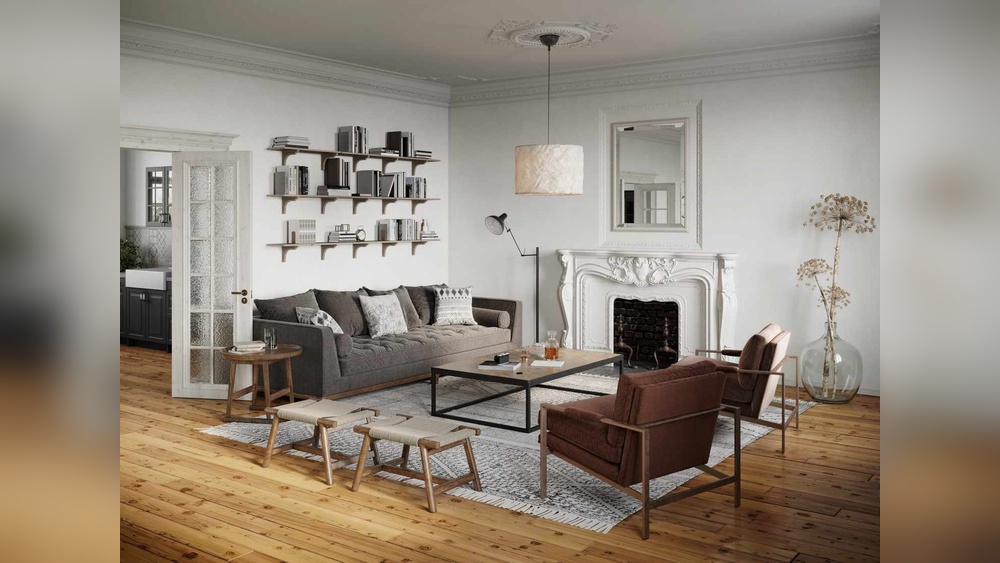
Your living room is where comfort meets style, and the right area rug can tie everything together perfectly. But how should your living room furniture fit on that rug to create a balanced and inviting space?
Should all the legs be on the rug, or just the front ones? Getting this right can transform your room from feeling disconnected to beautifully cohesive. You’ll discover simple, practical tips to help your furniture and rug work in harmony—making your living room look polished and feel welcoming every time you walk in.
Keep reading to learn how to choose the perfect rug placement that suits your space and lifestyle.
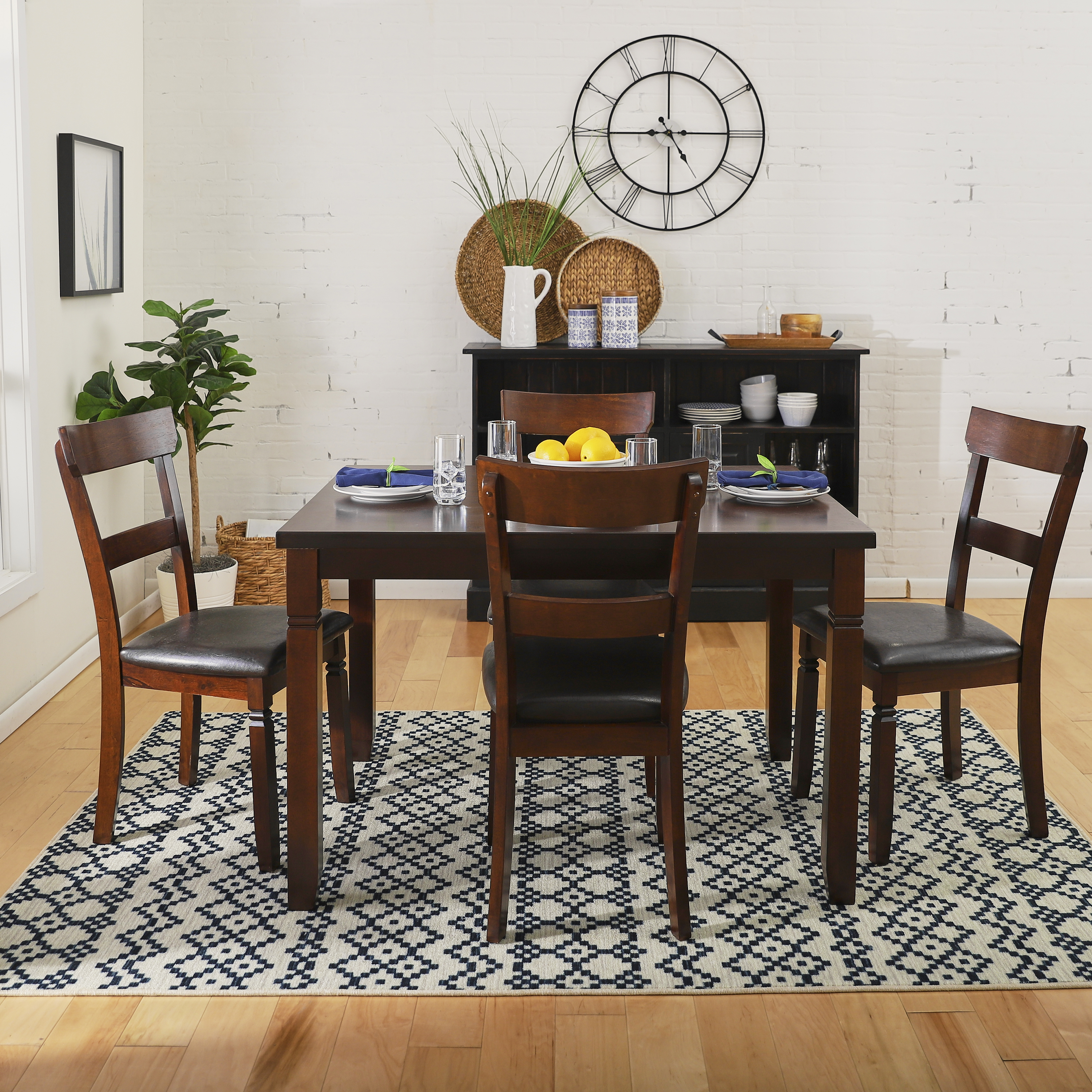
Credit: www.mohawkhome.com
Rug Size Basics
Choosing the right rug size for your living room is key to creating a balanced space. The rug should fit the furniture and define the seating area. Understanding rug size basics helps avoid common mistakes. It also makes your room look inviting and well put together.
Rugs come in many standard sizes, so knowing these dimensions helps you pick the best fit. The right rug size depends on your room scale and how you arrange your furniture. This guide covers the basics to help you decide.
Standard Rug Dimensions
Area rugs come in common sizes like 5×8, 8×10, and 9×12 feet. Smaller rugs, such as 4×6 feet, suit compact spaces or under coffee tables. Large rugs, like 9×12 feet, work well in spacious living rooms. Choose a size that fits your room layout and furniture arrangement.
Standard sizes make it easier to find rugs that fit common furniture setups. For example, an 8×10 rug often fits under a sofa and chairs with their front legs on the rug. Knowing these sizes helps you visualize how the rug will anchor your seating area.
Choosing Size For Room Scale
Match the rug size to your room’s dimensions and furniture scale. In a small room, a medium rug can unify the furniture without overwhelming the space. Large rooms need bigger rugs to avoid leaving empty floor areas.
Measure your furniture group first. The rug should fit under at least the front legs of the sofa and chairs. For a more seamless look, place all furniture legs on the rug. This approach creates a cozy, connected seating area.
Keep some floor space visible around the rug edges. This balance keeps the room from feeling cramped. A good rule is to leave 12 to 18 inches of bare floor between the rug and the walls.
Furniture Placement On Rugs
Furniture placement on rugs shapes the room’s flow and feel. The right arrangement ties together your living space. Rugs anchor furniture and create cozy zones. Choose a layout that fits your room size and style. Proper placement balances comfort and design. Consider how each piece relates to the rug for harmony.
All Legs On The Rug
Placing all furniture legs on the rug creates a unified look. This works well in large rooms or open spaces. It makes the seating area feel contained and intentional. Choose a rug large enough to hold every piece completely. This style adds comfort and elegance to your living room.
Front Legs Only On The Rug
Setting only front legs on the rug suits smaller rooms. It anchors the furniture without needing a big rug. The back legs stay on the floor, making the room feel spacious. This option connects pieces visually and keeps the layout balanced. It’s a simple way to add style without crowding.
Positioning Coffee Tables
Place coffee tables fully on the rug for stability and style. Center the table within the seating area for easy access. The rug should be large enough to hold the table and nearby furniture legs. This keeps the space neat and inviting. A well-placed coffee table ties the room together.
Arranging Chairs
Arrange chairs so their front legs rest on the rug. This links them to the main seating group. For a cozier feel, place chairs fully on the rug if space allows. Avoid isolating chairs far from the rug’s edge. Proper chair placement creates balance and encourages conversation.
Defining Seating Areas
Defining seating areas with an area rug helps organize the living room. Rugs create clear zones that invite relaxation and conversation. Proper placement of furniture on the rug enhances comfort and style. It also helps the space feel connected and balanced.
Choosing the right rug size and arrangement is key. The rug should act as the foundation for your seating area. This ensures the room looks intentional and welcoming.
Rug As A Visual Anchor
The rug serves as a visual anchor for your furniture. It ties all seating pieces together into one group. Placing at least the front legs of sofas and chairs on the rug creates this effect. This connection prevents the furniture from looking scattered. A well-anchored seating area feels inviting and cozy.
Balancing Rug And Room Size
Balance the rug size with the room’s dimensions. A rug too small breaks the flow and makes the space feel disconnected. A rug that is too large can overwhelm the room. Choose a rug size that defines the seating area without covering the entire floor. Leave some floor visible around the edges for a natural look.
Rug Orientation Tips
Rug orientation plays a key role in how your living room feels and looks. The direction and placement of the rug affect the flow and balance of the space. Proper orientation helps the rug connect furniture pieces and define the seating area. These tips guide you to align your rug perfectly with your furniture layout.
Aligning Rug With Sofa
Place the rug so it runs parallel to the sofa. This alignment creates visual harmony and balance. If the rug is large enough, position all sofa legs on it for a unified look. For smaller rugs, keep at least the front legs of the sofa on the rug. This anchors the sofa and ties the seating area together.
Ensure the rug extends beyond the sofa edges by a few inches. This space helps the room feel open and inviting. Avoid placing the rug at an angle unless your room shape supports it. A straight alignment keeps the room neat and organized.
Handling Open-concept Spaces
In open-concept rooms, use rugs to define different zones. Orient rugs to create clear boundaries between living and dining areas. Position rugs parallel to the main furniture pieces in each zone. This helps each area feel separate yet connected.
Choose rug sizes that fit the furniture groupings fully. For example, all seating legs should rest on the rug in the living area. This prevents the space from feeling fragmented. Use multiple rugs if needed to keep zones distinct while maintaining flow.
Common Mistakes To Avoid
Choosing the right area rug size and placement for your living room furniture is essential. Many people make simple mistakes that affect the room’s look and feel. Avoid these common errors to make your space look balanced and inviting.
Using Rugs That Are Too Small
Small rugs can break the seating area into pieces. If the rug is too small, furniture may look like it is floating. A rug should be large enough to hold at least the front legs of sofas and chairs. This keeps the space tied together and cozy.
Ignoring Furniture Connection
Furniture should connect with the rug to create unity. Placing furniture partly on and partly off the rug can feel awkward. Either put all legs on the rug or at least the front legs. This connection gives the room a clear focus and better flow.
Overlapping Rugs And Walls
Rugs should not push against the walls. Overlapping a rug too close to or under walls makes the room feel cramped. Leave some space between the rug edge and walls. This helps the rug anchor the seating area without crowding the room.
:max_bytes(150000):strip_icc()/area-rug-dos-and-donts-p2-1977449-b4c4f615071f4b0d85dd53929daecfc6.png)
Credit: www.thespruce.com
Style And Function Balance
Balancing style and function is key when fitting living room furniture on an area rug. The rug should complement the furniture while serving practical purposes. It defines the seating area and ties all elements together.
The right balance avoids overcrowding and keeps the space inviting. Each choice impacts the room’s feel and usability. Consider both how the rug looks and how it supports daily living.
Material Considerations
Choose rug materials that match your lifestyle. Durable fabrics like wool or synthetic fibers handle heavy traffic well. Soft materials add comfort but may require more care.
Think about maintenance and cleaning. High-traffic rooms need easy-to-clean rugs. Avoid delicate fabrics if you have pets or children. Material affects both style and function.
Color And Pattern Choices
Select colors that blend with your furniture and walls. Light colors can make a room feel larger and brighter. Darker tones hide dirt and add warmth.
Patterns bring personality but should not overwhelm the space. Simple patterns work well with busy furniture. Bold patterns suit plain or neutral furniture pieces. Balance color and pattern to create harmony.
:max_bytes(150000):strip_icc()/Retouched-Laura-Genevieve-horizontal-af3b84469eb848d99572faeda9950803.jpg)
Credit: www.thespruce.com
Frequently Asked Questions
How To Arrange Living Room Furniture On A Rug?
Place at least the front legs of sofas and chairs on the rug to anchor the seating area. For a cohesive look, position all furniture legs on the rug. Ensure the rug is large enough to define the seating space without overcrowding.
What Is The 2 3 Rule For Furniture?
The 2-3 rule for furniture means placing at least two or three furniture legs on the rug. This anchors the seating area and creates a cohesive look.
What Is The Rule On Rugs In A Living Room?
Place a living room rug large enough to fit at least the front legs of all furniture. For a cohesive look, include all legs on the rug. The rug should anchor and define the seating area without overwhelming the room’s space.
Should Your Furniture Sit On An Area Rug?
Furniture should have at least front legs on the area rug to anchor the seating area. For a cohesive look, place all legs on the rug. This defines space and prevents a disjointed room appearance. Choose rug size based on room and furniture layout.
Conclusion
Choosing the right rug size helps your living room feel balanced and warm. Place furniture with at least the front legs on the rug for a connected look. Larger rugs with all legs on them create a cozy, unified space.
Small rugs with front legs only still anchor the seating area well. The rug should define the seating zone, not cover the entire room. Keep the rug parallel to the sofa for neat alignment. This simple guide makes your living room inviting and stylish every day.
