Your entryway is the first thing you and your guests see. Imagine having a simple, stylish bench that not only looks great but also gives you a spot to sit while putting on shoes or a place to drop your keys.
Building your own entryway bench is easier than you think. In this guide, you’ll learn step-by-step how to create a functional piece that fits your space perfectly. Ready to add both charm and convenience to your home? Let’s get started.

Credit: hammerandhandsaw.com
Choosing Materials
Choosing the right materials is the first step to build a simple entryway bench. The materials affect the bench’s look, strength, and lifespan. Picking the right wood, tools, and hardware makes the project easier and gives better results. Focus on quality and ease of use for a smooth build.
Wood Types
Wood choice shapes the bench’s style and durability. Pine is soft, easy to cut, and cheap. Oak is strong and has a nice grain but costs more. Cedar resists moisture and insects, perfect for humid areas. Choose wood that fits your budget and design taste. Sand the wood well to get a smooth finish.
Tools Needed
Basic tools help you build the bench without trouble. A saw cuts the wood to size. A drill makes holes for screws. Sandpaper smooths rough edges. A measuring tape ensures correct dimensions. A screwdriver tightens screws securely. Use clamps to hold wood in place while working. These tools keep your build precise and safe.
Hardware Essentials
Hardware holds the bench parts together firmly. Wood screws are the best choice for strong joints. Use screws that suit the wood thickness. Corner brackets add extra support to corners. Wood glue strengthens joints and prevents wobbling. Sand the wood before gluing or screwing for better grip. Good hardware keeps the bench sturdy for years.
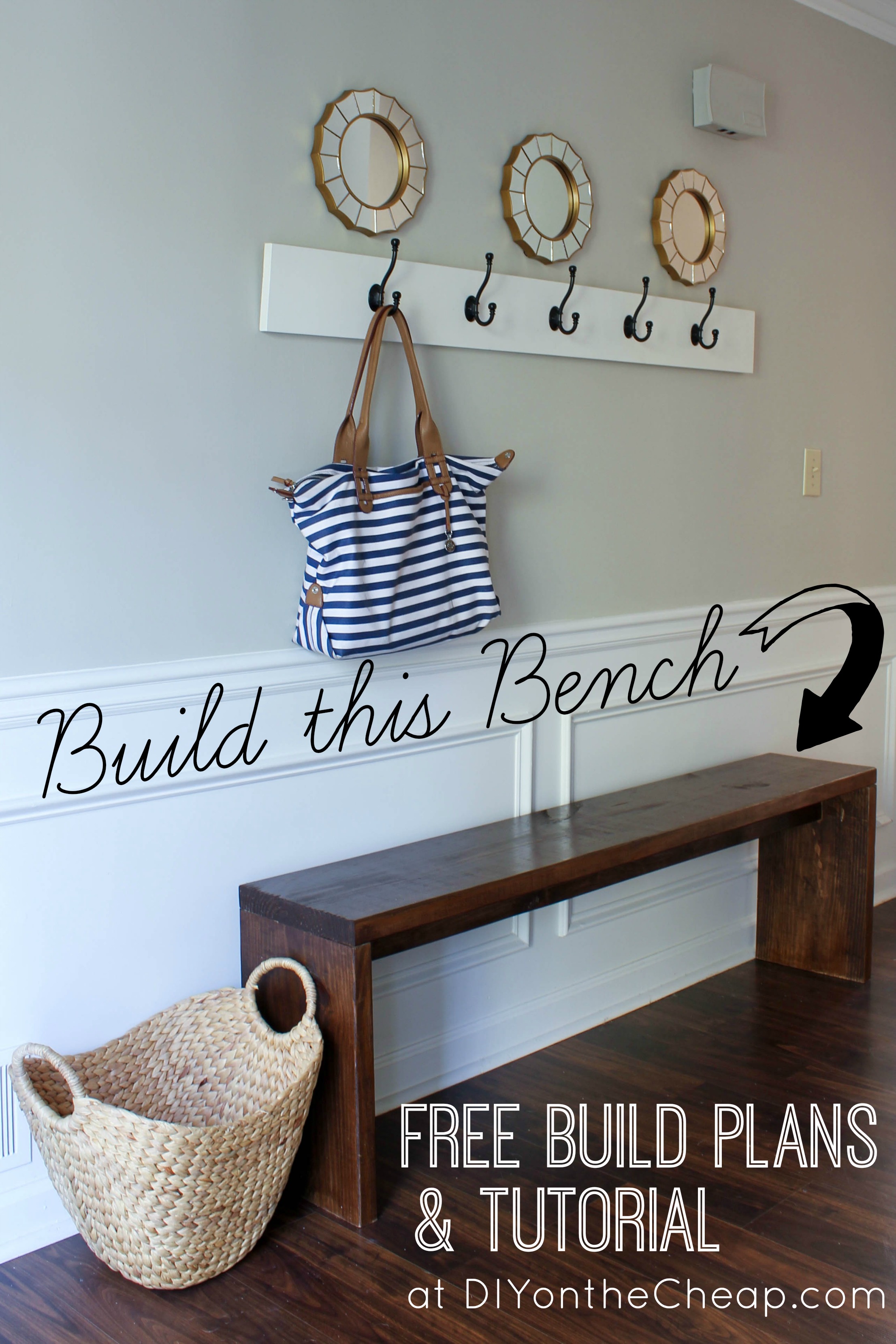
Credit: www.erinspain.com
Designing Your Bench
Designing your entryway bench is the first step in creating a useful and attractive piece. This process helps you plan a bench that fits your space and meets your needs. Taking time to design ensures your bench will look good and work well.
Start by thinking about where the bench will go and how you want to use it. This will guide your decisions about size and style. A simple, clear design plan makes building easier and faster.
Measuring Space
Begin by measuring the area where the bench will sit. Use a tape measure to get the width, depth, and height available. Note any obstacles like doors or heating vents nearby. Accurate measurements avoid building a bench that is too big or too small. Write down the numbers for reference.
Sketching The Layout
Draw a basic sketch of the bench layout. Include the bench shape, seat, and legs in your drawing. Use the measurements from your space to keep the sketch to scale. This helps you see how the bench fits and looks. Sketching clears up any design questions early on.
Selecting Dimensions
Choose bench dimensions that match your space and needs. A common seat height is around 18 inches, comfortable for most people. The bench depth should allow sitting without feeling cramped, usually 12 to 16 inches. Keep the length suitable for your entryway and use. Adjust dimensions based on your sketch and measurements.
Cutting And Preparing Wood
Cutting and preparing wood is the first step to build a simple entryway bench. It shapes the parts and makes sure they fit well. Careful work here saves time later and gives a clean look. Use the right tools and follow safety steps. This section explains how to mark cuts, cut safely, and smooth the wood surfaces.
Marking Cuts
Mark the wood pieces clearly before cutting. Use a pencil and a ruler or measuring tape. Draw straight lines where you want to cut. Double-check all measurements twice. Mark each piece to avoid confusion. Clear marks help make exact cuts and prevent mistakes.
Safe Cutting Techniques
Wear safety glasses and gloves before cutting. Use a stable surface like a workbench. Hold the wood firmly but do not block the cutting path. Cut slowly and steadily to control the saw. Keep fingers away from the blade at all times. Follow the tool instructions to avoid accidents.
Sanding Surfaces
Sand the cut edges to remove splinters and rough spots. Use medium-grit sandpaper first, then fine-grit for smoothness. Sand along the grain, not across it. Check all surfaces with your hand to feel for smoothness. Clean the dust with a cloth before assembly. Smooth wood improves the bench’s look and comfort.
Assembling The Bench
Assembling the bench is the most exciting part of this project. It brings all the pieces together into a sturdy, useful seat. Careful assembly ensures the bench stays strong and lasts a long time. Follow these steps to join the parts, secure them firmly, and check stability.
Joining Pieces
Start by aligning the bench seat with the legs. Make sure edges match perfectly. Use clamps if available to hold pieces steady. Fit the support braces between the legs and seat. This adds extra strength to the bench frame. Check every joint before moving to the next step.
Securing With Screws
Use screws designed for wood to join the pieces. Pre-drill holes to prevent splitting the wood. Drive screws slowly and evenly into each joint. Tighten screws until they hold pieces firmly. Avoid over-tightening to stop damaging the wood. Repeat for all connections to ensure a solid frame.
Checking Stability
Place the bench on a flat surface. Gently press and shake it to test strength. Look for any wobbling or loose joints. Tighten screws if needed to improve stability. Sit on the bench carefully to confirm it supports weight well. A steady bench means a job done right.
Finishing Touches
Finishing touches bring your entryway bench to life. They make it look complete and inviting. These final steps add personality and comfort. Focus on simple changes that improve style and use.
Painting Or Staining
Choose a paint or stain that fits your room’s color. Light colors brighten small spaces. Dark stains show off wood grain well. Use a brush or cloth for smooth coverage. Let it dry fully before using the bench.
Adding Cushions
Cushions add comfort and style to your bench. Pick cushions with fabrics that resist dirt and wear. Soft, thick cushions make sitting pleasant. Secure cushions with ties or non-slip pads. Change cushions seasonally for a fresh look.
Decorative Elements
Decorate with simple items like small plants or baskets. Baskets hold shoes or hats neatly. Plants bring life and color to the space. Hooks on the side hold keys or bags. These details make the bench useful and pretty.
Maintenance Tips
Taking care of your entryway bench helps it stay useful and good-looking for years. Regular care keeps the wood strong and the bench safe to use. Simple habits and small fixes can make a big difference in how long your bench lasts.
Cleaning Methods
Dust the bench often using a soft cloth. Wipe spills quickly to avoid stains. Use mild soap mixed with water for cleaning. Avoid harsh chemicals that can damage the wood. Dry the bench with a clean towel after cleaning.
Repairing Damage
Check the bench for scratches or loose parts regularly. Use wood filler for small scratches and dents. Tighten screws or bolts to fix wobbly parts. Sand rough areas gently with fine sandpaper. Apply matching paint or stain to cover repairs.
Extending Durability
Keep the bench away from direct sunlight and moisture. Use a protective finish like varnish or oil for extra strength. Place felt pads under the legs to prevent floor damage. Avoid sitting on the bench with heavy or sharp objects. Rotate cushions or pads to prevent uneven wear.

Credit: www.neverskipbrunch.com
Frequently Asked Questions
What Materials Do I Need To Build An Entryway Bench?
You need wood boards, screws, wood glue, sandpaper, paint or stain, and a drill. Choose durable wood like pine or oak for strength and longevity. These materials are affordable and easy to work with for beginners.
How Long Does It Take To Build A Simple Bench?
Building a simple entryway bench usually takes 2 to 4 hours. Time depends on your experience and drying time for paint or stain. Planning and measuring carefully will speed up the process.
Can I Customize The Bench Size And Design?
Yes, you can easily adjust the bench size to fit your space. Customize the design by adding storage or changing the finish. Personalizing makes the bench more functional and stylish for your entryway.
Is This Bench Suitable For Beginner Woodworkers?
Absolutely. The project uses basic tools and simple steps. Clear instructions make it beginner-friendly. It’s a great way to practice woodworking skills without complexity.
Conclusion
Building a simple entryway bench can brighten your home. It adds both style and function to your space. You only need basic tools and materials to start. Step by step, you create a useful, cozy spot. This project suits beginners and saves money too.
Enjoy your new bench every day. Try customizing it with paint or cushions. A small effort brings big rewards. Give it a go and see the difference!