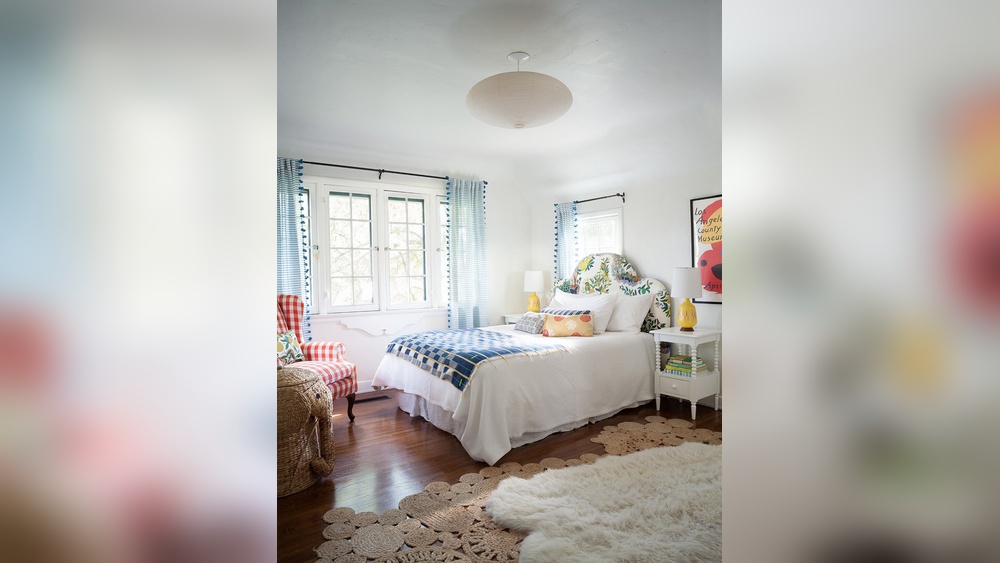
Setting up your bedroom furniture might seem simple, but getting it just right can transform your space into a restful haven. Imagine walking into your room and instantly feeling calm, organized, and comfortable.
You want your bed to be inviting, your storage to be practical, and the overall flow to make moving around easy. But where do you start? This guide will show you how to arrange your bedroom furniture in a way that maximizes space, balances style and function, and enhances your daily comfort.
Keep reading to discover smart tips and tricks that make setting up your bedroom furniture a breeze—and turn your room into the perfect retreat you deserve.

Credit: durhamfurnitureblog.wordpress.com
Bed Placement
Bed placement is the key step in setting up bedroom furniture. It affects the room’s flow, comfort, and style. A well-placed bed creates a restful and balanced space. It sets the tone for the rest of the furniture arrangement.
Think about the walls, door, view, and noise when placing your bed. A good spot supports relaxation and easy movement. Consider these simple tips to choose the best bed position for your bedroom.
Position Against Solid Wall
Place your bed against a solid wall for strong support. Avoid windows or thin walls behind the bed. A solid wall makes the bed feel stable and secure. It also helps with headboard installation and keeps the bed steady.
Center Opposite Door
Center the bed on the wall opposite the bedroom door. This spot creates a welcoming view when entering the room. It also allows easy access from both sides of the bed. Positioning here balances the room and draws focus to the bed.
Align With Focal Point
Align your bed with the room’s main focal point. This could be a window, fireplace, or a piece of art. Facing the bed toward the focal point adds harmony. It makes the space feel purposeful and visually pleasing.
Consider Room View
Think about what you see from the bed. Place the bed to enjoy a nice view if possible. Avoid facing the bed toward cluttered or busy areas. A pleasant view helps create a calming atmosphere for rest.
Avoid Noise And Drafts
Keep the bed away from noisy walls like bathrooms or hallways. Noise can disturb your sleep and reduce comfort. Avoid placing the bed near drafty windows or vents. This protects you from cold air and ensures a cozy night.
:strip_icc()/work-desk-gold-accents-bedroom-C8Hiihx5af1BP0msT3h3o9-376a14b5609545899c11c9c60a083d42.jpg)
Credit: www.bhg.com
Create Clear Paths
Creating clear paths in your bedroom helps make the space feel open and comfortable. It allows you to move freely without bumping into furniture. Well-planned paths improve safety and the room’s overall flow.
Ensure Easy Movement
Arrange furniture so you can walk easily around the room. Leave enough space between pieces for smooth movement. Avoid placing items too close to doors or windows. Think about how you enter and exit the room.
Keep Walkways Open
Clear walkways keep the room from feeling crowded. Remove any obstacles that block paths. Position chairs, tables, and dressers where they do not block walking areas. Open spaces make the room more inviting.
Balance Furniture Spacing
Space furniture evenly to create a balanced look. Avoid clustering too many items in one area. Spread out large pieces to fill the room nicely. Balanced spacing helps the bedroom feel calm and organized.
Balance Furniture Size
Balancing furniture size in your bedroom creates a comfortable and inviting space. It helps the room feel organized and visually pleasing. Proper balance avoids overcrowding and empty spots, making the room easy to move around in.
Choosing the right size for each piece and placing them thoughtfully improves the overall look. This section explains how to balance furniture size effectively.
Distribute Large Items
Place large furniture pieces evenly across the room. Avoid clustering all big items on one side. For example, put the bed on one wall and a dresser or wardrobe on the opposite side. This prevents the room from feeling lopsided or cramped.
Leaving some space between large items gives the room a relaxed feel. It also improves movement and access to each piece.
Mix Big And Small Pieces
Pair large furniture with smaller items to create contrast. For instance, add a small chair, a slim table, or a nightstand near bigger pieces. Mixing sizes stops the space from looking too heavy or too empty.
Use small items to fill gaps and add interest. They break up large areas and make the room feel balanced.
Maintain Symmetry When Possible
Symmetry gives a bedroom a calm and organized vibe. Place matching items on each side of the bed, like two nightstands or lamps. This creates a balanced, harmonious look.
Symmetry is not always possible. Adjust the layout based on the room’s shape and size. Aim for visual balance even if the pieces are not identical.
Group By Function
Grouping bedroom furniture by function creates clear zones for comfort and efficiency. Each area serves a distinct purpose, making the room easier to use. Functional grouping helps keep the space organized and visually balanced. It supports daily routines and enhances relaxation by minimizing clutter.
Cluster Dressing Area
Place your dresser, mirror, and wardrobe close together. This cluster makes dressing quick and simple. Choose a spot with good lighting for better visibility. Keep frequently used items within easy reach. Add a small stool or bench for sitting while dressing.
Organize Sleeping Zone
Center the bed on a solid wall away from doors or windows. Use nightstands on each side for lamps and essentials. Keep the area clear to allow easy movement. Soft rugs or carpets add warmth and comfort. Position the bed to face a relaxing view if possible.
Separate Work Or Study Spaces
Set up a desk and chair away from the sleeping area. This separation helps focus and reduces distractions. Use shelves or organizers to keep work materials tidy. Ensure good lighting to avoid eye strain. A dedicated workspace supports productivity within the bedroom.
Maximize Space
Maximizing space in your bedroom helps create a calm and organized environment. It makes the room feel larger and more comfortable. Thoughtful furniture placement and smart choices improve both function and style.
Use Nightstands Wisely
Place nightstands close to the bed but leave a small gap. This space allows comforters to tuck in neatly. Choose nightstands with drawers or shelves to store small items. Keep lamps and books on top for easy access. Using nightstands well keeps your bedroom tidy and useful.
Select Multi-functional Furniture
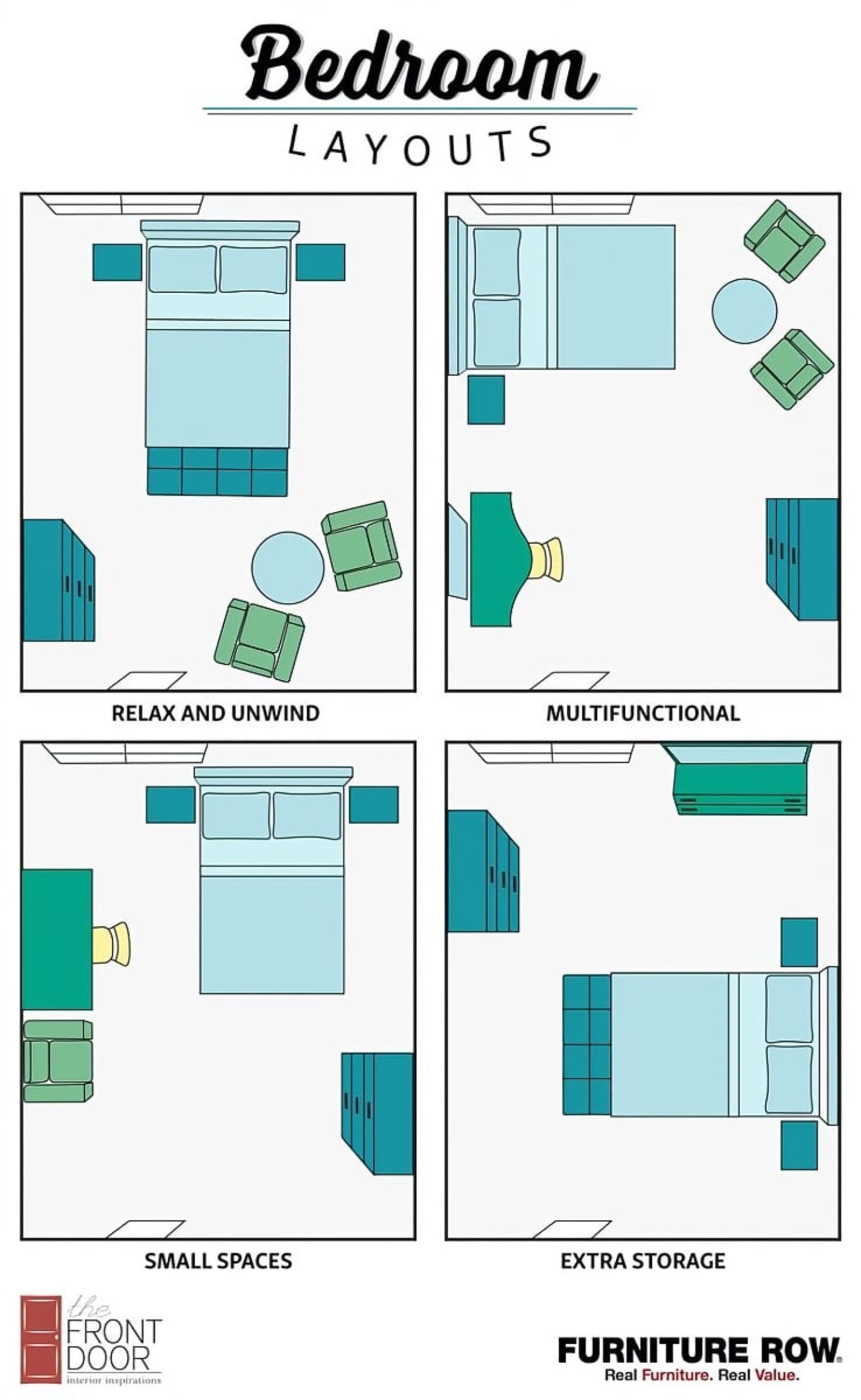
Pick furniture that serves more than one purpose. A bed with storage drawers below saves closet space. A bench with hidden compartments holds extra blankets. Use desks that double as vanity tables. Multi-functional pieces cut clutter and free up floor area.
Utilize Vertical Storage
Make use of your walls to store items. Install shelves above dressers or desks for books and decor. Hang hooks or racks for bags and hats. Tall wardrobes or armoires offer plenty of space without taking much floor room. Vertical storage keeps things organized and easy to reach.
Credit: www.furniturerow.com
Enhance Room Flow
Enhancing room flow in your bedroom creates a calm and open atmosphere. It helps you move easily and use the space well. Thoughtful furniture placement boosts comfort and style. This section shows how to arrange bedroom furniture for smooth flow.
Optimize Furniture Arrangement
Place the bed first as the room’s focal point. Keep it away from doors and windows to reduce noise and drafts. Arrange other furniture around the bed to keep paths clear. Allow enough space to walk without bumping into items. Avoid blocking windows or light sources. Use smaller pieces to fill gaps and balance the layout.
Create Visual Balance
Distribute large furniture evenly across the room. Pair big items with smaller ones to avoid heavy-looking corners. Use matching nightstands or lamps on both sides of the bed for symmetry. Group related items by function, like placing the dresser near the closet. Balance helps the room feel organized and restful.
Avoid Cluttered Layouts
Keep the floor clear to improve flow and safety. Remove extra furniture that crowds the space. Use storage solutions to hide items out of sight. Leave enough open space around furniture for easy movement. A tidy room feels bigger and more peaceful. Clutter blocks flow and distracts from the room’s design.
Adapt To Room Size
Adapting bedroom furniture to the room size is essential for comfort and style. The right arrangement makes the space feel balanced and functional. Every room has its unique shape and size. Adjusting furniture layout based on these factors improves flow and usability.
Small Bedroom Tips
Choose furniture with slim profiles to save space. Use beds with built-in storage to reduce clutter. Place the bed against the longest wall for more floor space. Avoid bulky pieces that block pathways. Mirrors help create the illusion of a bigger room. Keep pathways clear to make moving around easy. Use light colors to open up the space visually.
Large Bedroom Ideas
Divide the room into zones like sleeping and sitting areas. Use larger furniture to fill the space proportionally. Position the bed away from walls to create a cozy center. Add a reading nook with a comfortable chair and lamp. Use rugs to define different areas clearly. Balance the room by placing furniture evenly around the space. Large windows can guide furniture placement to maximize natural light.
Flexible Layout Solutions
Opt for modular furniture that adapts to your needs. Use pieces on wheels for easy rearranging. Consider foldable or expandable tables and chairs. Keep key items like nightstands and dressers movable. Arrange furniture to allow multiple walking paths. This flexibility helps adjust the layout as your needs change. It also makes cleaning and maintenance easier.
Frequently Asked Questions
How Should Bedroom Furniture Be Arranged?
Place the bed against a solid wall, ideally opposite the door. Ensure clear pathways around furniture. Balance large and small pieces evenly. Use nightstands beside the bed for convenience. Group functional furniture together and utilize vertical space for storage.
What Is The 2/3 Rule Furniture?
The 2/3 rule in furniture design means filling about two-thirds of a room with furniture. This balances space and avoids overcrowding. It creates a comfortable, functional area while maintaining openness and flow.
Is There An App That Helps You Rearrange Furniture?
Yes, apps like Roomstyler, Planner 5D, and Houzz help you rearrange furniture easily with 3D visualization and drag-and-drop features.
What Are The Ways Of Arranging Furniture In The Bedroom?
Place the bed against a solid wall, preferably opposite the door. Create clear walking paths and balance large and small furniture. Use nightstands beside the bed and group furniture by function. Maximize space with multi-functional pieces and vertical shelving for storage.
Arrange to enjoy views and avoid noise.
Conclusion
Setting up bedroom furniture takes thoughtful planning and simple steps. Start by placing the bed where it feels most comfortable and balanced. Keep clear paths to move freely and arrange furniture by function. Use nightstands and multi-purpose pieces to save space and stay organized.
Remember to balance large and small items for a harmonious look. With these tips, your bedroom will feel cozy and practical. Enjoy your refreshed space that suits your needs perfectly.