Are you thinking about adding a twin bunk bed to your room but wondering how tall it actually is? Knowing the height of a twin bunk bed is important for making sure it fits perfectly in your space and feels safe and comfortable for you or your kids.
You’ll discover the typical heights of twin bunk beds and what factors can affect their size. By the end, you’ll be confident about choosing the right bunk bed that suits your room and lifestyle. Keep reading to find out everything you need to know!

Credit: www.amazon.com
Standard Twin Bunk Bed Heights
Twin bunk beds come in different heights. Each style fits different room sizes and needs. Understanding these heights helps in choosing the right bed.
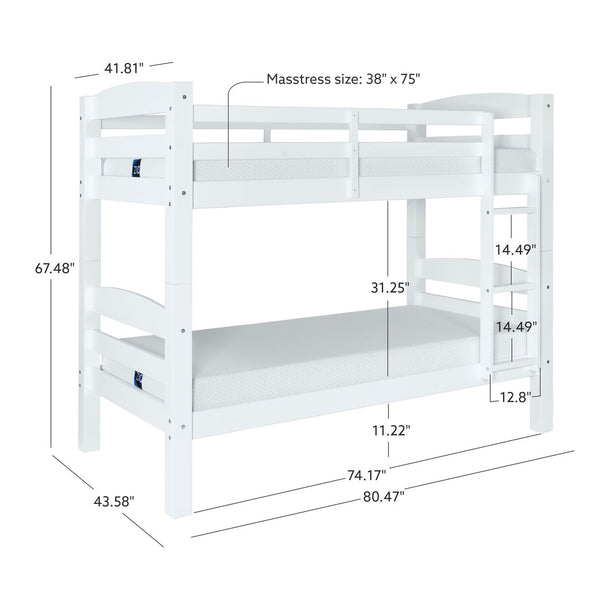
The height affects comfort, safety, and room space. There are three main types: low profile, mid height, and loft style. Each type has its own standard height range.
Low Profile Bunk Beds
Low profile bunk beds are the shortest. They usually stand between 40 and 50 inches tall. This height is great for small rooms and younger kids. It feels safer and easier to climb.
Mid Height Bunk Beds
Mid height bunk beds are taller than low profile ones. They range from 50 to 60 inches in height. These beds offer more space under the bottom bunk. They suit medium-sized rooms well.
Loft Style Bunk Beds
Loft style bunk beds are the tallest. Their height can be 60 to 75 inches or more. They lift the top bed high to create space below. This space can be used for a desk or storage.
Credit: mattresswarehouse.com
Factors Influencing Bunk Bed Height
The height of a twin bunk bed depends on several key factors. These elements affect how tall the bed is and how it fits into a room. Understanding these factors helps in choosing the right bunk bed for comfort and safety.
Ceiling Clearance
Ceiling clearance is the space between the top bunk and the ceiling. A higher ceiling allows for a taller bunk bed. Low ceilings require shorter beds to avoid bumping heads. Proper clearance keeps the room safe and comfortable.
Mattress Thickness
The thickness of the mattress adds to the bed’s overall height. Thicker mattresses raise the top bunk higher. Thin mattresses keep the bed lower but may affect comfort. Choosing the right mattress thickness balances height and comfort.
Safety Rails And Guardrails
Safety rails increase the total height of the bunk bed. These rails prevent falls but add extra inches. Strong guardrails are essential, especially for children. They must be tall enough to provide safety but not too tall to cause discomfort.
Measuring Your Space For A Bunk Bed
Measuring your space for a bunk bed is important before buying or building one. It helps ensure the bed fits well and the room remains safe and comfortable. Accurate measurements prevent problems with height, space, and access.
Take careful measurements of the room. Think about the bed’s height, floor area, and how to get in and out safely. These details help create a cozy, functional space for sleeping and playing.
Room Height Considerations
Measure the room’s total height from floor to ceiling. Twin bunk beds vary in height, often between 50 and 65 inches tall. Leave at least 30 inches of space between the top bunk and the ceiling. This space lets the person sit up without hitting their head. Check for ceiling fans or light fixtures that may lower the usable height.
Floor Space And Layout
Measure the floor area carefully. Twin bunk beds usually take up a 39 by 75 inch footprint. Leave extra space around the bed for movement and other furniture. Plan the layout so the bed does not block doors or windows. Consider room shape and where children play or study. A clear floor space keeps the room safe and comfortable.
Access Points And Ladder Placement
Think about how to get on and off the bunk bed. Ladders or stairs need enough space without crowding. Measure the area where you want to place the ladder. Make sure it does not block walkways or furniture. Ladder placement affects safety and ease of use. Check if the ladder can be moved or fixed in place.
Materials And Their Impact On Height
The material used to build a twin bunk bed plays a big role in its height. Different materials have different thicknesses and designs. These factors change the total height of the bed. Knowing the material helps you pick the right bunk bed for your space and needs.
Wooden Bunk Beds
Wooden bunk beds tend to be taller. Solid wood beams need thickness for strength. This thickness adds to the bed’s height. Designs often include safety rails and ladders made of wood. These parts also add height. Wood can be carved or decorated, sometimes making the bed look larger.
Metal Bunk Beds
Metal bunk beds usually have a slimmer frame. Metal is strong even in thin pieces. So, these beds can be shorter in height. Metal designs often use pipes or tubes. These parts take less space vertically. Metal beds often feel lighter and less bulky. Their height is easier to fit in rooms with low ceilings.
Hybrid Designs
Hybrid bunk beds mix wood and metal parts. These designs balance strength and style. Height depends on how much wood or metal is used. Wood parts add bulk, while metal parts stay slim. Hybrid beds offer more design choices. Their height can vary widely based on the mix.
Buying Tips For Twin Bunk Beds
Buying a twin bunk bed requires careful thought. Safety, strength, and style are key. These tips help you pick the right bed for your space and needs.
Consider each point to make a smart choice. A good bunk bed lasts long and keeps kids safe.
Safety Standards To Check
Always check for safety certifications. Look for beds that meet ASTM or CPSC standards. Guardrails on the top bunk must be strong and high. Make sure the ladder is stable and easy to climb. Avoid beds with sharp edges or loose parts.
Weight Limits And Durability
Each bunk bed has a weight limit. Check this before buying to avoid accidents. Choose beds made from solid wood or metal for strength. Confirm that slats and supports can handle weight evenly. Durable beds withstand years of use without damage.
Style And Functionality
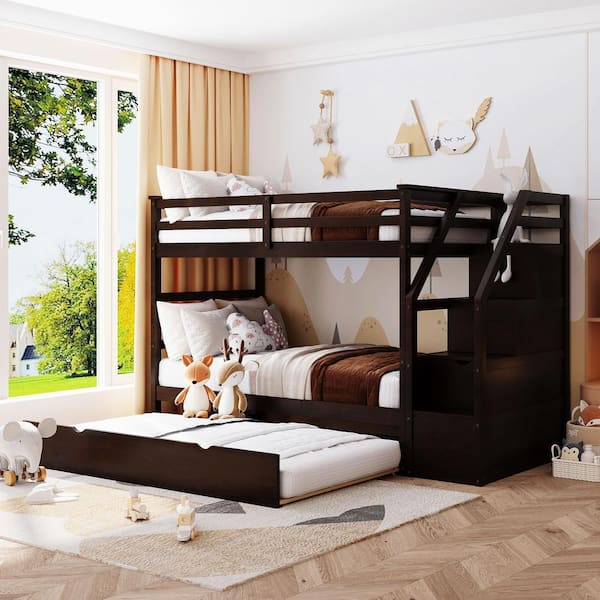
Pick a style that fits your room’s look. Some beds include storage drawers or desks. These save space and add usefulness. Consider the bed’s height to fit your ceiling. Make sure the bunk bed matches your child’s needs and room size.
Credit: www.homedepot.com
Customizing Bunk Bed Heights
Customizing the height of a twin bunk bed allows you to fit the bed perfectly in your room. It also helps make the bed safer and more useful. You can change the height to suit your space or needs. Different options help create a personalized sleeping area.
Adjustable Frame Options
Some bunk beds come with adjustable frames. These frames let you change the height of the top bunk. You can lower or raise it based on the room’s ceiling height. Adjustable frames also help make the bed easy to move or store.
Adding Storage Or Desks
Raising the top bunk creates space underneath. This space can hold storage drawers or shelves. You can also add a desk below the top bunk. This setup saves room and keeps your space neat and organized.
Converting To Loft Beds
Loft beds are a type of bunk bed without a bottom bed. The top bunk is higher, leaving room underneath. This space can be used for play areas, desks, or storage. Converting a bunk bed to a loft bed changes how you use your room.
Frequently Asked Questions
How Tall Is A Standard Twin Bunk Bed?
A standard twin bunk bed typically measures between 60 to 65 inches tall. Height can vary based on design and manufacturer. This size fits most rooms while providing enough clearance for the top bunk.
What Factors Affect Twin Bunk Bed Height?
Bed frame design, mattress thickness, and safety rails impact bunk bed height. Lofted styles are taller, while compact models are shorter. Always check product specifications before purchasing.
Is There A Height Limit For Twin Bunk Beds?
Most twin bunk beds have a height limit around 60 to 65 inches. This ensures safety and stability. Taller beds may require extra precautions to prevent accidents.
Can Twin Bunk Beds Fit Under Low Ceilings?
Standard twin bunk beds usually need at least 7 feet ceiling height for comfort. Low ceilings may restrict room for the top bunk. Measure your room carefully before buying.
Conclusion
A twin bunk bed usually stands between 55 and 65 inches tall. This height fits most rooms and makes climbing easy for kids. Always measure your room before buying to ensure a good fit. Safety is key, so check the bed’s guardrails and ladder.
Choosing the right bunk bed can save space and add fun to any room. Now you know how tall a twin bunk bed typically is. Time to pick the perfect one for your home!