Are you thinking about adding a twin over full bunk bed to your home but wondering how tall it really is? Knowing the exact height can help you decide if it fits perfectly in your room without crowding the space or hitting the ceiling.
Whether you’re planning for kids’ rooms, guest spaces, or maximizing small areas, understanding the size of this bunk bed style is key. Keep reading to discover the typical height of a twin over full bunk bed and what you should consider before making your choice.
Your perfect space-saving solution is just a few details away!

Credit: dutchcraftfurniture.com
Twin Over Full Bunk Bed Dimensions
The twin over full bunk bed is a popular choice for families. It offers extra sleeping space without taking up much floor area. Understanding its dimensions helps in planning the room layout. This section breaks down the key sizes for this bunk bed type.
Standard Twin Bed Size
A standard twin bed measures about 39 inches wide and 75 inches long. It fits one person comfortably. This size is common for children’s rooms and smaller spaces. The top bunk usually uses this twin mattress size.
Standard Full Bed Size
A full bed is wider than a twin. It measures roughly 54 inches wide and 75 inches long. It can fit one adult or two children. In a twin over full bunk bed, the full bed is on the bottom, offering more sleeping space.
Typical Bunk Bed Height Range
Bunk beds vary in height from 60 to 72 inches. The height depends on design and safety features. Twin over full bunk beds are often taller due to the wider bottom bed. Ceiling height should be at least 8 feet for comfort and safety.
Factors Affecting Bunk Bed Height
Bunk bed height varies based on several important factors. Knowing these helps you choose the right bed. It also ensures safety and comfort for users. This section explains the key elements affecting bunk bed height.
Each factor changes the total height differently. Understanding them helps you plan space and fit the bed well.
Frame Material And Design
The frame material greatly affects bunk bed height. Metal frames are often thinner but taller. Wooden frames add bulk and might be shorter or taller. Design also matters. Some frames have tall posts or decorative tops that add height. Simple, minimalist designs usually have less height. Choose a frame that fits your room’s ceiling and style.
Mattress Thickness
Mattress thickness changes the bed height too. Thicker mattresses raise the top bunk higher. Thin mattresses keep the bed lower. Many bunk beds fit mattresses between 6 to 8 inches thick. Using a mattress too thick can reduce the space between bunks. This might cause discomfort or safety issues. Pick mattress thickness carefully to keep enough headroom.
Safety Rail And Ladder Height
Safety rails add extra height to the top bunk. They prevent falls but increase total bed height. Ladder height also matters. Some ladders extend above the top bunk to make climbing easier. This adds a few extra inches. Both rails and ladders must be strong and well-secured. They affect overall height and how the bed fits in the room.
Average Height Of Twin Over Full Bunk Beds
The average height of twin over full bunk beds is an important factor for many buyers. Knowing the height helps ensure the bed fits well in the room. It also affects safety and comfort for users. Twin over full bunk beds usually have a standard height range. This range suits most bedrooms with normal ceiling heights.
Common Measurements
Twin over full bunk beds typically stand between 60 and 70 inches tall. This height allows enough space for a person to sit on the lower bed comfortably. It also provides safe headroom for the top bunk. The exact height often depends on the design and style of the bunk bed. Most models keep the height under 6 feet to fit standard rooms.
Variations Among Brands
Different brands offer bunk beds with slight height differences. Some brands make taller models for more legroom on the bottom bed. Others keep the height lower for smaller rooms. The materials and build quality can affect the total height as well. Always check the specific product dimensions before buying. This helps avoid surprises during delivery or setup.
Custom Bunk Bed Heights
Custom bunk beds offer flexibility in height. You can ask for a taller or shorter bed based on your needs. Custom designs work well for rooms with higher or lower ceilings. They also suit unique space layouts. Custom beds might cost more but provide a perfect fit. This option is great for families with special space requirements.

Credit: www.amazon.com
Space Requirements For Twin Over Full Bunk Beds
Twin over full bunk beds save floor space by stacking two beds vertically. They fit well in rooms with limited space. But these beds need enough room to be safe and comfortable. Understanding space needs helps you pick the right spot and avoid problems.
Ceiling Clearance
Twin over full bunk beds are tall, usually 60 to 65 inches high. Your ceiling should be at least 8 feet tall to fit them. This gives enough space above the top bunk for safety and comfort. Low ceilings can make the top bunk unsafe or cramped.
Room Layout Considerations
Measure your room before buying the bunk bed. Leave space around the bed for moving and making it. Consider doors, windows, and furniture that may block space. Place the bunk bed away from vents or heaters for safety. Think about where kids will climb up and down.
Headroom Between Beds
The space between the twin top bunk and full bottom bunk is important. It usually ranges from 30 to 36 inches. This space lets the person on the bottom sit up without hitting their head. Less space feels tight and uncomfortable. More space makes the bed safer and more enjoyable.
Safety Tips For Tall Bunk Beds
Tall bunk beds can save space and look great in a room. Safety is very important with these beds. Follow these tips to keep your bunk bed safe and secure.
Proper Installation
Install the bunk bed on a flat, stable floor. Tighten all screws and bolts firmly. Check the bed regularly for loose parts. Use the tools and instructions that come with the bed. Avoid placing the bed near ceiling fans or lights.
Guardrail Standards
Guardrails must cover the full length of the top bunk. They should be at least 5 inches above the mattress. The guardrails stop falls while sleeping or moving. Make sure gaps are small to prevent children from slipping through. Never remove guardrails from the top bunk.
Ladder Placement And Design
Place the ladder at a comfortable angle for climbing. The steps should be wide and non-slip. Secure the ladder firmly to the bed frame. Avoid ladders that are too steep or narrow. Teach children to use the ladder carefully and one at a time.
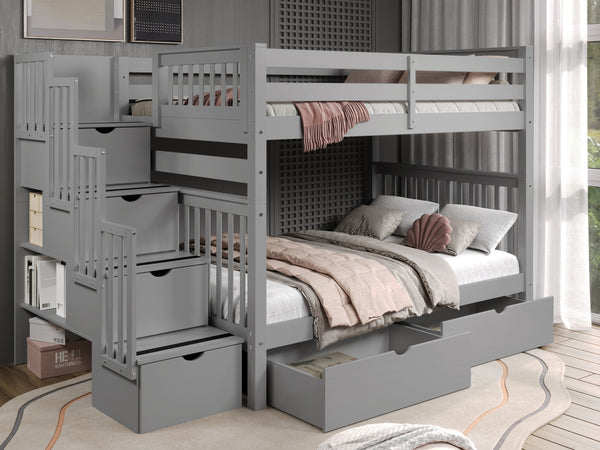
Credit: www.bunkbedking.com
Choosing The Right Bunk Bed Height
Choosing the right bunk bed height is important for safety and comfort. It affects how well the bed fits in the room. It also impacts how easy it is to use. Consider several factors before deciding on the bunk bed height.
Age And Size Of Users
Children and adults need different bunk bed heights. Younger kids need lower beds for safety. Taller users need more headroom to sit up comfortably. Measure the height of the tallest user before choosing. This helps avoid bumps and discomfort.
Room Ceiling Height
Check the room’s ceiling height before buying a bunk bed. Leave enough space between the top bunk and ceiling. This space should be at least two feet. It allows air to flow and keeps the area safe. Avoid beds that make the room feel cramped.
Future Flexibility
Think about how the bed will be used in the future. Some bunk beds convert to two separate beds. Others allow for a trundle or storage underneath. Choose a height that works for different setups. This makes the bunk bed useful for years.
Frequently Asked Questions
How Tall Is A Twin Over Full Bunk Bed?
A twin over full bunk bed typically ranges from 60 to 65 inches in height. This height allows enough space for comfortable sleeping and easy access to the top bunk ladder.
What Factors Affect Twin Over Full Bunk Bed Height?
Height varies based on design, mattress thickness, and safety rails. Some models are taller to fit under lofts or ceilings. Always measure your room height before purchasing.
Is Twin Over Full Bunk Bed Height Standard?
No, heights differ among manufacturers. However, most fall between 60 and 65 inches. Check product details to ensure it fits your space comfortably.
Can Ceiling Height Limit Twin Over Full Bunk Bed Use?
Yes, low ceilings can restrict bunk bed placement. Ensure at least 2 feet of clearance above the top bunk for safety and comfort.
Conclusion
A twin over full bunk bed usually stands around 60 to 65 inches tall. This height fits well in most rooms with standard ceilings. It offers space for two sleepers without taking too much floor space. Always measure your room before buying to ensure a good fit.
Safety and comfort matter most when choosing bunk beds. Now you know the typical height and can decide if this bed suits your needs. Simple and practical.