Choosing the right mattress thickness for your bunk bed is more important than you might think. If your mattress is too thick, it can be unsafe, making the top bunk risky to sleep on.
Too thin, and you won’t get the comfort you deserve. You want a mattress that fits perfectly, keeps you safe, and lets you sleep soundly every night. You’ll discover exactly how thick your mattress should be for your bunk bed—so you can make the best choice for your comfort and safety.
Keep reading to find out what experts recommend and why it matters for you.

Credit: www.bedinabox.com
Ideal Thickness For Bunk Bed Mattresses
Choosing the right mattress thickness for a bunk bed is important. It affects safety, comfort, and how well the bed fits in the room. A mattress that is too thick can be unsafe. One that is too thin might not be comfortable. Knowing the ideal mattress thickness helps you pick the best option for your bunk bed.
Safety Considerations
The mattress must not rise too high above the guardrails. Tall mattresses increase the risk of falls. Most safety rules suggest the mattress be no higher than 5 inches below the top of the guardrail. This keeps sleepers safe, especially children. A mattress thicker than 6 to 8 inches can be unsafe for top bunks.
Comfort Factors
Comfort depends on mattress support and softness. Thin mattresses may feel hard and cause discomfort. Thick mattresses offer better support and cushioning. Choose a mattress that balances thickness with firmness. Too thick can reduce headroom and make the bunk feel cramped. A medium thickness often works best for comfort and space.
Standard Thickness Ranges
Most bunk bed mattresses range from 6 to 8 inches thick. This thickness fits most bunk frames and provides enough comfort. Some mattresses can be as thin as 4 inches for younger children. Avoid mattresses thicker than 8 inches to keep safety standards. Check the bed’s manual for recommended mattress thickness before buying.

Credit: www.justbunkbeds.com
Types Of Mattresses Suitable For Bunk Beds
Choosing the right mattress for a bunk bed matters a lot. It affects comfort and safety. Some mattress types work better than others for bunk beds. The mattress should be firm enough to support weight but also fit the bed frame. Here are common mattress types that suit bunk beds well.
Foam Mattresses
Foam mattresses are lightweight and easy to handle. They offer good support and comfort. Foam mattresses fit well in bunk beds because they are thinner. They come in different densities and thicknesses. High-density foam lasts longer and supports better. Foam also reduces noise when moving on the bed.
Innerspring Mattresses
Innerspring mattresses have coils inside for support. They provide firm support and good airflow. These mattresses can be heavier than foam. Choose a thinner innerspring mattress for bunk beds. Make sure the mattress has a strong edge to avoid sagging. Innerspring mattresses often feel more traditional and bouncy.
Hybrid Mattresses
Hybrid mattresses combine foam and innerspring layers. They offer both comfort and support. Hybrids balance softness with firmness well. These mattresses can be thicker, so measure your bunk bed frame carefully. A thinner hybrid mattress works best for upper bunks. They reduce motion and provide pressure relief.
Mattress Thickness And Bunk Bed Height
Choosing the right mattress thickness for a bunk bed affects comfort and safety. The mattress height changes the space between bunks and the room’s overall layout. Knowing how mattress thickness fits with bunk bed height helps create a better sleeping area. This section explains key points about mattress thickness and bunk bed height.
Top Bunk Clearance
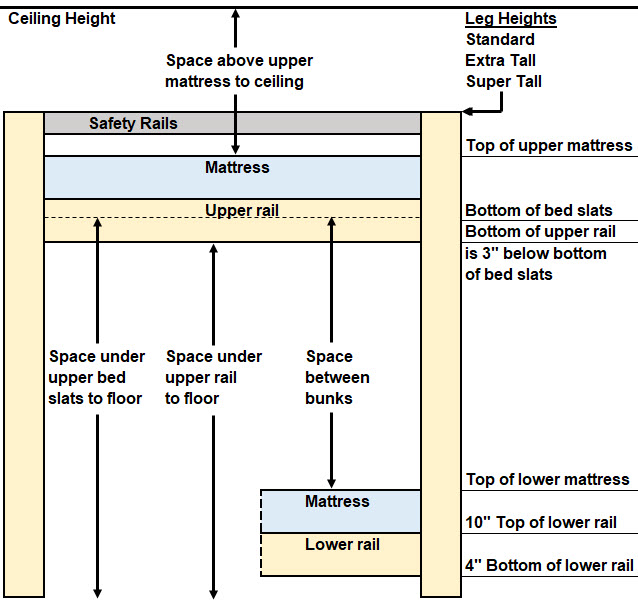
The top bunk needs enough space above the mattress. This space stops the sleeper from hitting their head on the ceiling or upper frame. A mattress thicker than 6 to 8 inches may reduce headroom. Aim for at least 33 inches of clearance from the mattress top to the ceiling or guardrail. This clearance keeps the top bunk safe and comfortable.
Bottom Bunk Space
The bottom bunk space depends on the mattress thickness above it. A very thick top mattress lowers the height available for the bottom bunk. This can make the bottom bunk feel cramped. Choosing a thinner mattress for the top bunk gives more space for sitting or moving. Usually, 6 to 8 inches is ideal for the bottom bunk mattress thickness.
Ceiling Height Impact
The room’s ceiling height limits how thick mattresses can be. Low ceilings require thinner mattresses to keep enough headroom. Rooms with high ceilings allow thicker mattresses for more comfort. Measure the total height of the bunk bed and mattress before buying. Make sure the mattress thickness fits well with your room’s ceiling height.
Materials Affecting Mattress Thickness
The material inside a mattress plays a big role in its thickness. Different materials need different thicknesses to provide good comfort and support. Choosing the right material helps keep safety and comfort balanced, especially for bunk beds.
Each mattress type has unique features. These features affect how thick the mattress should be. Below, we explain three common mattress materials and their impact on thickness.
Memory Foam Density
Memory foam varies in density, which changes how thick it feels. Higher density foams feel firmer and need less thickness to support the body well. Lower density foams are softer and often require more thickness for comfort.
For bunk beds, memory foam mattresses usually range from 6 to 8 inches thick. This thickness provides enough support without making the bunk bed too tall. Thicker memory foam mattresses might be too heavy for the upper bunk.
Latex Mattress Variations
Latex mattresses come in natural, synthetic, and blended types. Natural latex is denser and firmer. It often needs less thickness to offer good support.
Synthetic latex tends to be lighter and softer. It may require extra thickness for proper comfort. Blended latex falls between the two and varies in thickness accordingly.
Latex mattresses for bunk beds usually range from 5 to 7 inches thick. This thickness keeps the mattress supportive and safe for children or adults.
Innerspring Coil Count
Innerspring mattresses use coils to provide support. The number of coils affects firmness and thickness. Higher coil counts usually mean better support and a thinner mattress.
Lower coil counts require thicker layers of padding on top. This adds to the total mattress thickness. For bunk beds, innerspring mattresses are often between 6 and 8 inches thick.
This thickness balances support and safety. It keeps the mattress light enough for easy handling and safe use on bunk beds.
Tips For Choosing The Right Mattress Thickness
Choosing the right mattress thickness for a bunk bed is important. The mattress must fit well and feel comfortable. Too thick or too thin can cause problems. Follow these tips to pick the best mattress thickness. Focus on key factors like age, weight, bed frame, and durability. These help ensure safety and comfort.
Age And Weight Considerations
Think about who will use the bunk bed. Kids need thinner mattresses, usually around 6 to 8 inches thick. This keeps the bed safe and stable. Adults need thicker mattresses for support, about 8 to 10 inches. Also, heavier people need firmer, thicker mattresses to avoid sinking. Choosing the right thickness helps prevent falls and discomfort.
Bed Frame Compatibility
Check the bunk bed frame before buying a mattress. Some frames have limits on mattress thickness. Too thick a mattress can make the guardrails less effective. This raises safety risks. Measure the frame and compare it with mattress sizes. Pick a mattress that fits snugly without blocking safety rails.
Durability And Maintenance
Choose a mattress that lasts long and is easy to clean. Thicker mattresses often wear out slower but can be heavy. Thin mattresses may wear faster but are easier to move. Look for materials that resist stains and odors. Proper care keeps the mattress fresh and safe for years.
Credit: www.collegebedlofts.com
Common Mistakes To Avoid
Choosing the right mattress thickness for a bunk bed is important. Many people make simple mistakes that can cause problems. These errors affect safety and comfort. Avoid these common mistakes to get the best mattress for your bunk bed.
Using Overly Thick Mattresses
Thick mattresses can block the safety rails on top bunks. This increases the risk of falling out. Too thick mattresses also reduce headroom. This makes it hard to sit up or move comfortably. Choose a mattress that fits well within the bed frame.
Ignoring Safety Guidelines
Every bunk bed has safety rules about mattress thickness. Ignoring these can lead to accidents. Safety guidelines prevent falls and injuries. Always check the manufacturer’s advice before buying a mattress. Follow these rules strictly for safe use.
Neglecting Mattress Support
Mattresses need proper support to last long and stay safe. Thin or weak bed slats can cause mattress sagging. This reduces comfort and can damage the mattress. Use strong, supportive bases that match the mattress size. This keeps the mattress firm and stable.
Frequently Asked Questions
What Is The Ideal Mattress Thickness For A Bunk Bed?
The ideal mattress thickness for a bunk bed is between 6 to 8 inches. This ensures safety by preventing the sleeper from being too high above the guardrails, while still providing comfort and support for a good night’s sleep.
Can A Mattress Thicker Than 8 Inches Be Used On Bunk Beds?
Using a mattress thicker than 8 inches on a bunk bed is generally not recommended. It can compromise safety by reducing the effectiveness of guardrails and increasing the risk of falls, especially on the top bunk.
How Does Mattress Thickness Affect Bunk Bed Safety?
Mattress thickness impacts bunk bed safety by influencing the height of the sleeper relative to guardrails. A mattress that’s too thick can make guardrails less effective, increasing fall risk. Optimal thickness ensures the sleeper stays securely within the bed frame.
Are Thinner Mattresses Better For Bunk Beds?
Thinner mattresses, around 6 inches, are better for bunk beds as they enhance safety and maintain proper guardrail height. However, they must still offer adequate comfort and support to avoid sleep discomfort or back pain.
Conclusion
Choosing the right mattress thickness for a bunk bed matters a lot. A mattress that is too thick can be unsafe. Too thin, and it won’t be comfortable. Most experts say 6 to 8 inches works best. This thickness fits well and keeps the guardrails effective.
Always check the bunk bed’s weight limit too. Picking the right mattress keeps sleepers safe and cozy. Think of comfort and safety together. That makes bunk bed sleep better for everyone.