Have you ever looked at an old door and wondered if it could become something more than just an entryway? What if you could turn that plain door into a stunning bookshelf that saves space and adds character to your room?
Imagine having your favorite books displayed right where you need them, without taking up extra floor space. In this guide, you’ll discover simple steps to transform a door into a beautiful, functional bookshelf. Whether you’re short on space or just love unique home projects, this idea will inspire you to create something both practical and eye-catching.
Ready to see how easy it can be? Let’s get started!

Credit: athomewithashley.com
Choosing The Right Door
Choosing the right door is the first step to make a door into a bookshelf. The door must support shelves and hold books safely. Not all doors work well for this project. Some doors are better than others for strength and style. It is important to pick a door that fits your space and design.
Types Of Doors Suitable For Bookshelves
Solid wood doors work best because they are strong and sturdy. Hollow-core doors are lighter but may not hold heavy books well. Panel doors with flat, wide sections can support shelves easily. Avoid very thin or glass doors; they are weak and unsafe for books.
Reclaimed doors add charm and character. They are often solid and thick. Barn doors or old cabinet doors can create unique bookshelves. Choose a door that matches your room’s look and has enough strength for shelves.
Measuring And Assessing Door Condition
Measure the door’s height, width, and thickness carefully. Shelves need enough space to hold books comfortably. Check if the door is flat and not warped. Warped doors make shelf installation difficult and unstable.
Look for damage like cracks, chips, or rot. These weaken the door and reduce its lifespan. Make sure hinges and locks do not block shelf areas. A good door is solid, flat, and in good shape to hold shelves securely.
Gathering Materials And Tools
Before starting the project, gather all materials and tools. Having everything ready saves time and avoids interruptions. It also helps keep the workspace organized. Knowing what you need ensures a smooth building process.
Essential Tools For The Project
Collect basic tools for cutting, measuring, and assembling. A power drill is crucial for making holes and driving screws. A saw helps to cut shelves and trim the door. Use a tape measure for precise measurements. Sandpaper smooths rough edges and surfaces. A screwdriver is necessary for tightening screws. Clamps hold pieces in place during assembly. A pencil marks cutting and drilling spots clearly.
Materials Needed For Shelving
Choose strong wood boards for the shelves. Plywood or solid wood works well. Select screws suitable for wood to secure shelves firmly. Wood glue adds extra strength to joints. Paint or stain improves the look and protects the wood. Shelf brackets support the shelves and keep them steady. Sanding blocks help prepare the wood surface before finishing. Finally, pick the door that will become the bookshelf base.
Preparing The Door
Preparing the door is the first step in turning it into a beautiful bookshelf. A smooth, clean surface helps the paint and shelves stick better. This step also ensures the door looks neat and lasts longer.
Start by removing all the hardware. Then, sand the door to create a smooth base. Finish by applying primer. These tasks make the door ready for painting and assembling shelves.
Removing Door Hardware
Take off all handles, locks, and hinges from the door. Use a screwdriver to remove screws carefully. Keep the hardware in a safe place for later use or replacement. Removing hardware makes sanding and painting easier and cleaner.
Sanding And Priming
Use medium-grit sandpaper to smooth the door surface. Sand along the wood grain to avoid scratches. Wipe off dust with a damp cloth after sanding. Apply a coat of primer to seal the wood. Let the primer dry completely before painting or adding shelves.
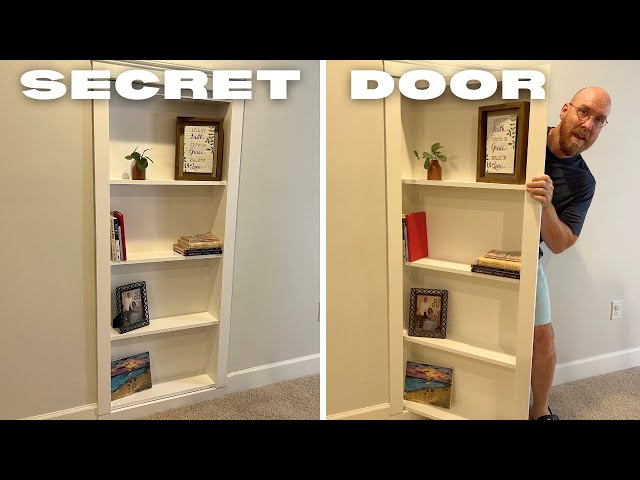
Credit: www.youtube.com
Designing The Bookshelf Layout
Designing the bookshelf layout is an important step in turning a door into a useful storage space. A good layout helps you organize books neatly and makes the shelf look balanced. Careful planning makes sure the shelf fits your needs and the space available.
Take time to think about the size and spacing of each shelf. Also, consider how heavy the books will be and where to place them. These details help keep the shelf strong and safe.
Determining Shelf Size And Spacing
Measure the door’s height and width accurately. Decide how many shelves you want based on your book collection. Leave enough space between shelves for tall books or decorations.
Standard book height varies. Allow at least 10 to 12 inches of height per shelf. Adjust spacing if you plan to store large or small items.
Make shelves wide enough to hold books without sticking out. Around 8 to 12 inches deep works well. This size fits most books and saves space.
Planning Weight Distribution
Books can be heavy. Evenly spread the weight across all shelves. Put heavier books on lower shelves to prevent tipping.
Use strong materials for shelves and supports. Thick wood or metal brackets help hold weight safely. Check the door’s frame for extra support.
Balance the load to avoid sagging shelves. Keep the shelf stable by securing it well to the wall or door frame.
Installing The Shelves
Installing shelves on a door transforms it into a useful bookshelf. This step needs care for safety and strength. Follow simple actions to fit shelves perfectly.
Cutting Shelves To Size
Measure the door width carefully. Mark the shelf boards with a pencil. Use a saw to cut the shelves straight. Sand the edges to avoid splinters. Correct size ensures shelves fit well and hold books safely.
Attaching Shelf Supports
Choose strong shelf supports like brackets or cleats. Mark where supports will go on the door. Use a drill to make pilot holes for screws. Fix the supports tightly to hold the shelf weight. Proper support stops shelves from sagging or falling.
Securing Shelves To The Door
Place the cut shelves on the supports. Check the level with a spirit level tool. Screw the shelves to the supports from underneath. This keeps shelves stable and safe to use. Double-check all screws are tight before loading books.
Finishing Touches
Finishing touches make your door bookshelf look complete and polished. These final steps add style and protect the wood. Small details can turn your project from simple to stunning.
Painting Or Staining
Choose paint or stain to match your room’s style. Paint offers bright colors and covers imperfections well. Stain shows the natural wood grain and gives a classic look. Use a primer before painting for better adhesion. Apply thin coats and let each dry fully. Sand lightly between coats for a smooth finish.
Adding Decorative Elements
Decorative elements add personality and charm. Attach small moldings or trim to the edges for a framed look. Use decorative knobs or handles to enhance the door’s original character. Consider wallpaper or fabric on the back panel for a pop of color. Stick to simple designs to keep the look neat and tidy.
Mounting The Door Bookshelf
Mounting the door bookshelf is a key step to finish your project. This step makes sure the shelf holds well on the wall. It also keeps the books safe and easy to reach. Choosing the right mounting method and checking stability are important.
Choosing Wall Mounting Options
Select wall anchors or brackets that fit your wall type. Drywall needs special anchors to hold weight. Studs offer stronger support for heavy shelves. Metal brackets work well for extra strength.
Measure the door bookshelf and mark the wall carefully. Use a level to keep the shelf straight. Choose mounting points that spread weight evenly. This stops the shelf from tilting or falling.
Ensuring Stability And Safety
Check the shelf’s fit after mounting it on the wall. Tighten all screws and fasteners securely. Test the shelf by adding a few books gently at first.
Look for any wobbling or loose parts. Add extra supports if needed. Safety comes first to protect your books and people around.

Credit: www.reddit.com
Styling And Organizing Books
Styling and organizing books on a door bookshelf turns a simple project into a beautiful display. It helps keep books neat and easy to find. Creative styling also adds personality to your space. Use colors, shapes, and items around books to make the shelf inviting.
Arranging Books Creatively
Place books both vertically and horizontally for visual interest. Group books by color to create a rainbow effect. Stack some books flat to break the rows. Use bookends to hold books upright and add style. Mix tall and short books to avoid uniform lines.
Incorporating Decorative Items
Add small plants to bring freshness to the shelf. Place candles or small sculptures to add charm. Use framed photos or postcards to tell a story. Keep decorations small to avoid clutter. Balance books and decor for a neat look.
Maintenance Tips
Keeping your door-turned-bookshelf in good shape takes regular care. Small steps help your bookshelf last longer and look better. Simple maintenance prevents damage and keeps books safe.
Cleaning And Dusting
Dust gathers quickly on shelves and books. Use a soft cloth or duster to clean surfaces weekly. Avoid wet cloths that can damage wood. Clean books gently with a dry brush or cloth. This keeps your bookshelf fresh and inviting.
Checking For Structural Integrity
Check the door’s frame and shelves for cracks or loose parts. Tighten screws and bolts to keep shelves sturdy. Look for signs of wood damage or warping. Fix small problems early to avoid bigger repairs. A strong structure supports your books safely.
Frequently Asked Questions
How Do I Convert A Door Into A Bookshelf?
Remove the door from its hinges and clean it thoroughly. Attach sturdy shelves evenly spaced using brackets or cleats. Secure the shelves firmly to hold books safely. Finish with paint or stain to match your decor.
What Tools Are Needed To Make A Door Bookshelf?
You will need a drill, screws, brackets, a measuring tape, level, and paint or stain. Sandpaper helps smooth the door surface. These tools ensure a sturdy, attractive bookshelf built from a door.
Can Any Door Be Turned Into A Bookshelf?
Most solid wood or sturdy doors work best for bookshelves. Hollow-core doors may not support heavy books. Choose a door in good condition, free from cracks or warping, for safety and durability.
How Do I Ensure The Bookshelf Door Is Stable?
Use strong brackets or cleats securely fastened to the door. Mount the bookshelf to a wall for extra support. Check shelf alignment with a level to prevent tilting or sagging over time.
Conclusion
Transforming a door into a bookshelf adds charm and saves space. It is a simple project anyone can do with basic tools. Choose sturdy shelves and secure them well for safety. Paint or stain to match your room’s style. This creative idea brings new life to old doors.
Enjoy your unique and useful bookshelf every day. Small changes can make a big difference in your home. Try this project and see how easy it is!