Are you looking for a stylish and practical way to organize your books and display your favorite items? Building a leaning ladder bookshelf might be the perfect project for you.
It’s not only a trendy addition to any room but also a smart use of space. Imagine having a bookshelf that leans effortlessly against your wall, adding character and charm while holding all your must-have reads. In this guide, you’ll discover simple steps to create your own leaning ladder bookshelf, even if you’ve never built furniture before.
Ready to transform your space and impress your friends with a unique, handcrafted piece? Keep reading to find out how easy it can be!
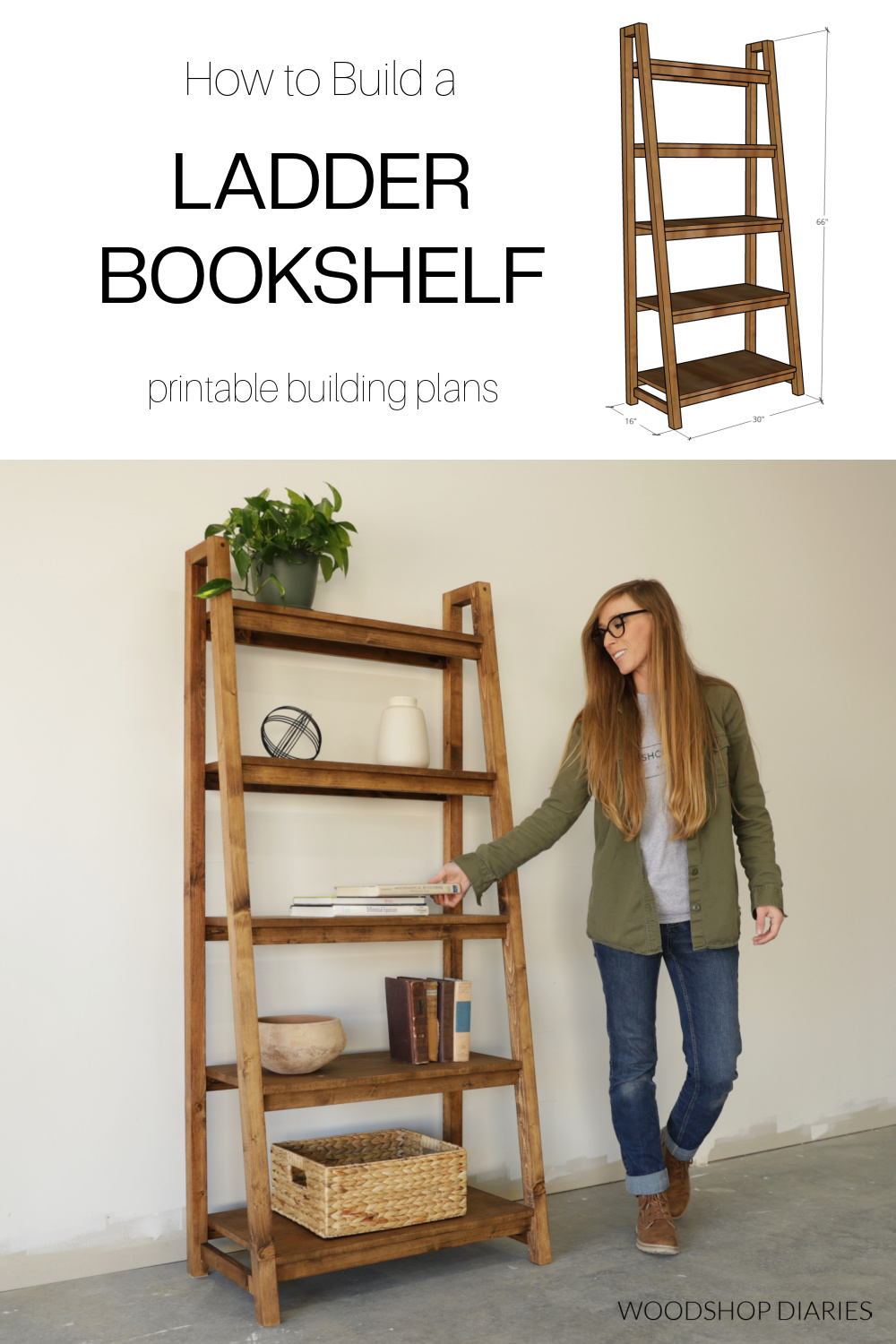
Credit: www.woodshopdiaries.com
Materials And Tools
Building a leaning ladder bookshelf needs the right materials and tools. These help you create a strong and beautiful piece. Choosing wood and tools carefully makes the project easier. Safety gear protects you while working. Let’s explore what you need.
Wood Selection
Choose wood that is strong and smooth. Pine, oak, or maple are good choices. Pine is soft and easy to cut. Oak is hard and lasts long. Maple looks nice and feels smooth. Pick wood boards that are straight and free of cracks. Sand the wood to make it smooth and safe to touch.
Necessary Tools
Have these tools ready before starting your project. A saw is needed to cut the wood to size. Use a drill to make holes and screw parts together. A measuring tape helps you get the right length. Sandpaper or an electric sander smooths the edges. A screwdriver tightens screws. Clamps hold pieces steady while you work. A level keeps shelves even and balanced.
Safety Gear
Protect yourself with safety gear. Wear safety glasses to keep dust and wood chips out of your eyes. Use ear protection to guard against loud noises. Gloves protect your hands from splinters and sharp tools. Wear a dust mask to avoid breathing wood dust. Dress in clothes that fit well and cover your arms and legs.

Credit: www.youtube.com
Design Planning
Design planning is the first step to build a sturdy leaning ladder bookshelf. It helps you organize ideas and create a clear plan. Proper planning saves time and materials during construction. Think about the space where you want to place the bookshelf. This will guide your design choices and measurements.
Focus on creating a design that fits your room and style. Consider how much storage you need. Planning well leads to a bookshelf that looks good and works well.
Choosing Dimensions
Start by measuring the wall space for your bookshelf. Decide on the height and width that fit your room. A common height is between 5 and 7 feet. Width depends on the space and the number of shelves you want. Keep the depth shallow, around 12 inches, for easy access and a sleek look. Choose dimensions that balance style and function.
Sketching The Layout
Draw a simple sketch of your bookshelf on paper. Include the leaning angle and shelf placement. This helps visualize the final product. Use a ruler for straight lines and correct proportions. Label each part with its size. Sketching prevents mistakes and guides your build step by step.
Selecting Shelf Spacing
Think about what you will place on each shelf. Books need different heights than decorative items. Space shelves evenly or vary spacing for different items. Leave at least 10 inches between shelves for most books. Adjust shelf spacing to fit tall objects if needed. Proper spacing ensures the bookshelf is both useful and attractive.
Cutting The Wood
Cutting the wood is a key step in building your leaning ladder bookshelf. Precise cuts ensure the pieces fit well and the shelf stands sturdy. Start with careful measuring and marking. This helps avoid mistakes and saves wood. Use the right tools for clean, straight cuts.
Measuring And Marking
Measure each piece of wood carefully. Use a tape measure for accuracy. Mark the cutting lines clearly with a pencil. Double-check all measurements before cutting. Mark both side rails and shelves clearly. This prevents confusion during cutting.
Cutting Side Rails
Cut the side rails to the right length first. Use a saw that cuts straight and smooth. Follow the pencil lines closely. Keep your hand steady to avoid uneven edges. Sand the edges after cutting to smooth rough spots.
Cutting Shelves
Cut the shelves according to your design size. Use the same careful technique as with the side rails. Check each shelf piece after cutting. Make sure all shelves match in size for a balanced look. Sand edges to avoid splinters and improve finish.
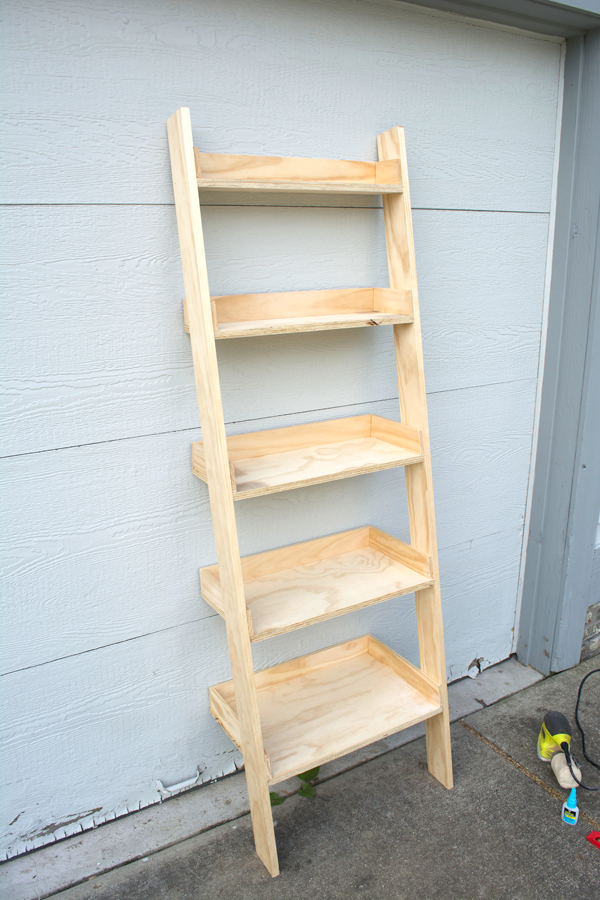
Credit: www.brepurposed.com
Assembling The Frame
Assembling the frame is the next important step in building your leaning ladder bookshelf. This step creates the basic structure that holds your shelves. Take your time to fit each part carefully. A strong frame means a sturdy bookshelf that lasts long.
Attaching Shelves To Rails
Start by placing the rails on a flat surface. Align the shelves evenly along the rails. Use screws to attach each shelf to the rails. Make sure screws go in straight and tight. Check that shelves do not wobble or shift.
Ensuring Stability
Stand the frame upright on a flat floor. Gently push the frame from different sides. The frame should not move or shake. Tighten any loose screws or joints. Add corner braces if the frame feels weak.
Sanding Rough Edges
Use sandpaper to smooth all edges and corners. Sand until surfaces feel even and soft. Sanding helps avoid splinters and rough spots. Clean dust from the frame before painting or staining.
Finishing Touches
Finishing touches make your leaning ladder bookshelf look complete and last longer. These steps protect the wood and add beauty. They also make the shelf safer to use.
Focus on painting or staining first. Then, add a protective coating. Finally, secure the shelf to the wall for stability.
Applying Paint Or Stain
Choose paint or stain based on your room’s style and wood type. Paint gives color and hides imperfections. Stain shows the wood grain and adds natural warmth.
Use a brush or cloth to apply thin, even coats. Let each coat dry fully before adding another. Light sanding between coats helps smooth the surface.
Adding Protective Coating
Protective coating shields the wood from scratches and moisture. Use clear polyurethane or varnish for a strong finish. Apply with a clean brush in long, smooth strokes.
Allow the coating to dry completely. Add a second coat for extra protection. This step keeps your shelf looking new for years.
Installing Wall Support
Wall support keeps the leaning bookshelf stable and safe. Attach brackets or straps to the top of the shelf and secure them to the wall studs. Use a level to keep the shelf straight.
Check the tightness of screws and anchors regularly. This prevents wobbling or tipping over. Proper support protects your books and your family.
Tips For Maintenance
Maintaining your leaning ladder bookshelf keeps it strong and looking good. Regular care helps it last longer and stay safe. A few simple steps make a big difference in its durability and appearance.
Cleaning Advice
Dust the bookshelf often. Use a soft cloth or duster. Avoid wet cloths that can damage the wood. Clean spills quickly to stop stains. Use mild soap with water if needed. Dry the shelf completely after cleaning.
Load Capacity Tips
Do not overload the shelves. Know the weight limit of your bookshelf. Place heavier items on the lower shelves. Distribute weight evenly across all shelves. Check the stability regularly to avoid tipping. Keep the shelf against a wall for extra support.
Repairing Scratches
Small scratches are easy to fix. Use a wood marker or crayon close to the shelf color. Rub gently over the scratch. For deeper marks, use fine sandpaper carefully. Apply a matching wood finish or polish after sanding. This keeps the shelf looking fresh and new.
Frequently Asked Questions
What Materials Are Needed For A Leaning Ladder Bookshelf?
You need wood planks, screws, brackets, sandpaper, paint or stain, and a drill. Quality wood ensures durability and a smooth finish.
How Do I Ensure The Bookshelf Leans Safely?
Secure the top to the wall using brackets. Check the angle is stable and evenly spaced shelves support weight properly.
Can I Customize The Size Of The Leaning Ladder Bookshelf?
Yes, adjust the height and shelf width to fit your space. Measure carefully before cutting wood for precise dimensions.
What Type Of Wood Is Best For Building This Bookshelf?
Pine, oak, or plywood are popular choices. Pine is affordable, oak is sturdy, and plywood offers smooth surfaces for painting.
Conclusion
Building a leaning ladder bookshelf is a great way to add style and storage. You only need a few tools and some wood. Take your time and follow the steps carefully. This project fits well in many rooms and holds books or decor.
You can paint or stain it to match your space. Enjoy your new shelf and the sense of pride it brings. Try making one to see how simple and fun woodworking can be.