Are you struggling with a bookshelf that just doesn’t hold enough? Adding a shelf can be the perfect fix to give your space more room and keep your books and treasures organized.
But if you’ve never done it before, the idea might seem tricky or overwhelming. Don’t worry — this guide will walk you through every step, making the process simple and stress-free. By the end, you’ll have a sturdy, custom bookshelf that fits your needs perfectly.
Ready to transform your bookshelf and make the most of your space? Let’s get started!
Tools And Materials Needed
Adding a shelf to a bookshelf needs the right tools and materials. Choosing them carefully helps the project go smoothly. This section covers what you must have before starting.
Essential Tools
Start with a tape measure to get exact shelf dimensions. A pencil helps mark spots for drilling and cutting. Use a level to keep the shelf straight. A drill is needed for making holes and fixing screws. Screwdrivers are useful for tightening screws by hand. Sandpaper smooths rough edges on the shelf. Safety glasses protect your eyes during work. A saw cuts the shelf material to size.
Choosing The Right Shelf Material
Wood is the most common shelf material. It is strong and easy to cut. Plywood is a good choice for a sturdy, smooth shelf. Particleboard is cheaper but less durable. Solid wood offers a classic look but costs more. Consider the weight the shelf will hold. Choose a material that fits your budget and style.
Measuring And Planning
Measuring and planning are key steps before adding a new shelf to your bookshelf. Accurate measurements ensure the shelf fits well and looks good. Careful planning helps avoid mistakes and saves time. Take your time with these steps to get the best results.
Determine Shelf Size
Start by measuring the width of your bookshelf. Use a tape measure for accuracy. Write down this number. Next, decide how deep the shelf should be. Match it to the other shelves or choose a size that fits your needs. Finally, decide the shelf thickness. Thicker shelves hold heavier items better.
Marking The Placement
Choose where the new shelf will go inside the bookshelf. Use a pencil to mark the spot on both sides. Use a level to make sure the marks are even. Double-check the height to avoid placing the shelf too close or too far from others. Clear marks help during installation.
Preparing The Bookshelf
Before adding a shelf to your bookshelf, preparation is key. This step ensures safety and a smooth process. Taking time now saves trouble later. Follow these simple tasks to get ready.
Clearing The Space
Remove all books and items from the bookshelf. Empty shelves make work easier and safer. Clear the area around the bookshelf too. This space helps you move and use tools freely. A tidy workspace helps avoid accidents.
Checking For Stability
Check if the bookshelf stands firmly on the floor. Gently shake it to see any wobble or movement. Tighten loose screws or bolts you find. If the shelf feels weak, fix or reinforce it before adding more weight. A stable bookshelf supports new shelves safely.
Installing Shelf Supports
Installing shelf supports is a key step to add a new shelf. It holds the shelf in place and keeps it steady. Choose the right support for your bookshelf to fit your needs. Proper installation ensures safety and durability.
Types Of Supports
Several types of supports work well for bookshelves. Brackets are common and provide strong hold. They come in metal or plastic and fit under the shelf. Pegs are small pins inserted into pre-drilled holes. They are easy to move and adjust. Floating shelf supports hide under the shelf for a clean look. Choose supports based on shelf weight and style.
Attaching Supports Securely
Mark the spots for the supports carefully. Use a level to keep the shelf even. Drill pilot holes to prevent wood from splitting. Attach brackets or pegs with screws for firm grip. Check that supports are tight and do not wobble. Test the shelf by placing a few books on it. Adjust if needed before loading it fully.
Cutting And Finishing The Shelf
Cutting and finishing the shelf is a key step in adding a new level to your bookshelf. This process ensures the shelf fits perfectly and looks neat. You will need to measure, cut, smooth, and paint the shelf for the best results.
Cutting To Size
Measure the space inside the bookshelf carefully. Use a tape measure for accuracy. Mark the wood board where you need to cut. A pencil works well for this. Use a saw to cut along the marks. A handsaw or a power saw will do the job. Cut slowly to keep the edge straight. Check the size by placing the board inside the shelf space. Trim a little if it feels too tight.
Sanding And Painting
Sand the edges and surfaces of the cut shelf. Use medium-grit sandpaper first. This removes rough spots and splinters. Then, use fine-grit sandpaper to smooth the wood. Wipe dust off with a clean cloth. Choose paint or wood stain that matches your bookshelf. Apply paint evenly with a brush or roller. Let it dry completely before placing the shelf. This step protects the wood and improves its look.

Credit: www.thriftydecorchick.com
Placing The Shelf
Placing the shelf correctly is key to a sturdy bookshelf. The shelf must fit well and stay secure. This part of the project needs care and attention. A well-placed shelf holds your books safely and looks neat.
Fitting The Shelf
Measure the space inside the bookshelf carefully. Check the width and depth to match the shelf. Cut the shelf board to the right size. Test the fit by placing the shelf in the space. It should slide in smoothly without gaps or tight spots. Adjust the edges if needed with sandpaper or a saw.
Securing The Shelf In Place
Use shelf supports or brackets to hold the shelf. Place them evenly on both sides for balance. Screw or nail the supports firmly into the bookshelf walls. Place the shelf on the supports and press down gently. Check for wobbling or uneven spots. Tighten screws or adjust supports to keep the shelf steady. This ensures the shelf holds weight safely over time.
Tips For Maintenance And Safety
Adding a shelf to a bookshelf is a smart way to increase storage space. Keeping the shelf safe and well-maintained is very important. Good care helps the shelf last longer and keeps your books and items secure.
Weight Limits
Each shelf has a weight limit. Do not put too many heavy items on it. Overloading can cause the shelf to break or fall. Check the shelf material and design to know the limit. Spread weight evenly to avoid stress on one spot.
Regular Checks
Look at the shelf often for signs of damage. Check screws, brackets, and joints. Tighten any loose parts right away. Look for cracks or bends in the wood or metal. Fix small problems before they get worse. Regular checks keep the shelf strong and safe.
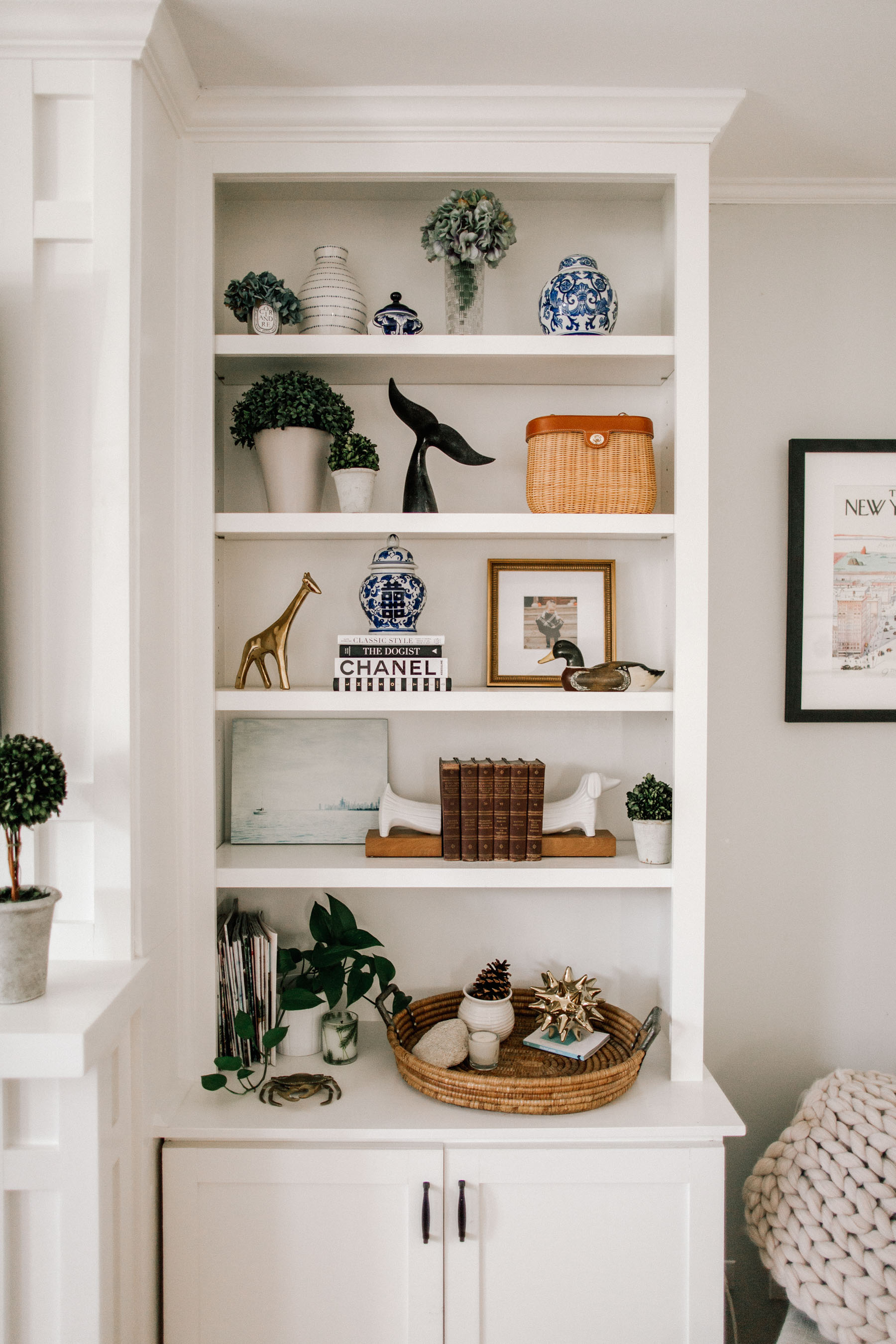
Credit: kellyinthecity.com

Credit: www.youtube.com
Frequently Asked Questions
How Do I Measure Space For A New Bookshelf Shelf?
Measure the width and depth inside your bookshelf. Subtract a small margin for easy fitting. Accurate measurements ensure the shelf fits well and supports your items safely.
What Materials Work Best For Bookshelf Shelves?
Solid wood, plywood, and MDF are common choices. Solid wood is sturdy and durable. Plywood offers good strength with less weight. MDF is smooth but less strong, suitable for light items.
How To Securely Attach A Shelf To A Bookshelf?
Use shelf pins or brackets for support. Drill holes evenly spaced to insert pins. For heavier loads, brackets provide stronger support and stability. Ensure all attachments are level and firmly fixed.
Can I Customize Shelf Height On My Bookshelf?
Yes, adjustable shelves allow customization. Use pre-drilled holes or install shelf support tracks. This flexibility helps accommodate books or decor of different sizes efficiently.
Conclusion
Adding a shelf to your bookshelf is simple and useful. It helps create extra space for your books and items. With just a few tools and steps, you can improve your shelf’s look and function. Try different shelf positions to fit your needs.
Keep your shelf steady and safe by checking the supports. Enjoy your new, organized space without clutter. Small changes can make a big difference in your room. Start your project today and see the results yourself.