Are you looking to give your bookshelf a fresh, stylish upgrade? Adding bypass doors can transform a plain shelf into a sleek, space-saving feature that keeps your books and treasures dust-free and easy to access.
Whether you want a modern look or a practical solution for tight spaces, bypass doors are a smart choice. In this guide, you’ll discover simple, step-by-step tips to add bypass doors to your bookshelf—no expert skills needed. Keep reading, and you’ll soon have a beautiful, functional piece that fits perfectly in your home.

Credit: www.youtube.com
Tools And Materials Needed
Adding bypass doors to a bookshelf requires specific tools and materials. Having the right items makes the project easier and safer. This section explains what you need before starting.
Essential Tools
Start with a tape measure for accurate door size. A drill and screwdriver are key for assembly. Use a level to keep doors straight and even. A saw helps cut doors or tracks to fit. Sandpaper smooths rough edges for a clean finish. Safety glasses protect your eyes during cutting and drilling. A pencil marks measurements clearly on wood or metal.
Choosing The Right Materials
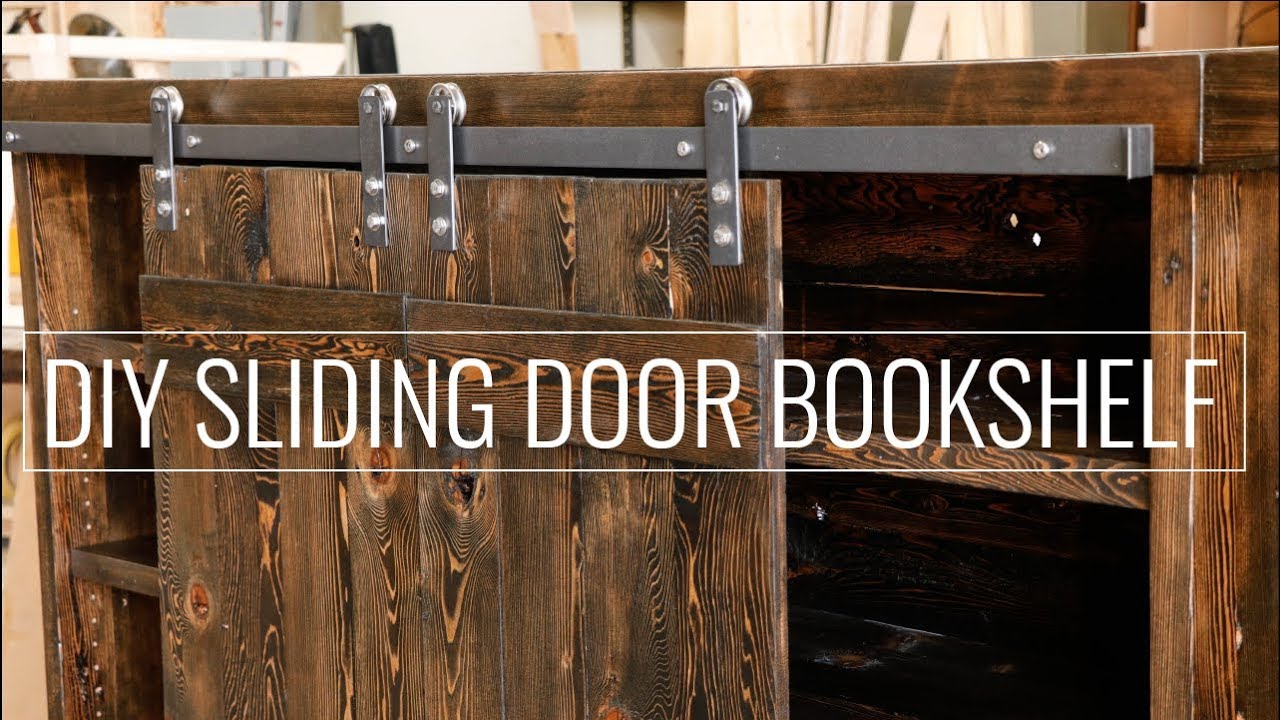
Select doors that match your bookshelf style. Wood doors offer a classic and sturdy look. Glass doors create an open, modern feel. Tracks and rollers must be strong and smooth for easy sliding. Use screws and brackets made of durable metal. Choose paint or stain that suits your room decor. Pick materials that resist wear and tear for long use.
Credit: www.youtube.com
Planning Your Bypass Doors
Planning your bypass doors is the first step for a smooth project. Careful preparation saves time and avoids mistakes. This section guides you through the key points to consider before starting your installation.
Measuring The Bookshelf
Start by measuring the width and height of your bookshelf. Use a tape measure for accuracy. Measure from edge to edge at the top, middle, and bottom. Write down the smallest width to ensure the doors fit.
Next, measure the depth of the bookshelf. This helps choose the right door thickness. Double-check all measurements before buying materials.
Selecting Door Style And Design
Choose a door style that matches your room and bookshelf. Common types include wood panels, glass, or mirrored doors. Consider how much light you want through the doors.
Pick a design that fits your taste. Simple styles suit modern spaces. Ornate designs work well in classic rooms. Think about the color and finish to complement your décor.
Preparing The Bookshelf
Preparing the bookshelf is the first important step to adding bypass doors. It helps the doors fit well and slide smoothly. Taking time here saves trouble later. Follow each step carefully for best results.
Start by clearing and cleaning the bookshelf. A clean space makes the installation easier and more accurate. Then, mark the door tracks to guide the placement. Accurate marks keep the doors balanced and aligned.
Clearing And Cleaning
Remove all books and items from the shelf. Dust and dirt can block the track or cause damage. Use a soft cloth and mild cleaner to wipe every surface. Clean corners and edges where tracks will attach. Let the shelf dry completely before the next step. A clean shelf helps the doors move without sticking.
Marking Door Tracks
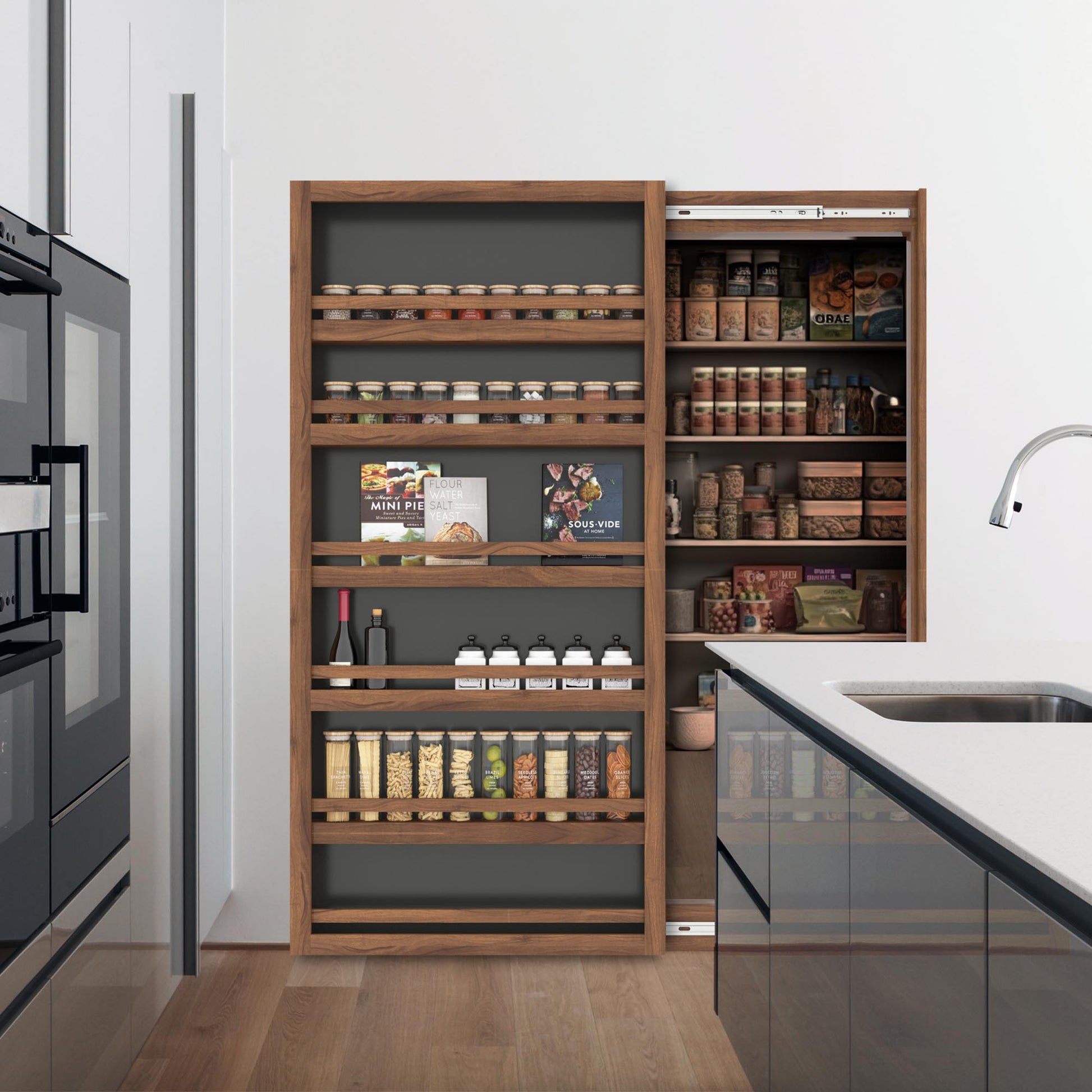
Measure the width and height of the opening carefully. Use a pencil to mark where the top and bottom tracks will go. Check that marks are straight and level with a ruler or level tool. Mark the positions for door stops or guides too. Clear marks make it easier to install the tracks correctly. Double-check all measurements before drilling or screwing.
Credit: murphydoor.com
Installing The Door Tracks
Installing door tracks is a key step in adding bypass doors to a bookshelf. Tracks hold the doors in place and allow them to slide smoothly. Proper installation ensures the doors work well and last long.
Measure the bookshelf width carefully before starting. The tracks must fit perfectly to avoid problems later. Use a level to keep the tracks straight. Mark the spots where you will attach the tracks. This helps with accurate placement and easy installation.
Attaching The Top Track
Start with the top track. Hold it against the top edge of the bookshelf. Make sure it is centered and straight using a level. Mark the screw holes on the shelf frame. Use a drill to make pilot holes for the screws. Pilot holes prevent the wood from splitting. Attach the top track using screws. Tighten screws just enough to hold the track firmly. Avoid overtightening as it can bend the track.
Attaching The Bottom Track
The bottom track guides the doors at the base. Place it aligned with the top track edges. Use a level to confirm it is straight. Mark screw holes on the shelf base or floor. Drill pilot holes in the marked spots. Screw the bottom track securely in place. Check that the track is flush and even. The doors must slide easily without sticking or wobbling.
Assembling And Mounting Doors
Assembling and mounting bypass doors is a key step in transforming your bookshelf. The process requires careful attention to detail. Proper assembly ensures smooth door movement and a neat look. Mounting the doors on tracks makes them functional and easy to slide.
Building Door Panels
Start by cutting wood panels to fit your bookshelf opening. Sand the edges to avoid splinters and create a smooth finish. Attach frame pieces around each panel’s edge for strength and style. Use wood glue and screws to secure the frame firmly. Paint or stain the panels before assembling to save time later. Let everything dry completely before moving on.
Hanging The Doors On Tracks
Install the top and bottom tracks inside the bookshelf opening. Make sure tracks are level to allow doors to slide easily. Attach rollers or hangers to the top of each door panel. Lift doors carefully and insert rollers into the top track. Align the bottom of the doors with the lower track guides. Test the doors by sliding them back and forth gently. Adjust the rollers or tracks to fix any sticking or uneven movement.
Adjusting And Finishing Touches
After installing bypass doors on your bookshelf, fine-tuning is essential. Adjusting and finishing touches ensure doors work well and look great. This step improves door movement and adds style to your project.
Aligning Doors For Smooth Operation
Check the doors for any gaps or rubbing against the frame. Adjust the rollers or tracks to make doors slide easily. Tighten or loosen screws on the hardware to align the doors perfectly. Test each door several times to confirm smooth movement. Proper alignment prevents noise and wear over time.
Adding Handles And Accessories
Choose handles that match your room style and bookshelf design. Measure and mark where you want the handles on each door. Use a drill to make holes and attach the handles securely. Consider adding soft-close bumpers to reduce noise. Small accessories can make your doors easier to use and more attractive.
Maintenance Tips
Proper maintenance keeps your bypass doors working smoothly. Simple care helps avoid damage and costly repairs. Regular checks and cleaning improve door function and lifespan.
Cleaning Tracks And Doors
Dust and dirt gather in tracks over time. Use a vacuum or soft brush to clear debris. Wipe tracks with a damp cloth to remove grime. Clean doors with a mild soap and water solution. Avoid harsh chemicals that can damage door surfaces. Dry doors and tracks completely after cleaning to prevent rust.
Troubleshooting Common Issues
Doors may stick or come off tracks. Check for loose screws or damaged rollers first. Tighten or replace parts as needed. If doors do not slide smoothly, clean and lubricate tracks. Use a silicone-based lubricant for best results. Warped doors might need adjustment or replacement. Seek help if problems persist beyond basic fixes.
Frequently Asked Questions
How Do Bypass Doors Work On A Bookshelf?
Bypass doors slide past each other on tracks. They save space by not swinging out. This makes bookshelves more accessible and stylish.
What Materials Are Best For Bypass Bookshelf Doors?
Wood and glass are popular. Wood offers durability and style. Glass adds a modern look and visibility. Choose based on your décor and function.
Can I Install Bypass Doors On Any Bookshelf?
Most bookshelves can fit bypass doors with proper measurements. Ensure the bookshelf is sturdy enough to hold the tracks and doors.
How Much Does Adding Bypass Doors To A Bookshelf Cost?
Costs vary by material and size. Basic kits start around $100. Custom doors and professional installation increase expenses.
Conclusion
Adding bypass doors to a bookshelf can change its look and function. It saves space and makes your room neat. The steps are simple and clear to follow. You only need some tools and a little patience. This small project can help you keep books safe and dust-free.
Try it yourself to see how easy it is. You will enjoy having a stylish and useful bookshelf in your home. Give it a go and watch your space improve.