Are you looking to give your small bookshelf a fresh, stylish upgrade? Adding a wood butcher block shelf could be the perfect solution.
Not only does it bring warmth and charm to your space, but it also adds strength and durability. Imagine turning your ordinary bookshelf into a standout piece that holds your favorite books and decor with ease. In this post, you’ll discover simple, step-by-step tips to add a wood butcher block to your small bookshelf—no expert skills needed.
Keep reading, and you’ll be ready to transform your shelf into something truly special.
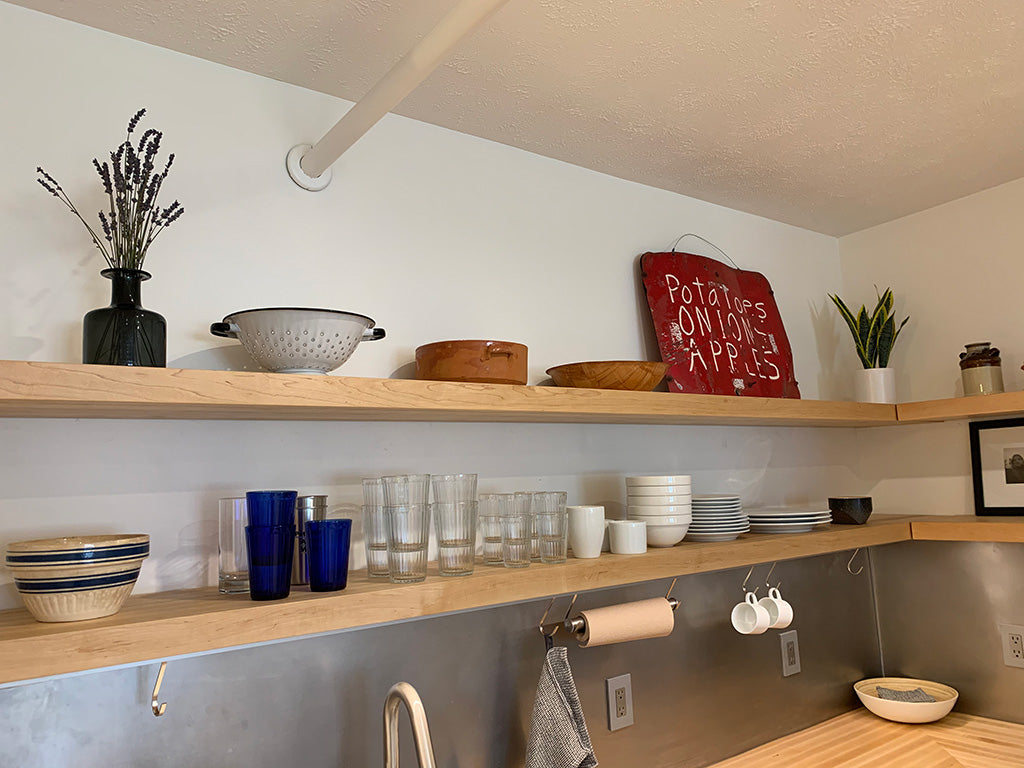
Credit: www.vermontbutcherblock.com
Choosing The Right Butcher Block
Choosing the right butcher block for your small bookshelf is key. It affects both look and function. Pick a block that fits the space well. The wood type, size, and finish all matter. Each detail changes how the shelf feels and holds up over time.
Types Of Wood
Wood butcher blocks come in many types. Maple is hard and light in color. Oak offers strong grain patterns. Walnut has a rich, dark tone. Cherry ages to a warm red shade. Pine is softer and cheaper but dents easily. Think about the style and durability you want.
Size And Thickness Considerations
Measure your bookshelf carefully before buying. The butcher block must fit snugly without overhang. Thickness affects strength and weight. Thicker blocks feel sturdy but add weight. Thin blocks are lighter but less strong. Balance size and thickness for your shelf’s use.
Finishing Options
Finishing protects the wood and changes its look. Oil finishes bring out natural grain and shine. Varnish adds a hard, protective layer. Wax gives a soft, matte finish. Some finishes resist water better than others. Choose one that fits your style and use.
Preparing The Bookshelf
Preparing the bookshelf is the first step before adding a wood butcher block. This process makes sure the butcher block fits well and stays secure. Taking time to prepare helps you avoid problems later on. Follow the steps carefully for the best results.
Measuring And Marking
Start by measuring the inside width and depth of the bookshelf. Use a tape measure for accuracy. Write down the numbers to avoid mistakes. Mark where the butcher block will sit using a pencil. Check the marks twice to be sure. Accurate measuring prevents gaps or uneven edges.
Cleaning And Sanding Surfaces
Clean the shelves with a damp cloth to remove dust and dirt. Let the surfaces dry completely. Sand the top edges lightly with fine-grit sandpaper. This creates a smooth surface for the butcher block to rest on. Clean off sanding dust with a dry cloth. A clean, smooth surface helps the butcher block stick better.
Removing Existing Shelves If Needed
Check if any shelves block the butcher block’s placement. Remove them carefully by unscrewing or lifting out. Keep the removed shelves for later use or storage. Make sure the space is clear and level. Removing extra shelves gives the butcher block the needed space.
Cutting The Butcher Block
Cutting the butcher block is a key step in fitting it perfectly on your small bookshelf. It needs careful measuring and clean cuts. A precise cut makes the block look neat and fit well. You need the right tools and safe methods to do this.
Tools Required
Gather a circular saw or jigsaw for cutting the block. Use a measuring tape to mark the wood accurately. Clamps hold the block steady while cutting. Sandpaper or a sanding block smooths rough edges after cutting. Safety glasses and gloves protect your hands and eyes.
Safe Cutting Techniques
Measure twice, cut once. Mark the cut line clearly on the butcher block. Secure the block with clamps to stop movement. Keep your hands away from the saw blade at all times. Cut slowly and steadily to avoid splintering. Use safety gear to protect yourself.
Smoothing Edges
After cutting, edges may be rough or sharp. Sand the edges with medium-grit sandpaper first. Move to fine-grit sandpaper for a smooth finish. Round the corners slightly to prevent splinters. Clean the dust off with a cloth before placing it on the shelf.
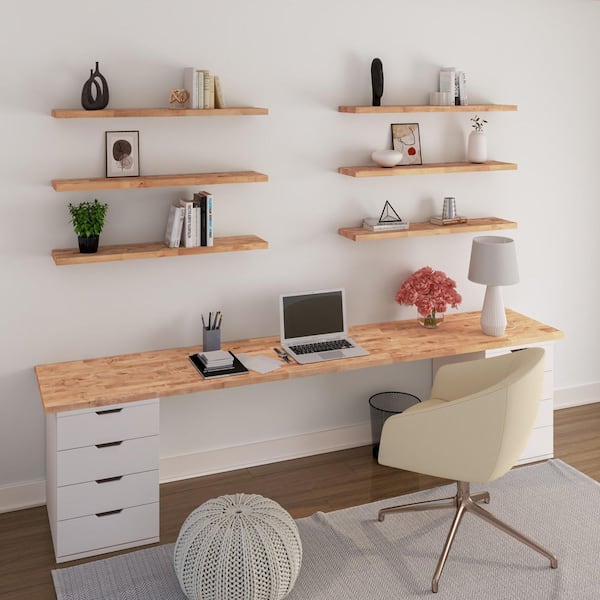
Credit: www.homedepot.com
Attaching The Butcher Block
Attaching the butcher block to your small bookshelf is a key step. It ensures the block stays secure and looks good. Doing it right helps the shelf hold weight and last longer. Follow these simple steps to attach the butcher block properly.
Choosing The Right Fasteners
Select fasteners that match the weight and size of the butcher block. Wood screws are a common choice. Pick screws long enough to go through the block and into the shelf frame. Avoid fasteners that are too short or thin. They won’t hold the block firmly.
Consider using washers for added grip. This prevents the screws from sinking into the wood. Choose stainless steel or coated screws to avoid rust. This keeps your shelf looking neat over time.
Positioning And Aligning
Place the butcher block on the bookshelf carefully. Make sure it sits flat and flush with the shelf edges. Use a level to check that the block is even. Align the block so it does not hang over unevenly.
Mark the screw spots on the block and shelf frame. Double-check measurements to keep the block centered. Proper alignment prevents wobbling and makes the shelf look neat. Take your time for this step.
Securing The Block
Pre-drill holes to prevent the wood from splitting. Use a drill bit slightly smaller than your screws. Then, drive the screws into the marked spots. Tighten them just enough to hold the block firmly.
Do not over-tighten screws. This can crack the butcher block or shelf. Check the block again for evenness after securing. Make small adjustments if needed. A well-secured butcher block adds style and strength to your bookshelf.
Finishing Touches
Adding wood butcher block to your small bookshelf brings warmth and charm. The final steps make sure the wood looks great and lasts long. Finishing touches protect the wood and keep it smooth. Let’s explore how to complete your project perfectly.
Sanding And Sealing
Start by sanding the butcher block with fine sandpaper. This removes rough spots and opens the wood grain. Sand evenly in the direction of the grain for a smooth finish. Clean off dust with a dry cloth before sealing.
Apply a wood sealer to protect the butcher block from moisture. Sealers soak into the wood and prevent stains. Use a brush or cloth to spread sealer evenly. Let it dry fully before using the shelf.
Applying Protective Coatings
Choose a protective coating like oil, wax, or polyurethane. Oil enhances the wood’s natural color and keeps it hydrated. Wax adds a soft shine and a layer of protection. Polyurethane forms a hard, durable surface that resists scratches.
Apply thin coats with a clean cloth or brush. Allow each coat to dry before adding another. Multiple coats increase durability and improve the finish. Lightly sand between coats for the best result.
Maintenance Tips
Keep the butcher block clean with a damp cloth and mild soap. Avoid harsh chemicals or soaking the wood. Reapply oil or wax every few months to maintain shine and protection.
Use coasters or mats to protect from water rings and heat. Address scratches or stains quickly by sanding lightly and recoating. Regular care keeps your butcher block looking fresh and beautiful.

Credit: www.amazon.com
Frequently Asked Questions
How Do I Measure Wood For A Butcher Block Shelf?
Measure the bookshelf’s width, depth, and desired thickness. Subtract a small margin for fitting. Accurate measurements ensure a perfect butcher block fit.
What Type Of Wood Is Best For Butcher Block?
Maple, oak, and walnut are popular. They are durable, dense, and resist scratches. Choose hardwood for longevity and strength.
How Do I Attach A Butcher Block To A Bookshelf?
Use wood glue and screws or brackets. Clamp the block securely while drying. This ensures a stable, long-lasting attachment.
Can I Finish A Butcher Block On A Bookshelf?
Yes, apply food-safe mineral oil or beeswax. This protects the wood and enhances its natural grain.
Conclusion
Adding a wood butcher block to a small bookshelf brings warmth and style. It fits well in tight spaces and adds extra strength. You can easily cut and attach the block with basic tools. Choose a wood type that matches your room’s look.
Seal the wood to protect it from stains. This simple project improves both function and appearance. Try it yourself and enjoy a unique, sturdy shelf. Small changes can make a big difference in your home.