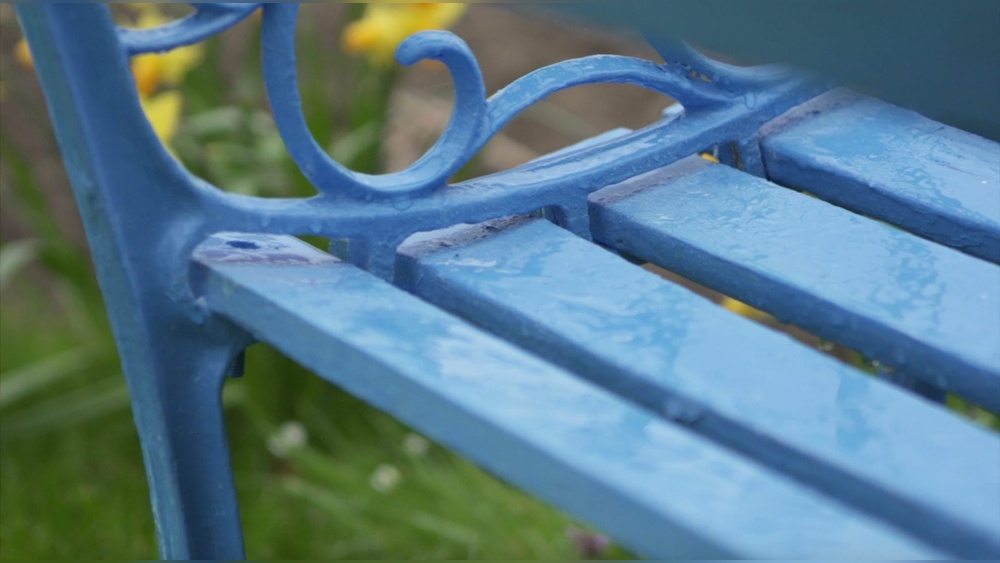
Are your outdoor furniture covers looking a bit tired or not fitting quite right? You don’t have to buy new ones to give your patio a fresh look.
By learning how to alter your outdoor furniture covers, you can save money and extend their life. Imagine having perfectly fitting covers that protect your furniture better and make your outdoor space look neat and inviting. In this guide, you’ll discover simple, practical steps to customize your covers exactly the way you want.
Ready to transform your outdoor setup? Keep reading, and you’ll find out how easy it can be.
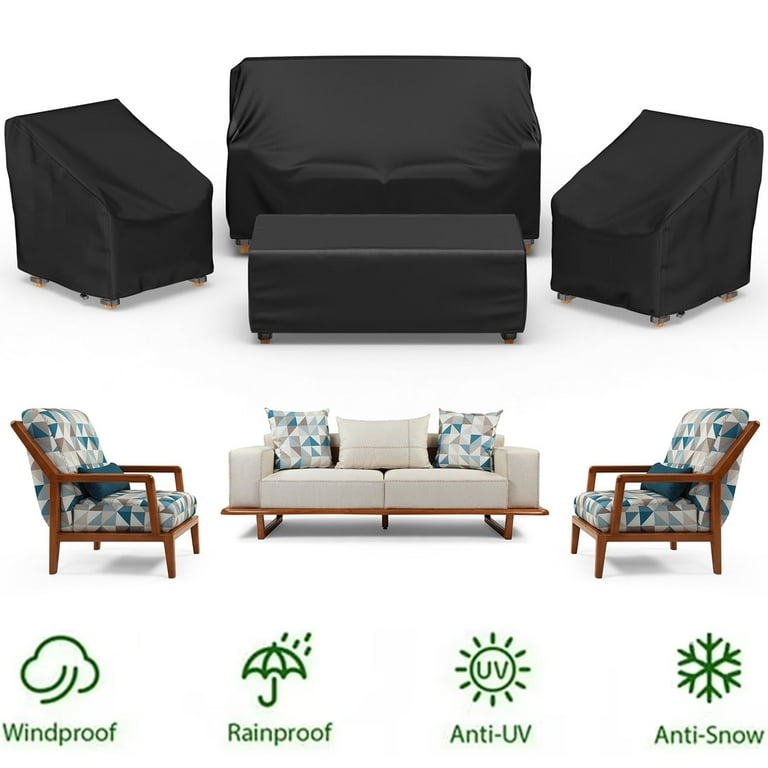
Credit: www.walmart.com
Choosing The Right Fabric
Choosing the right fabric for outdoor furniture covers is key to protecting your furniture. The right fabric keeps your furniture safe from weather and wear. It also affects how your covers look and last. Select fabric that fits your needs and style.
Types Of Outdoor Fabrics
Outdoor fabrics come in many types. Common options include polyester, acrylic, and olefin. Polyester is strong and dries fast. Acrylic resists fading and feels soft. Olefin is tough and resists stains well. Pick a fabric that suits your climate and use.
Waterproof And Uv-resistant Options
Waterproof fabric keeps rain and moisture away. This helps prevent mold and mildew. UV-resistant fabric stops the sun from fading colors. It also protects fabric from breaking down. Choose fabrics with both features for longer cover life.
Matching Fabric To Furniture Shape
Furniture shapes vary, so fabric choice matters. Stretchy fabrics fit curved or rounded pieces well. Stiffer fabrics work best on flat surfaces. Measure your furniture before buying fabric. This ensures a neat, snug fit for your cover.
Measuring Your Furniture
Measuring your outdoor furniture is the first step to altering its covers. Getting the right size ensures the cover fits well. A proper fit protects your furniture from rain, sun, and dust.
Take your time during measuring. Small errors can cause big problems later. Use a tape measure and write down numbers clearly.
Essential Dimensions To Record
Start with the length of your furniture. Measure from one end to the other. Next, measure the width across the widest part. Finally, note the height from the ground to the top.
Record these three dimensions: length, width, and height. These are the basics for a well-fitting cover.
Tips For Accurate Measuring
Use a flexible tape measure for best results. Measure twice to avoid mistakes. Write down the numbers immediately to keep track.
Measure in inches or centimeters, but stay consistent. Ask someone to help hold the tape for better accuracy.
Accounting For Cushion Thickness
Don’t forget to measure the thickness of cushions. Add this measurement to the height and width. This step prevents the cover from being too tight.
Include any extra pillows or armrests in your measurements. This helps cover every part of your furniture properly.
Preparing The Cover Material
Preparing the cover material is the first step in altering outdoor furniture covers. It ensures the fabric fits well and lasts longer. Careful preparation makes sewing easier and the final cover look neat. Follow these simple steps to get the material ready for alteration.
Pre-washing And Treating Fabric
Start by washing the fabric to remove dirt and chemicals. Use cold water and mild detergent. This prevents shrinking after sewing. Let the fabric dry completely before cutting. Treat the fabric with a water repellent spray for extra protection. This helps the cover resist rain and stains.
Marking Cutting Lines
Lay the fabric flat on a clean surface. Use a ruler and tailor’s chalk to mark cutting lines. Mark carefully to match the dimensions of your furniture. Double-check measurements to avoid mistakes. Clear lines guide you during cutting and sewing. This step helps you cut the fabric accurately.
Gathering Necessary Tools
Collect all tools before starting the project. You will need sharp fabric scissors, pins, measuring tape, and a sewing machine. Have thread that matches the fabric color. Also, keep a seam ripper handy for corrections. Organizing tools saves time and reduces frustration.
Cutting And Sewing The Cover
Cutting and sewing outdoor furniture covers takes careful work. Accurate cutting and strong sewing make covers fit well and last long. This section explains how to cut fabric pieces correctly, sew durable seams, and add useful reinforcements.
Cutting Fabric Pieces Precisely
Measure your furniture carefully before cutting fabric. Use a ruler and chalk to mark straight lines. Cut slowly to avoid uneven edges. Keep extra fabric for adjustments later. Accurate cuts help the cover fit snugly.
Sewing Seams For Durability
Use a strong, weather-resistant thread for sewing. Stitch slowly to keep seams even and tight. Double stitch areas that hold more stress. Strong seams prevent tearing and keep water out. Check stitches regularly to catch weak spots.
Adding Reinforcements And Edges
Add extra fabric layers at stress points like corners. Use binding tape or bias tape to finish edges cleanly. Reinforced edges stop fraying and wear. Secure corners with extra stitches or patches. These steps extend the life of your cover.
Customizing Fit Features
Customizing fit features improves outdoor furniture covers’ comfort and protection. A good fit keeps covers secure during windy days. It also prevents water and dirt from getting inside. Simple changes can make covers fit like a glove. These adjustments help covers last longer and work better.
Installing Drawstrings Or Elastic Bands
Drawstrings and elastic bands help tighten covers around furniture. Sew a small channel at the bottom edge of the cover. Thread a drawstring or elastic band through this channel. Pull the string or band to adjust the fit. Tie or secure it to hold the cover tight. This stops the cover from blowing away or slipping off.
Adding Velcro Or Zippers
Velcro strips and zippers allow easy opening and closing. Attach Velcro along the cover’s edges for quick fastening. Sew zippers for a more secure, snug fit. Both options make putting on and taking off covers simple. They help keep the cover firmly in place during storms or strong winds.
Incorporating Ventilation Panels
Ventilation panels reduce moisture and heat buildup inside covers. Cut small mesh panels in areas prone to condensation. Sew mesh fabric to create vents without letting rain in. These vents keep furniture dry and prevent mold growth. Good airflow extends the life of both covers and furniture.

Credit: www.arhaus.com
Final Adjustments And Care
After sewing or altering outdoor furniture covers, the final steps ensure a perfect fit and long-lasting use. Adjustments help the cover sit well on your furniture. Proper care keeps the fabric clean and strong through all seasons.
Testing The Fit On Furniture
Place the cover on your outdoor furniture carefully. Check all sides to see if it fits snugly. Look for loose areas or tight spots. Move cushions and corners to test coverage. Make sure the cover protects all parts from rain and sun.
Making Minor Alterations
Mark any spots that need small changes. Use scissors or a needle to trim or sew. Tighten loose seams or add extra stitches. Adjust straps or ties for better hold. Small fixes improve the cover’s look and function.
Cleaning And Maintenance Tips
Clean covers regularly to avoid dirt buildup. Use mild soap and water with a soft brush. Let covers dry completely before folding or storing. Store covers in a dry place during winter or long breaks. Check for tears or damage and repair quickly.
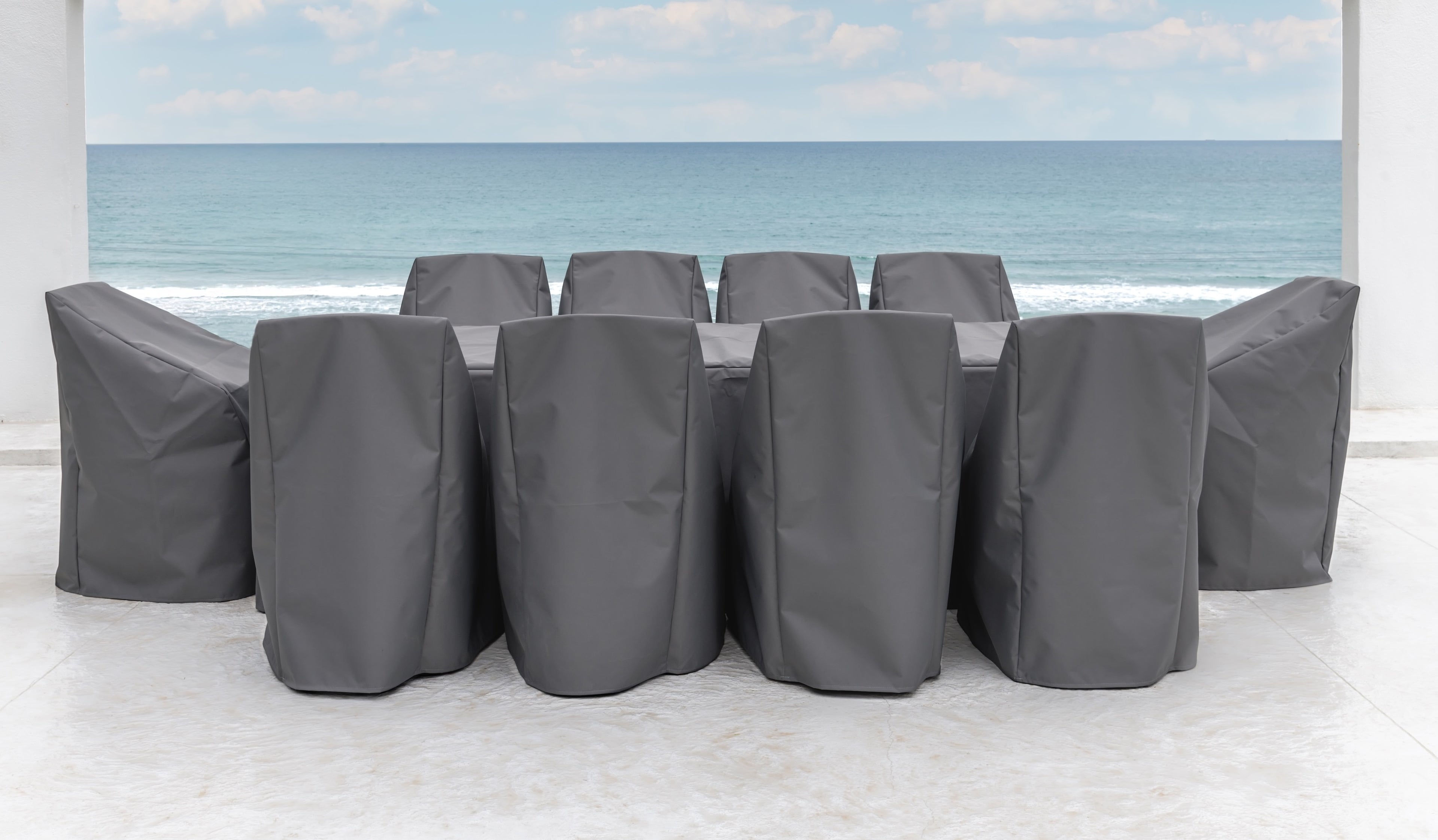
Credit: teakwarehouse.com
Frequently Asked Questions
How Do I Resize Outdoor Furniture Covers?
To resize outdoor furniture covers, carefully measure your furniture first. Cut the fabric slightly larger than needed. Sew or use fabric adhesive to adjust edges. Ensure seams are waterproof to protect against weather damage.
What Materials Work Best For Altering Covers?
Choose durable, water-resistant fabrics like polyester or acrylic. These materials withstand outdoor conditions well. Avoid cotton as it absorbs moisture and fades quickly. Use UV-resistant fabrics to prolong cover life and maintain appearance.
Can I Waterproof Altered Furniture Covers?
Yes, apply a waterproof spray or seam sealer after alterations. This protects seams and fabric from rain and moisture. Reapply the waterproofing treatment every few months for best protection. Always test spray on a small area first.
How To Secure Altered Covers To Furniture?
Add elastic bands, Velcro strips, or drawstrings to the edges. These help keep covers snug and prevent wind from lifting them. Sew attachments securely for durability. Adjustable closures make removal and fitting easier.
Conclusion
Altering outdoor furniture covers can refresh your space easily. Small changes bring big improvements to your garden or patio. Choose fabrics that fit your style and weather needs. Measure carefully to ensure the perfect fit each time. Simple sewing skills can create durable, custom covers.
Enjoy protecting your furniture while adding a personal touch. Keep your outdoor area neat and inviting all year. Try these tips and see the difference yourself.