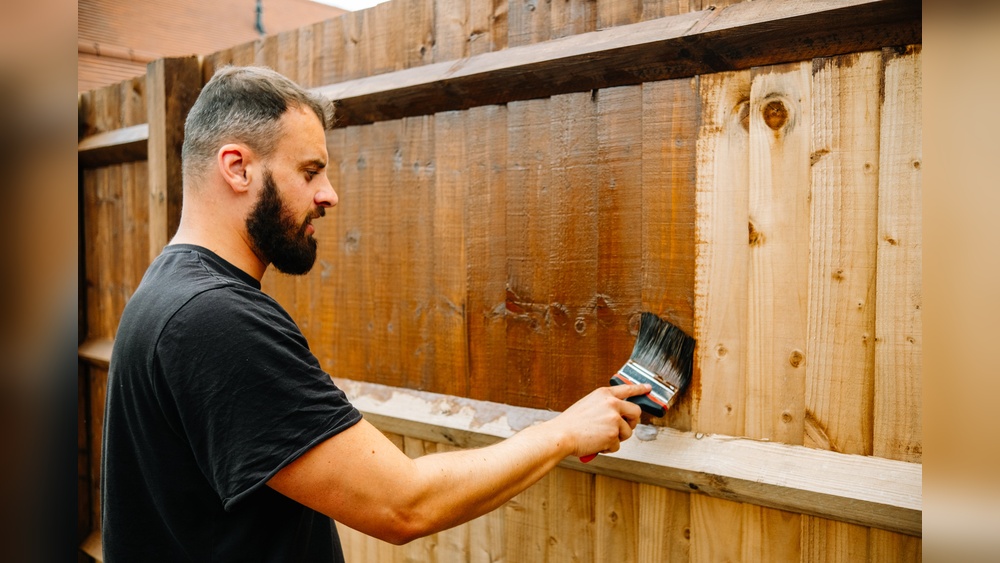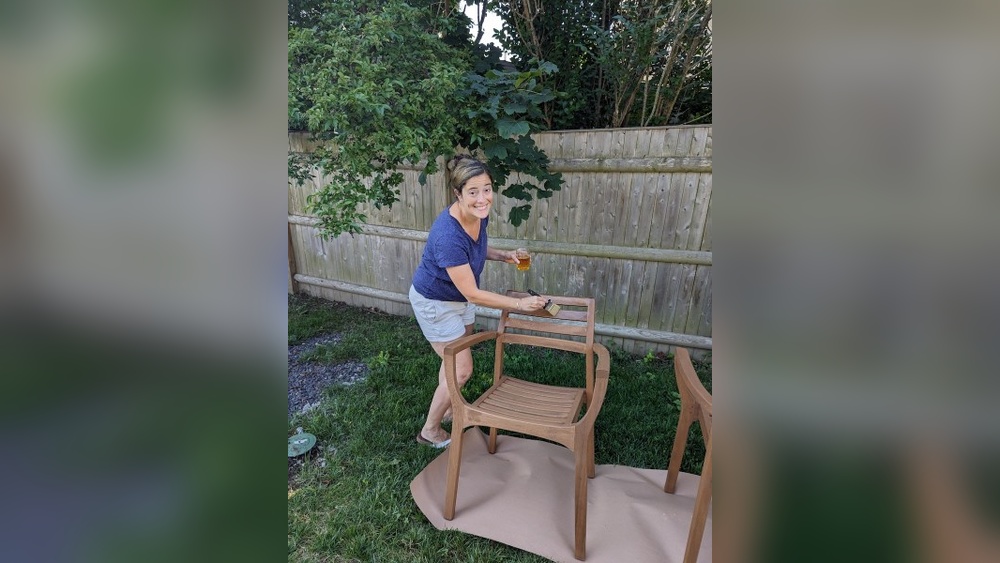
Your outdoor furniture deserves the best care to stay beautiful and durable through all seasons. Applying boiled linseed oil is a simple, effective way to protect and enhance the natural look of your wood.
But how do you make sure you’re doing it right? In this guide, you’ll discover easy steps to apply boiled linseed oil like a pro, so your furniture not only looks great but lasts longer. Keep reading to learn the secrets that will save you time and keep your outdoor pieces looking fresh year after year.
Choosing The Right Linseed Oil
Choosing the right linseed oil is key to protecting outdoor furniture. The oil must soak deep into the wood. It should also dry well. This protects the wood from water and sun damage. Not all linseed oils work the same. Some are better for outdoor use. Knowing which type to buy saves time and effort.
Raw Vs Boiled Linseed Oil
Raw linseed oil is pure and natural. It takes a long time to dry. This makes it less useful for outdoor furniture. Boiled linseed oil has additives. These help it dry faster and harder. It forms a stronger layer on the wood. This oil is better for outdoor furniture care.
Quality Indicators
Good linseed oil should be clear and smooth. Avoid oil with a strong smell or dark color. Check for any lumps or dirt inside. The oil should be fresh and not expired. Fresh oil absorbs better and lasts longer on wood.
Safety Considerations
Linseed oil can catch fire if rags are not handled well. Always dry used rags flat outside. Store oil in a cool, dry place. Keep it away from children and pets. Use gloves to protect your skin during application.
Preparing Outdoor Furniture
Preparing your outdoor furniture is the first step before applying boiled linseed oil. Proper preparation helps the oil soak in well and protects the wood longer. Take time to get the surface ready for the best results.
Start by making sure the furniture is clean, smooth, and free of damage. This ensures the oil spreads evenly and the wood looks great.
Cleaning The Surface
Remove dirt, dust, and old finishes from the furniture. Use a brush or cloth with mild soap and water. Scrub gently to avoid damaging the wood. Rinse with clean water and let it dry fully. A clean surface helps the oil absorb better.
Sanding For Smoothness
Sand the wood lightly to remove rough spots and splinters. Use medium-grit sandpaper for this job. Sand in the direction of the wood grain. This creates a smooth surface for the oil to soak into. Wipe off sanding dust with a clean cloth.
Repairing Damages
Check the furniture for cracks, holes, or loose parts. Fill small cracks with wood filler and let it dry. Tighten any loose screws or joints. Fixing these issues prevents further damage and improves the furniture’s look. Smooth the repaired areas before oiling.
Tools And Materials Needed
Preparing to apply boiled linseed oil to your outdoor furniture requires a few basic tools and materials. Having everything ready helps the process go smoothly and protects your furniture well. Use the right items for a clean, even finish.
Brushes And Applicators
Choose natural bristle brushes for best results. They hold oil well and spread it evenly. Foam brushes also work for smooth surfaces. Avoid cheap synthetic brushes that shed bristles. Cloth rags can help wipe off excess oil after application.
Protective Gear
Wear gloves to keep oil off your skin. It can cause irritation. Use old clothes or a protective apron to avoid stains. Safety goggles protect your eyes from splashes. Work in a well-ventilated area to avoid inhaling fumes.
Additional Supplies
Have sandpaper ready to smooth rough wood before oiling. Use fine grit for best results. Keep a clean container for the oil to avoid contamination. Paper towels or old newspapers help protect your work area. Store used rags in a metal container to prevent fire hazards.
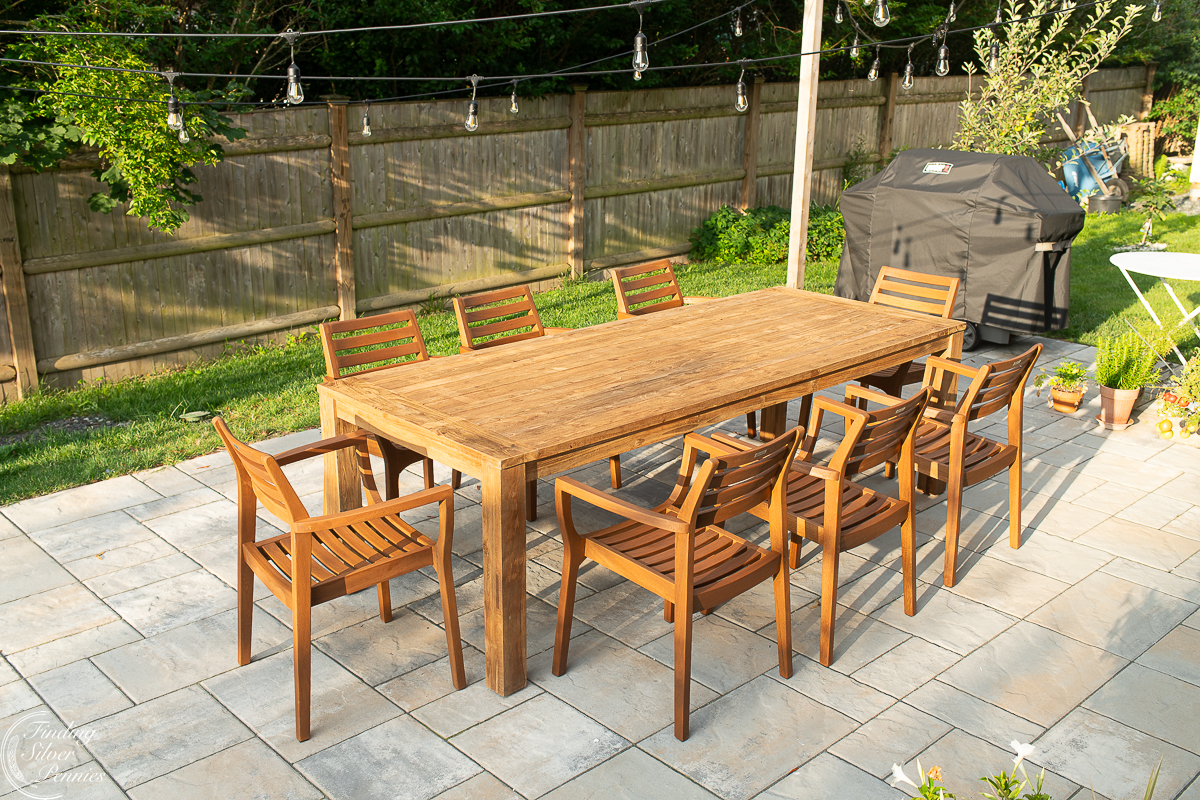
Credit: www.findingsilverpennies.com
Application Techniques
Applying boiled linseed oil to outdoor furniture needs care. Proper techniques help protect the wood and keep it looking good. Follow these steps to apply the oil the right way.
First Coat Tips
Start with clean, dry furniture. Use a clean cloth or brush to apply the oil evenly. Work in small sections to cover every spot. Rub the oil into the wood with gentle, circular motions. Avoid pouring oil directly on the wood to prevent pooling.
Drying Time Between Coats
Let the first coat dry completely before adding more. This usually takes 24 to 48 hours, depending on weather. Make sure the furniture is kept in a dry, well-ventilated place. Touch the surface lightly; it should feel dry and not sticky.
Number Of Coats Recommended
Two to three coats work best for outdoor furniture. Each coat adds more protection and enhances the wood’s natural beauty. Apply coats one at a time, allowing full drying time in between. Too many coats can make the surface sticky or uneven.
Maintenance And Reapplication
Maintaining outdoor furniture treated with boiled linseed oil ensures long-lasting protection and beauty. Regular care keeps wood safe from weather damage. Reapplying the oil at the right time restores the finish and prevents cracking or drying. Simple steps help maintain the wood’s natural look and strength.
Signs Furniture Needs Resealing
Look for dull or faded wood surfaces. Water no longer beads on the surface. The wood feels dry or rough to touch. Cracks or small splits may appear. These signs mean the oil layer has worn off. Time to apply a fresh coat of boiled linseed oil.
Cleaning Before Reapplication
Clean the furniture thoroughly before reapplying oil. Remove dirt, dust, and old debris using a soft brush or cloth. Use mild soap and water if needed, then let the wood dry completely. Avoid harsh chemicals that can damage the wood. A clean surface helps the oil soak in better.
Seasonal Care Tips
Apply boiled linseed oil during dry, warm weather. Early spring or late summer works best. Cover furniture during heavy rain or frost. Use furniture covers for added protection in winter. Regularly wipe off dirt and moisture to keep wood healthy. Follow these tips to extend your furniture’s life.
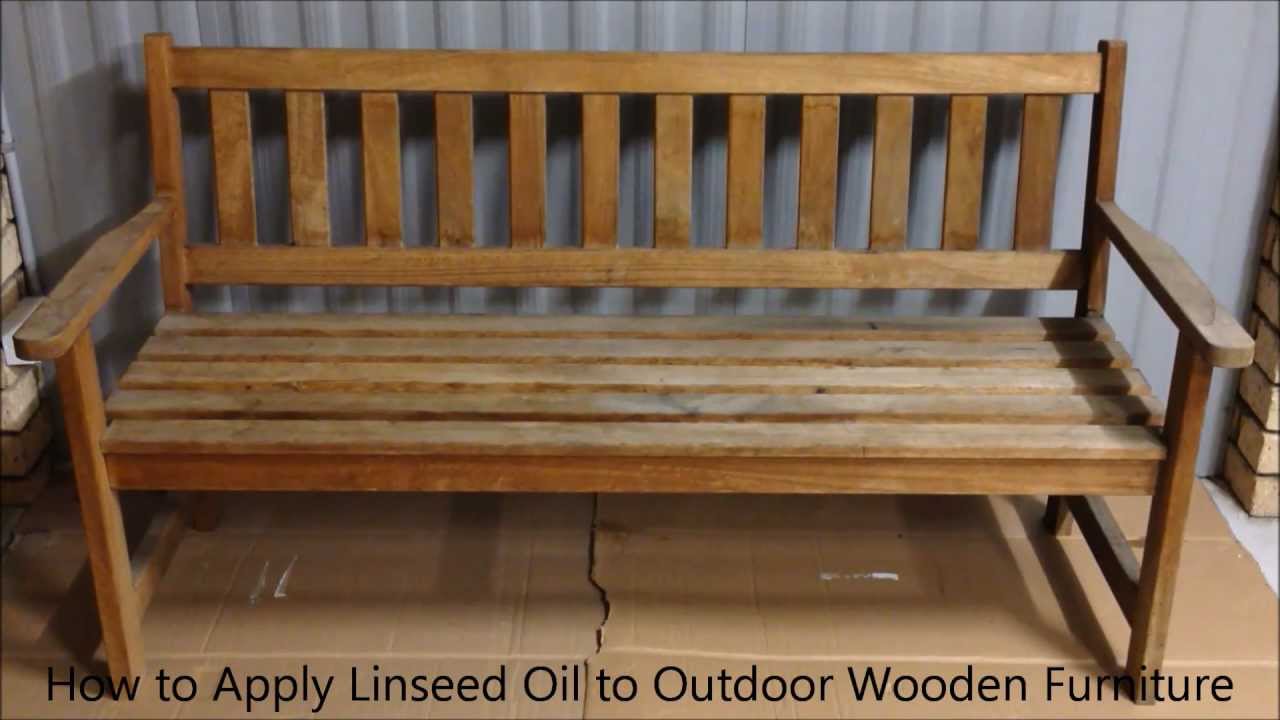
Credit: www.youtube.com
Common Mistakes To Avoid
Applying boiled linseed oil to outdoor furniture needs care and attention. Avoiding common mistakes helps protect your wood better and keeps it looking great longer. Here are some errors to watch out for during the process.
Overapplication
Putting too much oil on the wood can cause sticky spots. The wood may stay wet for days and attract dust and dirt. Apply thin, even coats instead. Let each layer dry fully before adding another.
Ignoring Weather Conditions
Applying oil on a rainy or very humid day can prevent proper drying. Cold weather slows drying time and may cause uneven absorption. Choose a dry, warm day with low humidity for best results.
Improper Storage Of Oil
Leaving boiled linseed oil open to air causes it to thicken or spoil. Store oil in a tightly sealed container away from direct sunlight. Keep it in a cool, dry place to maintain its quality longer.
Benefits Of Boiled Linseed Oil
Boiled linseed oil offers many benefits for outdoor furniture. It nourishes wood deeply and adds lasting protection. This oil enhances the natural beauty of wood while shielding it from weather damage. Using boiled linseed oil helps keep furniture looking fresh and strong for years. Below are some key advantages of using this oil on outdoor wood.
Enhancing Wood Appearance
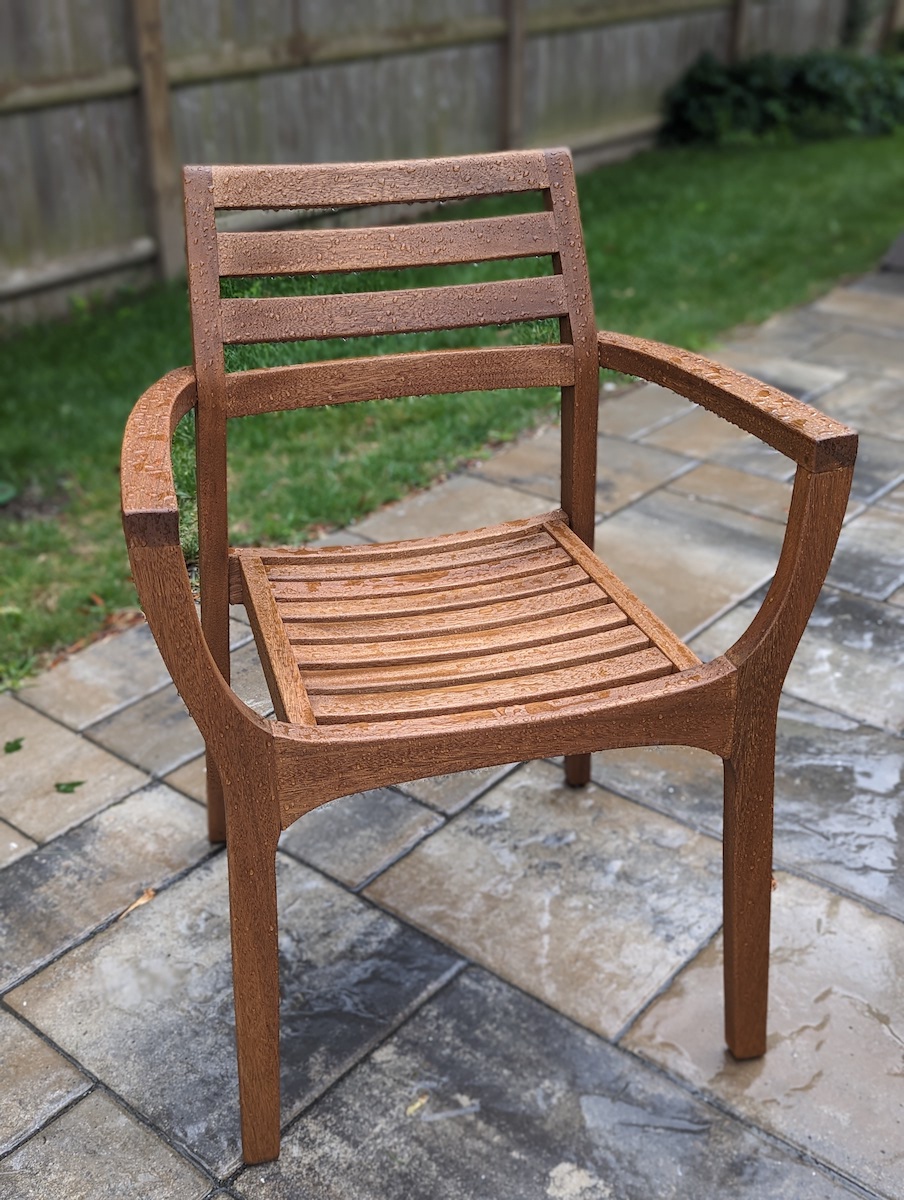
Boiled linseed oil brings out the rich color in wood. It adds a warm, natural glow to furniture surfaces. The oil seeps into the wood grain, highlighting its unique patterns. This creates a smooth, polished look without a shiny finish. It makes old or dull furniture look new and inviting.
Protecting Against Elements
The oil forms a barrier that repels water and dirt. It prevents moisture from soaking into the wood, reducing cracks and warping. This protection helps wood withstand rain, sun, and temperature changes. The oil also slows down fading caused by UV rays. It keeps furniture safer from harsh outdoor conditions.
Extending Furniture Life
Regular oiling strengthens wood fibers and reduces wear. It stops drying and splitting, which cause damage over time. Boiled linseed oil slows wood decay and resists mildew growth. This care extends the life of your outdoor furniture. It saves money by reducing the need for repairs or replacement.
Credit: www.findingsilverpennies.com
Frequently Asked Questions
What Is The Best Way To Prepare Furniture Before Applying Boiled Linseed Oil?
Clean the furniture thoroughly and let it dry completely. Sand the surface lightly to remove old finishes and rough spots. This ensures better oil absorption and a smooth finish.
How Many Coats Of Boiled Linseed Oil Should I Apply?
Apply 2 to 3 thin coats for optimal protection. Let each coat dry for 24 hours before applying the next one. More coats improve durability and enhance the wood’s natural beauty.
How Long Does Boiled Linseed Oil Take To Dry Outside?
Boiled linseed oil typically dries within 24 to 48 hours. Drying times depend on weather conditions like temperature and humidity. Avoid applying it in wet or cold weather for best results.
Can Boiled Linseed Oil Protect Outdoor Furniture From Weather Damage?
Yes, it penetrates wood to provide water resistance and prevent cracking. Regular application helps maintain wood’s appearance and extends furniture life. However, reapply every year for continuous protection.
Conclusion
Applying boiled linseed oil protects and beautifies outdoor furniture. The process is simple and saves wood from weather damage. Regular oiling keeps furniture looking fresh and lasts longer. Remember to clean the surface before you start. Use a cloth or brush to spread the oil evenly.
Let it dry fully between coats. Patience pays off with a smooth, rich finish. This easy care routine helps your furniture stay strong through all seasons. Try it today for wood that feels and looks great.