Is your small bookshelf looking cluttered or uninspiring? You’re not alone.
Arranging a small bookshelf might seem tricky, but with the right tips, you can turn it into a stunning focal point that reflects your style and keeps your favorite reads within easy reach. Imagine opening your bookshelf and instantly feeling calm and organized—sounds good, right?
Keep reading, and you’ll discover simple, smart ways to arrange your small bookshelf that save space and make every book shine. Your perfect bookshelf setup is just a few steps away.
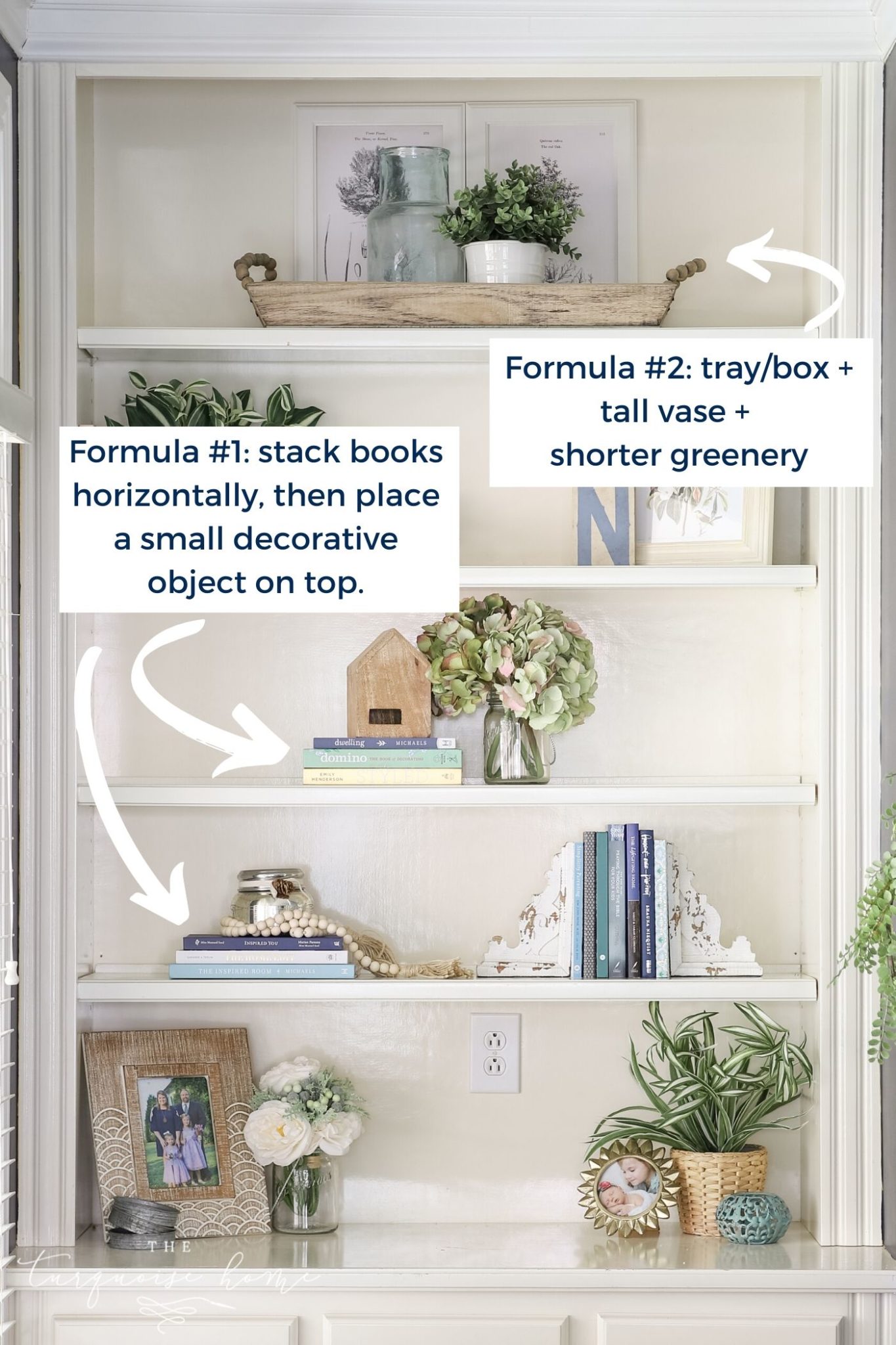
Credit: theturquoisehome.com
Choosing The Right Bookshelf
Choosing the right bookshelf is the first step to a well-organized space. A small bookshelf should fit your room and hold your books neatly. The right choice helps keep your books easy to find. It also adds style to your room. Consider size, material, and where to place it. These factors make a big difference.
Size And Shape Options
Small bookshelves come in many sizes and shapes. Tall and narrow shelves save floor space. Short and wide shelves offer more surface area. Square or rectangular shelves fit most rooms. Choose a size that fits your space and book collection. Avoid shelves that are too big or too small.
Material And Finish Choices
Bookshelves come in wood, metal, or plastic. Wood gives a warm, classic look. Metal shelves look modern and last long. Plastic shelves are light and easy to move. Choose a finish that matches your room’s style. Light colors make small spaces feel bigger. Dark colors add a cozy touch.
Placement Considerations
Place your bookshelf where it is easy to reach. Near a reading chair or desk works well. Avoid blocking windows or doors. Use corners to save space. Make sure the shelf is stable and safe. Good placement helps keep your room tidy and inviting.
Sorting And Categorizing Books
Sorting and categorizing books helps create a neat and easy-to-use bookshelf. It makes finding books faster and keeps the shelf looking good. Organizing your books in a clear way saves space and adds style to your room. Below are simple methods to arrange books on a small shelf.
By Genre Or Subject
Grouping books by genre or subject is very practical. Fiction, history, science, and art books stay together. This method makes it simple to find books for study or fun. It also keeps similar books close, making your shelf look organized and purposeful.
By Color Or Size
Sorting books by color creates a beautiful, eye-catching shelf. It turns your books into a colorful display. Arranging by size helps balance the shelf. Tall books on one side, short ones on the other. This keeps the shelf stable and neat.
Prioritizing Favorites
Place your favorite books in the most visible spots. This makes them easy to grab anytime. Put the books you read most often at eye level. Lesser-used books can go on higher or lower shelves. This way, your favorites get the attention they deserve.
Maximizing Vertical Space
Maximizing vertical space is key for arranging a small bookshelf efficiently. It helps you fit more items without making the shelf look crowded. Using the height of your shelf well keeps your books and items organized and easy to reach.
Stacking Books Horizontally
Stack books on top of each other to save space. This method uses vertical height and creates more room for other items. Place heavier books at the bottom for stability. Horizontal stacks can also serve as bookends.
Using Shelf Dividers
Shelf dividers help keep books and items upright and neat. They create separate sections, making it easier to organize by category or size. Dividers prevent books from falling over and wasting space.
Adding Floating Shelves
Floating shelves add extra storage above your main bookshelf. They use wall space, freeing up room on the shelf itself. Install them at different heights to store small books or decorations. Floating shelves make your space look taller and more open.
Incorporating Decorative Elements
Incorporating decorative elements makes a small bookshelf look lively and unique. It breaks the monotony of rows of books and adds personality. Using small items along with books creates a balanced and inviting space. This approach turns your bookshelf into a stylish display, not just storage.
Mixing Books With Artifacts
Place small artifacts like figurines, souvenirs, or vintage pieces among the books. These items bring interest and tell a story. Keep artifacts small to avoid clutter. Arrange them in groups or alone to create visual breaks. This mix adds charm and keeps the shelf from looking flat.
Using Plants For Freshness
Small plants bring life and freshness to a bookshelf. Choose easy-to-care-for plants like succulents or air plants. Place them in decorative pots that match your style. Plants soften the look and add a touch of nature. They also improve air quality and mood.
Balancing Colors And Textures
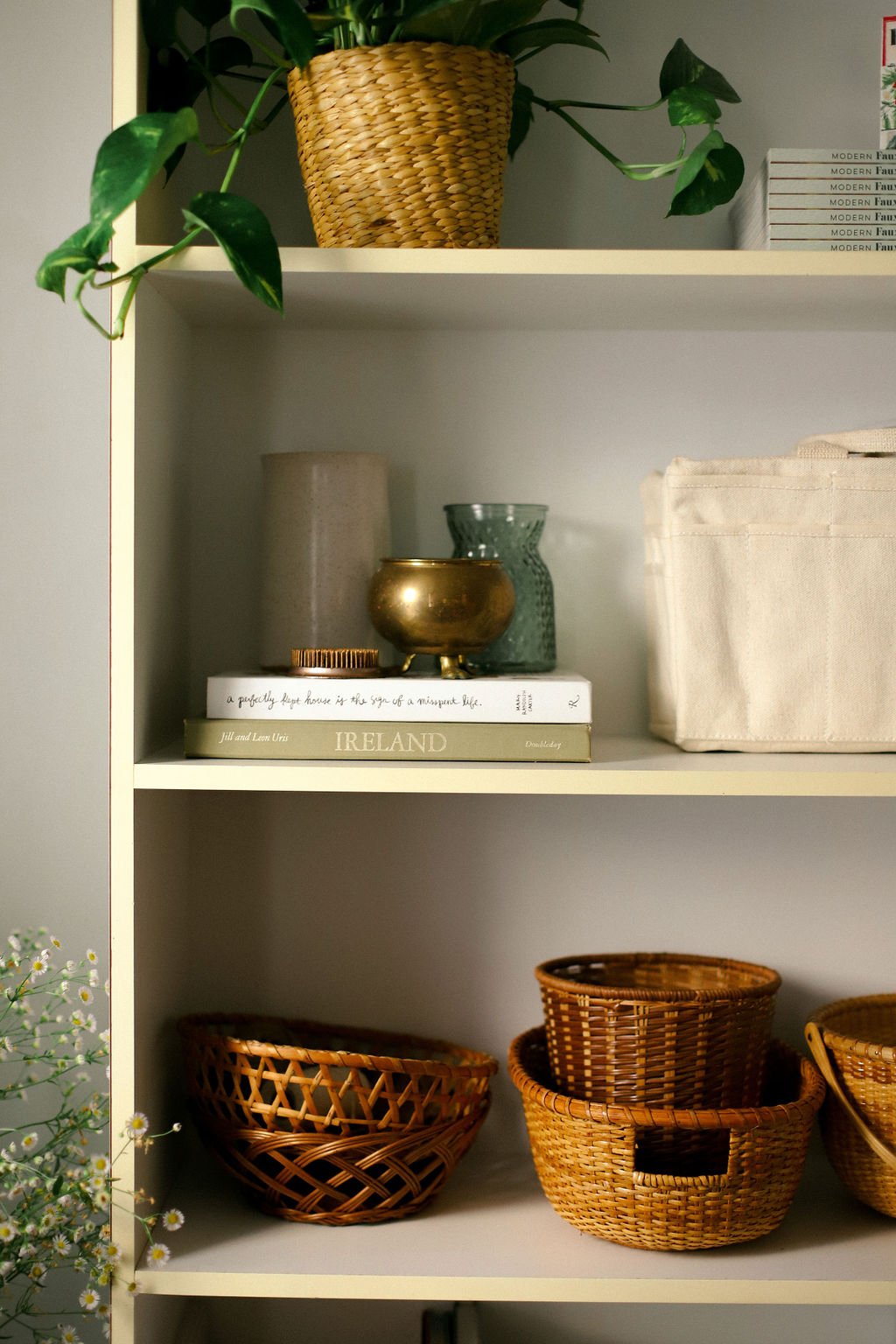
Use different colors and textures to create a pleasing look. Mix hardcover and paperback books for variety. Add elements like woven baskets or ceramic vases. Balance dark and light shades for contrast. This balance makes the shelf attractive and well-organized.
Keeping It Organized And Tidy
Keeping a small bookshelf organized helps save space and time. A tidy shelf makes finding books easier. It also creates a pleasant look in your room. Simple habits keep your shelf neat and inviting.
Regular Decluttering Tips
Remove books you no longer read or need. Check your shelf every few months. Donate or sell old books. This frees up space for new ones. Avoid letting books pile up too long. A clean shelf feels fresh and calm.
Using Storage Baskets And Boxes
Use baskets or boxes to hold small items. They keep tiny things from cluttering the shelf. Choose containers that fit your shelf size. Clear boxes help see what is inside. Group similar items together for easy access.
Labeling And Accessibility
Label shelves or boxes clearly. This helps you find books fast. Use simple labels with large letters. Place frequently used books at eye level. Less-used books can go on higher or lower shelves. Easy reach keeps your shelf tidy all the time.
Credit: www.steviestorck.com
Creative Storage Solutions
Creative storage solutions make the most of small bookshelves. They help keep books and items neat. These ideas save space and add style to your room.
Repurposing Everyday Items
Use jars or cups to hold pens and small tools. Old crates or baskets work as extra shelves. You can place magazines or notebooks in them. This saves space and keeps things tidy.
Utilizing Under-shelf Space
Add hooks or small baskets under shelves. These can hold keys, bookmarks, or chargers. It uses space that usually stays empty. You keep important items close and easy to find.
Incorporating Multi-functional Furniture
Choose furniture that serves more than one purpose. A bench with storage inside can hold books. A side table with shelves adds space. This helps keep your room organized and neat.

Credit: thebeautyrevival.com
Frequently Asked Questions
How Do I Maximize Space On A Small Bookshelf?
Use vertical stacking and adjustable shelves to fit more books. Group books by size and use decorative boxes for small items. This method keeps the shelf organized and visually appealing while saving space.
What Are The Best Materials For A Small Bookshelf?
Wood and metal are durable and stylish options for small bookshelves. Choose lightweight materials for easy movement. Consider finishes that match your room decor for a cohesive look.
How Can I Organize Books On A Small Shelf Efficiently?
Sort books by genre, size, or color for easy access. Use bookends to keep books upright and prevent clutter. Incorporate decorative items to balance aesthetics and functionality.
Should I Use Vertical Or Horizontal Stacking On A Small Bookshelf?
Combine both stacking methods to optimize space. Vertical stacking saves height, while horizontal stacks can hold smaller books or magazines. Mixing styles improves shelf stability and design.
Conclusion
Arranging a small bookshelf can be simple and fun. Use space smartly and keep books easy to find. Mix books with small decorations to add style. Keep only what you love or need. Change the setup now and then to keep it fresh.
A neat bookshelf makes your room look tidy and cozy. Try these tips and enjoy your organized space every day.