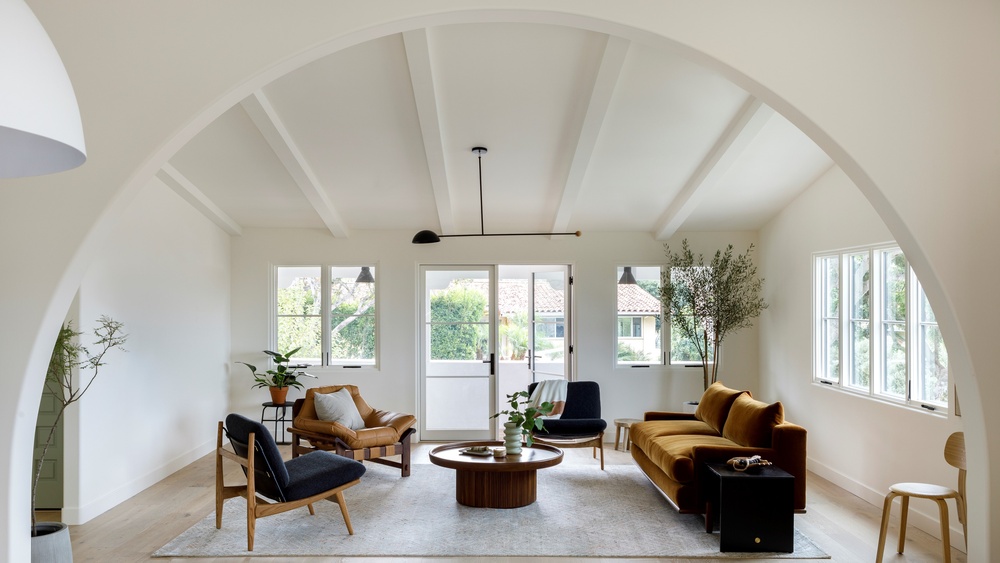
Are you tired of pushing your furniture against the walls and ending up with a cramped, uninspired living room? Imagine creating a space that feels open, inviting, and perfectly balanced—all by simply floating your furniture.
Floating furniture means arranging your sofa, chairs, and tables away from the walls, giving your living room a fresh, modern vibe and improving flow. But how do you do it without making the room feel awkward or cluttered? In this guide, you’ll discover easy, practical tips to arrange floating furniture that transforms your living room into a stylish and comfortable haven.
Ready to rethink your space and make every inch count? Let’s dive in.
Credit: curatedinterior.com
Benefits Of Floating Furniture
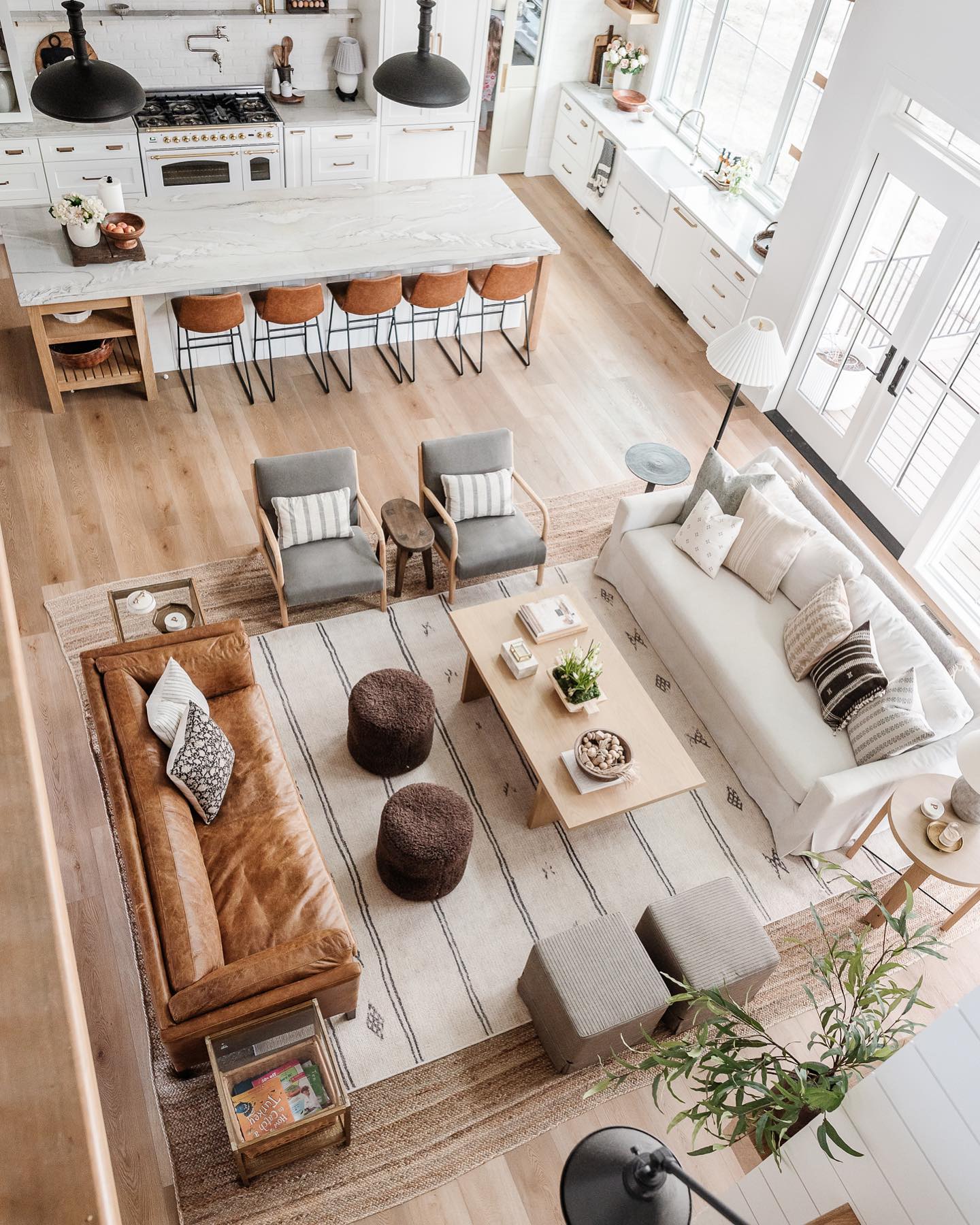
Floating furniture means placing sofas, chairs, and tables away from walls. This style creates a fresh, open feeling in your living room. It allows better use of space and changes how the room looks and feels. Many homeowners choose floating furniture to improve comfort and style.
Improved Traffic Flow
Floating furniture helps clear paths around the room. People can move freely without bumping into furniture. It stops crowded corners and narrow walkways. This setup makes the living room feel spacious and easy to navigate.
Enhanced Room Proportion
Arranging furniture away from walls balances the room’s size. It prevents the room from looking empty or cramped. Floating furniture draws attention to the center and creates a cozy space. This approach makes the room look well-planned and inviting.
Increased Flexibility
Floating furniture allows easy changes to the layout. You can rearrange pieces for different activities or moods. It works well for small or large rooms alike. This flexibility lets you refresh your living room without buying new furniture.

Credit: stylebyemilyhenderson.com
Choosing Furniture For Floating Layouts
Choosing the right furniture is key for a floating layout in your living room. It creates a balanced look and makes the space feel open. Each piece should fit the style and size of the room. Furniture that works well in the center of the room invites conversation and movement.
Selecting The Right Sofa
Pick a sofa that is comfortable and suits the room size. Smaller sofas work best for compact spaces. Choose sofas with open legs to keep the room airy. A neutral color helps the sofa blend with other pieces. Avoid bulky designs that block sight lines.
Complementary Chairs And Tables
Choose chairs that match the sofa in style but add variety. Lightweight chairs are easy to move and perfect for floating layouts. Select side and coffee tables that are proportional to the seating. Transparent or slim tables keep the space feeling open. Group furniture to encourage easy conversation.
Using Rugs To Define Space
Rugs anchor floating furniture and create clear zones. Use a rug that fits under all major pieces in the grouping. Choose colors and patterns that complement the furniture. A well-sized rug ties the room together visually. Rugs also add warmth and texture to the floor.
Planning The Layout
Planning the layout is the first step in arranging floating furniture in your living room. It helps you use the space wisely and create a comfortable flow. Careful planning prevents overcrowding and awkward gaps. Each piece should have a purpose and fit well within the room.
Measuring Your Room
Start by measuring the length and width of your living room. Note any doors, windows, and built-in features. Measure ceiling height for tall furniture choices. Write down all measurements on paper or use a digital app. Precise measurements avoid errors when placing furniture.
Creating Scale Drawings
Make a simple drawing of your room on graph paper. Use one square to represent a fixed length, like one foot. Draw doors and windows in the right spots. Cut out paper shapes for each furniture piece to scale. Move the shapes around to find the best layout.
Identifying Focal Points
Find the main focus of your room, such as a fireplace or TV. Arrange furniture to highlight this focal point. Avoid blocking it with large pieces. Position seating to face or surround the focal area. This creates a natural gathering space for comfort and conversation.
Arranging Floating Pieces
Anchoring floating furniture is key to a balanced and inviting living room. Without proper anchors, the space can feel empty or disconnected. Anchors help ground the furniture, creating a cohesive look. They also guide the eye and make the layout feel intentional. Use pieces around your floating furniture to add weight and purpose. This approach enhances comfort and style simultaneously.
Adding Sofa Tables
Sofa tables fit perfectly behind floating sofas. They provide a surface for lamps, books, or decor. These tables add visual weight to the back of the sofa. This keeps the furniture from feeling like it is just “floating.” Choose slim tables to avoid crowding the space. A well-chosen sofa table ties the arrangement together nicely.
Incorporating Floor Lamps
Floor lamps anchor floating furniture by adding height and light. They fill vertical space and create cozy corners. Position lamps next to sofas or chairs to balance the layout. Choose lamps with slim profiles for a clean look. The light also helps define the seating area clearly.
Placing Decorative Accessories
Decorative accessories add personality and weight to floating furniture. Use items like vases, sculptures, or trays on tables near the furniture. Rugs under the seating area also help anchor the space visually. Keep accessories simple and purposeful to avoid clutter. This makes the floating furniture feel part of the room’s story.
Anchoring Floating Furniture
Floating furniture creates a fresh, open look in any living room. It offers flexibility but brings risks if not arranged thoughtfully. Avoid common mistakes to keep your space functional and inviting. Consider light flow, movement, and the size of your room.
Blocking Windows And Pathways
Do not place furniture in front of windows. It blocks natural light and spoils the view. Keep pathways clear for easy movement. Crowded walkways make the room feel cramped and uncomfortable. Leave enough space for people to walk freely without bumping into furniture.
Overcrowding The Space
Floating furniture means spreading pieces away from walls, but avoid adding too many items. Too much furniture clutters the room and reduces open space. Choose fewer, well-sized pieces to maintain balance. A clean, spacious feel improves comfort and flow.
Ignoring Scale And Proportion
Match furniture size to your room size. Large pieces in a small room overwhelm the space. Small furniture in a large room looks lost and disconnected. Keep scale balanced for harmony and visual appeal. Arrange pieces to complement each other and the room’s dimensions.
Credit: www.livingetc.com
Avoiding Common Mistakes
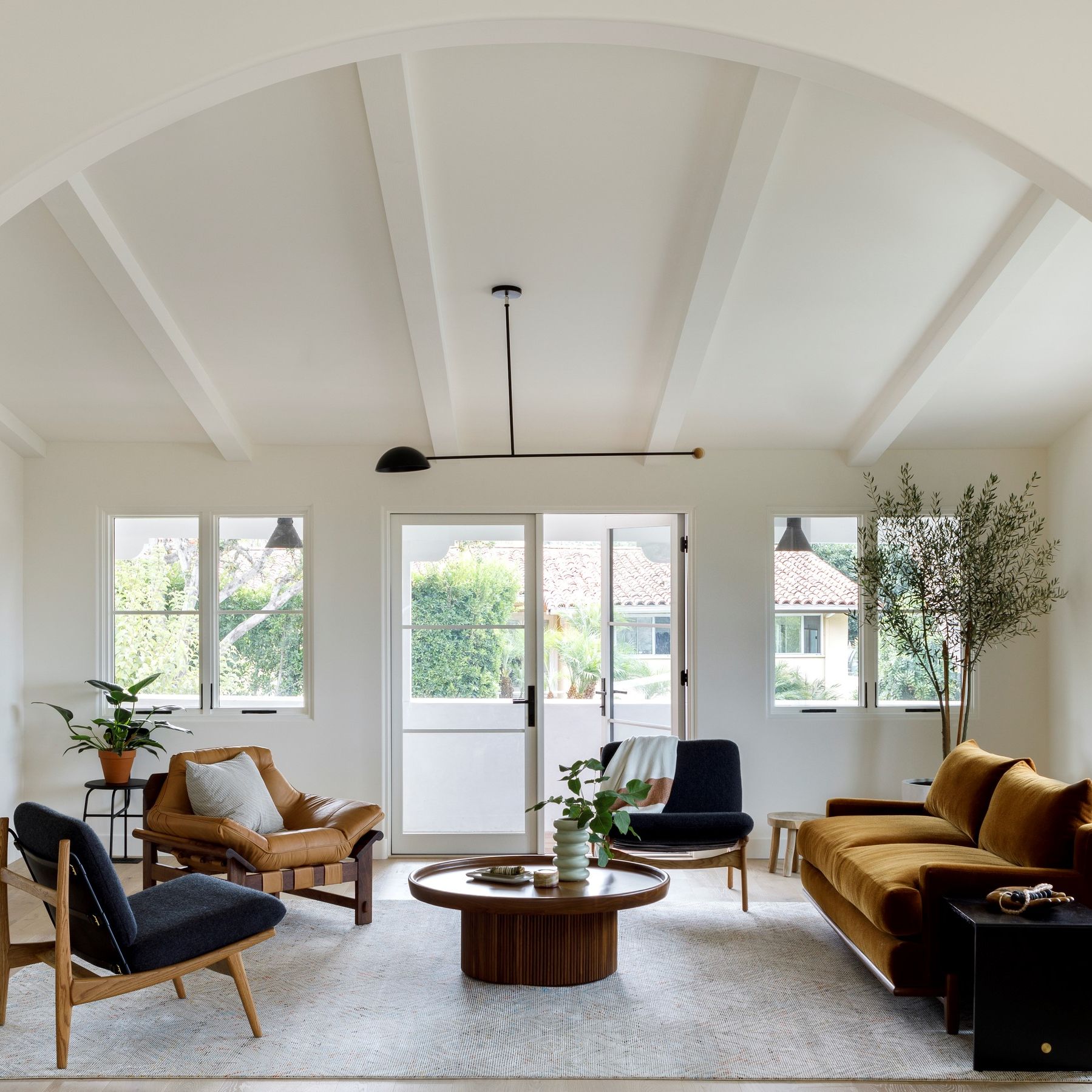
Floating furniture in small living rooms creates an open and airy feel. It frees up wall space and allows better movement. This arrangement makes even tiny rooms look larger and more inviting. Proper planning is important to keep the room balanced and functional. The right pieces and layout help maximize space without clutter.
Maximizing Space Efficiency
Place furniture away from walls to open the floor. Leave clear paths for easy walking and traffic flow. Use smaller sofas and chairs to avoid overcrowding. Group pieces around a central point like a rug or coffee table. This creates a cozy conversation area without blocking space.
Choosing Multi-functional Pieces
Pick furniture that serves more than one purpose. Ottomans with storage hide blankets and magazines neatly. Sleeper sofas provide extra beds for guests. Nesting tables save space and offer flexible surfaces. These choices reduce clutter and increase usability in small rooms.
Using Vertical Storage
Use tall shelves and bookcases to free up floor space. Wall-mounted cabinets keep items off the ground. Floating shelves add storage without bulk. Vertical storage draws the eye upward, making ceilings appear higher. It helps keep the room tidy and organized.
Frequently Asked Questions
What Is Floating Furniture In A Living Room?
Floating furniture means arranging pieces away from walls, centered in the room. It creates a cozy, balanced, and inviting space that encourages better flow and conversation.
How To Start Arranging Floating Furniture?
Begin by measuring your room and creating a floor plan. Place larger pieces like sofas first, then add smaller items, ensuring enough space for movement.
Does Floating Furniture Make A Room Look Bigger?
Yes, floating furniture opens up pathways and improves flow, making the room feel more spacious and less cluttered.
What Furniture Suits Floating Arrangements Best?
Sofas, chairs, coffee tables, and rugs work well for floating. Avoid bulky pieces that block walkways or overwhelm the space.
Conclusion
Arranging floating furniture can open up your living room space. It creates easy walking paths and invites conversation. Keep pieces balanced and avoid crowding corners. Use rugs and lighting to define each area. Small adjustments can make a big difference.
Try different layouts until it feels right. This style suits many room sizes and shapes. Enjoy the fresh, open look floating furniture brings.