
Struggling to find the perfect way to arrange furniture in your rectangular living room? You’re not alone.
Rectangular spaces can feel tricky—they sometimes look long and narrow, making it hard to create a cozy, balanced setup. But what if you could turn that challenge into an opportunity? By arranging your furniture the right way, you can transform your living room into a welcoming, functional space that flows effortlessly.
In this guide, you’ll discover simple, practical tips to arrange your furniture so your room feels bigger, more inviting, and perfectly suited to your lifestyle. Ready to make your rectangular living room work for you? Let’s dive in.
Identify The Focal Point
Identifying the focal point helps organize your rectangular living room easily. It draws attention and sets a natural flow for placing furniture. A clear focal point makes the space inviting and functional. It also balances the room and highlights key features.
Choosing Between Tv And Fireplace
Decide which feature is the main focus: the TV or the fireplace. The TV suits modern entertainment and family gatherings. The fireplace adds warmth and a cozy atmosphere. Position furniture so everyone can see the focal point comfortably. Avoid placing the TV and fireplace on opposite walls to prevent split attention.
Centering The Largest Seating
Place the biggest sofa or seating piece facing the focal point directly. This creates a natural gathering spot for conversations or watching TV. Use rugs or coffee tables to anchor the seating area. Ensure enough space to walk around without crowding the room. This arrangement balances the room and highlights the chosen focal point effectively.

Credit: housedesigner.com
Create Balanced Layouts
Creating balanced layouts in a rectangular living room helps the space feel comfortable and inviting. Balance brings harmony and makes the room easier to use. It controls how the eye moves across the room. Balanced layouts also improve flow and allow for better conversation areas.
Balance can be symmetrical or asymmetrical. Each style gives a different mood to the room. Both methods work well in rectangular spaces. Choose one based on your style and room function.
Symmetrical Arrangements
Symmetrical layouts use matching furniture on either side of a central point. This could be a fireplace, TV, or coffee table. Pairing two sofas or chairs creates a mirror effect. It makes the room look orderly and calm.
This style is easy to arrange and suits formal living rooms. Symmetry guides the eye and makes the space feel well-planned. Use identical lamps, rugs, or artwork to enhance the balance. Keep distances equal between pieces for a neat look.
Asymmetrical Options
Asymmetrical layouts balance different sized pieces on either side of the room. The goal is to create visual weight without exact matching. For example, a large sofa on one side can be balanced by two chairs on the other.
This style feels more casual and dynamic. It works well in family rooms or creative spaces. Arrange furniture to keep open pathways and avoid crowding. Mix shapes and heights to keep the room interesting but balanced.
Maximize Space Flow
Maximizing space flow in a rectangular living room is key to creating a comfortable and functional area. Good flow lets people move easily and feel relaxed. Thoughtful furniture arrangement can open up the room and make it inviting. It also helps avoid clutter and cramped spaces.
Understanding how to arrange furniture to enhance movement improves the overall experience. It ensures the room feels balanced and spacious despite its shape. Below are tips to arrange your furniture smartly for smooth space flow.
Avoiding Walkways Through Furniture
Keep pathways clear by not placing furniture in main walkways. Avoid forcing people to walk around or between chairs and tables. This prevents disruption and makes the room feel open.
Place larger pieces against walls or in corners. Leave enough space between furniture for easy walking. A clear path of at least 24 inches works well in most cases.
Placing Furniture For Easy Movement
Arrange seating and tables so people can move naturally around the room. Group furniture to create zones but keep pathways open. Position sofas and chairs to face the room’s focal point.
Use rugs or lighting to define spaces without blocking flow. Keep smaller pieces movable to adjust for different needs. This flexibility helps maintain a smooth, comfortable space flow.
Divide Into Functional Zones
Dividing a rectangular living room into functional zones improves space use and flow. It helps create areas for different activities without clutter. Defining zones makes the room feel organized and cozy. This method works well in long or narrow rooms. It ensures every part of the room has a clear purpose.
Use rugs, furniture placement, or lighting to mark each zone. Choose pieces that suit the activity in each area. Keep pathways open for easy movement. Balancing zones keeps the room comfortable and practical.
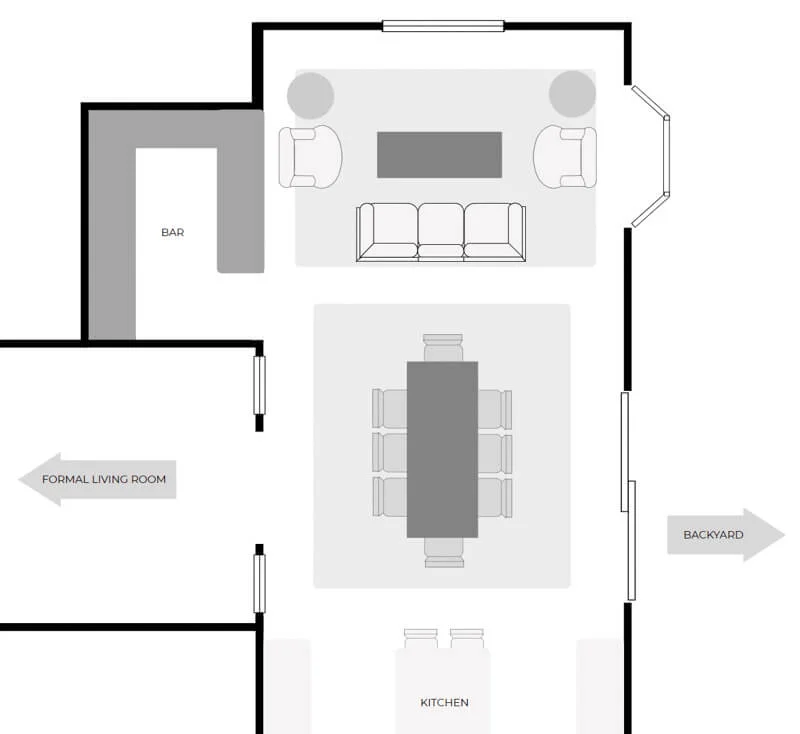
Living And Dining Areas
Combine living and dining spaces in one rectangular room by setting them apart visually. Place the dining table near the kitchen or a window for natural light. Use a rug under the dining table to separate it from the living area.
Arrange sofas and chairs facing each other to form a clear living zone. Position the seating around a focal point like a TV or fireplace. Keep the dining area simple to avoid crowding. This setup keeps both zones functional and neat.
Cozy Conversation Corners
Create small conversation corners for intimate chats or reading. Use two chairs and a small table in a quiet corner. Add a floor lamp or table lamp for soft lighting.
Place these corners away from busy zones to reduce noise. Use soft cushions and throws for comfort. These corners make the room inviting and provide quiet spots for guests.
Use Scale And Proportion
Using scale and proportion is key to arranging furniture in a rectangular living room. It ensures the room looks balanced and comfortable. Proper scale avoids overcrowding or empty spaces. It helps create harmony between furniture and room size.
Choosing furniture that fits the room’s dimensions makes the space inviting. Large pieces in a small room can feel overwhelming. Small furniture in a big room may seem lost. Matching size keeps the room feeling natural and functional.
Measuring Before Buying
Measure your living room carefully before buying furniture. Note the length and width of the room. Measure doorways and windows too. This helps avoid buying pieces that don’t fit well. Use a tape measure and write down all numbers.
Consider the space needed for walking paths. Leave at least two feet of clearance around furniture. This keeps the room easy to move through. Accurate measuring saves time and money.
Matching Furniture Size To Room
Choose furniture that matches your room’s size. In a narrow rectangular room, slim and low-profile pieces work best. Avoid bulky sofas or oversized chairs. Use a sofa with clean lines to keep the space open.
Balance larger furniture with smaller items like side tables or ottomans. Group furniture in a way that fills the room evenly. This prevents one side from feeling too heavy or empty. Well-sized furniture creates a cozy and stylish living area.
Enhance With Lighting
Lighting plays a key role in shaping the mood and functionality of a rectangular living room. It enhances the space, making it feel larger, warmer, and inviting. Thoughtful lighting brings out the best in your furniture arrangement. It also creates a balanced atmosphere suited for different activities.
Layered Lighting Techniques
Use multiple light sources at different levels. Combine ceiling lights, floor lamps, and table lamps. This approach avoids harsh shadows and bright spots. Soft overhead lighting creates general brightness. Task lighting near seating areas helps with reading or hobbies. Accent lights add depth and interest. Layered lighting makes the room flexible for day and night use.
Highlighting Key Areas
Focus light on important zones like the seating area or artwork. Use adjustable spotlights or wall sconces. A well-lit focal point draws attention and adds character. Light near the TV helps reduce eye strain. Brighten corners to open up the space visually. Highlighting specific areas enhances the layout and makes the room feel cohesive.
Incorporate Style And Comfort
Creating a living room that feels both stylish and cozy starts with balancing comfort and design. This balance makes your rectangular living room inviting and visually pleasing. Thoughtful choices in seating and decorations boost the room’s charm and usability.
Choosing Comfortable Seating
Select sofas and chairs that invite relaxation. Soft cushions and supportive backs help guests feel at ease. Arrange seating to encourage conversation, avoiding long, empty spaces. Include a mix of seating types, such as armchairs and loveseats, to suit different needs. Keep scale in mind; seats should fit the room without crowding it. Choose fabrics that are soft but durable for daily use.
Adding Decorative Elements
Decorations add personality and warmth to the space. Use rugs to define seating areas and add texture. Throw pillows and blankets bring color and comfort. Wall art creates a focal point and reflects your style. Include lighting that is both functional and atmospheric, such as floor lamps and table lamps. Plants add life and freshen the air. Keep decorations balanced to avoid clutter in the rectangular layout.
Credit: thebrainandthebrawn.com
Apply Feng Shui Principles
Applying Feng Shui principles can transform your rectangular living room into a balanced and peaceful space. This ancient Chinese art focuses on arranging furniture to invite harmony and good energy. Careful placement helps enhance comfort and wellbeing in your home.
Furniture Placement Tips
Place the main seating area facing the door but not directly in line with it. This position welcomes positive energy and offers a sense of security. Avoid blocking windows or walkways with large furniture pieces. Use rounded or soft-edged furniture to soften sharp corners. Balance furniture on both sides of the room for symmetry. Keep furniture at a comfortable distance to allow easy movement and conversation.
Creating Positive Energy Flow
Ensure clear pathways for energy to move freely through the room. Avoid clutter in corners or near doors. Arrange furniture to form a gentle flow, guiding movement naturally around the space. Use rugs or lighting to define areas and encourage smooth transitions. Add plants or natural elements to boost vitality and freshness. Keep the space well-lit with natural or soft lighting to maintain warmth and openness.

Credit: housedesigner.com
Frequently Asked Questions
How Do I Choose A Focal Point In A Rectangular Living Room?
Identify a natural focal point like a fireplace or TV. Arrange the main seating facing this spot to anchor the room’s layout and create visual harmony.
What Furniture Layout Suits A Narrow Rectangular Living Room?
Pull furniture toward the center, leaving clear walkways behind. This avoids cramped pathways through the middle and makes the space feel balanced.
How Can I Create Zones In A Long Rectangular Living Room?
Divide the room into functional areas like seating and reading corners. Use rugs or furniture placement to define each zone clearly.
What Is The Ideal Furniture Arrangement For Flow?
Arrange furniture to maintain smooth pathways and avoid blocking entrances. Keep at least 30 inches of walking space between pieces.
Conclusion
Arranging furniture in a rectangular living room takes planning and care. Focus on creating clear paths for easy movement. Use your main seating to highlight the room’s focal point. Balance the space by placing furniture evenly on both sides. Break the room into zones to make it feel cozy.
Always measure before buying new pieces to ensure fit. This simple approach will make your living room both stylish and comfortable. Enjoy a space that welcomes family and friends with ease.
