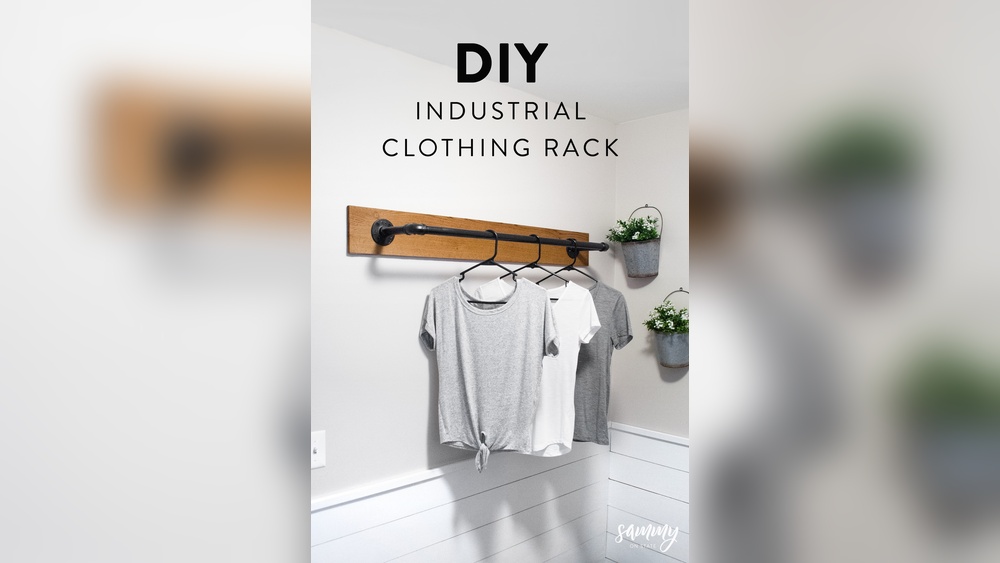
Looking to add a coat rack but not sure where to start? You’re in the right place.
Attaching a coat rack might seem tricky at first, but with the right steps, you can do it quickly and securely. Imagine having a neat, organized space where your coats and bags hang perfectly, saving you time and hassle every day.
In this guide, you’ll discover simple tips and clear instructions that make the whole process easy—even if you’ve never used a drill before. Ready to transform your entryway? Let’s get your coat rack up and your space clutter-free.
Choose The Right Coat Rack
Choosing the right coat rack is important for your space and needs. The right rack keeps your coats organized and your room tidy. It also supports the weight of your items without damage.
Consider the style, material, size, and capacity before buying. These factors help you find a rack that fits well and lasts long.
Types Of Coat Racks
Coat racks come in many forms. Wall-mounted racks save floor space and fit small rooms. Free-standing racks offer more hooks and move easily. Over-the-door racks hang on doors and do not need installation. Choose a style that matches your room and how you use it.
Material Considerations
Coat racks are made from wood, metal, or plastic. Wooden racks look warm and classic. Metal racks are strong and modern. Plastic racks are lightweight and cheap. Pick a material that matches your decor and holds up to daily use.
Size And Weight Capacity
Size matters for space and storage. Small racks fit narrow spaces but hold fewer coats. Large racks hold many coats but need more room. Check the weight limit to avoid damage. Make sure the rack can support heavy coats and bags safely.
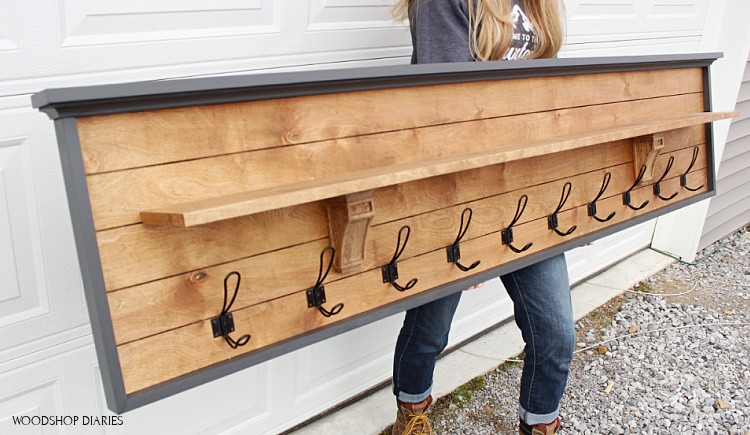
Credit: www.woodshopdiaries.com
Select The Perfect Location
Selecting the perfect location for your coat rack is key for both function and style. The right spot makes it easy to hang and grab coats quickly. It also keeps your space neat and organized. Consider where you use your coats most. Near the door or in a hallway often works best. Think about the wall, height, and any obstacles around.
Wall Type And Support
Check the wall type before you start. Drywall needs anchors to hold weight. Stud walls offer strong support for heavy coats. Use a stud finder to locate studs. Mounting on studs keeps the rack steady. Brick or concrete walls require special drill bits and anchors. Choose the right hardware for your wall type. This ensures the rack stays secure and safe.
Height And Accessibility
Set the coat rack at a comfortable height. Aim for about 5 to 6 feet above the floor. This height suits most adults and children. Avoid placing it too high or too low. Make sure everyone can reach the hooks easily. Consider the people who will use it most. Accessibility keeps your coat rack practical and user-friendly.
Avoiding Obstacles
Check the area for obstacles before installation. Avoid placing the rack near light switches or outlets. Keep it clear of doors that swing open. Make sure it does not block pathways. Avoid spots with furniture that may get in the way. A clear space ensures the coat rack is easy to use. It also prevents damage to coats or walls.
Gather Essential Tools
Before attaching a coat rack, gather all essential tools. Having the right tools makes the job easier and safer. Prepare your workspace and check each item for proper use.
Drill And Bits
A drill is key for making holes in walls. Use the correct drill bits for your wall type. Choose masonry bits for brick or concrete walls. For drywall, use standard bits. Keep bits sharp for clean holes.
Anchors And Screws
Anchors hold the screws in place firmly. Pick anchors that match your wall and rack weight. Plastic anchors work for light loads. Metal anchors are better for heavy racks. Use screws that fit the anchors tightly.
Measuring And Leveling Tools
Measure twice to place the rack right. Use a tape measure for accurate distance. A level ensures your rack hangs straight. Mark spots clearly before drilling. Proper measuring avoids mistakes and saves time.

Credit: www.youtube.com
Mark And Prepare The Wall
Marking and preparing the wall is the first step to attach a coat rack. This step ensures the rack fits perfectly and stays secure. Careful marking helps avoid mistakes and makes drilling easier. Take your time to get this right for a strong hold.
Measuring Placement
Measure the height where you want the coat rack. Choose a spot easy to reach and suits your space. Use a tape measure to find the right distance from the floor. Check the width to fit the rack properly on the wall.
Using A Level
Place a level on the marked height line. Adjust the marks until the bubble is centered. This step makes sure the rack will hang straight. A crooked rack looks bad and may not hold weight well.
Marking Drill Points
Hold the coat rack against the wall at the measured spot. Mark the holes where screws will go with a pencil. Double-check these points with the level for accuracy. Clear and precise marks help drill holes in the right place.
Drill And Insert Anchors
Drilling and inserting anchors is a key step to hang a coat rack securely. It keeps the rack steady and supports heavy coats. This step prevents the rack from falling or damaging the wall. Using anchors makes the installation strong, especially on drywall or plaster walls.
Choosing The Right Anchors
Select anchors based on your wall type and coat rack weight. Plastic anchors suit light loads and drywall. Metal anchors work better for heavier racks. Toggle bolts offer strong support in hollow walls. Check the package for weight limits to match your rack.
Drilling Technique
Use a drill bit matching the anchor size. Mark the spot where the coat rack will hang. Drill slowly and straight to avoid wall damage. Clear dust from the hole for a snug fit. Drill only as deep as the anchor length.
Securing Anchors
Push the anchor into the hole until flush with the wall. Tap gently with a hammer if needed. Make sure the anchor fits tightly and does not move. Insert screws into anchors and tighten until firm. Avoid over-tightening to prevent wall cracks.
Attach The Coat Rack
Attaching a coat rack is a simple task that adds function and style to any space. This section guides you through the key steps to secure your coat rack properly. Follow these clear steps to ensure your rack holds strong and looks great.
Aligning The Rack
Start by holding the coat rack against the wall. Make sure it is straight and at the right height. Use a level tool to check the alignment. Mark the spots where the screws will go. Accurate marks make installation easier and safer.
Screwing It In
Pick the correct screws for your wall type. Drill pilot holes on the marked spots for easier screwing. Attach the coat rack by driving the screws into the holes. Tighten each screw firmly but avoid overtightening to prevent damage.
Ensuring Stability
After screwing, check the rack’s stability. Gently pull or push the rack to test its hold. If it moves, tighten the screws more or use wall anchors. A stable coat rack will hold coats and bags without falling.
Test The Setup
Testing the setup of your coat rack is a key step. It ensures the rack stays secure and holds weight safely. This process helps avoid accidents and damage. Take your time to check every part carefully.
Weight Testing
Start by adding weight to the coat rack slowly. Use coats or bags similar to what you plan to hang. Check if the rack holds without bending or loosening. Add more weight step by step to test strength.
Checking For Movement
Push and pull the rack gently to check for movement. A properly fixed rack should not wobble or shift. If it moves, the mounting screws may be loose or the wall anchors not strong enough. Secure the rack firmly for safety.
Adjustments If Needed
If you notice any issues, tighten screws or use better anchors. Re-check the rack after adjustments to confirm it is steady. Make small changes and test again until the rack feels solid. This ensures long-lasting use and safety.

Credit: www.youtube.com
Maintenance Tips
Keeping your coat rack in good shape helps it last longer and work better. Simple care steps protect your rack from damage. These tips make sure your rack stays strong and clean.
Regular Inspections
Check your coat rack often for any signs of wear or damage. Look for cracks, loose parts, or rust. Early spotting of problems stops bigger issues later. Inspect hooks and mounting points carefully.
Tightening Screws
Screws can loosen over time due to use and weight. Use a screwdriver to tighten all screws regularly. This keeps the rack stable and safe. Avoid using too much force to prevent stripping screws.
Cleaning And Care
Dust the coat rack weekly with a soft cloth. For wood racks, use a damp cloth and mild soap. Dry it well to avoid moisture damage. Metal racks need rust protection; wipe them dry after cleaning.
Frequently Asked Questions
How Do I Choose The Right Wall For A Coat Rack?
Select a sturdy wall free of pipes or wires. Drywall with studs is ideal for secure mounting. Use a stud finder to locate support points to ensure the rack holds weight safely.
What Tools Are Needed To Attach A Coat Rack?
You’ll need a drill, screws, wall anchors, a screwdriver, and a level. These tools help secure the rack firmly and keep it straight on the wall.
Can I Install A Coat Rack On Drywall Only?
Yes, but use wall anchors designed for drywall. Anchors prevent damage and keep the rack stable when hanging heavy items.
How High Should I Mount A Coat Rack?
Mount the coat rack at about 5 to 6 feet high. This height fits most users and allows easy access for hanging coats.
Conclusion
Attaching a coat rack can be simple and quick. Start by choosing a good spot on the wall. Use the right tools and follow safety steps carefully. Mark where you want to place the screws before drilling. Make sure the rack is strong and steady once attached.
A well-fixed coat rack keeps your space tidy and organized. Take your time, and you will do it right. Enjoy your neat and easy-to-use coat rack every day.