Is your standing bookshelf wobbly or unstable? You’re not alone, and fixing it is easier than you think.
A well-braced bookshelf not only looks better but also keeps your valuable books and items safe from falls. In this guide, you’ll discover simple, practical steps to brace your bookshelf securely. By the end, you’ll feel confident that your furniture is sturdy and safe.
Keep reading to protect your space and make your bookshelf last longer.

Credit: www.yitahome.com
Why Brace Your Bookshelf
Bracing a standing bookshelf is important for safety and stability. Bookshelves hold many heavy items that can make them unsteady. Without proper support, a bookshelf may tip over or fall. This can cause damage to your books, furniture, or even hurt someone nearby. Understanding why you need to brace your bookshelf helps you keep your space safe and organized.
Risks Of Unsecured Bookshelves
Unsecured bookshelves can easily tip over during bumps or small earthquakes. Children and pets can knock them down by accident. Falling bookshelves may damage walls, floors, and belongings. Injuries can happen if a heavy shelf falls on someone. Without bracing, your bookshelf is a safety hazard in your home.
Benefits Of Proper Bracing
Proper bracing keeps your bookshelf steady and safe. It prevents tipping and protects your valuables from damage. Braced shelves hold heavy books without wobbling or leaning. A stable bookshelf improves the look of your room. It also gives peace of mind, knowing your furniture is secure.
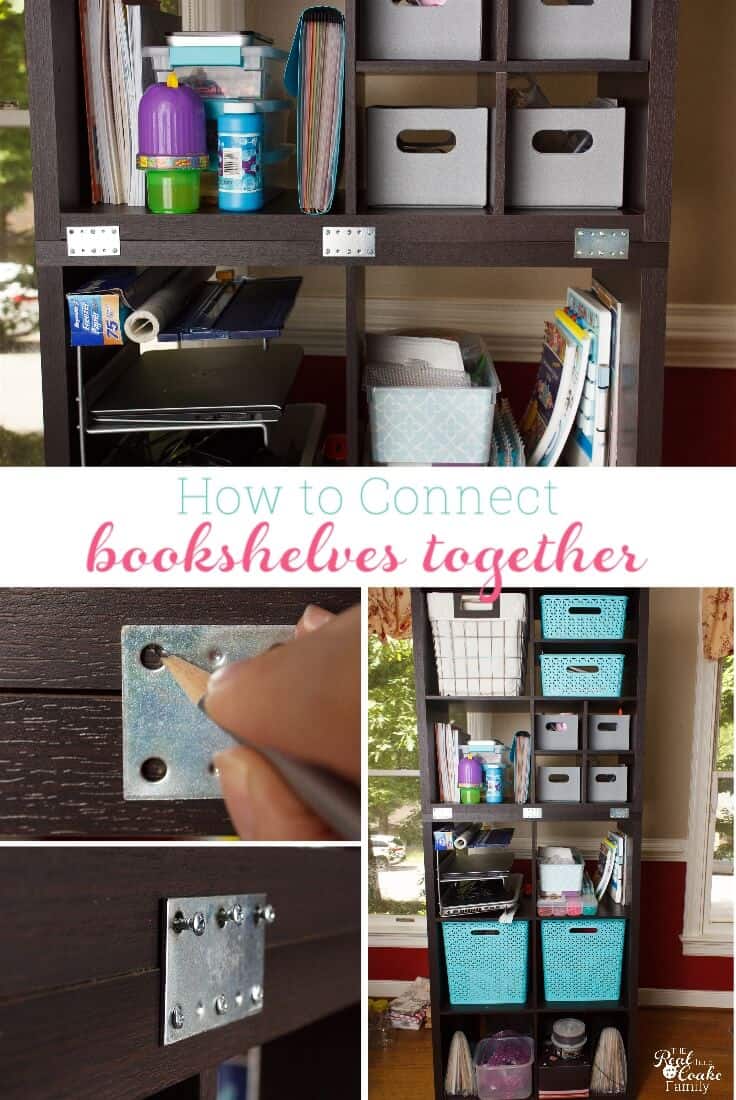
Credit: realcreativerealorganized.com
Choosing The Right Bracing Method
Choosing the right bracing method is key to keeping your standing bookshelf safe and steady. Different methods offer various levels of support and ease of installation. Picking the best one depends on your wall type, the bookshelf’s weight, and your tools. Proper bracing prevents accidents and protects your books and furniture.
Wall Anchors Vs. Furniture Straps
Wall anchors are strong and hold heavy bookshelves firmly. They go into the wall and support the shelf from tipping over. These anchors work best on drywall or studs. Furniture straps are simpler to use. They attach the shelf directly to the wall or baseboard. Straps offer good safety and are easy to install. Choose anchors for heavy loads and straps for lighter setups.
Tools And Materials Needed
For wall anchors, you need a drill, screws, anchors, and a screwdriver. A stud finder helps to locate strong spots in the wall. Furniture straps require screws, brackets, and a screwdriver. A measuring tape ensures correct strap placement. Safety glasses protect your eyes during drilling. Gather all tools before starting to make the process smooth.
Preparing Your Bookshelf For Bracing
Preparing your bookshelf for bracing is the first step to keep it safe and steady. Proper preparation helps avoid damage and ensures strong support. Take your time to get everything ready before starting the bracing process.
Clearing And Positioning
Remove all books and items from the bookshelf. Empty shelves make it easier to work. Move the bookshelf close to the wall where you want to brace it. Check that it stands straight and does not wobble. Adjust its position until it is stable and flush against the wall.
Locating Wall Studs
Use a stud finder to find the wooden studs inside the wall. Studs give strong support for bracing. Mark the stud locations with a pencil. If you don’t have a stud finder, tap the wall and listen for a solid sound. Focus on these spots to attach the braces securely. Bracing into studs prevents the bookshelf from tipping over.

Credit: hilo.hawaii.edu
Step-by-step Bracing Process
Bracing a standing bookshelf is key to keep it steady and safe. This process stops the bookshelf from tipping over. Follow these clear steps to secure your furniture properly. You will learn how to mark attachment points, install anchors or straps, and secure the bookshelf firmly.
Marking Attachment Points
Start by placing the bookshelf against the wall. Use a pencil to mark where the bookshelf meets the wall. These marks show where to attach the braces. Mark near the top of the bookshelf for the best hold. Check the marks twice to ensure accuracy.
Installing Wall Anchors Or Straps
Choose the right anchors or straps for your wall type. Drill small holes at the marked points. Insert wall anchors into the holes for strong support. If using straps, position them over the marks. Make sure anchors or straps are tight and secure.
Securing The Bookshelf
Attach one end of the strap or bracket to the bookshelf. Use screws that fit the furniture material well. Connect the other end to the wall anchor or strap. Tighten all screws firmly but avoid over-tightening. Test the bookshelf’s stability by gently pushing it.
Safety Checks After Bracing
Bracing a standing bookshelf is important for safety. There are extra steps to keep your bookshelf steady and safe. These tips help avoid accidents and keep your books organized.
Weight Distribution Advice
Place heavy items on the bottom shelves. This lowers the center of gravity. It stops the bookshelf from tipping over easily. Spread the weight evenly across each shelf. Avoid stacking all heavy books on one side. This balance keeps the shelf stable and strong.
Childproofing Measures
Use wall anchors to secure the bookshelf. This prevents it from falling if pulled. Avoid placing climbable objects near the shelf. Keep small items out of reach of children. Add corner protectors to sharp edges. These steps reduce injury risks for kids. Safety is key in homes with children.
Frequently Asked Questions
How Do I Brace A Standing Bookshelf Safely?
To brace a standing bookshelf safely, use wall anchors or brackets. Secure the bookshelf to studs for stability. This prevents tipping and protects children and pets from accidents.
What Tools Are Needed To Brace A Bookshelf?
You need a drill, screws, wall anchors, a stud finder, and brackets. These tools help securely fasten the bookshelf to the wall for safety.
Can I Brace A Bookshelf Without Drilling Into Walls?
Yes, use anti-tip straps or furniture brackets that attach to the bookshelf and wall. These provide stability without large holes or permanent damage.
Why Is Bracing A Bookshelf Important?
Bracing prevents tipping accidents, especially in homes with kids or pets. It protects your belongings and enhances safety by keeping heavy furniture stable.
Conclusion
Bracing a standing bookshelf keeps it steady and safe. It stops wobbling and prevents tipping over. Use simple tools and follow clear steps for best results. Secure the shelf to the wall with strong braces. This small effort protects your books and your home.
A steady bookshelf lasts longer and looks better too. Take time to brace your shelf today. Safety and stability matter most in any room.