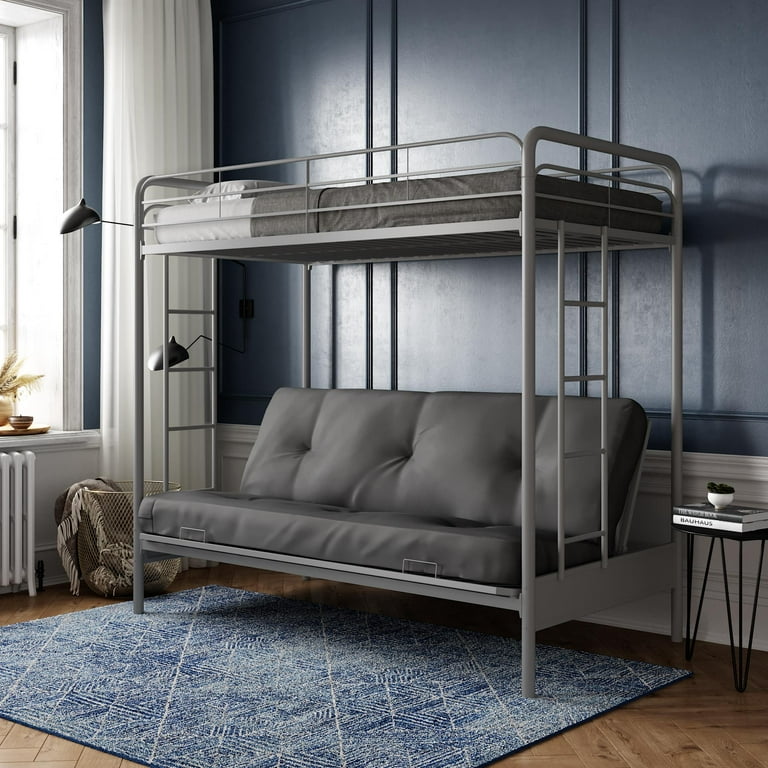
Are you looking to save space and add style to your room? Building a metal futon bunk bed might be the perfect solution for you.
Imagine having a sturdy, modern bunk bed that not only looks great but also gives you a comfortable futon for relaxing or hosting guests. In this guide, you’ll discover simple, step-by-step instructions to create your own metal futon bunk bed.
By the end, you’ll have the confidence and know-how to build a piece that fits your space and lifestyle perfectly. Ready to transform your room and make the most of every inch? Let’s get started!

Credit: www.roomstogo.com
Materials And Tools Needed
Building a metal futon bunk bed requires careful preparation. Having the right materials and tools helps the process run smoothly. This section lists all essentials for your project. Gather everything before starting to save time and avoid frustration.
Metal Frame Components
The frame forms the bed’s structure. Use steel or iron tubes for strength. Common parts include side rails, crossbars, and vertical posts. Make sure the metal pieces fit together well. Choose powder-coated metal to prevent rust. Rounded edges improve safety. Select sizes based on the bed’s dimensions.
Hardware And Fasteners
Hardware holds the frame parts tightly. You need bolts, nuts, and washers in different sizes. Lock nuts prevent loosening over time. Use metal brackets for extra support at corners. Sandpaper helps smooth rough edges before assembling. Check that all fasteners match the metal thickness. Quality hardware ensures a sturdy bunk bed.
Essential Tools
Tools make assembly easier and safer. A power drill speeds up screwing bolts. Use a wrench set for tightening nuts firmly. A measuring tape ensures parts align correctly. A level checks the bed is even and balanced. Safety gear like gloves and goggles protects your hands and eyes. Have all tools ready before you start building.
Preparing Your Workspace
Preparing your workspace is the first step to building a metal futon bunk bed. A clean and organized area helps you work faster and safer. It reduces mistakes and keeps tools within reach. Setting up well also makes the whole project more enjoyable.
Choosing A Suitable Area
Pick a flat, spacious place for assembly. A garage or a large room works well. Make sure the floor is clean and dry. Good lighting is important to see small parts clearly. Avoid crowded or cluttered spaces. Leave enough room to move around the bed frame easily.
Safety Precautions
Wear safety gloves to protect your hands from sharp metal edges. Use safety glasses to shield your eyes from dust and debris. Keep tools organized and off the floor to prevent trips. Work slowly and carefully with heavy parts. Have a helper nearby to assist with lifting and balance.
Assembling The Bottom Futon Frame
Assembling the bottom futon frame is the first key step in building your metal futon bunk bed. This part supports the mattress and must be sturdy. Taking time here ensures a strong foundation for the entire bed.
Follow each step carefully. Use the right tools and parts to avoid problems later.
Connecting The Frame Pieces
Start by laying out all frame parts on the floor. Check that you have side rails, end rails, and support bars. Align the side rails with the end rails at right angles. Insert bolts through the holes at the corners. Hand-tighten them to keep pieces in place. Make sure all corners form neat squares. This helps the frame stay balanced and even.
Securing The Joints
Use a wrench to tighten all bolts firmly. Tight joints prevent wobbling and increase safety. Double-check each connection by pushing gently on corners. Add washers if needed to reduce metal wear. Ensure no bolts are loose or sticking out. Tight joints mean the bottom futon frame is ready to hold weight safely.
Building The Top Bunk Frame
Building the top bunk frame is a key step in making your metal futon bunk bed strong and safe. This part holds the mattress and supports the sleeper above. Follow clear steps to assemble the frame and attach safety rails. Doing it right ensures comfort and security for the top bunk.
Frame Assembly Steps
Start by laying out all metal parts on a flat surface. Identify the side rails, end rails, and support bars. Connect the side rails to the end rails using bolts and nuts. Tighten them securely but avoid over-tightening. Next, add the middle support bars. These bars hold the mattress evenly and prevent bending. Check that all parts fit tightly. The frame should feel solid and stable. Use a level to make sure the frame is even on all sides.
Attaching Safety Rails
Safety rails protect the person sleeping on the top bunk. Attach these rails to the longer side rails of the frame. Use the provided screws or bolts to fix the rails firmly. Position the rails so they cover the mattress edge completely. This prevents accidental falls. Double-check all screws are tight and secure. The safety rails must not wobble or move. Test by gently shaking the rails to confirm stability. Proper safety rails give peace of mind for the top bunk user.
Joining The Bunk Bed Frames
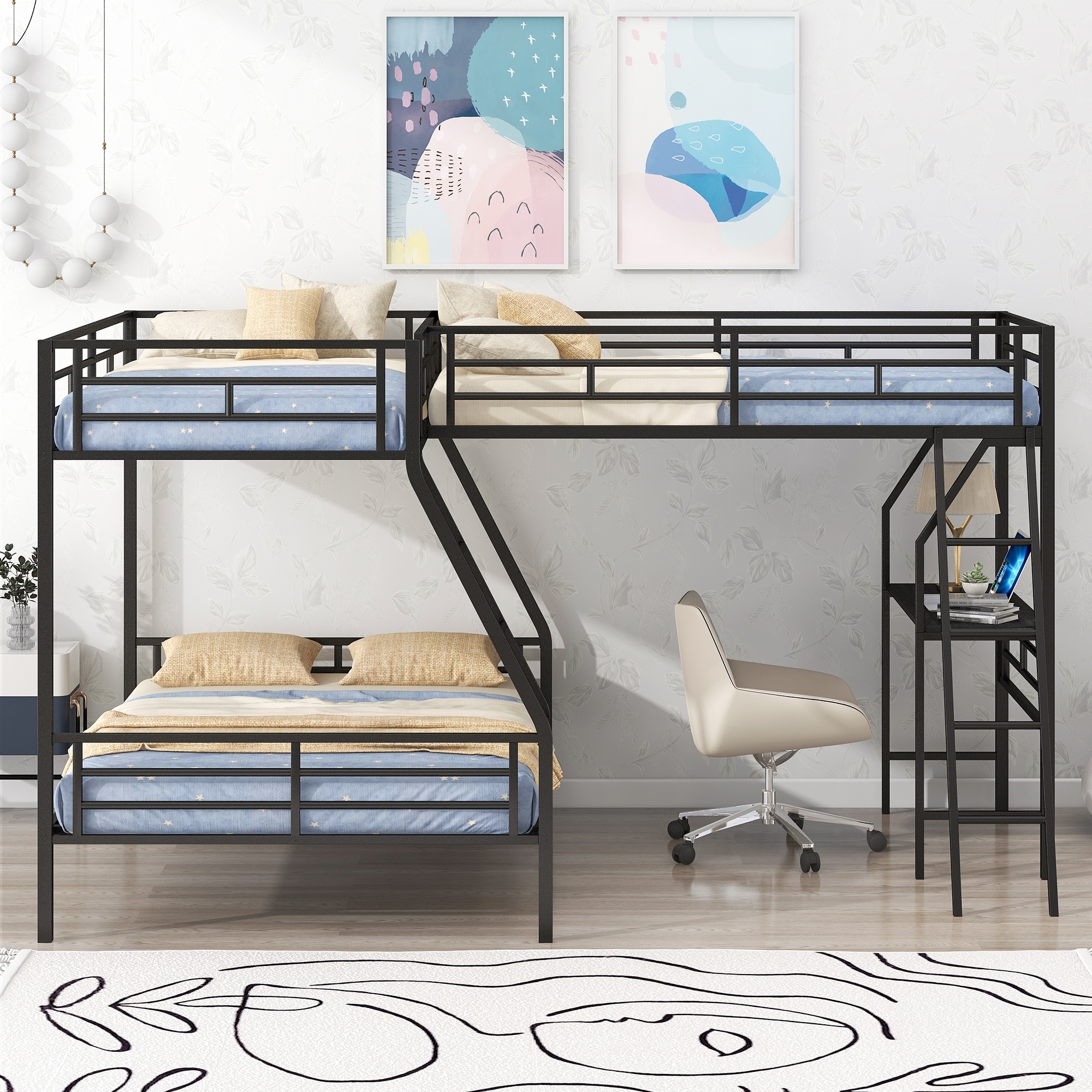
Joining the bunk bed frames is a key step in building a sturdy metal futon bunk bed. This process ensures both frames lock together safely. Proper joining keeps the bed stable and secure for daily use. Follow the steps carefully to avoid any wobbles or gaps between the frames.
Aligning The Frames
Start by placing both frames close to each other on a flat surface. Check that the bolt holes on each frame line up perfectly. Adjust the position of the frames until all holes match. Use clamps or have a helper hold the frames steady. Proper alignment prevents stress on the metal and helps the bolts fit easily.
Bolting The Frames Together
Insert the bolts through the aligned holes on both frames. Hand-tighten nuts on the bolts to hold the frames in place. Use a wrench to firmly tighten each bolt. Avoid over-tightening to prevent damaging the metal. Double-check each connection point to ensure a secure fit. Tight bolts keep the bunk bed safe and durable.
Credit: www.nicfaisalabad.com
Installing The Ladder
Installing the ladder on your metal futon bunk bed is a key step. It lets you climb safely to the top bunk. Place the ladder carefully and secure it well. This keeps it steady and safe for use. Follow these steps to make the ladder strong and stable.
Ladder Placement Options
Choose the best spot for the ladder. Place it on the side or at the foot of the bed. Side placement saves space in small rooms. Foot placement gives easy access to the bed ends. Ensure the ladder does not block doors or windows. Measure the height and angle for comfort. The ladder should lean at a gentle angle for safety.
Securing The Ladder
Use bolts or screws to fix the ladder firmly. Attach it to the bed frame, not just the mattress frame. Tighten all bolts to avoid wobbling. Check if the ladder holds steady before use. Add rubber pads at the bottom to stop slipping. Regularly inspect the ladder for loose parts. Secure ladders keep everyone safe while climbing.
Final Adjustments And Checks
After assembling your metal futon bunk bed, it is important to do final adjustments and checks. This step ensures safety and durability for everyday use. Taking time to carefully review each part can prevent accidents and extend the bed’s life.
Check every connection and joint. Make sure the bed feels solid and secure before use. These last steps help confirm your work is done right and the bed is ready.
Tightening All Bolts
Go over every bolt on the bed frame. Use the correct tool to tighten each one firmly. Loose bolts can cause wobbling or collapse. Do not overtighten to avoid stripping the threads. Tight bolts hold the bed parts together safely.
Check bolts at the corners, joints, and where the futon mechanism attaches. Re-check bolts after a few days of use as they may loosen over time. Regular maintenance keeps the bunk bed safe and strong.
Stability Testing
Test the bed’s stability by gently shaking it from different sides. The frame should not move or creak. Sit or lie down carefully to check balance. Make sure the futon opens and closes smoothly without shifting.
Place the bed on a flat surface to avoid uneven weight distribution. Use a level tool if available to ensure the frame stands straight. A stable bed provides comfort and peace of mind for users.
Credit: www.walmart.com
Adding Mattresses And Accessories
After building your metal futon bunk bed frame, the next step is adding mattresses and accessories. This step is important for comfort and style. The right mattress can make a big difference in how you use the bed.
Accessories help make the bunk bed more useful and cozy. They can also add personality and match your room’s theme. Consider what you need and want before making your choices.
Choosing The Right Futon Mattress
Select a mattress that fits the metal frame perfectly. Measure the bed to find the correct size. Futon mattresses come in various thicknesses and materials. Foam mattresses are lightweight and easy to move. Cotton mattresses offer firm support and natural breathability. Look for a mattress with a durable cover that is easy to clean. Choose a thickness that balances comfort with safety, especially for the top bunk.
Optional Add-ons
Add-ons can improve both comfort and functionality. Consider installing guardrails for safety on the upper bunk. A ladder with non-slip steps makes climbing easier. You may add storage pockets or shelves on the sides to keep essentials close. Lighting options, like clip-on lamps, help with reading or nighttime use. Curtains or canopies can offer privacy and a fun look. Pick accessories that suit your space and daily needs.
Frequently Asked Questions
What Tools Do I Need To Build A Metal Futon Bunk Bed?
You need a drill, wrenches, screwdrivers, measuring tape, and safety gear. These tools help assemble metal parts securely and ensure precise fitting during construction.
How Long Does It Take To Assemble A Metal Futon Bunk Bed?
Assembly typically takes 3 to 5 hours depending on your experience. Following instructions carefully and organizing parts speeds up the process and ensures safety.
Is Building A Metal Futon Bunk Bed Safe For Kids?
Yes, if built correctly using sturdy metal and secure fasteners. Always check weight limits and ensure guardrails and ladders are firmly installed for child safety.
Can I Customize The Size Of A Metal Futon Bunk Bed?
Yes, metal frames can be adjusted to fit different mattress sizes. Customization depends on your metalworking skills and available materials for a perfect fit.
Conclusion
Building a metal futon bunk bed takes time and care. Follow the steps one by one to avoid mistakes. Use the right tools and check all parts before starting. Tighten bolts securely for safety and stability. A well-built bunk bed saves space and adds comfort.
Enjoy your new bed for relaxing or sleeping guests. Keep instructions handy for future adjustments or repairs. Simple work, great results. Your effort will pay off with a sturdy, useful bed.