Are you ready to create the perfect bed for your toddler? Building a bed yourself means you get exactly what your little one needs—comfort, safety, and style.
Imagine the pride you’ll feel seeing your child snuggle into a bed you made just for them. In this guide, you’ll discover simple steps and helpful tips to build a bed that your toddler will love. Keep reading, and soon you’ll have a cozy, sturdy bed that fits perfectly in your home and suits your child’s personality.
Let’s get started!
Choosing The Right Materials
Choosing the right materials is the first step in building a safe and lasting toddler bed. The materials affect the bed’s strength, safety, and look. It is important to pick materials that keep your child safe and last through rough use. Below are some key materials to focus on for a successful build.
Safe Wood Options
Wood is the best choice for a toddler bed. Select solid wood like pine, oak, or maple. These woods are strong and safe. Avoid plywood or particleboard as they may contain harmful chemicals. Choose wood that is smooth and free from splinters. Sand the wood well to protect your toddler from scratches.
Non-toxic Paints And Finishes
Paint and finish protect the bed and make it look nice. Use paints labeled as non-toxic and safe for children. Water-based paints are a good choice. Avoid paints with lead or strong chemicals. The finish should be durable but free from harmful fumes. This keeps your toddler safe from toxic exposure.
Durable Hardware
Hardware holds the bed together. Use screws and bolts made of stainless steel or brass. They resist rust and last long. Avoid nails or weak fasteners that may come loose. Check that all hardware is tightly secured and has no sharp edges. This prevents accidents and keeps the bed sturdy.
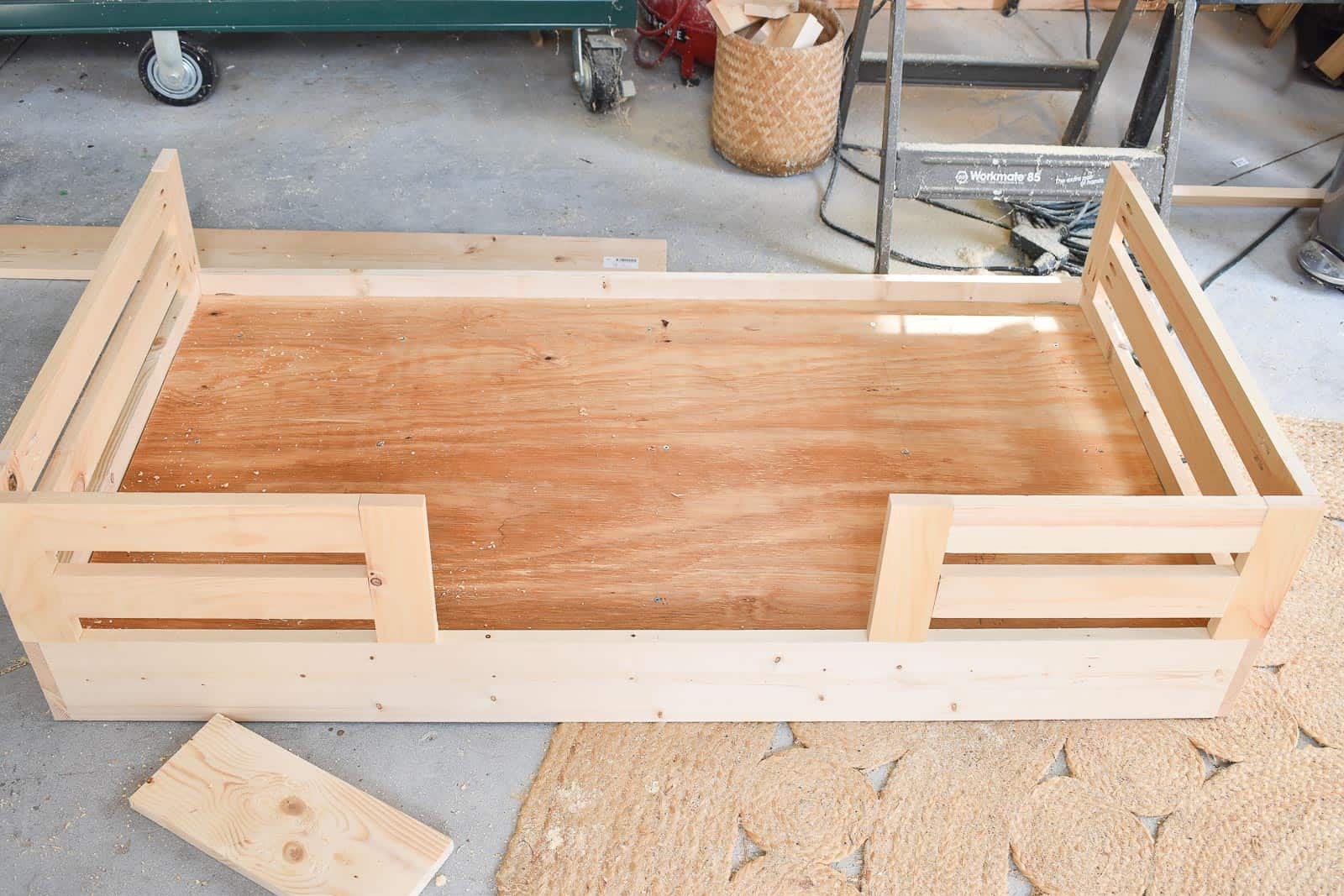
Credit: atcharlotteshouse.com
Designing The Bed Frame
Designing the bed frame is a key step in building a toddler bed. The frame must be safe, comfortable, and fit well in the room. Simple design ideas help create a cozy space for your child. Careful planning makes the bed both practical and fun.
Think about your child’s needs and room size. Choose materials that are strong but gentle. Each detail matters to keep your toddler happy and secure.
Size Considerations
The bed frame should match your toddler’s size. Too big feels scary. Too small feels cramped. Measure your child’s height and add extra space for growth. A bed about 52 inches long works well for most toddlers. Width should allow room to move comfortably. Keep in mind the mattress size you will use.
Low To The Ground Design
Keeping the bed low helps toddlers climb in and out safely. A height of 7 to 10 inches from the floor is ideal. This reduces the risk of injury from falls. Low beds also help children feel secure. They can see their room clearly and won’t be afraid to sleep alone.
Incorporating Safety Rails
Safety rails prevent toddlers from rolling off the bed. Rails should be sturdy but not block easy exit. Place rails on one or both sides, depending on room layout. Use smooth wood or plastic to avoid scratches. Make sure the rails are high enough to hold your child but low enough to not feel trapped.
Tools You’ll Need
Building a bed for your toddler is a rewarding project. Having the right tools makes the job easier and safer. Here is a list of essential tools you will need for this task.
Basic Carpentry Tools
Start with a good saw. A handsaw or a power saw works well for cutting wood. You will also need a drill to make holes and drive screws. A hammer is useful for nails and small adjustments. Screwdrivers help tighten screws by hand. Clamps keep wood pieces steady while you work.
Measuring And Marking Tools
Accurate measurements are key. Use a tape measure for length and width. A square tool helps check right angles. Mark lines clearly with a pencil. A ruler or straight edge guides your cuts. Proper marking avoids mistakes and saves wood.
Safety Equipment
Safety first. Wear safety goggles to protect your eyes. Use gloves to guard your hands from splinters. Hearing protection reduces noise from power tools. A dust mask keeps you from inhaling sawdust. Keep a clean workspace to prevent accidents.

Credit: www.reddit.com
Step-by-step Assembly
Building a bed for your toddler can be a fun and rewarding project. Following clear steps helps you create a safe and sturdy bed. This guide breaks down the process into simple parts. Each step focuses on important tasks. This way, the bed is strong and safe for your child.
Cutting The Wood Pieces
Start by measuring the wood carefully. Use a saw to cut the wood pieces. Cut the side rails, headboard, footboard, and slats. Make sure each piece matches the size needed. Smooth the edges with sandpaper to avoid splinters. Accurate cuts make the assembly easier and safer.
Assembling The Frame
Place the side rails parallel to each other. Attach the headboard and footboard between them. Use screws and a drill to join the pieces. Check that the frame is square and tight. Add wooden slats inside the frame for mattress support. Secure each slat firmly to prevent movement.
Attaching Safety Rails
Attach safety rails on one or both sides of the bed. These rails prevent your toddler from falling out. Use screws to fix the rails securely. Make sure the rails are smooth and strong. Check the height so your child can easily climb in and out. Safety rails give peace of mind during sleep time.
Finishing Touches
Finishing touches make the toddler bed safe and cozy. These steps help protect your child from splinters and sharp edges. They also improve the bed’s look and comfort. Completing the build with care ensures the bed lasts long and feels inviting.
Sanding For Smooth Edges
Start by sanding all wooden surfaces thoroughly. Use fine-grit sandpaper to smooth sharp corners and rough spots. Sand edges and corners until they feel soft to the touch. This step prevents scratches and splinters. Take your time and check every part carefully.
Painting And Sealing
Choose non-toxic, child-safe paint for the bed frame. Apply a thin, even coat for better coverage. Let the paint dry completely before adding a second coat. Seal the paint with a clear, safe varnish to protect the wood. This helps the bed resist stains and moisture. A sealed surface also makes cleaning easier.
Adding A Comfortable Mattress
Pick a mattress that fits the bed frame perfectly. Choose one with firm support to keep your toddler safe. A mattress with breathable material helps regulate temperature. Cover the mattress with a soft, washable sheet. This adds comfort and keeps the bed clean. Test the mattress for comfort before use.
Ensuring Bed Safety
Ensuring bed safety is the top priority when building a toddler bed. Toddlers are active and curious, so the bed must be secure and stable. A safe bed helps prevent accidents and gives parents peace of mind.
Safety checks should start before the bed is used. Careful attention to details keeps the bed safe for every night’s sleep.
Checking Stability
Check that all screws and bolts are tight. Loose parts can cause the bed to wobble or collapse. Test the bed by gently pushing on different sides. The bed should not move or shake. Use strong, sturdy materials for the frame to support your child’s weight.
Avoiding Small Parts
Small parts can be choking hazards for toddlers. Avoid using tiny screws, nails, or decorations. Make sure all pieces are large enough that children cannot swallow them. Smooth any sharp edges or rough surfaces to prevent cuts or splinters.
Regular Maintenance Tips
Check the bed regularly for damage or wear. Tighten any loose hardware every few weeks. Replace broken parts immediately to avoid accidents. Clean the bed often to keep it safe and hygienic. Regular care extends the bed’s life and keeps your toddler safe.
Personalizing The Bed
Personalizing a toddler’s bed makes it special and inviting. It helps your child feel comfortable and excited about bedtime. Simple touches can turn a basic bed into a cozy space just for them. Personal details also encourage independence and creativity. Small changes make a big difference in how your toddler enjoys their new bed.
Adding Fun Designs
Paint the bed frame with bright colors or patterns. Use stencils to create shapes like stars, animals, or cars. Stickers and decals also add playful touches. Choose designs that match your toddler’s favorite things. This makes the bed feel unique and fun.
Incorporating Storage
Build drawers or shelves under the bed for toys and books. Storage keeps the room tidy and easy to organize. Use bins or baskets inside the storage spaces. This helps your toddler learn to put things away. Storage adds function without taking extra space.
Using Themed Bedding
Pick bedding with themes your toddler loves, like animals or superheroes. Soft and colorful sheets make bedtime cozy. Matching pillows and blankets create a complete look. Themed bedding ties the whole bed design together. It makes bedtime something your child looks forward to.

Credit: www.youtube.com
Frequently Asked Questions
What Materials Are Best For A Toddler Bed Frame?
Use sturdy, non-toxic wood like pine or oak for safety. Avoid sharp edges and splinters. Choose materials that are durable and easy to clean, ensuring long-lasting use and a safe environment for your toddler.
How Do I Ensure Toddler Bed Safety?
Install guardrails to prevent falls and use a low-to-the-ground frame. Secure all parts tightly and avoid small detachable pieces. Regularly check for wear and tear to keep the bed safe and secure.
What Mattress Size Fits A Toddler Bed?
A standard toddler mattress size is 28 by 52 inches. Use a firm, supportive mattress designed for toddlers. Make sure it fits snugly inside the bed frame to prevent gaps where your child could get stuck.
How Long Does It Take To Build A Toddler Bed?
Building a toddler bed typically takes 4 to 6 hours. This depends on your skills and tools. Following clear instructions speeds up the process and ensures a sturdy, safe bed for your child.
Conclusion
Building a bed for your toddler can be simple and rewarding. Start with strong materials and clear steps. Keep safety in mind at every stage. Choose the right size for comfort and growth. Personalize the bed to make it special.
Enjoy the process and the results. Your child will love their new bed. A well-made bed helps your toddler sleep better. Take your time and follow the guide. This project creates lasting memories and a cozy space.