Is your toddler constantly climbing up the bunk bed, making you worry about their safety? You’re not alone.
Toddlers are curious and love to explore, but bunk beds can be dangerous if they climb without supervision. You want to keep your little one safe without turning bedtime into a battle. You’ll discover simple, effective ways to stop your toddler from climbing the bunk bed.
Keep reading to protect your child and enjoy peace of mind every night.

Credit: www.reddit.com
Risks Of Toddler Climbing Bunk Beds
Toddlers love to explore and climb, but bunk beds can be dangerous for them. Climbing these beds puts young children at risk of serious injury. It is important to understand the risks to keep toddlers safe. Knowing the types of injuries and hazards helps parents take the right steps to protect their children.
Common Injuries
Falls from bunk beds often cause bruises, cuts, or broken bones. Head injuries are common and can be very serious. Toddlers may hit the floor or nearby furniture during a fall. These injuries can lead to pain and long recovery times. Some falls result in concussions or even more severe trauma.
Potential Hazards
Bunk beds have many dangers beyond falling. Sharp edges and corners can cause cuts or scrapes. Small gaps in the bed frame may trap fingers or limbs. Loose bedding or toys on the bed increase the chance of slipping. The ladder itself can be hard for toddlers to climb safely. Without supervision, these hazards become very risky.

Credit: www.amazon.ae
Preventive Measures
Preventive measures help keep toddlers safe around bunk beds. These steps reduce the risk of falls and injuries. They make the bunk bed a safer place for your child.
Secure Bed Rails
Bed rails stop toddlers from climbing over the sides. Make sure rails are strong and fit tightly. Check them often to keep them secure. Rails protect your child during sleep and play.
Use Safety Gates
Safety gates block access to the ladder or stairs. Place gates at the bottom of the bunk bed. Choose gates that your child cannot easily open. Gates limit climbing and keep toddlers safe.
Place Mattress On Floor
Lower the mattress to the floor to remove fall risks. This option works well for very young toddlers. It prevents climbing and gives your child a safe sleep space. Use this until they are older and more careful.
Create A Safe Sleep Environment
Creating a safe sleep environment is key to stopping toddlers from climbing bunk beds. Safety helps reduce risks and gives parents peace of mind. Simple steps can make the bed area secure and comfortable for your child.
Focus on the right bed choice and clear rules. These guide your toddler to understand safe bedtime behavior.
Choose Age-appropriate Beds
Select beds made for toddlers, not older kids or adults. Toddler beds are lower to the ground and easier to climb in and out of. Avoid top bunks for children under six years old. This reduces falls and injuries. Guardrails help keep children safe during sleep. Make sure the mattress fits snugly to prevent gaps. A safe bed matches your child’s size and abilities.
Establish Bedtime Rules
Set simple rules about staying in bed until morning. Explain the dangers of climbing bunk beds clearly. Consistent rules help toddlers understand limits and build good habits. Praise your child when they follow the rules. Use calm reminders if they try to climb. Keep bedtime routines regular to encourage a sense of security. Rules protect your child and create a peaceful night.
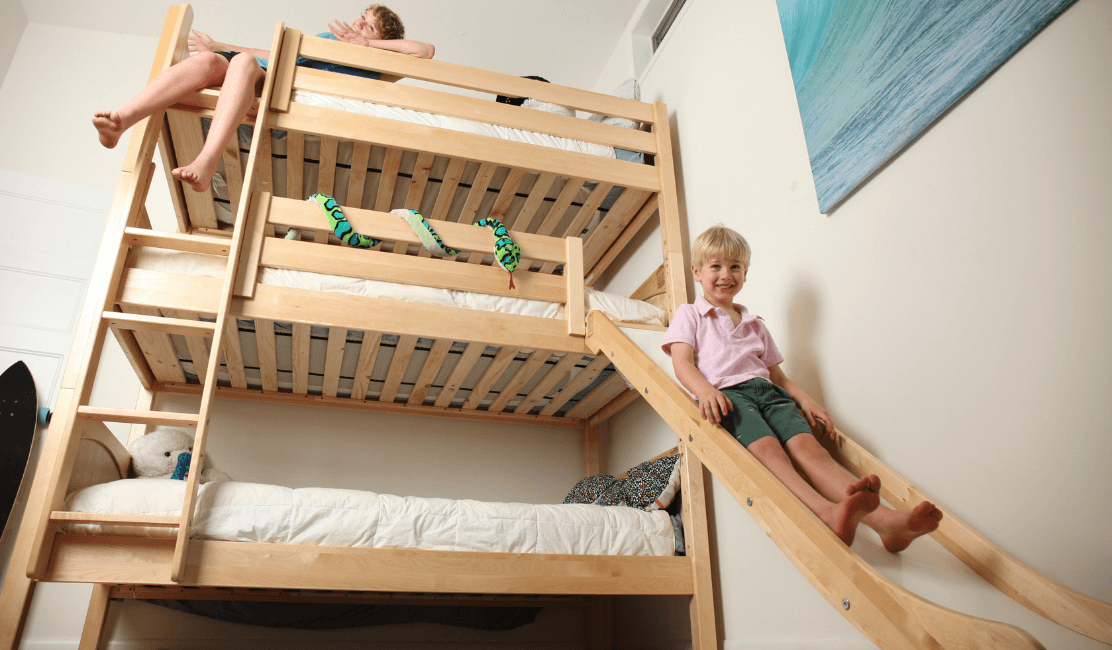
Credit: www.maxtrixkids.com
Engage Toddler In Alternative Activities
Engaging your toddler in other activities helps reduce their urge to climb the bunk bed. Toddlers have lots of energy and curiosity. Providing fun, safe alternatives keeps them busy and less interested in risky climbing.
Finding ways to meet their need for movement and exploration is key. This can help them feel satisfied and less tempted to climb where they shouldn’t. Try to offer options that are just as exciting and rewarding.
Provide Climbing Alternatives
Give your toddler safe places to climb. Small indoor climbing toys or play structures work well. These options let them practice climbing skills safely. Soft mats below add extra safety. These alternatives satisfy their climbing urge without danger.
Encourage Active Play
Active play uses energy in positive ways. Dancing, jumping, or running games keep toddlers moving. Outdoor playtime lets them explore and burn energy. Active play reduces boredom and the need to climb furniture. Keep play sessions frequent and fun to hold their interest.
Supervision And Consistency
Supervision and consistency play a big role in stopping toddlers from climbing bunk beds. Toddlers need clear, steady rules. They also need adults to watch and guide them. This helps keep them safe and builds good habits. Consistent actions make toddlers understand what is allowed and what is not.
Monitor Bedtime Routine
Watch your toddler closely during bedtime. Check if they try to climb the bed. Stay nearby until they fall asleep. This helps prevent climbing and gives comfort. A calm, safe routine reduces the urge to climb. Keep the room quiet and dim. Avoid exciting activities before bed. This helps toddlers relax and stay safe.
Consistent Reinforcement
Always respond the same way to climbing attempts. Use gentle but firm words. Say “No climbing” every time. Praise your child when they follow the rule. Reward good behavior with hugs or kind words. Avoid giving attention if they climb. This teaches that climbing is not okay. Consistency helps toddlers learn faster. Keep rules simple and clear. Repeat often for the best results.
When To Transition To Bunk Beds
Transitioning a toddler to a bunk bed requires careful thought. Safety and comfort must come first. Choosing the right time helps prevent accidents and makes the move smooth. Knowing when your child is ready can save stress for both of you. This section guides you on when to make the change.
Assessing Readiness
Check your child’s age and physical skills. Most experts suggest waiting until age six or seven. Notice if your toddler can climb stairs safely. Watch how they handle climbing and balance on low furniture. Emotional readiness is important too. Are they excited or scared about bunk beds? Answering these questions helps decide if your child is ready.
Safe Transition Tips
Start with clear rules about climbing and playing on the bed. Use guardrails on the top bunk for extra protection. Teach your toddler to always climb up and down carefully. Keep the room well-lit to avoid trips at night. Remove toys or objects that might cause falls. Regularly check the bed’s stability and fix any loose parts. These steps create a safer bunk bed experience.
Frequently Asked Questions
How Can I Prevent My Toddler From Climbing Bunk Beds?
Use safety gates and remove ladders when not supervised. Teach your toddler about bunk bed dangers. Offer alternative climbing activities to redirect their energy safely.
What Are The Safest Bunk Bed Features For Toddlers?
Look for guardrails on all sides and sturdy ladders. Beds should meet safety standards with no gaps or sharp edges. Low-height bunk beds reduce fall risks for toddlers.
When Should Toddlers Be Allowed To Use Bunk Beds?
Toddlers should use bunk beds only after age 6. Ensure they understand safety rules and can climb down safely. Always supervise younger children around bunk beds.
How To Make Bunk Beds Less Appealing For Climbing?
Remove toys or objects that encourage climbing on the bed. Use deterrents like soft mats around the bed. Praise your child when they play safely away from the bunk bed.
Conclusion
Stopping a toddler from climbing a bunk bed takes patience and care. Set clear rules and explain why climbing is unsafe. Use safety gates or barriers to block access. Offer fun, safe places to climb instead. Always watch your toddler closely near the bed.
Keep the room tidy to avoid accidents. With time and consistency, toddlers learn safer habits. Safety should always come first in your home. Your child’s well-being is worth the effort. Stay calm and firm to guide them well.