Are you looking to make the most of your bedroom space without buying new furniture? Converting your bunk bed into a bed with a desk could be the perfect solution.
Imagine having a cozy sleeping area right above and a practical workspace right below, all in one compact setup. This change not only saves space but also creates a dedicated spot for studying, working, or hobbies. You’ll discover simple steps and smart tips to transform your bunk bed into a functional bed with a desk.
Keep reading to unlock a clever way to maximize your room’s potential and boost your daily comfort.
Choosing The Right Bunk Bed
Choosing the right bunk bed is key to converting it into a bed with a desk. Not all bunk beds are built the same. Some designs and structures suit this change better. Picking the right bed makes the project easier and safer.
Assessing Bed Structure
Start by checking the bed’s frame. Look for strong and stable materials like solid wood or metal. A firm frame supports the desk without wobbling. Measure the space under the top bunk. Make sure there is enough room for a desk and chair. Check if the bed has built-in shelves or storage. These features can affect the new desk layout. Avoid beds with weak joints or loose parts. They can cause safety issues later.
Materials And Tools Needed
Gather the right tools before starting. You will need a drill, screwdriver, saw, and measuring tape. Have screws, brackets, and wood pieces ready. Use smooth and sturdy wood for the desk surface. Sandpaper helps smooth rough edges. A level ensures the desk is even. Safety gear like gloves and goggles protects you during work. Preparing all materials first saves time and effort.
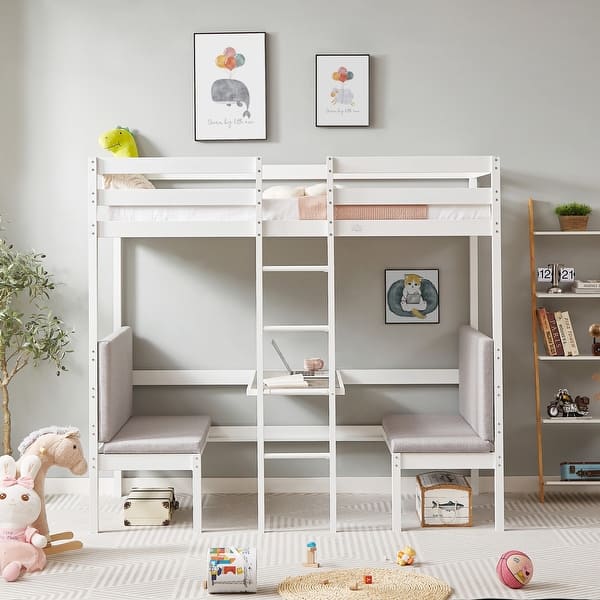
Credit: buybuybaby.bedbathandbeyond.com
Planning Your Conversion
Converting bunk beds into a bed with a desk takes careful planning. This step ensures the final setup fits your space and needs. Proper planning saves time and effort later. Start by understanding your room layout and what you want from the desk area.
Think about who will use the desk and what they need. Will it be for study, crafts, or computer work? Clear planning helps create a comfortable, practical space.
Measuring Space And Dimensions
First, measure the room where you will place the converted bed. Note the total height, width, and length available. Measure the existing bunk bed too. Check how much space is under the top bunk for the desk.
Allow extra space for chair movement and legroom. Mark any obstacles like windows or doors nearby. These details affect desk size and placement. Accurate measurements prevent fitting problems later.
Designing The Desk Area
Plan the desk layout based on the available space. Decide the desk shape: straight, L-shaped, or corner style. Pick a desk height that suits the user’s comfort. Include shelves or drawers if needed.
Consider lighting. Position the desk near natural light or add a desk lamp. Think about cable management for electronics. A tidy desk improves focus and work quality.
Disassembling The Bunk Bed
Disassembling the bunk bed is the first step to create your new bed with a desk. This stage requires care to avoid damage. Taking apart the bunk bed carefully makes the next steps easier and safer.
Removing The Top Bunk
Start by clearing the top bunk of all items. Remove the mattress and bedding to prevent damage. Use a screwdriver or drill to unscrew the bolts holding the top bunk. Keep all screws and bolts in a container to avoid losing them. Gently lift the top bunk frame away from the bottom bunk. Ask for help if the frame is heavy or large. Place the top bunk frame in a safe spot for later use.
Preparing The Frame For Desk Installation
Check the bottom bunk frame for stability. Tighten any loose screws or bolts. Remove any parts that will block the desk installation. Sand down rough edges or surfaces to avoid splinters. Clean the frame to remove dust and dirt. Plan where the desk will attach to the frame. Measure the space carefully to ensure a good fit. Your frame is now ready for the desk installation.

Credit: www.amazon.com
Building The Desk
Building the desk under your bunk bed changes the whole space. It creates a useful area for work or study. The desk needs to be strong and fit well with the bed frame. Careful planning and the right materials make this project easier. Follow simple steps to build a desk that works for you.
Selecting Desk Surface Materials
Choose a desk surface that is sturdy and smooth. Wood is a popular choice for its strength and look. Plywood or MDF are cheaper options but still work well. Make sure the surface is easy to clean. Pick a size that fits the space under your bunk bed.
Attaching Desk To Frame
Secure the desk firmly to the bed frame for safety. Use strong screws and brackets to hold it in place. Check that the desk is level before tightening all screws. Avoid drilling into parts that hold the bed’s weight. Attach the desk on the side or back supports of the frame.
Adding Storage Solutions
Add shelves or drawers to keep your desk organized. Use small storage boxes or hanging organizers for supplies. Attach a pegboard to the side for tools and notes. Keep storage within easy reach but not in the way. Storage helps keep the desk neat and your work clear.
Finishing Touches
Finishing touches bring the converted bunk bed to life. They make the space feel complete and cozy. Small details can change the whole look and function of the bed with desk. A neat finish helps the furniture last longer and look better.
Sanding And Painting
Start by sanding all surfaces smoothly. Sanding removes rough spots and old paint. It helps new paint stick well. Use fine-grit sandpaper for a soft finish. Wipe away dust after sanding to keep the surface clean.
Choose paint colors that match the room decor. Light colors make the space look bigger and brighter. Use paint designed for wood or metal, based on your bed material. Apply two thin coats for even coverage. Let the paint dry fully between coats.
Installing Lighting And Accessories
Add lighting to brighten the desk area. Clip-on lamps or LED strips work well. Good lighting helps with reading and studying. Place lights where they don’t shine in the eyes. Install power outlets nearby for chargers or lamps.
Include accessories like shelves or hooks for extra storage. Use baskets or bins to keep items organized. Personal touches make the desk space inviting. Keep the area clutter-free to boost focus and comfort.
Safety Tips
Safety is the top priority when converting bunk beds into a bed with a desk. This change affects the structure and use of the furniture. Taking the right safety steps helps avoid accidents and keeps the space secure.
Ensuring Stability
Check all screws and bolts on the bunk bed frame. Tighten any loose parts before starting the conversion. Use strong brackets to support the new desk area. Test the bed and desk for any wobbling. Place the desk on a flat, even surface. Add extra support beams if needed. Stability prevents falls and injuries.
Securing Electrical Components
Plan where to put lamps or chargers carefully. Use cable clips to hold wires neatly against the wall. Avoid running cords across walkways or the desk surface. Ensure all electrical devices have safe plugs. Keep cords away from sharp edges. This reduces the risk of electric shocks and tripping hazards.

Credit: resourcefurniture.com
Frequently Asked Questions
How Do I Convert Bunk Beds Into A Bed With Desk?
To convert bunk beds, remove the lower bunk. Install a sturdy desk frame in its place. Secure the desk properly for safety and stability.
What Tools Are Needed For Bunk Bed Conversion?
You need a drill, screwdriver, measuring tape, saw, and level. These tools help safely dismantle and rebuild the bunk bed with a desk.
Can I Use The Existing Bunk Bed Frame For A Desk?
Yes, you can repurpose the lower bunk frame as a desk base. Reinforce it for strength and add a flat desktop surface on top.
Is Converting Bunk Beds To A Desk Space Cost-effective?
Converting bunk beds is budget-friendly. It saves money compared to buying new furniture. Plus, it maximizes room space efficiently.
Conclusion
Converting bunk beds into a bed with a desk saves space and adds function. It creates a cozy spot to sleep and study. You only need basic tools and some time to make it work. This change fits small rooms or shared spaces well.
Try different designs to match your style and needs. Start your project confidently and enjoy a practical, neat room setup. Simple steps can make a big difference in your home.