Looking to add a unique, budget-friendly bookshelf to your space? Building a bookshelf from pallets is easier than you might think, and it gives your room a touch of rustic charm.
Imagine turning simple wooden pallets into a stylish, sturdy shelf that holds all your favorite books and decorations. In this guide, you’ll discover step-by-step how to create your own pallet bookshelf, even if you’ve never built anything before. Ready to transform your space and impress your friends with a one-of-a-kind piece?
Let’s get started!

Credit: madewithlovetcbf.blogspot.com
Choosing The Right Pallets
Choosing the right pallets is the first step to building a strong and durable bookshelf. Not all pallets are the same. The type and condition of the pallet affect your final project. This section helps you pick the best pallets for your bookshelf.
Types Of Pallets
Pallets come in different types and sizes. Wooden pallets are the most common choice for bookshelves. They offer good strength and a natural look. Plastic pallets are light but may not be as sturdy. Metal pallets are heavy and less common for furniture. Choose wooden pallets for easy work and solid results.
Checking Pallet Condition
Always inspect pallets before use. Look for cracks, splinters, and broken boards. Avoid pallets with signs of rot or mold. Check for insect damage or stains. Clean pallets are safer and easier to work with. A good pallet should feel solid and stable.
Safe Pallet Selection
Safety matters when choosing pallets. Avoid pallets with chemical stains or markings. Some pallets carry harmful treatments or pesticides. Look for stamps like “HT” which means heat-treated and safer to use. Avoid “MB” marked pallets as they contain chemicals. Select pallets that are safe for indoor use.
Gathering Tools And Materials
Building a bookshelf from pallets is a fun project. The first step is gathering the right tools and materials. Having what you need helps the work go smoothly. It saves time and avoids frustration. Prepare your workspace before starting. Organize tools and supplies in one place. This keeps things neat and easy to find.
Essential Tools
Start with basic tools for cutting and assembling. A handsaw or power saw is needed to cut pallet wood. A hammer and nails help join pieces together. A screwdriver or drill makes screwing easier and faster. Sandpaper or an electric sander smooths rough wood surfaces. A tape measure ensures accurate cuts. A pencil marks where to cut or drill.
Additional Supplies
You will need some extra materials for a sturdy bookshelf. Wood screws hold parts firmly in place. Wood glue adds strength to joints. Paint or wood stain protects and decorates your shelf. Brushes or rags help apply finish. Wood filler fixes small holes or cracks. Sanding blocks make hard-to-reach spots smooth.
Safety Gear
Safety is important during any woodworking project. Wear safety goggles to protect your eyes from dust and debris. Use gloves to avoid splinters and cuts. A dust mask keeps you from breathing in wood dust. Ear protection reduces noise from power tools. Dress in close-fitting clothes to avoid getting caught in machines.
Preparing The Pallets
Preparing the pallets is the first key step to build a sturdy bookshelf. This step ensures the wood is safe and ready to use. Taking time to clean, sand, and cut pallets helps create a smooth surface. It also removes any dangerous nails or splinters. Proper preparation makes the building process easier and the final bookshelf stronger.
Cleaning And Sanding
Start by cleaning the pallets with soap and water. Remove dirt, dust, and any stains on the wood. Let the pallets dry fully before sanding. Sanding smooths the wood and removes rough spots. Use medium-grit sandpaper first, then fine-grit for a polished finish. Clean the dust off after sanding to keep the surface clean.
Removing Nails And Splinters
Check the pallets carefully for nails and staples. Use a hammer or pliers to pull out all nails. Removing nails prevents injuries and helps when cutting the wood. Inspect for splinters and broken wood pieces. Sand any rough edges to avoid scratches. Clean pallets are safer and easier to work with.
Cutting To Size
Measure the wood according to your bookshelf design. Mark the cutting lines clearly with a pencil. Use a saw to cut the pallets to the right size. Cut slowly to avoid splintering the wood. Make sure all pieces fit well before starting assembly. Proper cuts help the bookshelf look neat and last longer.

Credit: www.youtube.com
Designing Your Bookshelf
Designing your bookshelf is the first step in building a pallet project. It helps you plan and avoid mistakes. A good design saves time and materials.
Think about the space where you will place your bookshelf. Consider the style and how many books you want to store. These ideas guide your design choices.
Deciding Shelf Dimensions
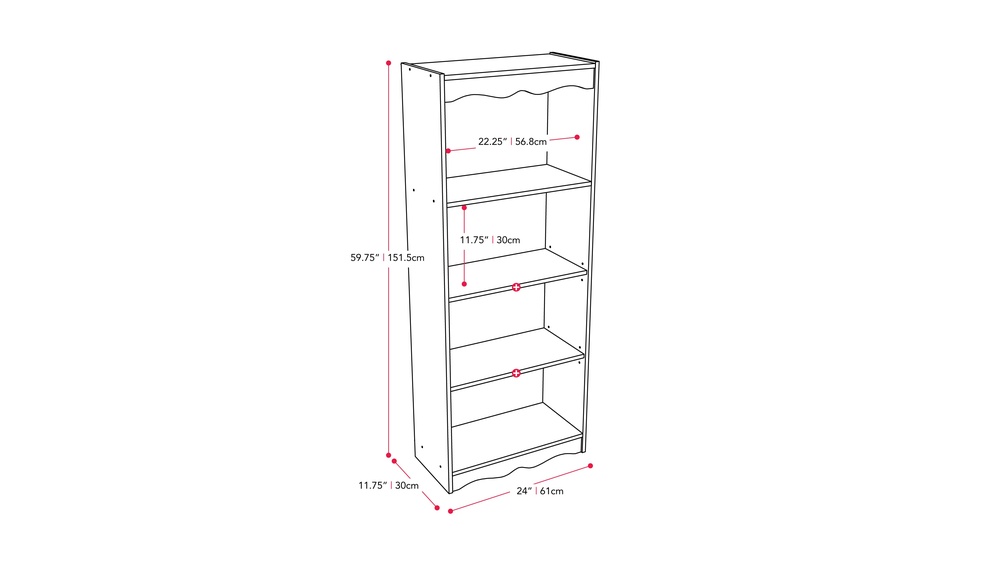
Measure the space where the bookshelf will go. Note the height, width, and depth. Keep enough room for books and decorations. Standard shelf depth is about 10 to 12 inches. Choose height based on your ceiling and furniture size.
Planning Shelf Layout
Decide how many shelves you need. Plan space between shelves for different book sizes. Include a few wider shelves for large books or objects. Think about balance and look. Even spaces create a clean design. Uneven shelves add a creative touch.
Sketching Your Design
Draw your bookshelf on paper or use a simple app. Mark all dimensions clearly. Add notes for pallet cuts and joints. A sketch helps you see the final look. It guides you while cutting and assembling the wood.
Assembling The Bookshelf
Assembling the bookshelf from pallets is a fun and practical step. This process turns separate wooden pieces into a strong, useful shelf. Careful assembly ensures your bookshelf holds books safely and looks great.
Follow clear steps to join the pieces, attach shelves, and secure stability. This makes the project easier and the final shelf durable.
Joining Pallet Pieces
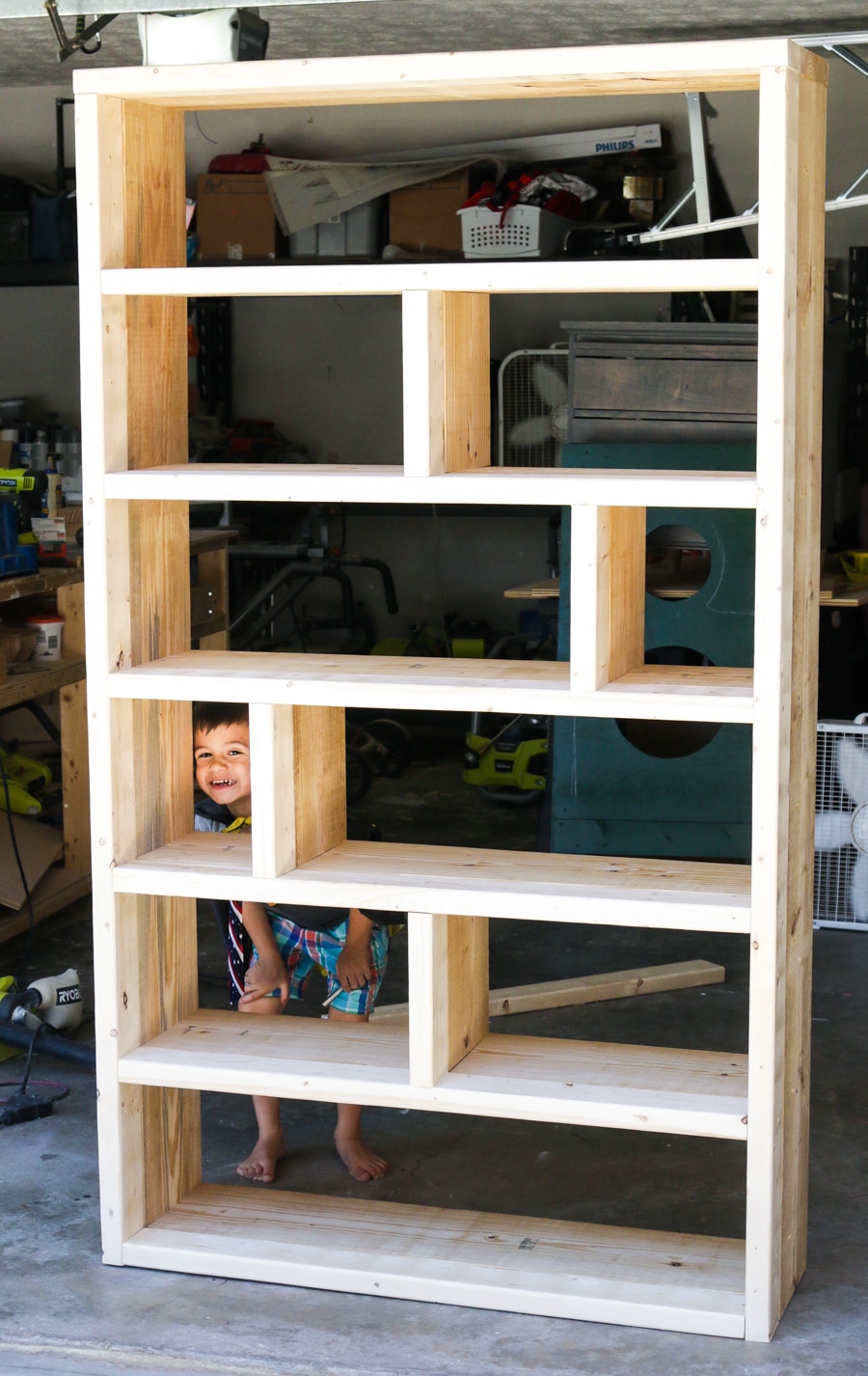
Start by arranging pallet pieces in the shape of your bookshelf. Use screws to connect the wood firmly. Drill pilot holes to avoid splitting the wood. Align edges carefully for a clean look. This creates a solid frame for your bookshelf.
Securing Shelves
Place shelves evenly within the frame. Use screws to fix each shelf in place. Check that shelves are level before tightening screws. Reinforce shelves by adding small wooden blocks underneath. This step ensures shelves hold heavy books safely.
Ensuring Stability
Attach the bookshelf to the wall using brackets. This prevents tipping and keeps it steady. Add corner braces inside for extra strength. Check all screws and joints for tightness. Stability protects your books and keeps your shelf strong for years.
Credit: jenwoodhouse.com
Finishing Touches
Finishing touches make your pallet bookshelf look great and last longer. These steps protect the wood and keep your shelf sturdy. Take your time here. A neat finish adds charm to your project.
Applying Paint Or Stain
Choose paint or stain to give color and style. Paint covers the wood completely and hides flaws. Stain lets the wood grain show through and looks natural. Use a brush or cloth for even coverage. Apply thin coats and let each dry well. This step improves the shelf’s appearance and helps protect the wood.
Adding Protective Coating
Seal the wood with a clear protective coat. Use polyurethane, varnish, or a wood sealer. This layer guards against scratches, moisture, and dirt. Apply it in thin, even layers. Allow each coat to dry before the next. This coating helps your bookshelf stay beautiful for years.
Installing Wall Support
Secure the bookshelf to the wall for safety. Use brackets or wall anchors suitable for your wall type. Mark spots carefully and drill holes. Attach the supports firmly to both wall and shelf. This step prevents tipping and keeps the shelf steady. Safety is important, especially in homes with kids or pets.
Maintaining Your Bookshelf
Maintaining your pallet bookshelf keeps it strong and looking good. Simple care helps it last longer and stay useful. Check it often to catch small problems early. A clean, well-kept shelf holds your books safely and adds charm to your space.
Regular Cleaning Tips
Dust your bookshelf with a soft cloth or duster. Wipe wooden surfaces gently to avoid scratches. Use a damp cloth for sticky spots, then dry quickly. Avoid harsh chemicals that can damage the wood. Clean shelves monthly to keep dust from building up.
Repairing Damage
Look for cracks, loose boards, or splinters regularly. Tighten any screws or nails that have loosened over time. Fill small cracks with wood filler and sand smooth once dry. Replace broken slats with new pallet wood pieces. Act fast to stop small damage from growing.
Extending Shelf Life
Keep your bookshelf out of direct sunlight to avoid fading. Avoid placing it near heaters or damp areas to prevent warping. Apply a clear wood sealant once a year for extra protection. Use coasters or mats under heavy items to prevent dents. Rotate books and objects to spread weight evenly.
Frequently Asked Questions
What Tools Are Needed To Build A Pallet Bookshelf?
You need basic tools like a saw, hammer, drill, measuring tape, and sandpaper. Safety gear is also important.
How Do You Prepare Pallets For Building A Bookshelf?
Inspect pallets for damage, remove nails, and sand surfaces smooth. This ensures safety and a clean finish.
What Type Of Wood Pallets Work Best For Bookshelves?
Choose hardwood pallets that are sturdy and free of chemicals. Avoid pallets marked with “MB” for safety.
How Long Does It Take To Build A Pallet Bookshelf?
Building a pallet bookshelf usually takes 4 to 6 hours depending on complexity and drying time.
Conclusion
Building a bookshelf from pallets is simple and rewarding. You save money and reuse wood that might be wasted. This project adds charm and style to any room. You only need basic tools and some patience. Try different designs to fit your space and needs.
Enjoy the process of creating something useful and unique. Pallet bookshelves show your creativity and care for the environment. Start today and see how easy it is to make your own shelf.