Imagine cozy evenings spent by your fireplace, surrounded by your favorite books neatly arranged within arm’s reach. Building a bookshelf next to your fireplace not only adds charm to your living space but also creates a functional spot for your collection.
If you’ve ever thought about customizing your own bookshelf, you’re in the right place. This guide will walk you through simple, clear steps to help you create a beautiful, sturdy bookshelf that fits perfectly beside your fireplace. Ready to transform your room and showcase your books in style?
Let’s get started!
Credit: www.honeybearlane.com
Planning Your Bookshelf
Building a bookshelf next to your fireplace starts with careful planning. This step helps you create a shelf that fits well and looks great. Planning saves time and avoids mistakes during construction. Focus on key details like space, style, and materials.
Measuring The Space
Measure the width and height of the wall next to the fireplace. Note any obstacles like vents or switches. Measure twice for accuracy. Think about how deep the shelves should be. This ensures your books and items fit well.
Choosing The Style
Decide the look that matches your room. Simple, modern shelves fit many spaces. Traditional styles add warmth and charm. Open shelves show off books and decor. Closed shelves hide clutter. Choose what fits your taste and room design.
Selecting Materials
Pick strong, durable wood like pine or oak. Wood looks natural and can be painted or stained. Consider plywood for a budget-friendly option. Avoid materials that warp near heat. Finish the wood to protect it from dust and damage.
Gathering Tools And Supplies
Before building a bookshelf next to your fireplace, gather all necessary tools and supplies. Preparation saves time and makes the process smooth. Having the right items ensures your bookshelf is sturdy and safe. Organize everything in one place for easy access during the project.
Essential Tools
Start with a tape measure to get accurate dimensions. A level keeps shelves straight and even. Use a drill for screws and anchors. A saw cuts wood to the correct size. Sandpaper smooths rough edges for a clean finish. A screwdriver helps tighten screws. A stud finder locates wall studs for strong support.
Recommended Materials
Choose solid wood or plywood for durability. Pick wood that matches your room’s style and color. Purchase wood screws and wall anchors for secure mounting. Use wood glue for extra strength. Select paint or stain to protect and decorate the shelves. Get shelf brackets or cleats for additional support if needed.
Safety Gear
Wear safety glasses to protect your eyes from dust and debris. Use ear protection during sawing or drilling. Put on gloves to avoid splinters and cuts. A dust mask keeps you from inhaling sawdust. Ensure you work in a well-ventilated area to stay safe.
Preparing The Area
Preparing the area is a crucial first step before building a bookshelf next to your fireplace. This process sets the stage for a smooth and safe project. Taking time to prepare ensures the final result looks great and fits perfectly.
Clearing The Space
Remove all furniture and items near the fireplace. This gives you plenty of room to work. Clear the floor to avoid tripping hazards. A clean space helps you focus on building the bookshelf.
Protecting The Fireplace
Cover the fireplace with a sturdy drop cloth or thick cardboard. This protects it from dust, scratches, and accidental damage. Use painter’s tape to hold the cover in place. Safety first keeps your fireplace in perfect condition.
Marking The Layout
Measure the area next to the fireplace carefully. Use a pencil to mark the bookshelf’s height, width, and depth on the wall and floor. Check these marks twice to avoid mistakes. Clear, visible marks guide your construction and ensure a good fit.
Building The Frame
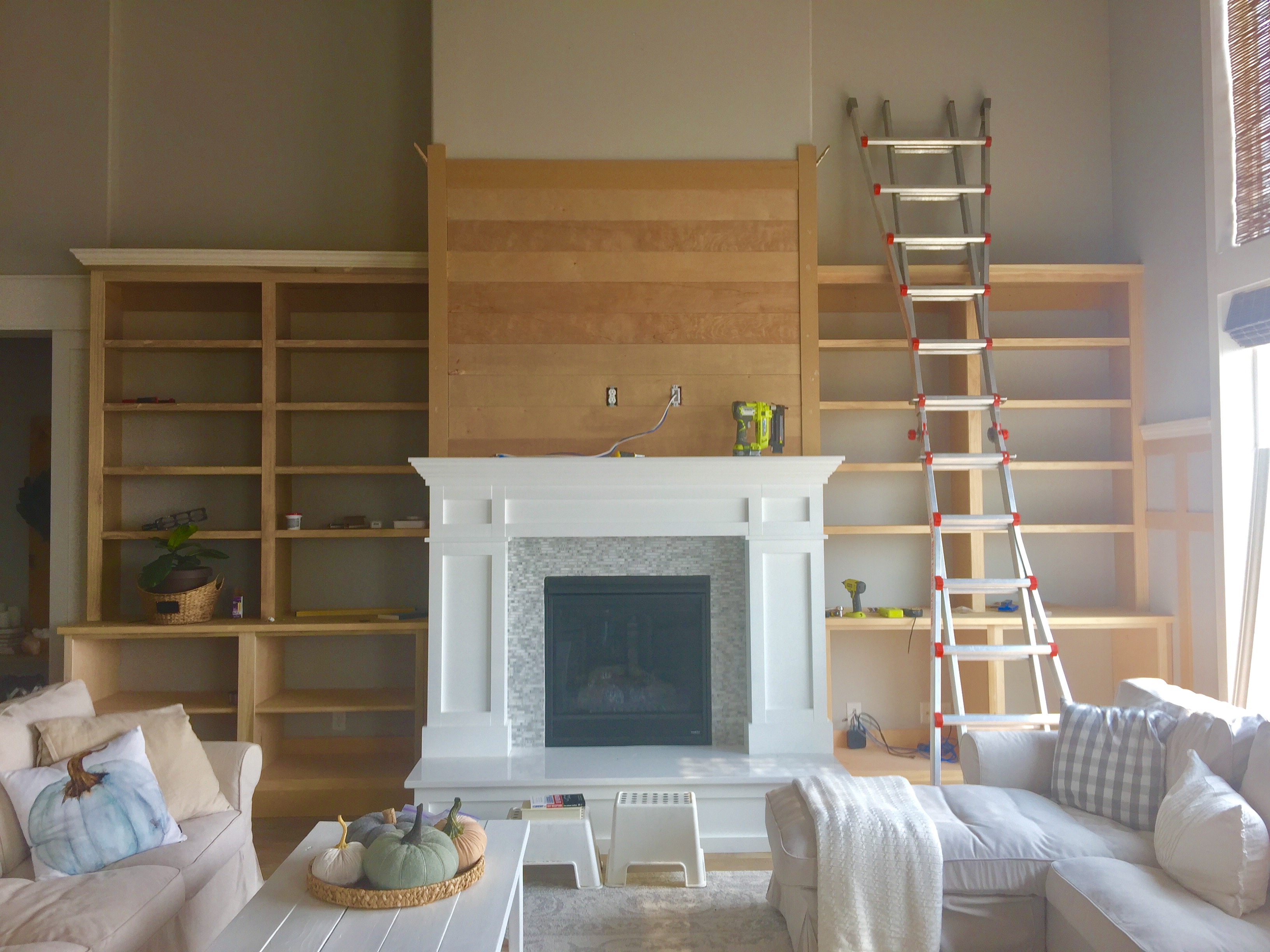
Building the frame is the first key step in creating a sturdy bookshelf next to your fireplace. This frame will hold the shelves and support the weight of your books. It must be strong and well-built to last many years. Careful measuring and cutting of wood pieces ensure everything fits perfectly.
The frame forms the skeleton of your bookshelf. Pay attention to the dimensions and angles. A solid frame keeps the entire structure stable and safe, especially near a heat source like a fireplace.
Cutting Wood Pieces
Start by measuring the space next to your fireplace. Mark the wood pieces according to these measurements. Use a saw to cut the wood carefully. Cut pieces for the sides, top, bottom, and shelves. Check each cut to keep edges straight and smooth. Proper cutting makes assembling easier and the frame stronger.
Assembling The Frame
Place the cut pieces on a flat surface. Begin by joining the two side panels with the top and bottom pieces. Use wood screws to connect the parts securely. Make sure the frame is square by measuring the corners. Add support beams inside the frame for extra strength. Tight joints prevent wobbling and ensure durability.
Securing To The Wall
Position the frame next to the fireplace wall. Use a level to keep it straight. Find wall studs using a stud finder. Attach the frame to these studs with long screws. This secures the bookshelf against tipping. Double-check the frame’s alignment and tightness. A well-secured frame is safe and reliable for holding books.
Adding Shelves
Adding shelves to your bookshelf next to the fireplace creates both style and storage. It helps organize books and decor neatly. Shelves also make the space look complete and balanced.
Careful planning and precise work ensure strong and level shelves. Follow simple steps for a perfect shelf installation.
Measuring Shelf Placement
Start by measuring the height and width of the space. Decide how many shelves you want based on your needs. Mark the desired height for each shelf on the wall. Keep space between shelves for books or decorations. Use a level to ensure marks are straight and even.
Installing Supports
Choose strong shelf supports to hold the weight safely. Attach supports to the wall at the marked points. Use a stud finder to locate wall studs for secure fixing. Drill pilot holes before screwing supports in place. Check that all supports line up perfectly and hold firm.
Attaching Shelves
Cut shelves to fit the measured space exactly. Sand edges for a smooth, finished look. Place each shelf on its supports carefully. Secure shelves with screws or brackets if needed. Double-check shelves are level and steady before placing items on them.
Credit: www.honeybearlane.com
Finishing Touches
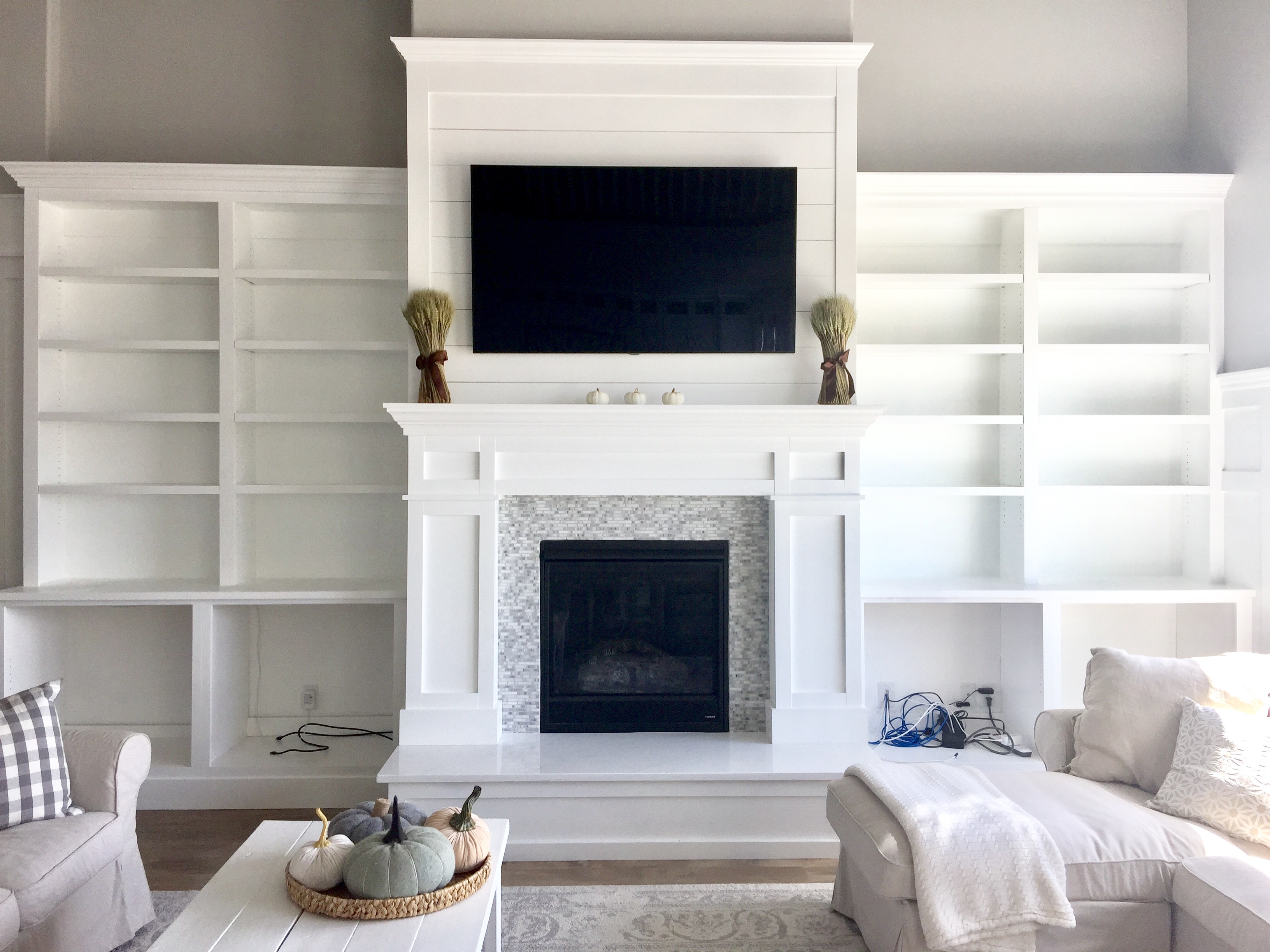
Finishing touches bring your bookshelf next to the fireplace to life. They protect the wood and add beauty. These final steps make your project look complete and polished.
Sanding And Smoothing
Start by sanding the entire bookshelf with fine-grit sandpaper. This removes rough spots and splinters. Smooth surfaces help paint or stain stick better. Wipe dust with a damp cloth before moving on.
Painting Or Staining
Choose paint or stain that matches your room’s style. Paint gives a solid color and hides wood grain. Stain enhances the natural wood look. Apply evenly with a brush or cloth. Let it dry fully between coats.
Decorative Details
Add trim, molding, or corner brackets for extra charm. These small touches make your bookshelf unique. Consider simple designs for a clean look. Secure details with nails or wood glue. Finish with the same paint or stain for consistency.
Maintaining Your Bookshelf
Maintaining your bookshelf next to the fireplace keeps it looking good and lasting longer. Fireplaces create heat and smoke, which can affect your wood and books. Regular care helps protect your shelf from damage and keeps it neat.
Regular Cleaning Tips
Dust your bookshelf often using a soft cloth or duster. Clean between the shelves to avoid buildup. Wipe wood surfaces with a damp cloth to remove stains. Dry the wood right after cleaning to stop water damage. Keep books clean by dusting their covers gently.
Preventing Damage
Keep a safe distance between the bookshelf and the fireplace. Heat can dry and crack the wood over time. Avoid placing wet items on the shelves to stop warping. Use bookends to keep books upright and prevent falls. Check shelves for signs of wear and fix small problems early.
Updating The Design
Change the look of your bookshelf by adding new paint or stain. Try adding decorative items like plants or small art pieces. Rearrange books and items to create a fresh display. Swap old handles or knobs for new ones to update style. Small updates make your shelf feel new and inviting.

Credit: lucyjohome.com
Frequently Asked Questions
How Do I Measure Space For A Fireplace Bookshelf?
Measure the available wall space next to your fireplace. Consider height, width, and depth for a perfect fit. Account for fireplace clearance and room flow to ensure safety and functionality.
What Materials Are Best For A Fireplace Bookshelf?
Use heat-resistant materials like hardwood or metal. Avoid flammable or low-quality wood near heat sources. Proper finishing protects wood from heat damage and enhances durability.
How To Ensure Bookshelf Safety Near A Fireplace?
Maintain a safe distance between the fireplace and bookshelf. Use fire-retardant paint or sealants. Avoid placing books or decor too close to heat to prevent fire hazards.
Can I Build A Custom Bookshelf Next To My Fireplace?
Yes, custom bookshelves fit unique spaces perfectly. Design considering fireplace dimensions and room style. Custom builds maximize storage and complement your decor.
Conclusion
Building a bookshelf next to your fireplace adds charm and function. You can store books, decor, or keepsakes nearby. It also uses space that might go unused. Simple tools and some patience make the task doable. Take your time to measure and fit pieces well.
The result will look great and feel cozy. Enjoy your new shelf and the warm atmosphere it brings.