Do you struggle with weak AM radio signals on your bookshelf system? You’re not alone.
A poor signal can ruin your listening experience, leaving you with static and dropped stations. But what if you could boost that signal easily and enjoy clear, crisp sound every time? You’ll discover simple, practical tips to improve your AM radio reception.
By the end, your favorite stations will come through stronger, making your listening sessions more enjoyable. Keep reading to find out how to transform your bookshelf system into a powerful AM radio receiver.
Choosing The Right Am Radio
Choosing the right AM radio is key to improving signal quality on your bookshelf system. Not all radios work the same. Some pick up signals better than others. Finding one suited for your setup can make a big difference in sound clarity and strength.
Factors Affecting Signal Reception
The antenna type matters a lot. Longer antennas often catch signals better. Placement also affects reception. Keep the radio away from walls and metal objects. Electrical devices nearby can cause interference. Choose a radio with noise reduction features. Sensitivity of the tuner influences how well weak signals are received. A radio with manual tuning lets you adjust precisely.
Best Models For Bookshelf Systems
Look for compact radios designed for indoor use. Radios with built-in ferrite bar antennas work well on shelves. Some models offer adjustable antennas and clear displays. Digital tuners help find exact frequencies quickly. Choose radios with good speaker quality or line-out options. Brands with solid reviews for AM reception are safer bets. Avoid bulky or outdated models that struggle with signal clarity.

Credit: www.amazon.com
Optimizing Antenna Placement
Optimizing antenna placement is key to improving AM radio signals on a bookshelf system. Small changes in where you place the antenna can make a big difference in signal quality. This section explains simple steps to get better reception by positioning the antenna correctly.
Ideal Locations On A Bookshelf
Place the antenna near a window. Windows let radio waves pass through better than walls. Avoid metal objects and electronics that cause interference. Keep the antenna high on the shelf, away from thick books and furniture. Clear space around the antenna improves signal strength. Test different spots to find the best reception.
Using External Antennas
External antennas can boost AM radio signals significantly. Connect a larger antenna outside or near a window for stronger signals. Use insulated wire as a simple external antenna by stretching it along a wall. Make sure the wire is straight and away from metal surfaces. External antennas reduce interference and increase clarity.
Minimizing Interference
Minimizing interference is key to improving AM radio signals on a bookshelf system. Interference causes static and weak sound. It blocks clear reception and reduces listening quality.
Understanding interference sources helps in reducing noise. Small changes in your setup can make a big difference. Below are ways to spot and reduce interference for better AM radio performance.
Identifying Common Sources
Many devices cause interference with AM radios. Household electronics like computers, routers, and fluorescent lights are common culprits.
Power cords and chargers near the radio can also create noise. Electrical wiring inside walls sometimes adds to interference.
Nearby radio towers or strong radio stations may cause signal clashes. Even some kitchen appliances can disrupt signals.
Strategies To Reduce Noise
Place your AM radio away from electronics. Keep it at least three feet from devices like routers and TVs.
Try moving the radio to different shelves or corners. Find spots with fewer wires and less metal nearby.
Use shielded power cords and avoid running them close to the radio. Turn off unused electronic devices to cut down noise.
Adjust the antenna direction slowly. Small changes can reduce interference and improve reception.
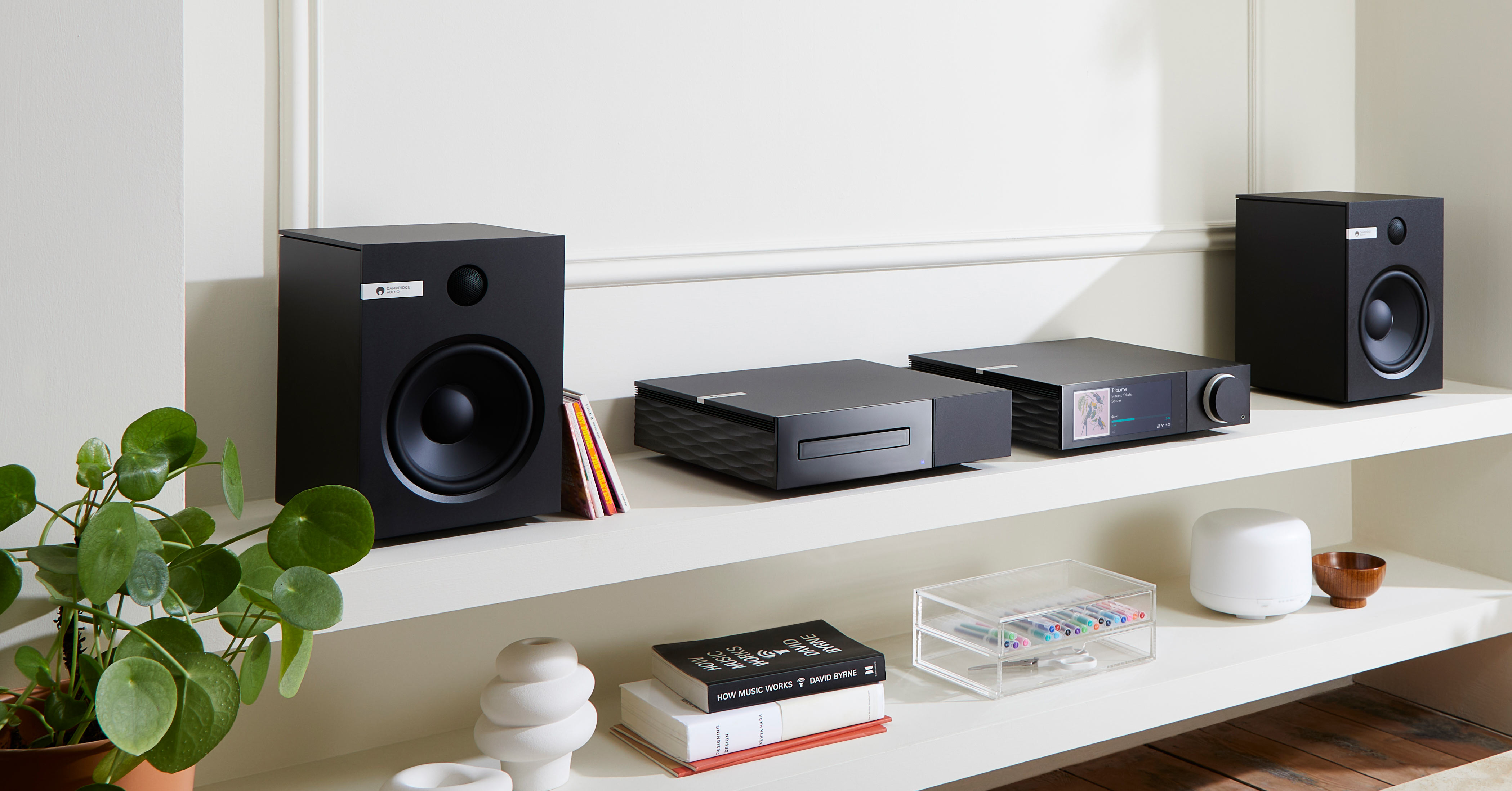
Credit: www.crutchfield.com
Using Signal Boosters
Using signal boosters can improve the AM radio signal on your bookshelf system. These devices increase the strength of weak radio waves. This helps reduce static and interference. A clearer sound makes listening more enjoyable. Signal boosters are easy to use and install.
Types Of Amplifiers
There are different types of amplifiers for AM radios. A common type is the inline amplifier. It connects between the antenna and radio. Another type is the powered amplifier. This uses electricity to boost the signal more strongly. Some amplifiers come with adjustable gain. This lets you control how much the signal is increased. Choose an amplifier that fits your setup and needs.
Installation Tips
Place the amplifier close to the antenna for best results. Use good quality coaxial cables to connect the parts. Avoid running cables near power cords or other electronics. This can cause noise in the signal. Make sure all connections are tight and secure. Test the radio after installing and adjust the amplifier’s gain if needed. Keep the amplifier in a dry, cool spot to avoid damage.
Adjusting System Settings
Adjusting system settings is a key step to improve AM radio signals on a bookshelf system. Small changes can make a big difference in sound quality and reception. Focus on fine-tuning your system to reduce noise and enhance clarity.
Tuning For Clearer Reception
Start by carefully tuning the radio dial. Move slowly across the frequency to find the clearest signal. Avoid rushing, as a slight shift can reduce static and interference. Use the fine-tuning knob if your system has one. This helps lock onto the station more precisely. Position the antenna for the best reception angle. Experiment with different directions to get the strongest signal.
Balancing Volume And Clarity
Set the volume to a moderate level. Too high volume can cause distortion and static. Lower volume helps hear the station without noise. Adjust the bass and treble controls if available. Reduce bass to prevent muffled sound. Increase treble slightly for sharper clarity. Find a balance that makes voices and music clear without harshness.
Additional Accessories
Additional accessories can improve your AM radio signal on a bookshelf system. Small tools help reduce interference and noise. These accessories are easy to install and affordable. They make a noticeable difference in sound quality.
Ferrite Beads And Filters
Ferrite beads block unwanted radio signals and electrical noise. Attach them to your radio’s power or antenna cables. They absorb high-frequency interference that disturbs AM signals. Use several beads along the cable for better effect. These simple devices clean up the signal and improve clarity.
Upgrading Cables
Old or cheap cables can weaken your AM signal. Use shielded cables to protect against interference. Look for cables with thick insulation and good connectors. High-quality cables reduce signal loss and noise. Replacing worn cables often leads to clearer and stronger radio reception.
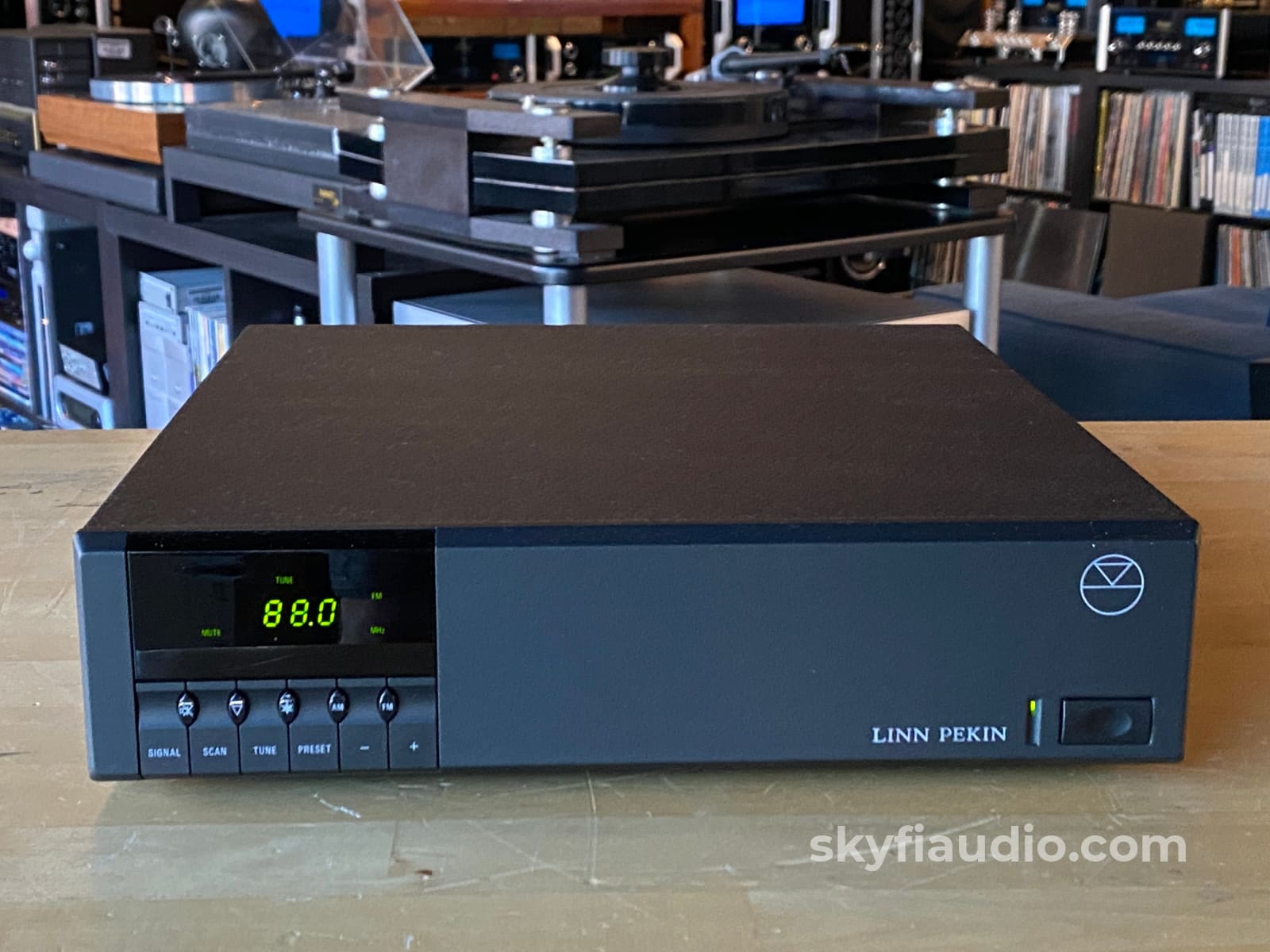
Credit: skyfiaudio.com
Frequently Asked Questions
How Can I Improve Am Radio Reception On A Bookshelf System?
Place the bookshelf system near a window to reduce interference. Use an external AM antenna for stronger signal capture. Avoid placing the system near electronic devices that cause noise.
What Type Of Antenna Works Best For Am Radio Signals?
A long wire antenna or a loop antenna is ideal. These antennas capture AM signals more efficiently than built-in antennas. Position the antenna vertically for optimal reception.
Does Repositioning The Bookshelf System Affect Am Signal Quality?
Yes, moving the system can reduce signal blockage and interference. Try different spots to find where the signal is strongest. Elevating the system can also help improve reception.
Can Using A Signal Booster Enhance Am Radio On Bookshelf Systems?
Yes, signal boosters amplify weak AM signals for clearer sound. They are especially useful in areas with poor reception. Ensure the booster is compatible with your system.
Conclusion
Boosting your AM radio signal on a bookshelf system takes some simple steps. Try adjusting the antenna position for clearer sound. Keep the radio away from other electronics to reduce noise. Using a longer wire can help catch more signals.
Remember, small changes can make a big difference. Enjoy better radio reception with these easy tips. Keep experimenting until you find what works best for your setup. Clearer sound is just a few tweaks away.