Are you dreaming of a large bookshelf that fits perfectly in your space and holds all your favorite books and treasures? Designing one might seem overwhelming, but it doesn’t have to be.
With the right approach, you can create a stunning, sturdy bookshelf tailored just for you. In this guide, you’ll discover simple steps and smart tips that make the process easy and enjoyable. Stick with me, and by the end, you’ll feel confident to design a bookshelf that not only looks great but also suits your lifestyle perfectly.
Let’s get started!

Credit: www.amazon.com
Planning Your Bookshelf
Planning your bookshelf is the first step to creating a useful and attractive storage space. It helps you avoid mistakes and save time. Careful planning ensures the bookshelf fits well and holds all your books and items safely. Think about how you want the shelf to look and function before building.
Choosing The Right Location
Select a spot that gets good light but not direct sun. Too much sunlight can damage books over time. Pick a wall that has enough space for the shelf size you want. Avoid places with high humidity or near heating vents. These can harm your books and the shelf material.
Measuring Space Accurately
Use a tape measure to find the exact height, width, and depth of your space. Write down these numbers carefully. Measure twice to avoid errors. Think about any obstacles like doors, windows, or baseboards. These details affect the shelf’s size and placement.
Deciding Shelf Dimensions
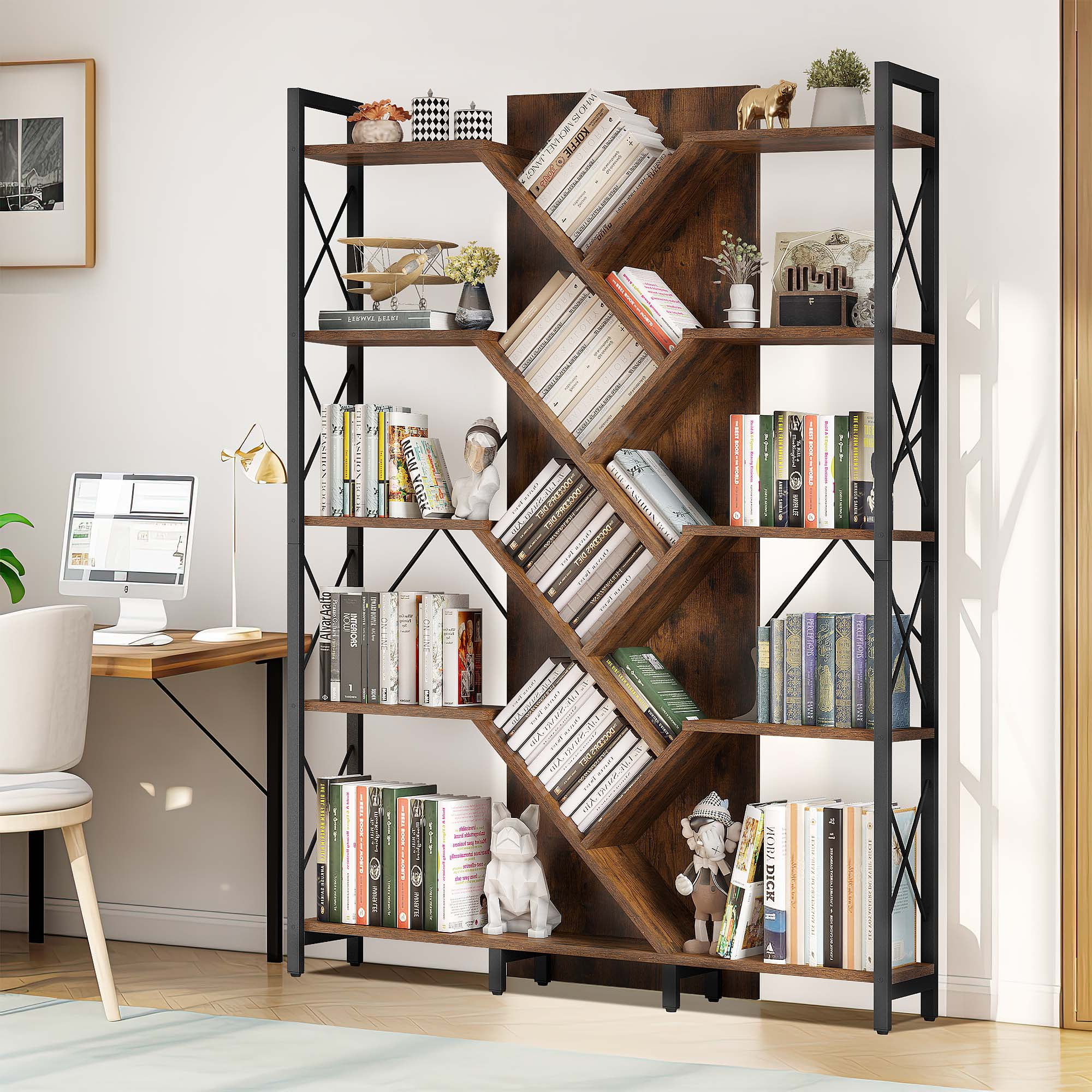
Think about the size and number of books you have. Tall books need higher shelves. Small books fit on shorter shelves. Plan enough depth to hold large books or decorations. Standard depth is usually 10 to 12 inches. Make shelves strong enough to carry heavy items without sagging.
Credit: www.walmart.com
Selecting Materials
Selecting the right materials is a key step in designing a large bookshelf. The materials affect the shelf’s strength, style, and durability. Choosing good quality materials ensures the bookshelf lasts long and looks great.
Consider the wood type, finishes, hardware, and eco-friendly options. Each choice changes the final look and function of the bookshelf. Think about where you will place the shelf and what it will hold.
Types Of Wood And Finishes
Wood is the main material for most bookshelves. Common options include pine, oak, maple, and plywood. Pine is soft and easy to work with. Oak and maple are harder and more durable. Plywood is strong and cost-effective for large shelves.
Finishes protect wood and add style. Stains bring out wood grain and color. Paint offers a smooth, colorful surface. Clear varnish or polyurethane protects without changing the wood’s look. Choose a finish that fits your room’s style and use.
Hardware And Fasteners
Hardware holds the bookshelf together and supports its weight. Use strong screws and nails for stability. Corner brackets add extra support for heavy shelves. Choose metal or plastic shelf pins to hold adjustable shelves. Pick hardware that matches your bookshelf’s style and strength needs.
Eco-friendly Options
Eco-friendly materials reduce harm to the environment. Look for wood certified by organizations like FSC. Reclaimed wood gives old wood a new life. Use low-VOC paints and finishes to keep indoor air clean. Choosing green materials helps protect nature and creates a safer home.
Design Styles And Features
Choosing the right design style and features is key to building a large bookshelf. The style sets the tone of the room. Features add function and personality. A well-designed bookshelf balances looks with practical use.
Consider the overall room decor before deciding the style. Think about what you want to store. Books, decor items, or a mix? These choices guide your design features. Adjustable shelves or decorative touches can enhance both beauty and utility.
Modern Vs Traditional Designs
Modern designs have clean lines and simple shapes. They often use materials like metal and glass. The look is sleek and minimal. Colors tend to be neutral or bold with little detail.
Traditional designs show more detail and craftsmanship. Wood is the most common material. Carvings, moldings, and classic shapes add charm. Colors are usually warm and natural.
Decide if you want a bold or cozy look. Match the bookshelf style with your room’s mood.
Incorporating Adjustable Shelves
Adjustable shelves offer flexibility. You can change shelf height to fit different items. This is useful for books of varying sizes. It also allows space for decor objects or boxes.
Look for shelves with easy-to-move pegs or brackets. Adjustable shelves extend the bookshelf’s life. They adapt as your storage needs change.
Adding Decorative Elements
Decorative elements make the bookshelf stand out. Crown molding or carved details add elegance. Paint or stain can highlight the wood grain or add color.
Consider lighting options like LED strips. They brighten shelves and highlight items. Decorative backing, such as wallpaper or fabric, adds texture and depth.
Choose elements that suit your style. Keep decorations balanced to avoid clutter.
Construction Techniques
Building a large bookshelf requires smart construction techniques. These techniques help make the bookshelf strong and long-lasting. Focus on cutting and preparing wood, choosing the right joinery methods, and ensuring stability and support. Each step matters for a sturdy final product.
Cutting And Preparing Wood
Start by measuring your wood carefully. Use sharp tools to make clean cuts. Sand edges to smooth rough surfaces. This prevents splinters and helps wood fit well. Check each piece for straightness before assembly.
Joinery Methods
Select joinery types that hold weight and stay secure. Common methods include dowels, screws, and biscuits. Use wood glue with joints for extra strength. Avoid nails alone; they can loosen over time. Tight joints keep shelves steady and safe.
Ensuring Stability And Support
Large bookshelves need strong support to hold heavy books. Add a back panel to prevent wobbling. Use brackets or braces at key points. Make sure shelves rest on sturdy supports, not just nails. Check stability during building to avoid future problems.
Finishing Touches
Finishing touches make a large bookshelf look complete and polished. These final steps improve both style and function. Small details can change the entire feel of your bookshelf.
Sanding And Painting
Sanding smooths the wood surface and removes rough spots. Use fine-grit sandpaper for a clean finish. Sand in the direction of the wood grain to avoid scratches.
Choose paint or stain that matches your room’s style. Light colors open up space and create a fresh look. Dark colors add warmth and a classic feel. Apply paint evenly with a brush or roller. Let each coat dry fully before adding another layer.
Installing Lighting
Lighting highlights your books and decorative items. LED strip lights fit well under shelves for soft illumination. Small spotlights create focused light on special pieces.
Choose warm white bulbs for a cozy atmosphere. Install switches in easy-to-reach places for convenience. Proper lighting makes your bookshelf both beautiful and useful.
Organizing Books And Accessories
Arrange books by size, color, or topic for easy access. Mix vertical stacks with horizontal piles for visual interest. Use bookends to keep books upright and tidy.
Add plants, photos, or art to personalize the shelves. Balance items so no shelf looks too crowded. Clear spaces give the eye a place to rest.
Maintenance Tips
Maintaining a large bookshelf keeps it looking good and lasting longer. Regular care helps avoid damage and keeps your books safe. Simple steps make the bookshelf a lasting part of your room.
Cleaning And Dusting
Dust gathers quickly on large bookshelves. Use a soft cloth or duster to clean shelves weekly. Avoid wet cloths that can damage wood surfaces. Clean corners and edges carefully to remove all dust. A vacuum with a brush tool works well for hard-to-reach spots.
Repairing Wear And Tear
Scratches and dents happen over time. Fill small holes or cracks with wood filler. Sand rough spots gently to smooth the surface. Tighten loose screws and fix wobbly shelves immediately. Early repairs prevent bigger problems later.
Upgrading Over Time
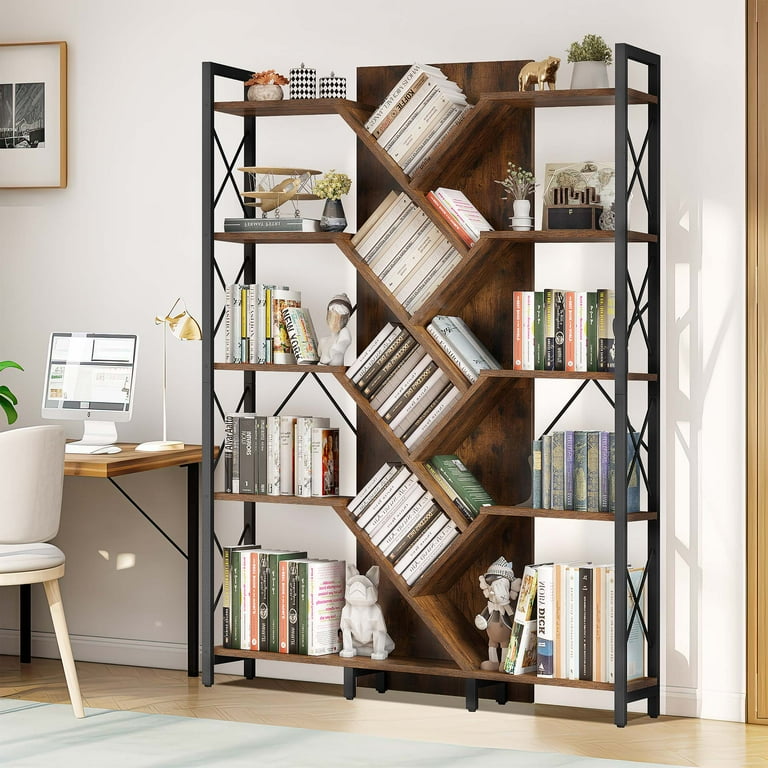
Change your bookshelf as your needs grow. Add extra shelves if you need more space. Paint or stain the wood to refresh its look. Replace old handles or knobs for a new style. Small upgrades keep the bookshelf useful and attractive.
Credit: www.walmart.com
Frequently Asked Questions
What Materials Are Best For A Large Bookshelf?
Solid wood and plywood are ideal for large bookshelves. They offer durability and support heavy loads. Metal frames add strength and modern style. Choose materials based on weight capacity, aesthetics, and budget for long-lasting results.
How Do I Measure Space For A Large Bookshelf?
Measure height, width, and depth of the intended space. Leave extra clearance for air circulation and accessibility. Consider ceiling height and room layout. Accurate measurements ensure the bookshelf fits perfectly without overcrowding the room.
What Design Styles Suit Large Bookshelves?
Popular styles include modern, rustic, industrial, and traditional. Match the bookshelf design with your room’s decor for harmony. Open shelving offers a light feel, while closed cabinets hide clutter. Choose a style that reflects your taste and function needs.
How Can I Ensure A Large Bookshelf Is Sturdy?
Use thick shelves and strong supports like brackets or dowels. Secure the bookshelf to the wall for stability. Proper joinery and quality fasteners prevent wobbling. Regularly check and tighten screws to maintain sturdiness over time.
Conclusion
Designing a large bookshelf takes planning and care. Choose strong materials that fit your space well. Measure twice to avoid mistakes later. Think about shelf height for different books and items. Add support to keep shelves sturdy and safe. A well-made bookshelf lasts for many years.
It keeps your books neat and easy to find. Enjoy building a shelf that suits your style and needs. Small steps lead to great results. Start your project with confidence and patience.
