Are you worried about the stability of your bottom bunk bed? You’re not alone.
A wobbly or weak bottom bunk can make sleep uncomfortable and even unsafe. But don’t worry—there are simple and effective ways to add strong support to your bottom bunk bed. You’ll discover practical solutions that fit your budget and space, helping you create a cozy, secure sleeping spot.
Keep reading to find out exactly what you can use to boost your bottom bunk’s support and sleep peacefully every night.
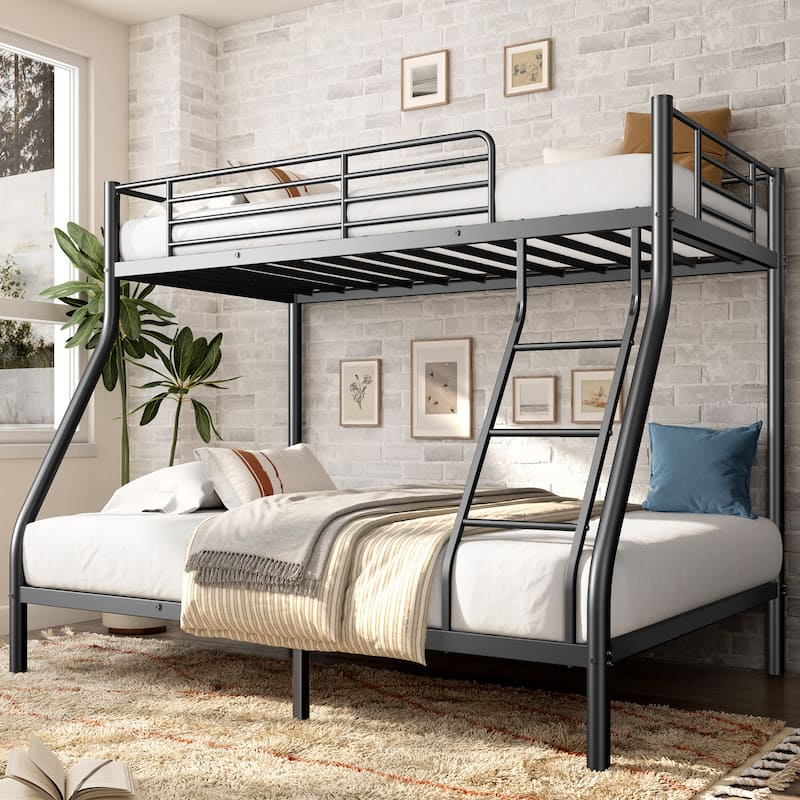
Credit: www.overstock.com
Common Bottom Bunk Supports
Choosing the right support for a bottom bunk bed is important. It affects comfort and safety. Common supports vary in materials and design. Each type offers unique benefits. Understanding these helps you pick the best option for your needs.
Wooden Slats
Wooden slats are popular for bottom bunk beds. They are thin, flat pieces of wood placed across the bed frame. Slats provide strong, flexible support. They allow air to pass through, keeping the mattress fresh. Wood slats are easy to install and replace. They fit well in many bunk bed designs.
Metal Frames
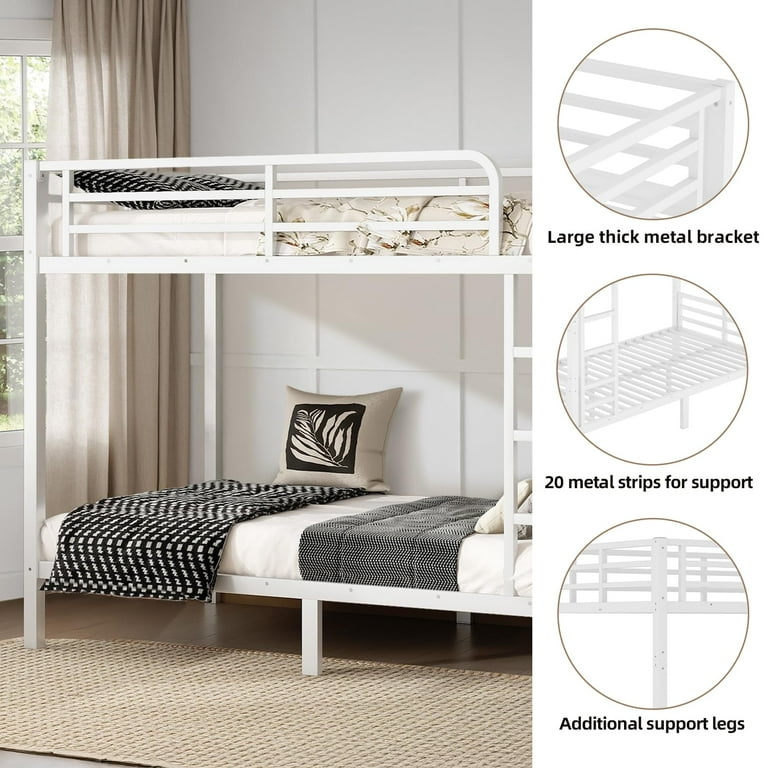
Metal frames offer sturdy support for bottom bunks. They are usually made of steel or iron. Metal frames resist bending and breaking. They last longer than wood in many cases. These frames often include a grid or mesh design. This helps distribute weight evenly across the mattress.
Plywood Sheets
Plywood sheets provide solid, flat support under the mattress. They are strong and prevent mattress sagging. Plywood is an affordable choice and easy to cut. It fits well inside the bed frame. Using plywood can increase mattress lifespan by giving stable support.
Factors To Consider For Support
Choosing the right support for a bottom bunk bed is important. The support must hold weight safely. It also needs to last a long time. Easy setup saves time and stress. These factors help find the best support for your bed.
Weight Capacity
Check the maximum weight the support can hold. It should be higher than the bed user’s weight. This prevents damage or accidents. Strong support keeps the bed stable and safe.
Durability
Look for materials that last long. Wood and metal are common choices. They resist bending and breaking. Good durability means less need for repairs.
Ease Of Installation
Choose support that is simple to install. Clear instructions and fewer parts help. Quick installation means the bed is ready to use faster. It also reduces frustration during setup.
Diy Support Solutions
DIY support solutions can strengthen your bottom bunk bed without much cost. These fixes use simple materials and tools you can find at home or local stores. You can make the bed safer and more stable with easy steps. Here are some popular DIY methods to try.
Using Pallets
Pallets are sturdy and strong. Place them under the mattress to add support. They help spread weight evenly across the bed frame. Pallets also raise the mattress, creating more airflow. Sand down rough edges to avoid splinters. Paint or stain the pallets to match your room.
Adding Extra Slats
Extra slats give more strength between the bed frame sides. Measure the space to cut wood pieces that fit well. Lay the slats evenly across the frame. Screw or nail them in place for better hold. This method stops mattress sagging and improves comfort. Choose wood that is thick and solid.
Reinforcing With Brackets
Metal brackets support weak corners or joints. Attach brackets inside the frame at points that need help. Use screws that fit the bracket holes securely. Brackets stop the bed from wobbling or creaking. This fix is quick and adds long-lasting strength. Choose brackets sized for your bed frame.
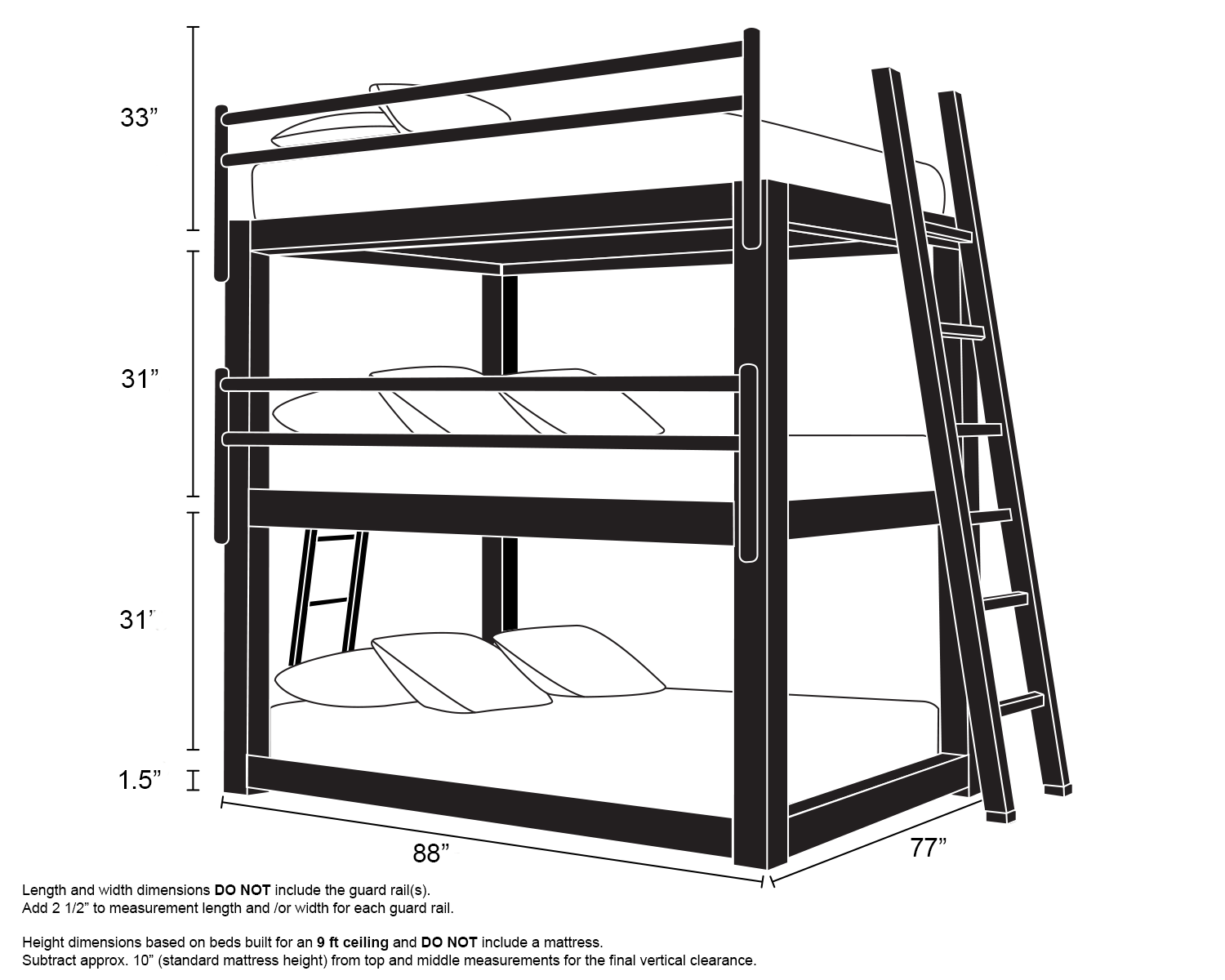
Credit: adultbunkbeds.com
Specialized Support Options
Specialized support options help keep the bottom bunk bed strong and safe. These options provide extra firmness and stop the mattress from sagging. They also make the bed last longer and feel more comfortable.
Bunkie Boards
Bunkie boards are thin, flat boards placed under the mattress. They offer even support without adding much height. These boards prevent the mattress from dipping between bed slats. They work well for bunk beds with wide gaps. Bunkie boards are easy to install and affordable.
Box Springs
Box springs are a classic support choice for beds. They consist of a wooden frame with springs inside. Box springs absorb shock and add bounce to the mattress. They raise the mattress height for easier access. Use box springs only if the bunk bed frame allows extra height.
Adjustable Bed Frames
Adjustable bed frames let you change the bed’s position. They provide support while allowing the head or feet to rise. These frames fit well with modern bunk beds. They offer comfort and support for reading or relaxing. Adjustable frames are sturdy and improve mattress life.
Tips To Maintain Bottom Bunk Support
Maintaining strong support for the bottom bunk bed is important. It keeps the bed safe and comfortable for sleeping. Small actions help the bed last longer and avoid problems.
Follow these tips to keep the bottom bunk support steady and reliable. Regular care prevents damage and keeps the bed secure.
Regular Inspections
Check the bed frame and slats often. Look for cracks, bends, or broken parts. Find loose screws or wobbly areas quickly. Early detection helps fix small issues before they become big problems.
Tightening Screws And Bolts
Use a screwdriver or wrench to tighten all screws and bolts. Do this every few months or after moving the bed. Tight parts keep the bed frame firm and stop it from shaking.
Avoiding Excessive Weight
Do not put too much weight on the bottom bunk. Follow the weight limit set by the manufacturer. Too much weight can break the frame or slats. Spread the weight evenly to protect the bed support.
Common Mistakes To Avoid
Choosing the right support for the bottom bunk bed is important. Many people make mistakes that weaken the bed and cause problems. Knowing what to avoid helps keep the bed safe and sturdy. This section explains common errors to watch out for.
Ignoring Weight Limits
Every bottom bunk has a weight limit. Exceeding this limit causes damage to the bed frame and support. Ignoring weight limits can lead to broken slats or a collapsed bed. Always check the weight capacity before use.
Using Inadequate Materials
Using weak or cheap materials for support is risky. Thin wood or poor metal can bend or break easily. Choose strong materials like hardwood or steel for better support. Good materials increase safety and last longer.
Poor Installation Practices
Installing supports incorrectly weakens the bed’s stability. Loose screws, wrong parts, or uneven placement cause problems. Follow instructions carefully and tighten all bolts. Proper installation keeps the bottom bunk safe and firm.
Credit: www.walmart.com
Frequently Asked Questions
What Materials Provide Best Support For Bottom Bunk Beds?
Wooden slats, metal frames, and plywood sheets offer strong support. These materials distribute weight evenly and prevent sagging for a safe sleep.
Can I Use A Bunkie Board Under Bottom Bunk Mattress?
Yes, a bunkie board provides excellent flat support. It is thin, sturdy, and ideal for bunk beds with limited clearance.
How Do I Reinforce A Bottom Bunk Bed Frame?
Add extra wooden slats or metal brackets. Secure them tightly to the frame to increase stability and weight capacity safely.
Are Box Springs Suitable For Bottom Bunk Beds?
Box springs are usually too bulky for bunk beds. They can reduce head clearance and may not fit the frame properly.
Conclusion
Choosing the right support for a bottom bunk bed matters a lot. Strong slats or a solid base keep the bed sturdy and safe. Avoid weak materials that can break easily. Adding extra support can prevent sagging and noise. Simple tools and parts make the job easier.
A well-supported bed helps you sleep better and lasts longer. Think about your space and weight needs. Good support makes bunk beds comfortable and secure. Take time to pick the best option for your bed. Safe sleep starts with strong support.