Are you thinking about adding more sleeping space without taking up too much room? Building a bunk bed twin over queen might be the perfect solution for your home.
Imagine having a cozy twin bed stacked above a spacious queen, giving you comfort and saving space at the same time. This guide will show you exactly how to create a sturdy, stylish bunk bed that fits your needs. Keep reading, and you’ll learn simple steps to build a bed that’s safe, strong, and perfect for your family or guests.
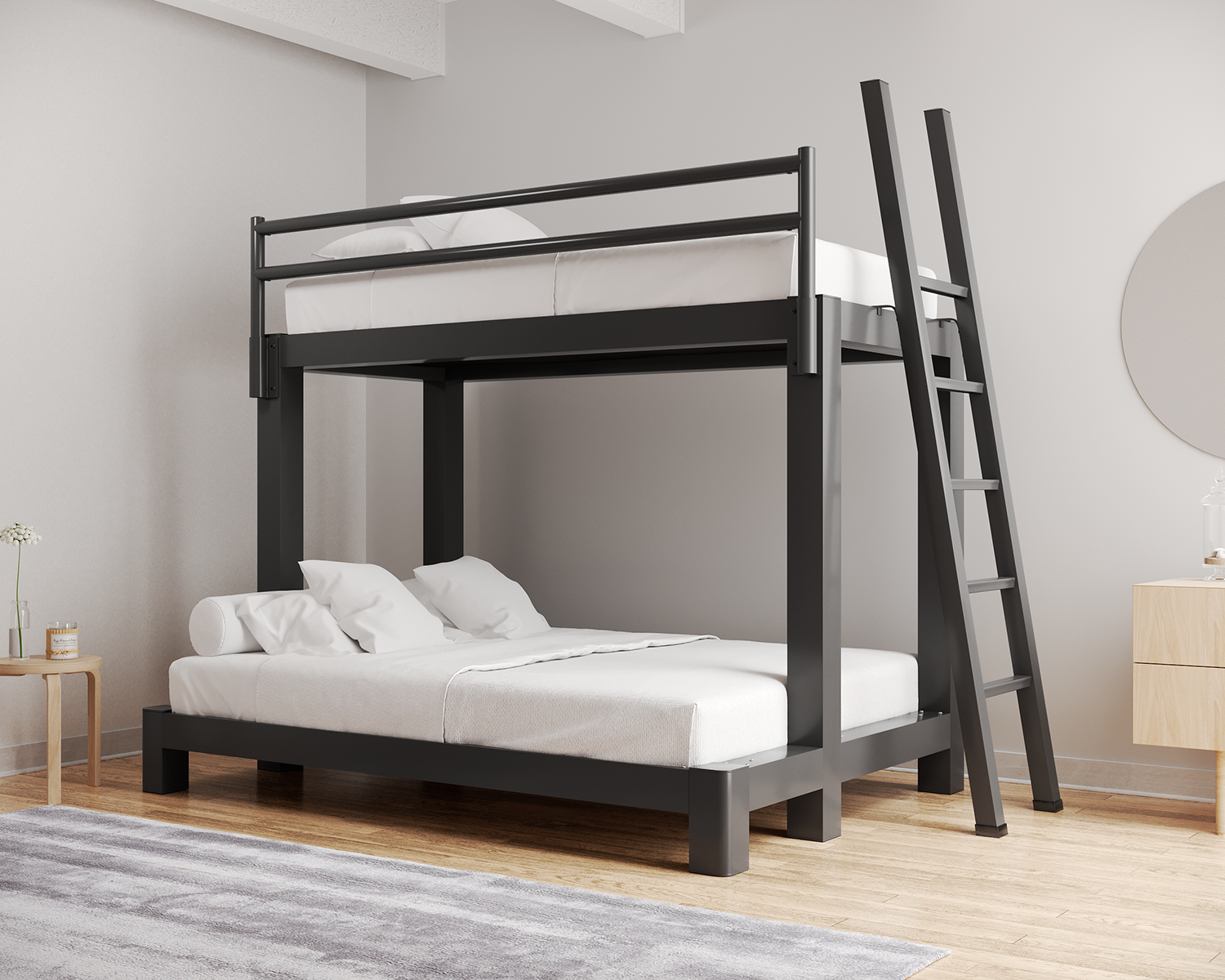
Credit: adultbunkbeds.com
Planning Your Bunk Bed
Planning your bunk bed is the first step to a successful build. It helps avoid mistakes and saves time. Careful planning ensures the bed fits well and stays safe for use. Think about the room size, materials, and design. Good planning leads to a sturdy and comfortable bunk bed.
Choosing The Right Materials
Select strong wood like pine or oak for durability. Avoid soft or weak wood that can break easily. Use quality screws and bolts to hold the bed firmly. Sand the wood smooth to prevent splinters. Paint or seal the wood to protect it from wear.
Measuring Space And Dimensions
Measure the room’s height, width, and length accurately. Allow extra space for ladders and safety rails. Check the size of the twin mattress and queen mattress. Make sure the top bunk has enough headroom to sit up. Confirm the bed fits without blocking doors or windows.
Designing For Safety And Comfort
Add guardrails on the top bunk to prevent falls. Use a sturdy ladder that is easy to climb. Keep enough space between the bunks for comfort. Avoid sharp edges by rounding corners. Plan for good ventilation and lighting around the bed.

Credit: www.amazon.com
Gathering Tools And Supplies
Building a twin over queen bunk bed needs careful planning. Gathering the right tools and supplies first makes the project easier. Having everything ready saves time and helps avoid mistakes. This section guides you on what tools to get, choosing good hardware, and setting up a safe workspace.
Essential Tools List
Start with basic tools for woodwork and assembly. You need a drill for making holes and driving screws. A circular saw or handsaw will cut wood pieces to size. A measuring tape ensures accurate dimensions. Sandpaper smooths rough edges. A level helps keep the bed balanced. Clamps hold parts steady while you work. Screwdrivers and a hammer are also important.
Selecting Quality Hardware
Pick screws and bolts that are strong and rust-resistant. Use wood screws for frame joints. Choose lag bolts for extra support in heavy parts. Get washers and nuts to secure bolts tightly. Buy metal brackets for added stability. Avoid cheap hardware that bends or breaks easily. Quality hardware keeps the bunk bed safe and durable.
Preparing Your Workspace
Clear a large, clean area to build the bed. Make sure there is good lighting to see details. Keep tools and supplies organized nearby. Use a sturdy workbench or table. Protect floors with a drop cloth or cardboard. Make space to move around the bed comfortably. Safety goggles and gloves help protect you while working.
Building The Frame
Building the frame is the first and most important step for a twin over queen bunk bed. The frame must be strong and safe. It holds the mattresses and keeps the beds steady. You will build two bases, one for the twin bed and one for the queen bed. Then, connect them securely to form the bunk bed structure.
Constructing The Twin Bed Base
Start with quality wood, like pine or oak. Cut the side rails to fit the twin mattress size. Attach the headboard and footboard to the rails using screws. Add slats across the width to support the mattress. Space the slats evenly, about 3 inches apart. Make sure the base is square and stable before moving on.
Assembling The Queen Bed Base
Use thicker wood for the queen base to hold more weight. Cut side rails longer to fit the queen mattress. Fix the headboard and footboard in place with strong screws. Install slats or a plywood sheet for mattress support. Check that the frame does not wobble. The queen base needs extra strength for safety.
Connecting The Frames Securely
Place the twin base above the queen base carefully. Use metal brackets or bolts to join the frames. Tighten all connections firmly to prevent movement. Add vertical supports at the corners for extra strength. Double-check the alignment and stability. A strong connection keeps the bunk bed safe for use.
Adding Support And Stability
Adding support and stability is key to building a safe bunk bed twin over queen. Strong support keeps the bed steady and holds weight well. Without it, the bed may wobble or break.
Focus on solid center supports, secure brackets, and tight joints. These parts work together to keep the bed firm. Proper support helps avoid accidents and extends the bed’s life.
Installing Center Supports
Center supports hold the middle of the bed frame. They stop the mattress from sagging. Use strong wooden beams or metal bars for the center supports. Attach them under the queen bed slats. Make sure they are straight and tight.
Securing With Brackets And Screws
Brackets join the bed frame parts. Use metal L-brackets on corners and joints. Screws must be long and strong. Drill holes first, then screw in brackets tightly. This keeps the frame from moving or shaking.
Reinforcing Joints
Joints are where wood pieces meet. Add wood glue before screwing to make joints stronger. Use extra screws or corner blocks at each joint. Check all connections are tight. Reinforced joints stop the bed from loosening over time.
Creating The Ladder And Guardrails
Creating the ladder and guardrails is a key step in building a bunk bed twin over queen. These parts make the bed safe and easy to use. The ladder lets you climb up safely. Guardrails keep you from falling out while sleeping. Focus on strong design and solid attachment.
Safety matters most. A well-made ladder and guardrails give peace of mind. Follow simple steps to build these parts right. This section guides you through designing and attaching the ladder. Then, it shows how to build guardrails for safety.
Designing A Safe Ladder
Start with a ladder width of at least 15 inches. This size fits most feet comfortably. Use sturdy wood like pine or oak for strength. Space the steps evenly, about 10 to 12 inches apart. Make sure each step is wide enough to stand on safely. Sand all edges smooth to avoid splinters. Check the angle of the ladder; 70 degrees works well. A ladder too steep or too flat can be unsafe.
Attaching Ladder To Frame
Secure the ladder to the bed frame with strong screws. Use metal brackets for extra support. Attach the ladder to the side of the bed, not the guardrail. This keeps the guardrail stable and safe. Drill pilot holes to prevent wood from splitting. Test the ladder by applying weight before use. Tighten all screws and check for wobble.
Building Guardrails For Safety
Guardrails should be at least 5 inches above the mattress. Use solid wood slats or panels for the rails. Space slats close enough to prevent slipping through. Fix guardrails firmly to the bed frame with screws. Round all corners and edges to avoid injuries. Check the guardrails regularly for loose parts. Strong guardrails protect from falls during sleep.

Credit: www.youtube.com
Finishing Touches
Finishing touches give your bunk bed a clean, safe, and polished look. They protect the wood and make the bed comfortable. These steps also help your bunk bed last longer and look great in the room.
Sanding And Smoothing Surfaces
Start by sanding all wooden parts. Use medium-grit sandpaper to remove rough spots. Then, switch to fine-grit sandpaper for a smooth finish. Sand edges and corners carefully to avoid splinters. Clean dust off with a dry cloth before moving to the next step.
Applying Paint Or Stain
Choose paint or stain that suits your room’s style. Apply a thin, even coat using a brush or roller. Let the first coat dry completely. Add a second coat for better coverage and protection. Use non-toxic, child-safe products to keep the bed safe for kids.
Adding Mattresses And Bedding
Select mattresses that fit the twin and queen frames well. Use firm mattresses for better support and safety. Add soft sheets, pillows, and blankets to make the bed cozy. Choose easy-to-clean fabrics to keep the bed fresh. Arrange bedding neatly for a welcoming look.
Tips For Maintenance And Safety
Maintaining and ensuring safety for your twin over queen bunk bed is vital. Proper care keeps the bed sturdy and safe for years. This section offers clear tips for maintenance and safety.
Regular Inspection Checklist
Check all bolts and screws every month. Tighten any loose parts immediately. Look for cracks or splits in the wood. Inspect the ladder and guardrails for stability. Ensure the mattress fits snugly on both beds. Watch for any sharp edges or splinters. Confirm the bed sits flat on the floor without wobbling.
Preventing Wear And Tear
Use protective pads under the bed legs to avoid floor damage. Clean the bed frame with a soft cloth to remove dust. Avoid jumping or rough play on the bunk bed. Rotate mattresses periodically to keep them fresh. Apply wood polish or sealant yearly to protect the finish. Use mattress covers to prevent stains and spills.
Ensuring Long-term Safety
Always use the guardrails on the top bunk. Make sure the ladder is securely attached before climbing. Set clear rules for safe use, such as no jumping. Replace any broken or worn parts immediately. Avoid placing the bed near ceiling fans or windows. Check weight limits and do not exceed them. Keep the area around the bed free from toys or clutter.
Frequently Asked Questions
What Materials Are Needed To Build A Twin Over Queen Bunk Bed?
You need quality wood, screws, bolts, wood glue, sandpaper, and safety rails. Choose durable hardwood for stability and safety.
How Do I Ensure The Bunk Bed Is Structurally Safe?
Use strong joints, secure fasteners, and proper support beams. Regularly check for loose parts to maintain safety.
What Tools Are Essential For Building A Bunk Bed?
Basic tools include a drill, saw, measuring tape, level, screwdriver, and sander. These ensure precise cuts and secure assembly.
How Do I Customize The Bunk Bed To Fit Room Dimensions?
Measure your room carefully. Adjust bed frame size and height. Plan for clearance and easy access.
Conclusion
Building a twin over queen bunk bed can save space and add style. Follow each step carefully for safety and strength. Use good tools and quality wood for best results. Take your time to measure and fit pieces well. A well-built bunk bed lasts many years.
Enjoy the extra sleeping space and cozy design. This project suits beginners who want a useful furniture piece. Start your bunk bed build with confidence today!